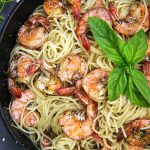


The allure of this dish lies in its texture. The broad, flat ribbons of fettuccine provide the ideal surface area to capture the thick, luscious sauce, ensuring that every bite is coated in creamy perfection. Unlike a standard marinara or an oil-based aglio e olio, a cream-based carbonara offers a decadent mouthfeel that feels like a celebration on a plate. It is a dish often reserved for special occasions, yet with the right technique, it is accessible enough for a weeknight dinner.
In this comprehensive guide, we will explore the step-by-step process of creating the ultimate Creamy Seafood Fettuccine Carbonara. We will delve into ingredient selection, the science of emulsification, and the critical timing required to keep your seafood tender and your sauce smooth. Whether you are a novice cook or a seasoned home chef, these insights will elevate your pasta game to restaurant standards.
Understanding the ‘Creamy’ Carbonara Variation
Before we ignite the stove, it is essential to address the culinary context. Traditional Carbonara is made strictly with eggs, hard cheese (Pecorino Romano), cured pork (Guanciale), and black pepper. However, the version we are discussing today—the ‘Creamy Seafood’ variation—is a distinct evolution. It incorporates heavy cream to stabilize the sauce and provide a sweeter, mellower base that complements shrimp, squid, and scallops better than the sharp, salty punch of a pure egg-yolk sauce might.
The addition of cream also makes the cooking process slightly more forgiving. Traditional carbonara requires precise temperature control to prevent the eggs from scrambling. A cream-based sauce allows for a more gradual thickening process, reducing the risk of a grainy texture. This makes it an excellent choice for home cooks who want to ensure a silky consistency without the high-stress environment of a professional pasta station.
The Seafood Medley
For a truly spectacular seafood carbonara, variety is key. A classic mix includes shrimp (prawns), calamari (squid rings), and scallops. When selecting shrimp, aim for medium-sized ones, peeled and deveined. If you can find wild-caught shrimp, their flavor is superior to farmed varieties. For the squid, ensure it is cleaned thoroughly and sliced into rings that aren’t too thick, as they cook very quickly.
Scallops add a touch of luxury and a distinct sweetness. Dry sea scallops are preferred over ‘wet’ scallops (which are treated with preservatives) because they sear better and have a purer flavor. If you are feeling adventurous, you can also include fresh mussels or clams, though these require separate steaming and shelling before being added to the final pasta toss.
The Dairy and Aromatics
To achieve that signature creaminess, you need heavy cream (whipping cream) with a fat content of at least 35%. Lower fat creams or milk will result in a watery sauce that fails to cling to the fettuccine. You will also need Parmesan cheese. Please, avoid the pre-grated cheese in a shaker can; it contains anti-caking agents that prevent it from melting smoothly. Buy a block of Parmigiano-Reggiano and grate it freshly for the best results.
Garlic is a controversial addition to traditional carbonara, but for a seafood cream sauce, it is essential. It bridges the gap between the briny seafood and the rich dairy. Fresh flat-leaf parsley is also crucial for a burst of color and freshness to cut through the richness. Finally, plenty of freshly cracked black pepper is non-negotiable—it is the ‘coal’ (carbone) in carbonara, providing the necessary heat and aroma.
Preparation: The Mise en Place
Cooking pasta, especially a carbonara style, happens quickly once the heat is on. Therefore, mise en place (having everything in place) is vital. Begin by bringing a large pot of salted water to a boil. While waiting for the water, prep your seafood. Pat the shrimp and scallops dry with paper towels; excess moisture prevents a good sear. Season them lightly with salt and pepper.
Finely mince your garlic cloves—about 3 or 4 should suffice depending on your preference. Grate a generous cup of Parmesan cheese. Whisk together your heavy cream and egg yolks in a bowl. Yes, we still use egg yolks in this creamy version! They add richness and a golden hue that cream alone cannot provide. Whisking them into the cream beforehand tempers them, preventing them from scrambling when they hit the hot pan.
Step 1: Searing the Seafood
Heat a large skillet or sauté pan over medium-high heat. Add a knob of butter and a splash of olive oil. The oil prevents the butter from burning. Once the fats are bubbling, add your seafood. It is crucial not to overcrowd the pan; if you add too much at once, the seafood will steam instead of sear.
Cook the shrimp and scallops for just 1-2 minutes per side until they are golden and opaque. If using squid, add it in the last minute of cooking as it becomes rubbery if overcooked. Once the seafood is cooked, remove it from the pan and set it aside on a plate. Do not wipe the pan clean! The caramelized bits (fond) left at the bottom are packed with flavor.
Step 2: Cooking the Pasta
Add your fettuccine to the boiling water. If you are using fresh pasta, it will only take 2-3 minutes. Dried pasta will take 8-10 minutes. The goal is al dente—firm to the bite. The pasta will finish cooking in the sauce, so drain it about a minute before the package instructions suggest. Crucial Tip: Before draining, reserve about a cup of the starchy pasta cooking water. This ‘liquid gold’ is the secret to emulsifying your sauce.
Step 3: Building the Sauce Base
While the pasta boils, return your skillet to medium heat. Add a little more butter if the pan is dry. Toss in your minced garlic and sauté for about 30 seconds until fragrant, being careful not to brown it too much, which can make it bitter. If you like a bit of heat, you can add a pinch of red chili flakes at this stage.
Step 4: The Cream Infusion
Lower the heat to medium-low. Pour in your mixture of heavy cream and egg yolks slowly, whisking constantly. The residual heat of the pan will begin to thicken the eggs and cream. It is vital to keep the heat gentle; if the sauce boils vigorously, the eggs will curdle. You want a gentle simmer where the sauce coats the back of a spoon.
Step 5: The Marriage of Flavors
Once the sauce has thickened slightly (usually after 2-3 minutes), add the grated Parmesan cheese. Stir until melted and smooth. Now, add the cooked fettuccine directly into the pan. Toss the pasta vigorously with tongs to coat every strand. This agitation helps release more starch from the pasta, thickening the sauce further.
Step 6: Adjusting Consistency
This is where the reserved pasta water comes into play. If the sauce looks too thick or clumpy, add a splash of the hot pasta water. Stir and toss. The starch in the water will bind the fat and liquid, creating a glossy, emulsified emulsion. Continue adding water a tablespoon at a time until you reach your desired consistency. It should be creamy and fluid, not stiff or gloopy.
Step 7: Reintroducing the Seafood
Return the seared seafood (and any juices that accumulated on the plate) to the pan. Toss everything together gently so as not to break up the scallops or fish. Allow the seafood to warm through for about 30 seconds. Turn off the heat.
Step 8: Final Seasoning
Taste the sauce. The Parmesan and the salted pasta water add significant salinity, so you may not need extra salt. However, you will likely need a generous amount of freshly cracked black pepper. Add the chopped fresh parsley now, tossing it through to distribute the bright green herbs evenly against the creamy white sauce.
Dietary Variations and Substitutions
For those who do not eat shellfish, chunks of firm white fish like halibut or salmon can be used, though they should be handled delicately. Smoked salmon is another popular alternative that adds a lovely smoky depth, though it should be added at the very end as it does not require cooking.
If you want to add vegetables to balance the richness, sweet green peas or blanched asparagus tips work wonderfully. They add a pop of sweetness and texture without overpowering the delicate seafood flavors. Mushrooms are also a great addition, providing an earthy umami that pairs well with cream and garlic.
Serving Suggestions
Creamy Seafood Fettuccine Carbonara is a rich dish, so the sides should be light and acidic to cleanse the palate. A simple arugula salad with a lemon vinaigrette is the perfect accompaniment. The bitterness of the greens and the acid of the lemon cut through the heavy cream sauce. Garlic bread is a classic side, perfect for mopping up any leftover sauce on the plate.
Wine Pairing
Pairing wine with this dish requires a white wine with good acidity and moderate body. A crisp Pinot Grigio or a Sauvignon Blanc works well to cut the fat. However, an oaked Chardonnay can also complement the buttery, creamy notes of the sauce. Avoid heavy red wines, as tannins will clash unpleasantly with the seafood and cream.
Storage and Reheating
Cream-based pasta dishes are best enjoyed fresh, straight from the pan. Reheating can be tricky as the emulsion often breaks, separating into oil and solids. If you do have leftovers, store them in an airtight container in the refrigerator for up to 2 days. To reheat, place the pasta in a saucepan over low heat and add a splash of water or milk to loosen the sauce. Stir gently until warmed through. Avoid the microwave if possible, as it tends to make the seafood rubbery and the sauce oily.
Conclusion
Cooking a Creamy Seafood Fettuccine Carbonara is a rewarding culinary experience that brings the sophistication of Italian-inspired fine dining into your home kitchen. By respecting the ingredients, managing your heat, and mastering the emulsion of pasta water and cheese, you can create a dish that is visually stunning and incredibly delicious.
Remember that cooking is an art of adjustment. Do not be afraid to tweak the amount of garlic, pepper, or cheese to suit your personal palate. The ‘perfect’ carbonara is the one that tastes best to you. So, gather your fresh seafood, grate your Parmesan, and prepare to impress your family and friends with this decadent masterpiece.