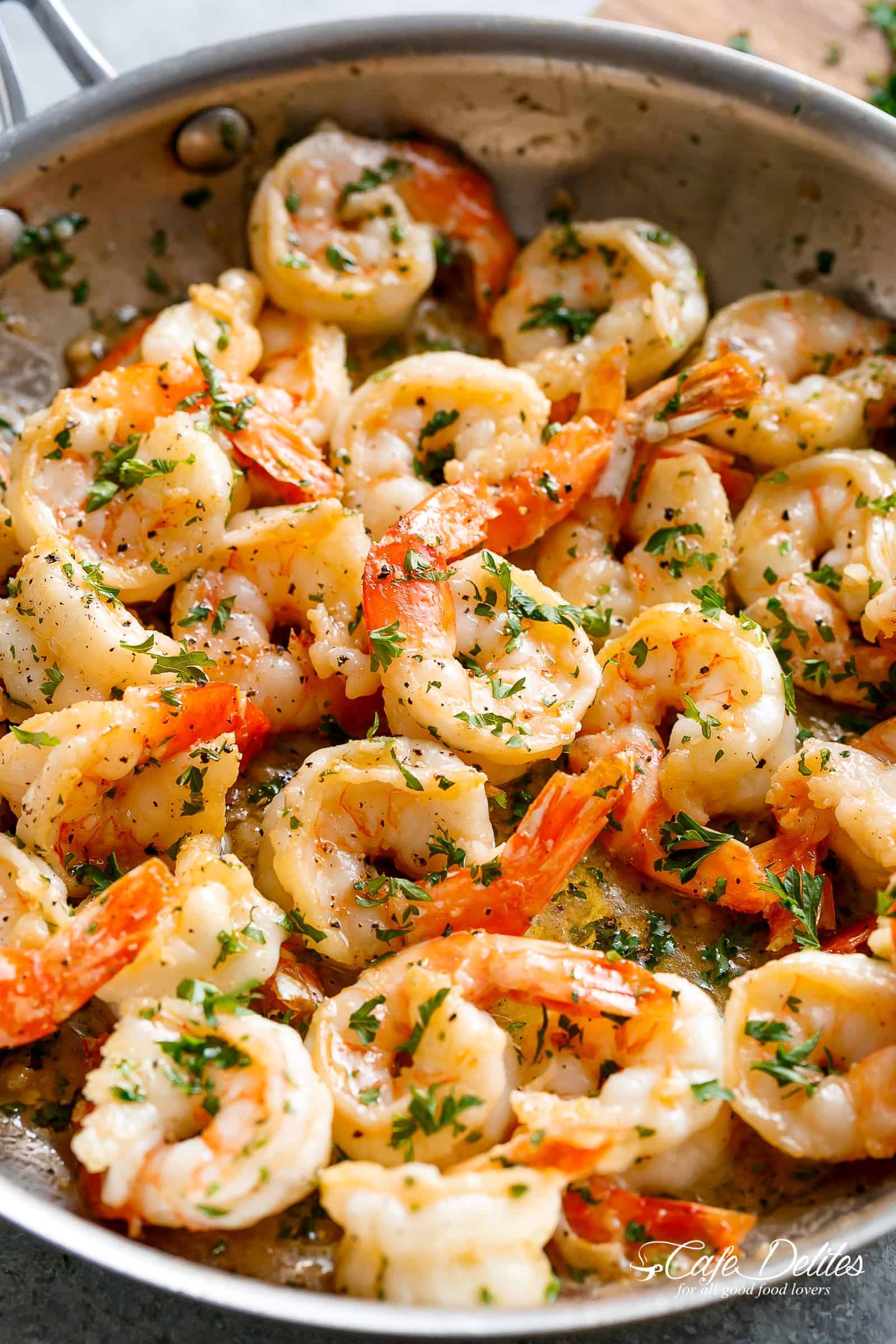
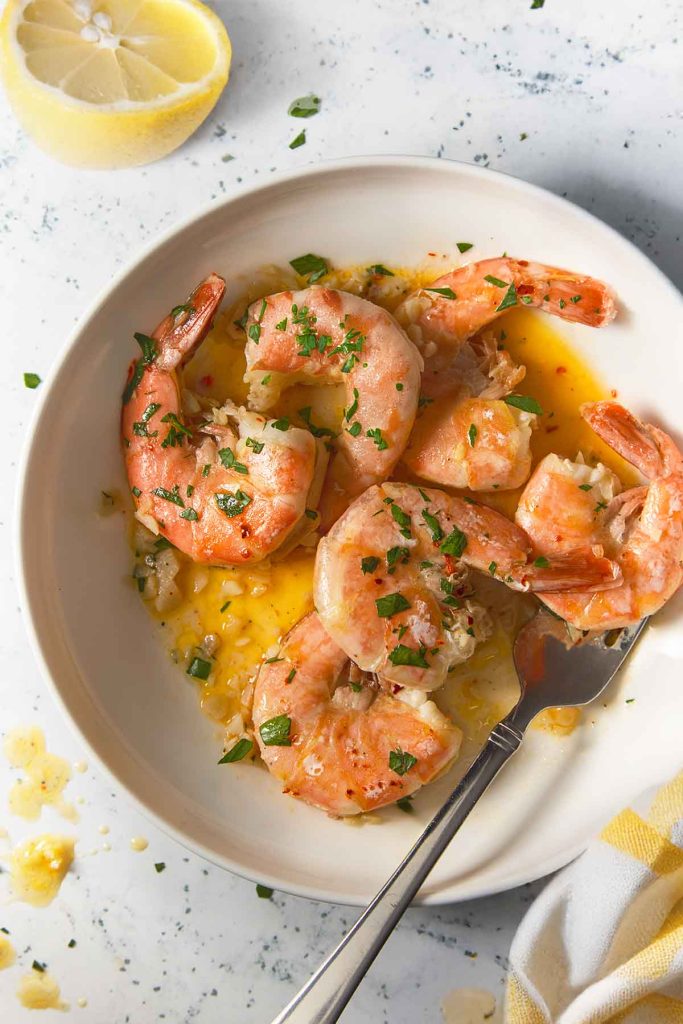

The term "scampi" actually refers to a specific crustacean, the langoustine (Nephrops norvegicus), which is similar to a small lobster and found in the Mediterranean and Northeastern Atlantic. When Italian immigrants moved to the United States, langoustines were not readily available, so they adapted their traditional recipes using the abundant shrimp found in American waters. Thus, "Shrimp Scampi" was born—a name that is technically redundant (essentially translating to "shrimp shrimp") but has become synonymous with a specific style of garlic-butter preparation.
Selecting the Perfect Shrimp
The foundation of this dish is, naturally, the shrimp. For a classic scampi, size matters significantly. You want a shrimp that is substantial enough to remain juicy during the sear but not so large that it becomes tough. The ideal size is usually the "Extra Large" (26/30 count) or "Jumbo" (21/25 count). These numbers indicate how many shrimp make up a pound; the lower the number, the larger the shrimp.
When purchasing shrimp, you will often face the choice between fresh and frozen. Unless you live on the coast and are buying directly from a boat or a reputable fishmonger, "fresh" shrimp at the supermarket are often just frozen shrimp that have been thawed. Therefore, buying high-quality frozen shrimp (individually quick frozen, or IQF) is often the safer and fresher option. Look for shrimp that are firm, translucent, and smell like the ocean—never like ammonia.
Preparation: Peeling and Deveining
Proper cleaning is non-negotiable. While some rustic versions of the dish leave the shells on to impart more flavor to the sauce, the classic dining experience usually involves peeled and deveined shrimp. However, leaving the tails on is a common practice for aesthetic appeal and gives the diner a convenient "handle" if serving as an appetizer. If you are serving this over pasta as a main course, removing the tails entirely can make the eating experience more seamless.
Do not discard the shells immediately! Shrimp shells are packed with flavor. A pro-tip for elevating your scampi is to quickly simmer the discarded shells in a cup of wine or water for 10 minutes, strain the liquid, and use this concentrated shrimp stock to deglaze your pan later. This step adds a depth of savory, briny flavor that butter and garlic alone cannot achieve.
The Garlic: Slicing vs. Mincing
Garlic is the driving force of the scampi. The way you cut the garlic changes how the flavor permeates the dish. Mincing garlic releases more oils and provides a stronger, more pungent kick, which is traditional for scampi. However, thinly slicing the garlic can offer a milder, sweeter flavor profile and a nice textural contrast. For the most robust experience, use a combination of both: some minced garlic to infuse the butter and some sliced garlic for visual appeal.
The Fats: Butter and Olive Oil
A common mistake is using only butter, which has a low smoke point and can burn easily before the shrimp are cooked. Conversely, using only olive oil lacks the creamy richness essential to scampi. The solution is a dual-fat approach. You begin by searing the shrimp in olive oil (which can handle higher heat) and finish the sauce by mounting it with cold butter. This technique, known in French cuisine as monter au beurre, creates a glossy, emulsified sauce rather than a separated, greasy pool.
The Acid: Wine and Lemon
To cut through the richness of the butter, you need acid. A dry, crisp white wine is standard. Pinot Grigio, Sauvignon Blanc, or an un-oaked Chardonnay are excellent choices. Avoid sweet wines like Riesling or Moscato, as they will make the dish cloying. The alcohol in the wine acts as a solvent, releasing flavor compounds in the garlic and shrimp that are not water-soluble. If you do not consume alcohol, you can substitute with chicken broth and a touch more lemon juice, though the flavor profile will be slightly less complex.
Lemon is the second acidic component. Fresh lemon juice is mandatory; bottled juice often contains preservatives that impart a metallic taste. In addition to the juice, using the zest of the lemon adds a floral, bright aroma that lifts the entire dish without adding extra sourness. Add the zest right at the end of the cooking process to preserve its essential oils.
Herbs and Spices
Fresh flat-leaf parsley is the traditional herb for scampi. It adds a grassy freshness and a pop of color. Avoid curly parsley, which can be tough and lacks flavor. Red pepper flakes are also a crucial component, adding a subtle background heat that wakes up the palate. Seasoning should be done with Kosher salt and freshly cracked black pepper.
Choosing the Pasta
While Shrimp Scampi can be served with crusty bread or rice, pasta is the most popular vehicle. Long strands are best for coating in the garlic-butter sauce. Linguine is the classic choice because its slight width holds the sauce better than spaghetti. Angel hair (Capellini) is another favorite for its delicate texture, which matches the tenderness of the shrimp, but it requires careful timing to avoid overcooking.
Step 1: Mise en Place
Shrimp Scampi cooks incredibly fast—usually in under 10 minutes once the heat is on. Therefore, having your mise en place (everything in its place) is critical. Measure your wine, chop your parsley, mince your garlic, and squeeze your lemons before you even turn on the stove. If you stop to chop garlic while the shrimp are in the pan, you will likely overcook them.
Step 2: Boiling the Pasta
Bring a large pot of salted water to a boil. The water should taste like the ocean. Add your pasta and cook it to al dente—usually about a minute less than the package instructions. You want the pasta to have a slight bite because it will finish cooking in the scampi sauce, absorbing those delicious flavors. Reserve at least a cup of the starchy pasta water before draining.
Step 3: Searing the Shrimp
Heat a large skillet over medium-high heat with olive oil and a tablespoon of butter. Pat the shrimp completely dry with paper towels; moisture is the enemy of a good sear. Season the shrimp with salt, pepper, and red pepper flakes. Place them in the hot pan in a single layer. Do not crowd the pan, or the shrimp will steam instead of sear. Cook for just 1-2 minutes per side until they turn pink and opaque. Remove them from the pan immediately and set aside. They should be slightly undercooked at this point.
Step 4: Building the Aromatics
Lower the heat to medium. In the same pan (do not wipe it out; those brown bits are flavor), add a little more olive oil if the pan is dry. Add your garlic and sauté for about 60 seconds. You want the garlic to turn fragrant and pale golden, not brown or black. Burnt garlic is bitter and will ruin the sauce.
Step 5: Deglazing and Reducing
Pour in the white wine. It will hiss and bubble violently. Use a wooden spoon to scrape up the fond (brown bits) from the bottom of the pan. Let the wine simmer and reduce by about half. This concentrates the flavor and cooks off the harsh raw alcohol taste. This should take about 2-3 minutes.
Step 6: The Emulsion
Reduce the heat to low. This is the magic moment. Add your cold butter cubes, a few at a time, whisking constantly. By adding cold butter to the warm liquid reduction, the milk solids emulsify into the sauce, thickening it slightly and making it creamy. If the heat is too high or the butter is melted beforehand, the sauce will break and become oily.
Step 7: Bringing it Together
Once the sauce is velvety, stir in the lemon juice and zest. Return the shrimp (and any accumulated juices on the plate) back to the pan. Toss gently to coat. If you are serving with pasta, add the drained noodles directly to the skillet now. Toss everything together vigorously.
Step 8: Adjusting Consistency
If the sauce looks too tight or dry after adding the pasta, splash in some of the reserved starchy pasta water. The starch in the water helps the sauce cling to the noodles and creates a fluid, creamy consistency. Keep tossing until the pasta is glossy and coated.
Step 9: Final Seasoning and Garnish
Remove the pan from the heat. Stir in the chopped fresh parsley. Taste the sauce. Does it need more salt? More lemon? Adjust to your preference. Serve immediately on warmed plates.
Troubleshooting: Rubber Shrimp
The most common failure point in Shrimp Scampi is rubbery, tough shrimp. This happens due to overcooking. Remember, shrimp continue to cook even after you take them off the heat due to residual heat. This is why we sear them quickly, remove them, and only return them at the very end to warm through.
Troubleshooting: Broken Sauce
If your sauce looks like a pool of oil with white solids floating in it, the emulsion has broken. This usually happens because the heat was too high when the butter was added. To fix it, take the pan off the heat, add a splash of cold water or cream, and whisk vigorously to bring it back together.
Variation: The Breadcrumb Topping
Some regional variations, particularly in older Italian-American joints, finish the dish with toasted breadcrumbs. To do this, toast panko or homemade breadcrumbs in a separate small pan with butter and garlic until golden. Sprinkle them over the finished pasta just before serving for a delightful crunch.
Variation: Vegetable Additions
While purists stick to garlic and herbs, you can easily boost the nutritional value of this dish. Baby spinach wilts beautifully into the hot sauce right at the end. Cherry tomatoes, blistered in the pan with the garlic, add sweetness and acidity. Asparagus tips or peas are also common spring-time additions.
Serving Suggestions: Low Carb Options
For those avoiding pasta, Shrimp Scampi is incredibly versatile. It serves beautifully over spiralized zucchini noodles (zoodles) or spaghetti squash. Because the sauce is so flavorful, it dresses up bland vegetables perfectly. Alternatively, serve the shrimp in a bowl with a side of roasted cauliflower.
Serving Suggestions: The Bread
If you aren’t serving pasta, you must serve crusty bread. A baguette, ciabatta, or sourdough is essential for "mopping up" the garlic butter sauce left on the plate. In Italy, this act is called scarpetta, and it is often considered the best part of the meal.
Wine Pairing
The rule of thumb is to drink what you cook with. A glass of the same Pinot Grigio or Sauvignon Blanc used in the sauce is the perfect accompaniment. The high acidity of these wines cuts through the richness of the butter and cleanses the palate between bites. Avoid heavy reds or oaky whites.
Storage and Reheating
Shrimp Scampi is best eaten immediately. Reheating seafood is tricky; microwave reheating almost guarantees rubbery shrimp. If you must store leftovers, keep them in an airtight container in the fridge for up to 2 days. To reheat, place the pasta and shrimp in a skillet with a splash of water or broth over low heat, tossing gently until just warm.
Conclusion
Cooking Classic Shrimp Scampi is a lesson in timing and temperature. It requires confidence to work quickly and the restraint to let a few high-quality ingredients shine without over-complicating them. Once you master the rhythm of searing, deglazing, and emulsifying, you will have a restaurant-quality meal in your repertoire that is suitable for a busy weeknight dinner or a romantic date night. The aroma of garlic and butter sizzling in the pan is inviting, comforting, and timeless.