
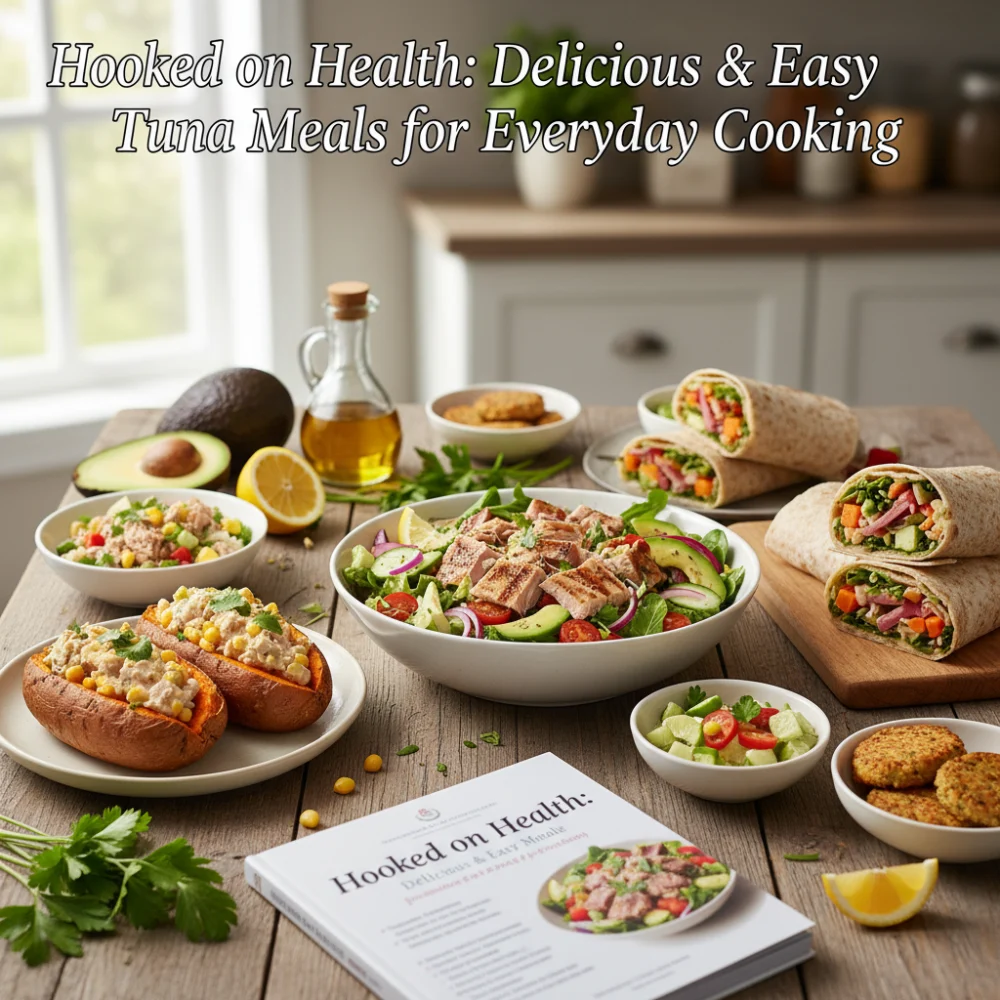

Tuna, often hailed as a pantry hero, is an incredibly versatile and nutritious ingredient that deserves a prime spot in your everyday cooking repertoire. Whether you’re a busy professional, a health-conscious home cook, or simply looking for quick and satisfying meal ideas, healthy tuna meals offer a fantastic solution.
This comprehensive guide will dive deep into the world of tuna, exploring its many forms, nutritional benefits, and an array of delicious, easy-to-prepare recipes. Get ready to transform this humble fish into exciting, flavorful dishes that are perfect for any meal of the day.
At its core, tuna is a nutritional powerhouse. It’s an excellent source of lean protein, essential for muscle repair and growth, keeping you feeling full and satisfied. Beyond protein, tuna is rich in heart-healthy Omega-3 fatty acids, which are known to reduce inflammation and support brain function.
Furthermore, tuna provides a good dose of B vitamins, selenium, and vitamin D, contributing to overall well-being. Incorporating healthy tuna recipes into your diet is a smart way to boost your nutrient intake without spending hours in the kitchen.
When it comes to tuna, you typically encounter two main categories: fresh and canned. Both have their unique advantages and culinary applications. Understanding the differences is key to choosing the right tuna for your desired meal.
Canned Tuna: The Everyday Champion
Canned tuna is the ultimate convenience food. It’s shelf-stable, affordable, and ready to use straight from the can. You’ll find it packed in water or oil. Tuna packed in water is generally lower in calories and fat, making it ideal for lighter healthy tuna meals.
Tuna packed in oil, especially olive oil, can offer a richer flavor and texture, and the oil itself provides healthy fats. However, remember to drain it well if you’re watching your calorie intake.
Within canned tuna, there are often two main types: light tuna (typically skipjack) and white tuna (albacore). Light tuna has a milder flavor and softer texture, while albacore is firmer and has a more distinct, richer taste. Both are excellent choices for easy tuna dishes.
Fresh Tuna: For Special Occasions and Gourmet Touches
Fresh tuna, often found as steaks or fillets (like Ahi or Yellowfin), offers a different culinary experience. It’s firmer, meatier, and has a more pronounced flavor. Fresh tuna is fantastic for grilling, searing, or baking, and it cooks relatively quickly.
When selecting fresh tuna, look for vibrant, deep red flesh that is moist and firm. Avoid any tuna that looks dull, brown, or has a strong fishy odor. Fresh tuna is a wonderful way to elevate your healthy tuna meals.
- Canned Tuna: Always have a few cans of water-packed tuna.
- Healthy Fats: Olive oil, avocado, or Greek yogurt for creamy textures.
- Fresh Vegetables: Celery, onion, bell peppers, leafy greens.
- Herbs & Spices: Dill, parsley, chives, garlic powder, onion powder, black pepper.
- Citrus: Lemons or limes for brightness.
- Whole Grains: Whole wheat pasta, brown rice, whole grain bread or crackers.
- Vinegars: Apple cider vinegar or red wine vinegar.
Let’s explore some fantastic healthy tuna meal ideas that are both delicious and easy to prepare.
1. Revitalized Classic Tuna Salad
Forget the mayonnaise-heavy versions. For a healthier twist, combine drained canned tuna with finely chopped celery, red onion, and a generous dollop of Greek yogurt or mashed avocado instead of mayo. Season with fresh dill, lemon juice, salt, and pepper. Serve on lettuce cups, whole-grain crackers, or as a vibrant sandwich filling.
2. Mediterranean Tuna Bowls
This recipe brings a taste of the Mediterranean to your table. Mix canned tuna with chopped cucumbers, cherry tomatoes, Kalamata olives, red onion, and crumbled feta cheese. Dress with a simple vinaigrette made from olive oil, lemon juice, and oregano. Serve over a bed of quinoa or mixed greens for a complete and satisfying everyday tuna recipe.
3. Spicy Asian Tuna Wraps
For a quick and flavorful lunch, combine tuna with shredded carrots, a sprinkle of sesame seeds, and a dressing made from soy sauce (or tamari), a touch of sesame oil, rice vinegar, and a dash of sriracha for heat. Spoon this mixture into large lettuce leaves (like butter lettuce or romaine) for a light, low-carb meal.
4. Quick Tuna Pasta Primavera
Elevate your pasta night with tuna and fresh vegetables. Cook whole wheat pasta according to package directions. Sauté a medley of your favorite vegetables like broccoli florets, bell peppers, and zucchini. Drain the tuna and add it to the sautéed vegetables. Toss with the cooked pasta, a light lemon-garlic sauce, and a sprinkle of Parmesan cheese for a wholesome tuna dinner idea.
5. Baked Tuna Stuffed Bell Peppers
A hearty and colorful option! Halve bell peppers (any color) and remove the seeds. Mix canned tuna with cooked brown rice, diced tomatoes, corn, and a light cheese or breadcrumbs. Stuff the peppers with the mixture, top with a little more cheese, and bake until the peppers are tender and the filling is heated through. This makes for excellent healthy baked tuna meals.
6. Seared Ahi Tuna Steaks
For a restaurant-quality meal at home, sear fresh Ahi tuna steaks. Pat the steaks dry, season generously with salt, pepper, and a sprinkle of sesame seeds. Heat a pan with a high smoke point oil (like avocado oil) until shimmering. Sear for 1-2 minutes per side for a rare-to-medium-rare finish. Slice and serve with a side of steamed greens or a light salad.
7. Grilled Lemon-Herb Tuna
Grilling fresh tuna steaks is another fantastic way to enjoy them. Marinate tuna steaks for 15-20 minutes in a mixture of olive oil, lemon juice, minced garlic, fresh parsley, and a pinch of red pepper flakes. Grill over medium-high heat for 3-5 minutes per side, depending on thickness, until cooked to your liking. This is a perfect healthy grilled tuna recipe.
- Drain Thoroughly: For canned tuna, always drain it well to avoid watery dishes.
- Fresh Herbs are Key: They add vibrant flavor without extra calories. Think dill, parsley, cilantro, chives.
- Embrace Acidity: A squeeze of lemon or lime juice brightens flavors and cuts through richness.
- Load Up on Veggies: Boost fiber and nutrients by adding plenty of fresh or lightly cooked vegetables to your tuna dishes.
- Spice it Up: Don’t be afraid to experiment with different spices like smoked paprika, cumin, or a touch of chili powder.
Even with simple ingredients, there are common missteps that can diminish the quality of your easy tuna dishes.
- Over-Dressing: Too much mayonnaise or oil can overpower the tuna and add unnecessary calories. Aim for just enough to bind ingredients and add moisture.
- Ignoring Texture: A good tuna dish has varied textures. Add crunchy elements like celery, nuts, or seeds.
- Blandness: Don’t forget to season! Salt, pepper, herbs, and citrus are crucial for bringing out the best in tuna.
- Overcooking Fresh Tuna: Fresh tuna is best enjoyed medium-rare to medium. Overcooking will result in dry, tough fish.
Many people wonder about the mercury content in tuna. While tuna does contain mercury, the levels vary by species. Light canned tuna (skipjack) generally has lower mercury levels than white canned tuna (albacore) or larger fresh tuna species.
For most healthy adults, consuming light canned tuna a few times a week is considered safe. Pregnant women, nursing mothers, and young children should consult health guidelines regarding specific consumption limits.
Choosing sustainably sourced tuna is vital for the health of our oceans. Look for labels like MSC (Marine Stewardship Council) certification, which indicates the tuna was caught using environmentally responsible fishing methods. This small choice makes a big difference for future generations.
Q: Is canned tuna as healthy as fresh tuna?
A: Both are healthy! Canned tuna offers similar protein and Omega-3 benefits, though fresh tuna often has slightly higher levels of certain nutrients due to less processing. The key is how they are prepared. Both can be part of a very healthy diet.
Q: How often can I eat tuna?
A: For most adults, 2-3 servings of light canned tuna per week are generally considered safe. For albacore (white) tuna, it’s often recommended to limit consumption to about one serving per week due to higher mercury levels. Always check local health guidelines.
Q: What’s the best way to store leftover tuna dishes?
A: Leftover tuna meals should be stored in an airtight container in the refrigerator and consumed within 2-3 days. Dishes containing mayonnaise or other perishable ingredients should be kept cold and consumed promptly.
Tuna is truly a culinary chameleon, capable of transforming into an endless array of delicious, nutritious, and incredibly easy meals. From quick lunches to satisfying dinners, the possibilities are vast. By understanding the different types of tuna, stocking your pantry wisely, and embracing simple cooking techniques, you can enjoy the health benefits and fantastic flavor of tuna any day of the week. So go ahead, get creative, and make tuna a star in your kitchen!