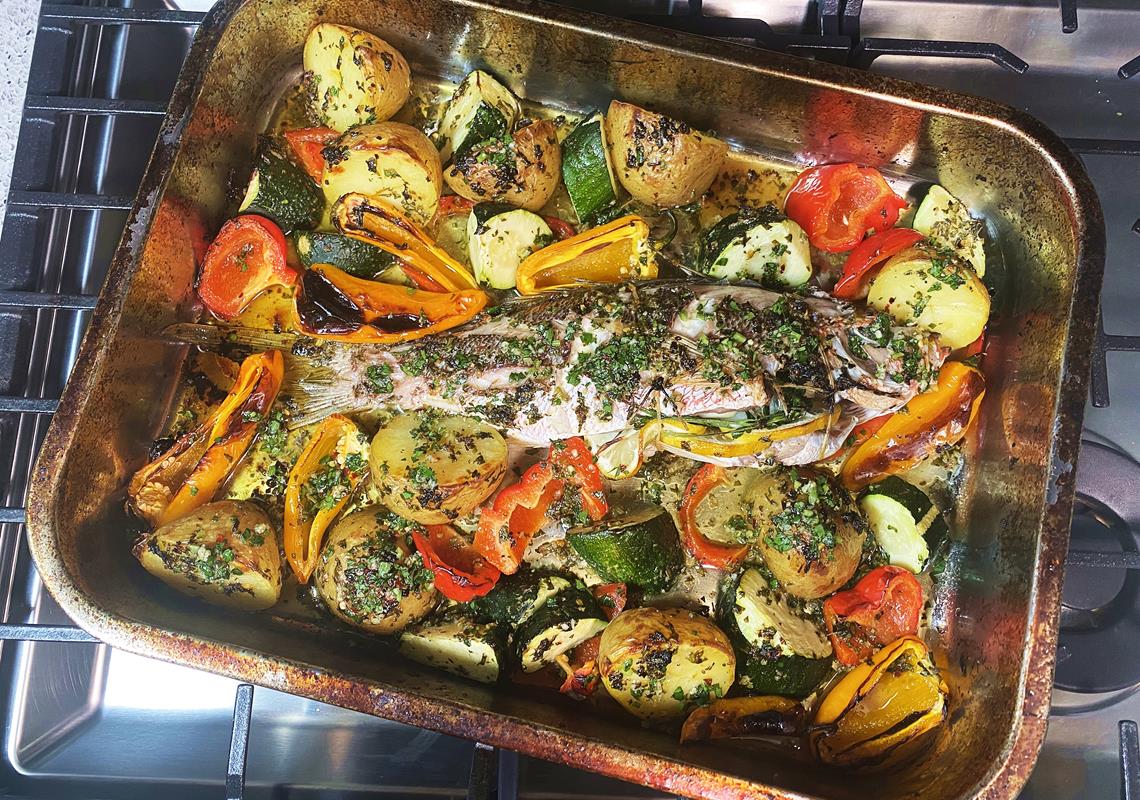
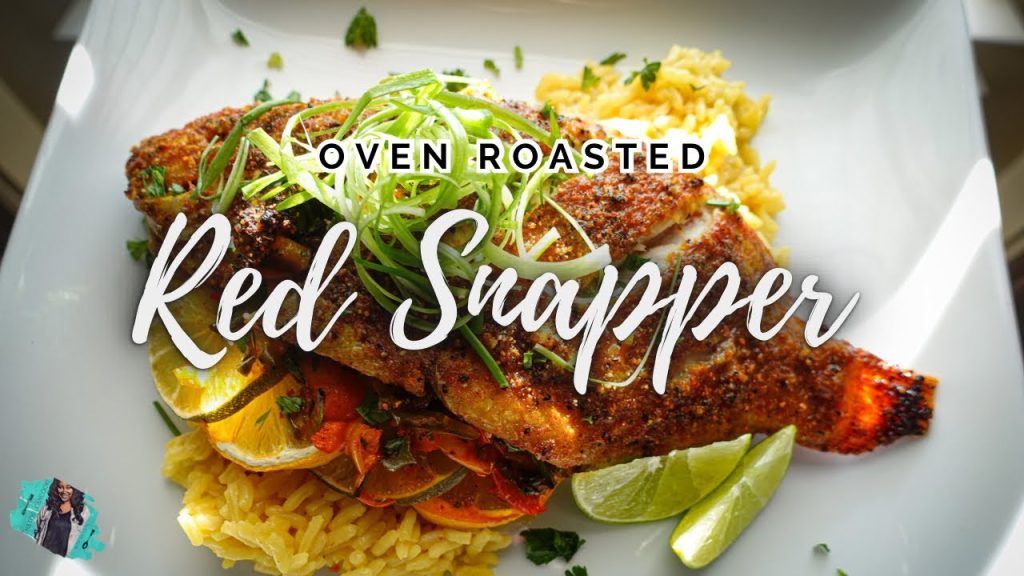

Snapper is a fantastic choice for novice cooks. Its mild, slightly sweet flavor profile and firm, flaky texture make it incredibly forgiving and versatile. Unlike some other fish that can be overly delicate or have a strong ‘fishy’ taste, snapper is approachable and universally loved, making it a perfect canvas for simple yet delicious preparations.
This comprehensive guide is designed to demystify cooking snapper, transforming you from a hesitant beginner into a confident home chef. We’ll cover everything from choosing the freshest fish to mastering basic cooking methods and diving into a few incredibly easy, mouth-watering recipes. Get ready to impress yourself and your loved ones with perfectly cooked snapper!
Why Snapper is Your Best Friend in the Kitchen
Beyond its delightful taste, snapper offers several advantages for beginner cooks. Its firm flesh holds together well during cooking, reducing the risk of it falling apart in the pan or on the grill. This structural integrity is a huge confidence booster when you’re just starting out.
Furthermore, snapper is a lean protein source, rich in essential nutrients like Omega-3 fatty acids, vitamins D and E, and minerals such as selenium and magnesium. Cooking snapper means you’re not just making a tasty meal, but a healthy one too! It’s a win-win for your palate and your well-being.
Choosing the Freshest Snapper: Your First Step to Success
- Eyes: For whole fish, look for clear, bright, and bulging eyes. Cloudy or sunken eyes indicate an older fish.
- Gills: Fresh snapper will have bright red or pink gills. Avoid fish with brown or slimy gills.
- Smell: It should smell clean, like a fresh ocean breeze, not overtly ‘fishy’ or ammonia-like.
- Skin & Scales: The skin should be shiny and moist, with scales firmly attached.
- Flesh: If buying fillets, the flesh should be firm and spring back when gently pressed. Avoid fillets that look dull, discolored, or watery.
If possible, buy snapper the same day you plan to cook it. If you need to store it, keep it in the coldest part of your refrigerator, ideally on a bed of ice, for no more than 1-2 days.
Basic Preparation: Getting Your Snapper Ready
- Scaling: Hold the fish firmly by the tail and use a fish scaler or the back of a knife to scrape against the grain of the scales, working from tail to head. Rinse thoroughly.
- Gutting: Make a shallow incision along the belly from the anal fin to the gills. Remove all internal organs, rinse the cavity thoroughly under cold water, and pat dry.
Regardless of whether you have fillets or a whole fish, always pat your snapper very dry with paper towels before cooking. This is a crucial step that helps achieve a beautiful crust and prevents steaming, especially when pan-searing or grilling.
Essential Tools and Ingredients for Beginner Snapper Dishes
- Good Quality Olive Oil: Your go-to cooking fat.
- Lemons: Fresh lemon juice brightens any fish dish.
- Fresh Herbs: Parsley, dill, thyme, or cilantro are excellent choices.
- Salt and Freshly Ground Black Pepper: The foundational seasonings.
- Garlic: A universal flavor enhancer.
- Baking Sheet with Parchment Paper: For easy cleanup when baking.
- Non-Stick Skillet or Cast Iron Pan: Ideal for pan-searing.
- Spatula: Preferably a thin, flexible fish spatula.
- Instant-Read Thermometer: Your best friend for ensuring fish is cooked perfectly (internal temperature should reach 145°F or 63°C).
Beginner Recipe 1: Easy Baked Lemon Herb Snapper Fillets
Baking is perhaps the most beginner-friendly cooking method. It’s largely hands-off, forgiving, and results in tender, flaky fish with minimal effort. This recipe highlights snapper’s natural flavor with simple, classic accompaniments.
Ingredients:
- 2 snapper fillets (about 6-8 oz each)
- 1 tbsp olive oil
- 1 lemon, thinly sliced, plus extra wedges for serving
- 2 sprigs fresh dill or parsley, chopped
- 2 cloves garlic, minced (optional)
- Salt and freshly ground black pepper to taste
Instructions:
- Preheat your oven to 400°F (200°C). Line a baking sheet with parchment paper for easy cleanup.
- Pat the snapper fillets thoroughly dry with paper towels. This step is key!
- Place the fillets on the prepared baking sheet. Drizzle with olive oil and season generously with salt and pepper.
- Sprinkle the minced garlic (if using) and chopped fresh herbs over the fish. Lay lemon slices on top of each fillet.
- Bake for 12-18 minutes, depending on the thickness of your fillets. The fish is done when it easily flakes with a fork and reaches an internal temperature of 145°F (63°C).
- Serve immediately with extra lemon wedges and your favorite side dishes.
Beginner Recipe 2: Crispy Pan-Seared Snapper with Garlic Butter
Pan-searing creates a wonderfully crispy skin and moist interior, offering a delightful textural contrast. While it requires a bit more attention than baking, the technique is straightforward and incredibly rewarding.
Ingredients:
- 2 snapper fillets, skin on (if possible, about 6-8 oz each)
- 1 tbsp olive oil
- 2 tbsp unsalted butter
- 2 cloves garlic, minced
- 1 tbsp fresh parsley, chopped
- Salt and freshly ground black pepper to taste
- Lemon wedges for serving
Instructions:
- Pat snapper fillets extremely dry. Season both sides generously with salt and pepper.
- Heat olive oil in a large non-stick or cast-iron skillet over medium-high heat until shimmering.
- Carefully place the snapper fillets, skin-side down, into the hot pan. Press down gently with a spatula for the first 30 seconds to ensure even contact and a crispy skin.
- Sear for 3-5 minutes on the skin side until the skin is golden brown and crispy, and the fish is cooked about halfway up its thickness.
- Flip the fillets. Immediately add butter and minced garlic to the pan. Baste the fish with the melting garlic butter as it finishes cooking, another 2-4 minutes, or until it reaches 145°F (63°C).
- Remove from heat, sprinkle with fresh parsley, and serve immediately with lemon wedges.
Beginner Recipe 3: Foil-Packet Snapper with Vegetables
This method is a dream for beginners: minimal cleanup, foolproof cooking, and customizable flavors. Cooking in foil packets steams the fish and vegetables together, locking in moisture and flavor.
Ingredients:
- 2 snapper fillets (about 6-8 oz each) or a small whole snapper
- 1 cup mixed vegetables, thinly sliced (e.g., bell peppers, zucchini, cherry tomatoes, asparagus)
- 1 tbsp olive oil
- 1/2 lemon, thinly sliced
- 1 sprig fresh thyme or rosemary
- Salt and freshly ground black pepper to taste
Instructions:
- Preheat oven to 400°F (200°C). Tear off two large pieces of heavy-duty aluminum foil.
- In a bowl, toss the sliced vegetables with olive oil, salt, and pepper.
- Place one snapper fillet (or half a whole snapper) in the center of each foil piece. Arrange half of the seasoned vegetables around and on top of each fish.
- Top each with a few lemon slices and a sprig of fresh herb.
- Bring the long edges of the foil together and fold them down tightly to seal. Then, crimp the short ends to create a tightly sealed packet.
- Place the packets on a baking sheet and bake for 15-20 minutes, or until the fish is cooked through and flakes easily.
- Carefully open the packets (watch out for steam!) and serve directly from the foil or transfer to plates.
Flavor Pairings and Simple Variations
- Citrus: Lime, orange, or grapefruit can replace lemon for a different zest.
- Herbs: Experiment with cilantro, basil, oregano, or a blend like Italian seasoning.
- Spices: A pinch of smoked paprika, cumin, or chili powder can add a warm, earthy kick.
- Sauces: A simple salsa (mango, tomato, or corn), a quick pesto, or a light vinaigrette can elevate your dish.
- Vegetables: Don’t be afraid to try different combinations in your foil packets or alongside your baked/seared fish.
Common Mistakes to Avoid for Perfect Snapper
- Overcooking: This is the most common mistake. Snapper cooks quickly. Use an instant-read thermometer to avoid dry, rubbery fish. Remember, it will continue to cook slightly after removal from heat.
- Not Patting Dry: As mentioned, moisture on the fish surface prevents browning and crisping. Always pat dry!
- Cold Pan: For pan-searing, ensure your pan is hot before adding the fish. A cold pan will cause the fish to stick and prevent a good sear.
- Crowding the Pan: If pan-searing multiple fillets, cook them in batches if necessary. Crowding lowers the pan temperature and leads to steaming instead of searing.
- Under-Seasoning: Fish needs a good amount of salt and pepper to bring out its flavor. Don’t be shy!
Serving Suggestions to Complete Your Meal
- Simple Grains: Fluffy white rice, quinoa, or couscous.
- Roasted Vegetables: Broccoli, asparagus, or mixed root vegetables roasted with olive oil, salt, and pepper.
- Fresh Salad: A simple green salad with a light vinaigrette.
- Potatoes: Mashed potatoes, roasted baby potatoes, or a light potato salad.
- Bread: Crusty bread to soak up any delicious pan juices.
The Health Benefits of Incorporating Snapper into Your Diet
Beyond its culinary appeal, snapper is a nutritional powerhouse. It’s an excellent source of lean protein, crucial for muscle repair and growth. The Omega-3 fatty acids are vital for heart health, brain function, and reducing inflammation.
Furthermore, snapper provides a good dose of Vitamin D, essential for bone health and immune function, and selenium, an important antioxidant. Making snapper a regular part of your diet is a smart choice for overall well-being.
Storing and Reheating Leftovers
If you happen to have any leftover snapper, store it in an airtight container in the refrigerator for up to 2 days. To reheat, gently warm it in a preheated oven at 275°F (135°C) for 10-15 minutes, or until just warmed through, to prevent it from drying out. Avoid microwaving, as it can often overcook the fish and make it rubbery.
Your Journey to Snapper Mastery Begins Now!
Congratulations! You now have the foundational knowledge and a handful of delicious, beginner-friendly recipes to start your snapper-cooking adventure. Remember, cooking is a skill that improves with practice and patience. Don’t be afraid to experiment with flavors and techniques once you’ve mastered the basics.
Snapper is a truly versatile and rewarding fish to cook, offering endless possibilities for flavorful and healthy meals. So, grab your apron, head to the fish market, and get ready to enjoy the incredible experience of cooking fresh snapper. Happy cooking!