
This guide explores the incredible potential of integrating these exquisite dishes into your menu, offering a fresh perspective on how to prepare and present lobster. We’ll delve into various regional influences, essential ingredients, and practical tips to help you create truly unforgettable dining experiences.
Lobster, with its delicate sweetness and succulent texture, provides a perfect canvas for the complex and vibrant flavors found across Asian cuisines. From the subtle umami of Japanese cooking to the fiery spice of Szechuan, and the aromatic herbs of Southeast Asia, the possibilities for flavor combinations are virtually limitless.
Incorporating Asian-inspired lobster dishes offers a distinct advantage for any establishment or home cook looking to stand out. It speaks to a sophisticated palate, promising an adventurous yet comforting culinary journey that transcends traditional preparations.
Why should you consider adding these unique lobster dishes to your repertoire? The benefits are manifold, ranging from enhanced customer appeal to increased menu versatility.
Unique Selling Proposition: In a competitive culinary landscape, offering something truly distinctive can set your menu apart. Asian-inspired lobster dishes provide an exotic yet approachable option that will pique curiosity.
Flavor Diversity: These recipes introduce an exciting spectrum of tastes – sweet, sour, salty, spicy, and umami – catering to a broader range of preferences than classic butter-poached or steamed lobster.
Premium Appeal: Lobster is inherently a luxury item. Infusing it with refined Asian flavors further elevates its perceived value, allowing for premium pricing and an upscale dining experience.
Versatility: Asian lobster preparations can range from elegant appetizers and small plates to spectacular main courses, offering flexibility in how you integrate them into your menu structure.
To truly master Asian-inspired lobster recipes, understanding the core flavor profiles from different regions is crucial. Each region brings its unique palette of ingredients and techniques.
Chinese Influences: Think robust flavors like ginger, garlic, scallions, soy sauce, oyster sauce, and often a touch of chili or fermented black beans. Stir-frying, steaming, and braising are common methods.
Japanese Inspirations: Focus on subtlety, umami, and delicate balance. Ingredients like soy sauce, mirin, sake, miso, and yuzu are prominent. Techniques might include tempura, grilling (robatayaki), or light simmering.
Thai Aromatics: Characterized by a harmonious blend of sweet, sour, salty, and spicy. Key ingredients include lemongrass, galangal, kaffir lime leaves, fish sauce, coconut milk, and fresh chilies. Curries and stir-fries are popular.
Vietnamese Freshness: Emphasizes fresh herbs, lime, fish sauce (nuoc mam), and often a lighter touch. Grilling, steaming, and serving with vibrant dipping sauces are common.
The foundation of any exceptional Asian lobster dish lies in the quality of its ingredients. Sourcing fresh, live lobster is paramount for the best texture and flavor.
- Aromatics: Fresh ginger, garlic, scallions, chilies (Thai bird’s eye, serrano)
- Sauces & Condiments: Soy sauce (light and dark), oyster sauce, fish sauce, hoisin sauce, rice vinegar, sesame oil, chili oil, sriracha
- Herbs & Spices: Cilantro, Thai basil, mint, star anise, Szechuan peppercorns, curry paste
- Acids: Limes, lemons, rice vinegar
- Fats: Peanut oil, vegetable oil for high-heat cooking
Let’s explore some captivating Asian-inspired lobster recipe ideas that can truly shine on your menu.
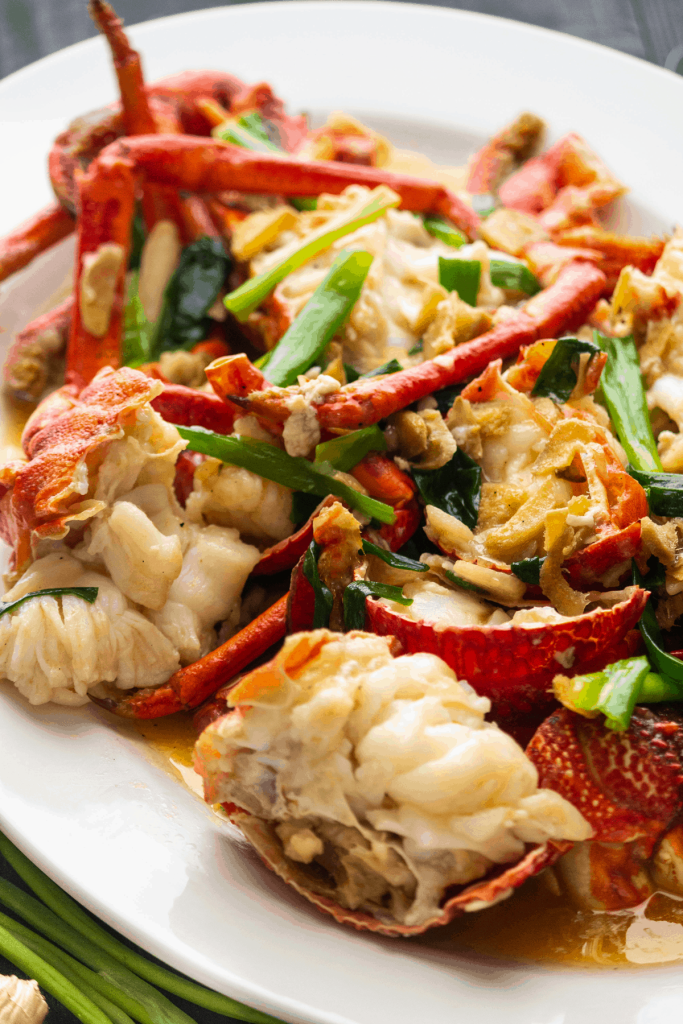
Classic Ginger Scallion Lobster: A beloved Cantonese classic, this dish features steamed or stir-fried lobster bathed in a fragrant sauce of fresh ginger, scallions, light soy sauce, and a touch of sesame oil. It’s elegant, comforting, and highlights the lobster’s natural sweetness.
Spicy Szechuan Lobster: For those who appreciate a kick, Szechuan lobster offers bold, fiery flavors with Szechuan peppercorns, dried chilies, garlic, and ginger, creating a numbing and spicy sensation that is incredibly addictive.
Thai Coconut Curry Lobster: Indulge in the creamy richness of a Thai red or green curry, infused with lemongrass, galangal, and kaffir lime leaves, simmered with tender lobster pieces. Serve with jasmine rice for a truly satisfying experience.
Vietnamese Grilled Lobster with Nuoc Cham: Marinated lobster tails, grilled to perfection, then served with a vibrant, tangy, and spicy nuoc cham dipping sauce. The fresh herbs and lime elevate this dish to new heights.
Lobster Tempura with Yuzu Aioli: A Japanese-inspired appetizer, lightly battered and fried lobster pieces offer a delightful crunch, perfectly complemented by a creamy aioli infused with the bright, citrusy notes of yuzu.
Achieving perfection with Asian lobster dishes requires attention to detail and adherence to best practices.
Choose Live Lobster: Whenever possible, opt for live lobsters. Their freshness guarantees superior flavor and texture. If using frozen tails, thaw them properly and pat dry.
Precision in Cooking: Lobster meat can become tough if overcooked. Whether steaming, stir-frying, or grilling, cook it just until opaque. A good rule of thumb is 1 minute per ounce for tails, or 8-10 minutes for a 1.5 lb whole lobster.
Mise en Place: Asian cooking often involves quick, high-heat techniques. Have all your ingredients prepped, measured, and ready to go before you start cooking.
Balance is Key: Asian cuisine thrives on balance. Continuously taste and adjust seasonings to ensure a harmonious blend of sweet, sour, salty, spicy, and umami elements.
Garnish Thoughtfully: Fresh herbs like cilantro, basil, or mint, along with sliced chilies or toasted sesame seeds, not only add visual appeal but also enhance the aromatic profile of the dish.
Even experienced cooks can stumble. Being aware of common pitfalls can save your dish.
- Overcooking the Lobster: This is the most frequent mistake. Overcooked lobster is rubbery and loses its delicate flavor. Err on the side of undercooking slightly, as it will continue to cook with residual heat.
- Ignoring Flavor Layers: Simply adding a few Asian ingredients isn’t enough. Understand how each flavor component contributes to the overall profile and build layers gradually.
- Not Using Fresh Aromatics: Dried or pre-minced garlic and ginger lack the vibrant punch of fresh ingredients, which are crucial in Asian cooking.
- Insufficient Heat for Stir-Frying: If stir-frying, ensure your wok or pan is extremely hot. This creates the desired ‘wok hei’ (breath of the wok) and prevents the lobster from steaming rather than searing.
- Forgetting to Deshell Partially: For whole lobster dishes, partially cracking or cutting the shell before cooking allows the flavors of the sauce to penetrate the meat more effectively.
Consider serving your Asian-inspired lobster with complementary sides. Steamed jasmine rice or fragrant coconut rice are classic choices. Lightly stir-fried greens like bok choy or gai lan with garlic make excellent accompaniments. For beverages, a crisp white wine, a light lager, or even a sake can beautifully complement these dishes.
For those operating a restaurant or catering service, scaling these recipes efficiently is important. Consider prepping sauces and aromatics in advance. For whole lobster dishes, par-cooking or blanching the lobster slightly can reduce final cooking time during service, ensuring consistency and speed.
The fusion of lobster’s inherent luxury with the dynamic, nuanced flavors of Asian cuisine offers an unparalleled opportunity to innovate and impress. These recipes are more than just dishes; they are culinary statements that speak to creativity, sophistication, and a deep appreciation for global tastes.
By embracing these Asian-inspired preparations, you’re not just serving a meal; you’re crafting an experience. Explore the endless possibilities, experiment with different regional spices and techniques, and let the exquisite combination of lobster and Asian flavors redefine your culinary offerings.