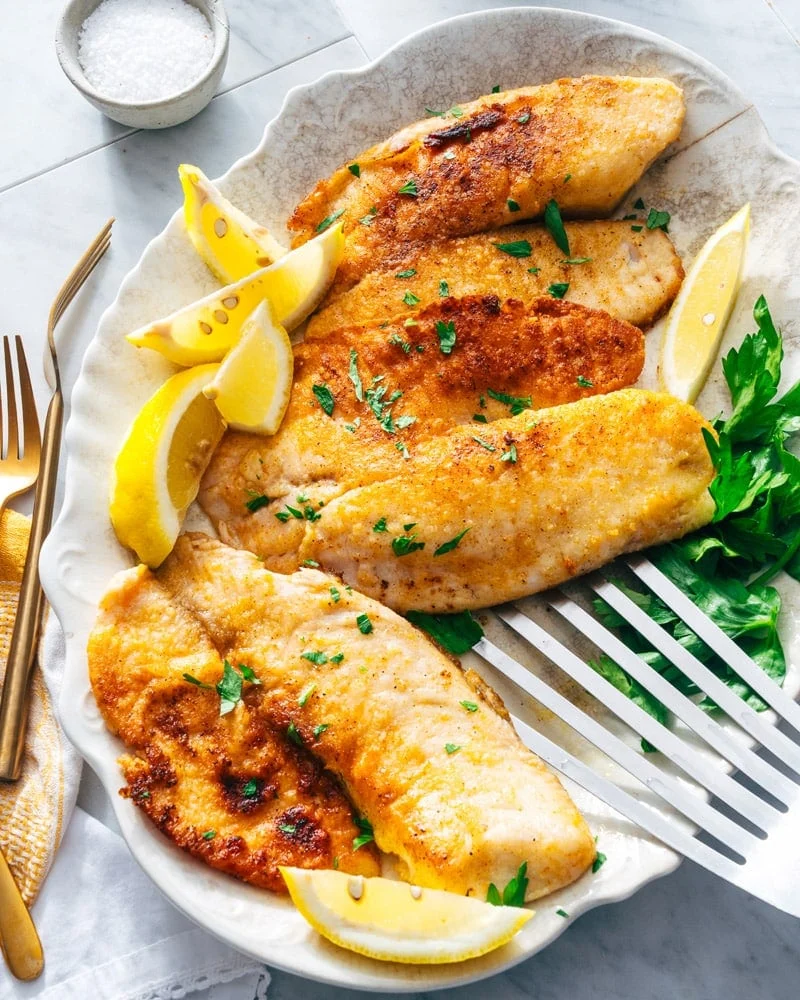

Tilapia often gets a bad rap in the culinary world for being "bland" or "muddy." However, in the hands of a skilled cook, its mild flavor is actually its greatest strength. It serves as a blank canvas, ready to absorb the nuances of a beurre blanc, the heat of a Cajun rub, or the bright acidity of a citrus reduction. Cooking MasterChef-style isn’t about buying the most expensive ingredients like wagyu or truffles; it is about respecting the produce you have and applying perfect technique.
In this guide, we are going to break down how to treat tilapia with the reverence of a fine-dining protein. We will cover sourcing, preparation, three distinct "competition-worthy" recipes, and finally, the art of plating. Put on your apron, sharpen your knives, and let’s get cooking. Your 60 minutes starts now.
The Foundation: Sourcing and Prep
Before you even turn on the stove, the battle is won or lost at the grocery store. One of the main reasons people dislike tilapia is the "muddy" taste that comes from poor-quality farming environments. To achieve a clean, sweet flavor, look for tilapia that is raised in recirculating aquaculture systems or sourced from reputable suppliers who prioritize water quality. If you can find it, Regal Springs tilapia is often cited for its cleaner taste.
When selecting fresh fillets, use your nose. The fish should smell like the ocean or a clean river, never ‘fishy’ or pungent. The flesh should be firm to the touch and bounce back when pressed. If you are using frozen fillets, ensure they are thawed slowly in the refrigerator overnight. Rapid thawing in warm water can damage the cell walls of the fish, leading to a mushy texture that no amount of searing can fix.
Once you have your fillets, preparation is key. In a professional kitchen, moisture is the enemy of the sear. You must pat the fish completely dry with paper towels. If the surface is wet, the fish will steam rather than sear, and you will miss out on that golden-brown Maillard reaction that Gordon Ramsay is always looking for. Season generously with kosher salt and white pepper just moments before cooking to prevent the salt from drawing out moisture too early.
Recipe 1: Pan-Seared Tilapia with Lemon Beurre Blanc and Pea Purée
This dish is a classic test of French culinary technique. It demonstrates that you can handle heat, manage a delicate emulsion sauce, and create a vibrant vegetable purée. It’s elegant, colorful, and undeniably delicious.
The Technique: The Perfect Sear
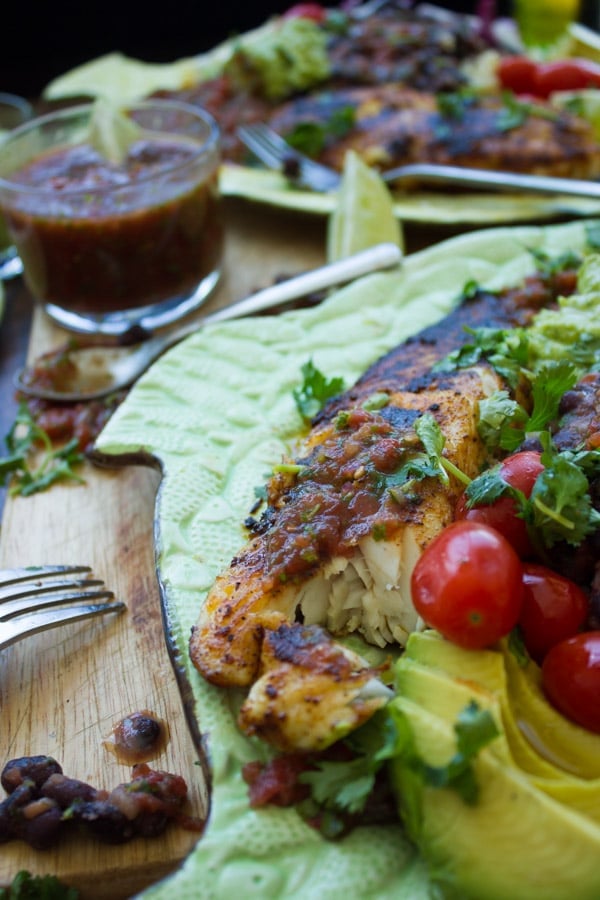
To get that restaurant-quality crust, use a stainless steel or cast-iron skillet. Heat the pan over medium-high heat and add a mixture of high-smoke-point oil (like grapeseed) and a knob of unsalted butter. Wait for the butter to foam and subside. Lay the tilapia in the pan away from you to avoid splashing oil.
Do not touch the fish! This is the hardest part for home cooks. Let it cook undisturbed for about 3-4 minutes. You will see the edges turn opaque and golden. Only then should you flip it. Once flipped, you can perform ‘arroser’—tilting the pan and spooning the hot, nutty butter over the fish to finish cooking it gently.
The Sauce: Lemon Beurre Blanc
While the fish rests, make your sauce. A beurre blanc is a hot emulsified butter sauce. In a small saucepan, simmer 1/4 cup of white wine, 2 tablespoons of lemon juice, and a minced shallot until the liquid is reduced to a syrup (au sec). Turn the heat to the lowest setting and whisk in cold cubes of butter, one at a time. The result should be a thick, glossy, ivory-colored sauce. Strain out the shallots for a velvety finish.
The Element: Minted Pea Purée
Blanch fresh or frozen peas in boiling salted water for 2 minutes, then immediately shock them in an ice bath to lock in the bright green color. Blend the peas with a splash of heavy cream, a touch of mint, salt, and a knob of butter until completely smooth. Pass it through a fine-mesh sieve (a chinois) if you want it truly MasterChef smooth.
Recipe 2: Herb-Crusted Tilapia with Roasted Root Vegetable Medley
Texture is a massive component of judging food. If everything on the plate is soft, it’s boring. This recipe adds a crunchy, aromatic crust to the tender fish, paired with the earthiness of roasted vegetables.
The Crust
Mix 1 cup of Panko breadcrumbs with a handful of finely chopped parsley, dill, and lemon zest. Add two tablespoons of melted butter to the mix so it clumps slightly—this ensures the crust browns evenly. Season the tilapia, brush the top side lightly with Dijon mustard (which acts as the glue), and press the breadcrumb mixture firmly onto the fish.
The Bake
Unlike the sear method, this preparation works best in the oven. Place the crusted fish on a baking sheet and roast at 400°F (200°C) for about 10-12 minutes. The high heat ensures the panko turns golden and crispy before the fish dries out. If the crust isn’t brown enough by the time the fish is cooked, flick on the broiler for 45 seconds—but watch it like a hawk!
The Accompaniment
To elevate roasted vegetables, cut them uniformly. Use a mix of parsnips, carrots, and beets cut into small cubes (brunoise or macédoine style). Roast them with olive oil, thyme, and garlic. The sweetness of the root vegetables balances the savory mustard and herbs on the fish.
Recipe 3: Deconstructed Fish Tacos (Tilapia Ceviche Style) with Avocado Mousse
Sometimes, the best way to cook tilapia is not to cook it with heat at all, but with acid. This demonstrates a grasp of international flavors and delicate handling of ingredients. Note: Ensure you have sushi-grade or extremely high-quality fresh tilapia for this preparation.
The Cure
Cut the tilapia into uniform small cubes. Place them in a glass bowl and cover them completely with fresh lime juice. The acid will denature the proteins, turning the fish opaque and firm, effectively "cooking" it. Let this sit for about 20-30 minutes in the fridge. Drain the juice, leaving the fish moist but not swimming.
The Avocado Mousse
Instead of sliced avocado, make a mousse. Blend two ripe avocados with lime juice, cilantro, and a dollop of sour cream or crème fraîche until whipped and airy. This provides a creamy fat component to cut through the high acidity of the ceviche.
The Art of Plating: Thinking Like a Designer
You have cooked the food perfectly, but in a MasterChef kitchen, we eat with our eyes first. If it looks messy, the judges are already prejudiced against it. Here are three principles to plate your tilapia like a pro.
1. The Swoosh and the Dot
Remember that pea purée or avocado mousse? Don’t just dollop it in the center. Use the back of a spoon to place a dollop and then swiftly drag it across the plate to create a "swoosh" or comma shape. This creates movement and a bed for the fish to rest on. Alternatively, use a squeeze bottle to create precise dots of sauce in descending size order around the rim.
2. Height and Volume
Flat food looks sad. Build your dish upward. Place your bed of vegetables or starch (like a risotto cake or fondant potato) in the center of the swoosh. Lean the tilapia fillet against the starch at an angle. This creates dimension and shows off the golden sear or the herb crust to the diner.
3. Garnish with Purpose
Never put something on the plate that isn’t edible or doesn’t enhance the flavor. Throw away the giant sprig of raw rosemary. Instead, use microgreens (like micro cilantro or bull’s blood) to add a pop of color and a burst of concentrated flavor. Edible flowers can also add a stunning visual element, provided they match the flavor profile.
Common Pitfalls to Avoid
Even the best home cooks stumble on a few common hurdles when dealing with tilapia. Being aware of these will save you from elimination.
Overcooking: Tilapia is a lean fish. It goes from succulent to dry rubber in a matter of seconds. It is better to pull the fish off the heat when it is just slightly translucent in the very center. The residual heat will finish the cooking as you plate up.
Overcrowding the Pan: If you put four fillets in a pan meant for two, the temperature of the pan drops drastically. Instead of searing, the fish releases water and boils in its own juices. Cook in batches if necessary, keeping the first batch warm in a low oven.
Under-seasoning: White fish needs salt. If you think you have salted enough, add a tiny pinch more. Remember to season the components individually—salt the fish, salt the puree, salt the sauce. When combined, they should create a symphony, not a flat note.
Conclusion: Your Signature Dish
Cooking is an expression of love, but cooking MasterChef-style is an expression of passion and precision. By taking a simple ingredient like tilapia and applying these techniques—crispy skin searing, emulsified sauces, textural contrasts, and architectural plating—you elevate the dining experience for your family and friends.
Don’t be afraid to fail. Even the best chefs burn a sauce or overcook a fillet now and then. The secret is to taste, adjust, and keep pushing your boundaries. So go to the market, pick out the freshest tilapia you can find, and treat your kitchen like the MasterChef arena. Make it beautiful, make it delicious, and most importantly, make it yours.