
Whether you are looking for a light summer lunch or a hearty winter stew, squid is incredibly versatile. It absorbs flavors beautifully, acting as a canvas for garlic, lemon, chili, and tomato. In this comprehensive guide, we will walk you through everything you need to know to master easy squid recipes at home, ensuring tender results every single time.
Why You Should Cook Squid at Home
Cooking seafood at home can seem intimidating, but squid offers a high reward for very little effort. First and foremost, it is often much more affordable than other seafood options like shrimp, scallops, or crab. It is also packed with nutritional value, being high in protein, low in fat, and a good source of vitamins B12 and B6, as well as minerals like selenium and copper.
Beyond the health benefits, mastering squid opens up a world of global cuisines. From Italian calamari fritti to spicy Asian stir-fries and Spanish tapas, the culinary possibilities are endless. Plus, cooking it at home allows you to control the batter, the oil quality, and the sodium levels, making it a healthier alternative to deep-fried restaurant versions.
The Golden Rule: Fast or Slow
The Fast Method: High heat for a short time (under 2 to 3 minutes). This includes frying, grilling, or searing. If you cook it quickly, the meat stays tender and crisp.
The Slow Method: Low heat for a long time (at least 30 to 45 minutes). This applies to stews and braises. Long cooking breaks down the collagen in the squid, turning it meltingly tender.
The Danger Zone: Anything between 3 minutes and 30 minutes will result in tough, rubbery meat that is difficult to chew. If you accidentally overcook your sautéed squid, your only option is to add liquid and braise it for another half hour until it tenderizes again.
How to Select and Clean Squid
If you are lucky enough to have a good fishmonger, ask them to clean the squid for you. However, cleaning it yourself is not difficult. When buying fresh squid, look for clear eyes and moist, shiny skin. It should smell like the ocean, not fishy or pungent. If fresh isn’t available, frozen squid tubes and tentacles are a fantastic and convenient alternative.
Recipe 1: Classic Crispy Fried Calamari
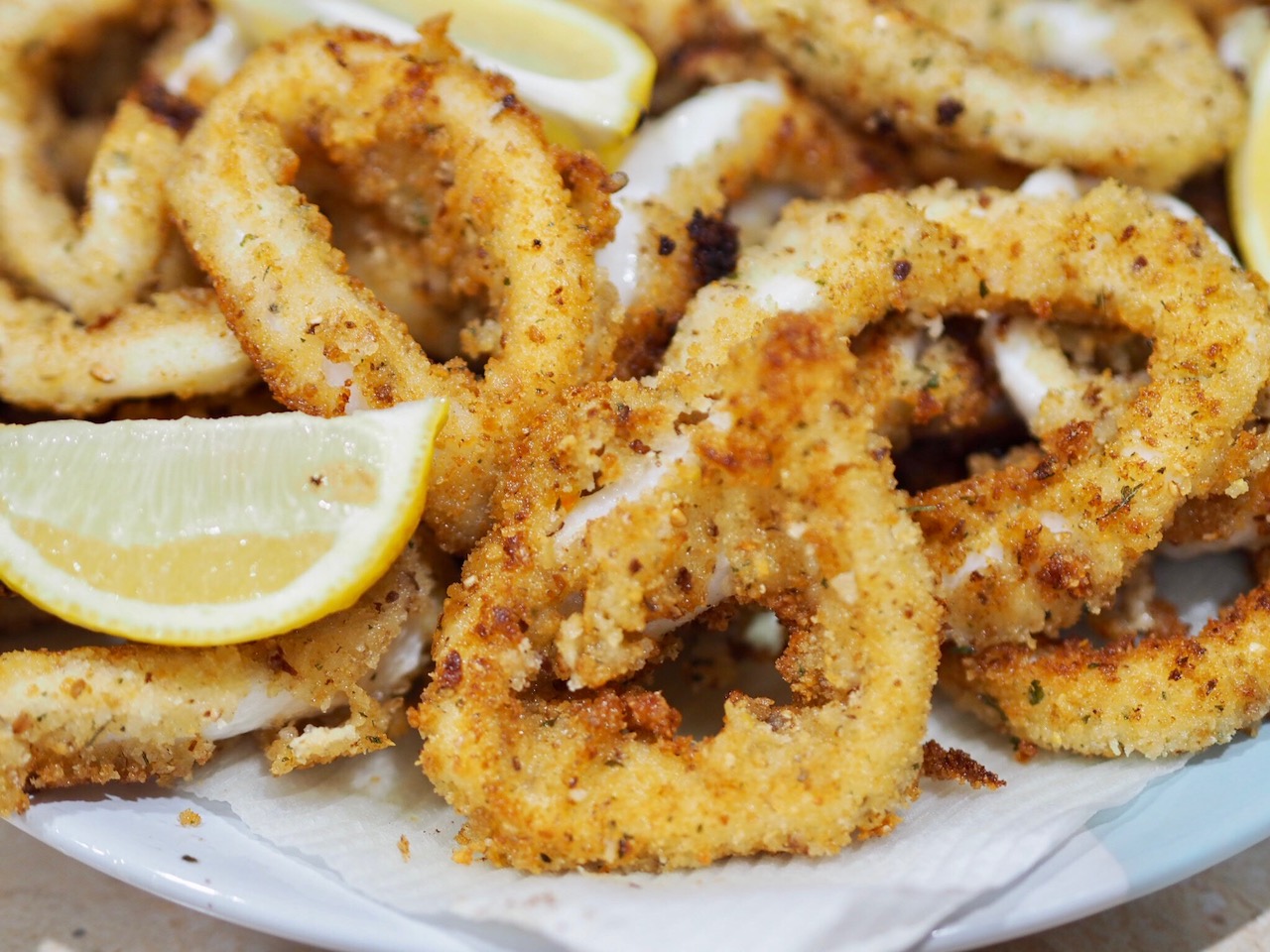
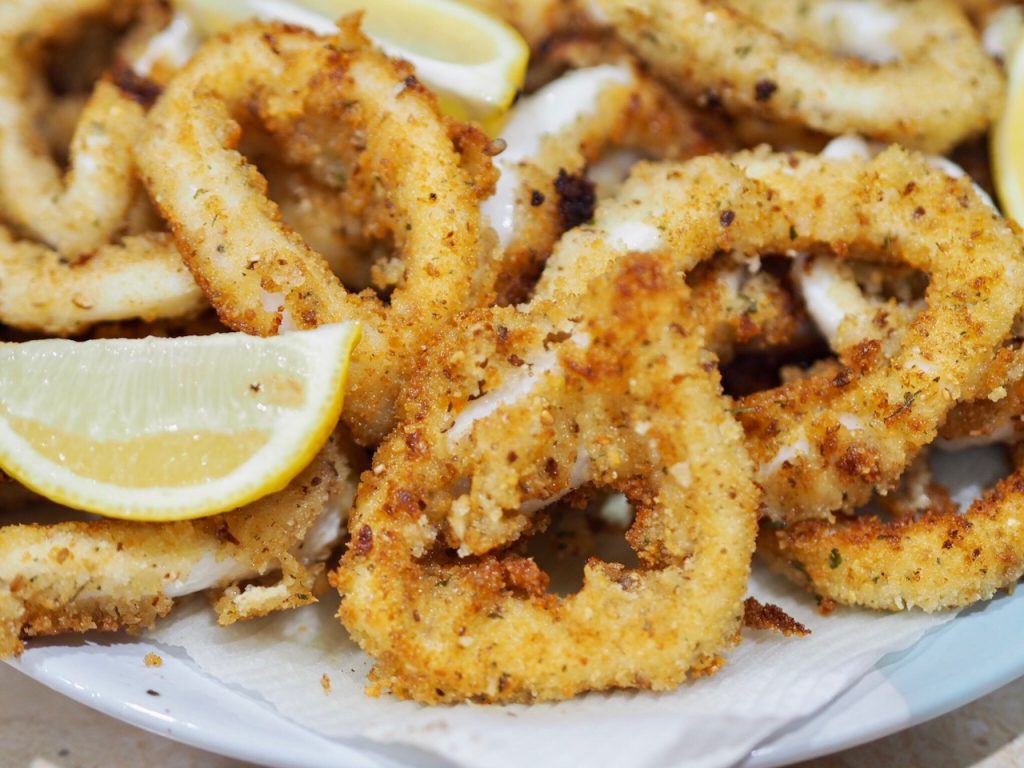
This is the recipe everyone craves. The secret to restaurant-style fried calamari is not just the batter, but ensuring the squid is dry before you coat it.
Ingredients:
1 lb cleaned squid (cut into rings)
1 cup all-purpose flour
1/2 cup cornstarch (for extra crunch)
1 tsp salt
1/2 tsp black pepper
Oil for frying
Lemon wedges for serving
Instructions:
1. Pat the squid rings completely dry with paper towels. This is crucial for the coating to stick.
2. In a bowl, whisk together flour, cornstarch, salt, and pepper.
3. Heat about 2 inches of oil in a heavy pot to 375°F (190°C).
4. Toss the squid in the flour mixture, shaking off excess.
5. Fry in small batches for 2 minutes until golden brown. Do not overcrowd the pan, or the temperature will drop and the squid will become greasy.
6. Drain on a wire rack and serve immediately with lemon wedges and marinara sauce.
Recipe 2: Garlic and Herb Grilled Squid
Grilled squid is a lighter, smokier alternative to frying. It is perfect for summer barbecues or a quick stovetop dinner using a grill pan.
Ingredients:
1 lb squid tubes (left whole) and tentacles
3 tbsp olive oil
2 cloves garlic, minced
1 tbsp fresh parsley, chopped
Zest and juice of 1 lemon
Instructions:
1. Score the squid tubes lightly with a knife in a diamond pattern. Do not cut all the way through. This helps the marinade penetrate and looks beautiful when cooked.
2. Mix olive oil, garlic, parsley, lemon zest, salt, and pepper in a bowl.
3. Toss the squid in the marinade and let sit for 15 minutes (no longer, or the lemon juice will start to ‘cook’ the seafood).
4. Heat a grill or grill pan to high heat.
5. Grill the tubes for about 1-2 minutes per side until charred and curled. Grill tentacles for the same amount of time.
6. Drizzle with fresh lemon juice before serving.
Recipe 3: Slow-Braised Calamari in Tomato Sauce
Utilizing the ‘slow’ method, this dish transforms squid into a rich, tender component of a hearty sauce. This is excellent served over polenta, rice, or crusty bread.
Ingredients:
1.5 lbs squid, cut into thick rings
1 onion, diced
2 cloves garlic, sliced
1 can (28 oz) crushed tomatoes
1/2 cup dry white wine
1/2 tsp red pepper flakes
Fresh basil
Instructions:
1. In a heavy pot or Dutch oven, sauté onion and garlic in olive oil until soft.
2. Add the squid and cook for 2 minutes.
3. Pour in the white wine and let it simmer for a minute to cook off the alcohol.
4. Add the crushed tomatoes and red pepper flakes. Season with salt.
5. Lower the heat to a gentle simmer, cover, and cook for at least 45 minutes to 1 hour. Test a piece; it should be fork-tender.
6. Stir in fresh basil just before serving.
Recipe 4: Salt and Pepper Squid (Asian Style)
A favorite in Cantonese cuisine, this dish relies on the heat of a wok and the numbing spice of Sichuan peppercorns mixed with salt.
Ingredients:
1 lb squid tubes, scored and cut into bite-sized pieces
1/2 cup cornstarch
1 tbsp Sichuan peppercorns, toasted and ground (mixed with 1 tbsp sea salt)
1 red chili, sliced
2 green onions, sliced
Oil for shallow frying
Instructions:
1. Coat the scored squid pieces in cornstarch.
2. Heat oil in a wok or deep pan until shimmering hot.
3. Fry the squid quickly (about 90 seconds) until curled and crispy. Remove and drain.
4. Remove most of the oil from the wok, leaving about 1 tablespoon.
5. Toss in the chili and green onions for 10 seconds.
6. Return the squid to the pan, sprinkle generously with the salt-pepper mix, toss to combine, and serve immediately.
Common Mistakes to Avoid
Overcrowding the Pan: When frying or sautéing, if you put too much squid in the pan at once, it releases water. Instead of searing, the squid boils in its own juices, leading to a rubbery texture and soggy coating.
Not Drying the Squid: Squid holds a lot of water. If you don’t pat it dry thoroughly with paper towels before cooking, it won’t brown properly, and oil may splatter dangerously.
Guessing the Cooking Time: Because the window for the ‘fast method’ is so small, keep a timer handy or watch the texture closely. The moment the transparent flesh turns opaque white, it is done.
Frequently Asked Questions (FAQ)
Q: Can I reheat cooked squid?
A: Reheating can be tricky because it often leads to overcooking. Fried calamari is best eaten fresh. Braised squid reheats well on the stove over low heat. For grilled or sautéed squid, it is often better to eat it cold in a salad the next day rather than reheating it.
Q: Is frozen squid as good as fresh?
A: Modern flash-freezing techniques mean frozen squid is often of very high quality. It is also usually pre-cleaned, which saves time. Just ensure you thaw it slowly in the refrigerator overnight for the best texture.
Q: How do I get rid of the fishy smell on my hands?
A: After cleaning seafood, rub your hands with a slice of lemon or a stainless steel ‘soap’ bar under cold water to neutralize the odor.
Conclusion
Cooking squid at home doesn’t have to be reserved for special occasions or expert chefs. By following the simple rule of cooking it ‘fast or slow’ and ensuring your seafood is properly prepped, you can create restaurant-quality dishes in your own kitchen. Whether you prefer the crunch of fried calamari, the smokiness of the grill, or the comfort of a slow-cooked stew, these easy recipes provide a perfect starting point. So, next time you are at the market, don’t walk past the squid—grab some and get cooking!