
Sea bass is prized for its delicate flavor and flaky white texture. Unlike "fishier" seafood options, sea bass has a mild sweetness that acts as a wonderful canvas for a variety of flavor profiles, from zesty citrus and herbs to bold Asian spices. In this comprehensive guide, we will walk you through everything you need to know to cook sea bass perfectly every time, including buying tips, preparation techniques, and several mouth-watering recipes that require minimal cleanup.
Why Sea Bass is the Perfect Starter Fish
If you are new to cooking fish, sea bass is an excellent place to start. Its meat is firm enough to hold up to various cooking methods—including pan-searing, grilling, and baking—yet tender enough to melt in your mouth when cooked correctly. Furthermore, it is incredibly healthy. It is a lean source of protein, packed with Omega-3 fatty acids, magnesium, and selenium, making it a heart-healthy addition to your diet.
Buying the Best Catch: What to Look For
The secret to a great seafood dish starts at the market. When buying fresh sea bass, freshness is paramount. If you are buying whole fish, look for eyes that are clear and bright, not cloudy or sunken. The gills should be a vibrant red, and the skin should be shiny and moist. If you are purchasing fillets, the flesh should look translucent and firm, not dull or bruised.
Don’t overlook frozen options, either. Modern flash-freezing technology preserves the fish at the peak of freshness. If you buy frozen sea bass, ensure you thaw it safely in the refrigerator overnight rather than using a microwave, which can ruin the delicate texture of the meat.
Preparation 101: The Secret to Crispy Skin
One of the most sought-after qualities of a sea bass dish is that restaurant-style crispy skin. Achieving this at home is easier than you think, but it requires one crucial step: moisture control. Before you even think about heating your pan, you must pat the fish dry. Use paper towels to remove as much moisture as possible from the skin side. If the skin is wet, it will steam rather than sear, resulting in a soggy texture.
Another pro tip is to lightly score the skin. Using a sharp knife, make shallow diagonal cuts across the skin side of the fillet. This prevents the fish from curling up when it hits the hot pan and allows your seasoning to penetrate deeper into the meat. Season generously with salt and pepper right before cooking—salt draws out moisture, so if you salt it too early, the skin might get wet again.
Recipe 1: The Classic Pan-Seared Sea Bass with Lemon Butter
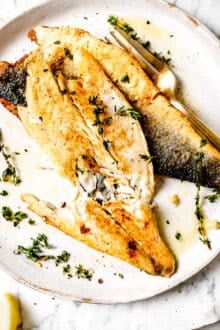
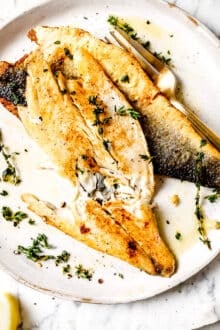
This is the quintessential way to eat sea bass. It is fast, elegant, and highlights the natural flavor of the fish. You only need a handful of ingredients to create a dish that tastes like it came from a 5-star kitchen.
- 2 Sea Bass fillets (skin-on)
- 2 tbsp olive oil
- 3 tbsp unsalted butter
- 1 lemon (juiced)
- 2 cloves garlic (smashed)
- Fresh parsley (chopped)
- Salt and black pepper
Start by heating a non-stick skillet or cast-iron pan over medium-high heat. Add the olive oil and wait until it shimmers. Place the fillets skin-side down into the pan. Press them down gently with a spatula for the first 30 seconds to ensure the skin stays flat against the surface. Then, let go and—this is important—do not move the fish! Let it cook undisturbed for about 3 to 4 minutes until the skin is golden and crispy.
Once the skin is crisp and the flesh has turned opaque about two-thirds of the way up, flip the fillets. Turn the heat down to low. Add the butter, smashed garlic, and lemon juice to the pan. As the butter melts and foams, tilt the pan slightly and use a spoon to baste the fish with the hot, garlicky lemon butter. Cook for another 1 to 2 minutes until the fish is cooked through. Serve immediately, garnished with fresh parsley.
Recipe 2: Oven-Baked Sea Bass ‘En Papillote’ (In Foil)
If you want a healthy dinner with zero cleanup, the ‘En Papillote’ method is your best friend. This French technique involves sealing the fish in a parchment paper or foil packet. The fish steams in its own juices along with vegetables and aromatics, ensuring it remains incredibly moist.
- 2 Sea Bass fillets
- 1 zucchini (thinly sliced)
- 1 cup cherry tomatoes (halved)
- 1/4 cup pitted olives
- Fresh thyme or dill
- Lemon slices
- Olive oil
Preheat your oven to 400°F (200°C). Cut two large squares of aluminum foil or parchment paper. Place a bed of sliced zucchini and cherry tomatoes in the center of each square. Lay the sea bass fillet on top of the vegetables. Drizzle everything generously with olive oil, salt, and pepper. Top the fish with lemon slices, olives, and fresh herbs.
Bring the edges of the foil up and fold them together tightly to create a sealed packet. Ensure there are no gaps for the steam to escape. Place the packets on a baking sheet and bake for 12 to 15 minutes. The beauty of this method is the reveal; place the whole packet on a plate and cut it open at the table to release the aromatic steam.
Recipe 3: Mediterranean One-Pan Roasted Sea Bass
For those who love bold flavors, this Mediterranean-inspired recipe brings the taste of the coast to your kitchen. It pairs the mild fish with the tang of capers and the sweetness of roasted peppers.
Preheat your oven to 400°F (200°C). In a baking dish, toss cherry tomatoes, sliced red bell peppers, minced garlic, capers, and sliced red onion with olive oil. Roast these vegetables alone for about 10 minutes to give them a head start.
Remove the dish from the oven and nestle the sea bass fillets in between the roasting vegetables. Drizzle the fish with a little more oil and a splash of white wine if you have it. Return the dish to the oven and roast for another 10 to 12 minutes. The vegetables will soften into a delicious chunky sauce that perfectly complements the fish.
Recipe 4: Asian-Inspired Ginger and Soy Steamed Bass
Sea bass is incredibly popular in Asian cuisine, particularly when steamed. This method preserves the delicate sweetness of the fish and uses aromatic ginger and scallions to cut through any richness.
You will need a steamer basket or a heat-proof plate that fits inside a wok or large pot. Season the fish with salt and white pepper. Place the fillet on the plate and top it with plenty of julienned ginger and the white parts of scallions. Steam the fish over boiling water for about 8 to 10 minutes, depending on thickness.
While the fish is steaming, mix 2 tablespoons of soy sauce with 1 teaspoon of sesame oil and a pinch of sugar. When the fish is done, carefully remove the plate (it will be hot!) and pour off any cloudy water that accumulated during steaming. Drizzle the soy sauce mixture over the fish. Finally, heat 2 tablespoons of neutral oil (like canola) until it is smoking hot, and pour it carefully over the aromatics on top of the fish. You should hear a satisfying sizzle that releases the flavors of the ginger and scallions.
Expert Tips for Success
One of the most common mistakes home cooks make is overcooking fish. Sea bass is delicate; when overcooked, it becomes dry and rubbery. The fish is done when it turns from translucent to opaque and flakes easily with a fork. If you have a meat thermometer, you are looking for an internal temperature of around 145°F (63°C), though many chefs prefer pulling it out slightly earlier (around 135°F) as the residual heat will continue to cook it.
Don’t be afraid of seasoning. White fish is mild, so it relies on salt to bring out its flavor. If your fish tastes bland, it likely just needs a pinch more salt or a squeeze of acid (lemon or lime) to wake up the palate.
Pairing Your Sea Bass: Sides and Wines
- Roasted Asparagus: The earthiness pairs well with the citrus notes.
- Garlic Mashed Potatoes: A creamy base soaks up the extra lemon butter sauce.
- Wild Rice Pilaf: Adds texture without heaviness.
For the Mediterranean or steamed versions, consider lighter sides like a crisp arugula salad with a vinaigrette dressing, couscous with fresh herbs, or simply some crusty bread to mop up the juices.
When it comes to wine, white is the traditional choice. A crisp Sauvignon Blanc cuts through the richness of the butter sauces, while an un-oaked Chardonnay complements the texture of the fish. If you are cooking the Asian-inspired recipe, a dry Riesling or even a light lager can be a refreshing pairing.
Sustainability: Eating Responsibly
As we enjoy the bounty of the ocean, it is important to consider sustainability. Sea bass populations can be vulnerable to overfishing. When shopping, look for certification labels like the MSC (Marine Stewardship Council) blue tick, which indicates the fishery meets international best practice for sustainable fishing. Choosing sustainably sourced fish ensures that we can continue to enjoy these delicious recipes for generations to come.
Conclusion
Cooking sea bass at home does not have to be a daunting task. With its forgiving texture and ability to pair with a wide range of flavors, it is a fantastic protein to add to your culinary repertoire. Whether you choose the crispy indulgence of a pan-sear, the healthy simplicity of a foil bake, or the aromatic delight of Asian steaming, you are in for a treat.
The next time you are at the fish counter, walk past the salmon and give the sea bass a try. With these easy recipes and tips in your back pocket, you are well on your way to creating restaurant-quality seafood dishes in the comfort of your own kitchen. Bon appétit!