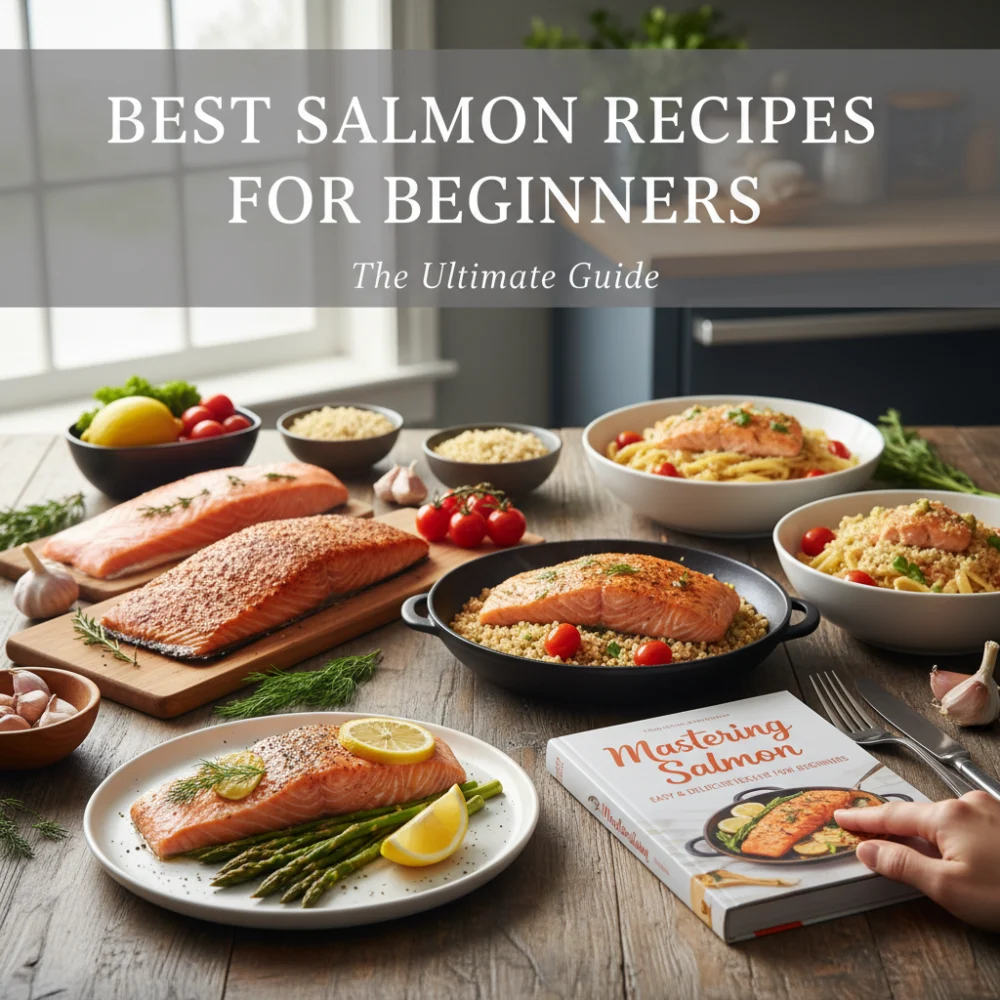

Embarking on your culinary journey with fish can seem daunting, but salmon is an incredibly forgiving and rewarding choice, especially for beginners. Packed with flavor, nutrients, and versatility, salmon is a superstar ingredient that can elevate any weeknight meal or special occasion. If you’ve been hesitant to cook fish at home, this comprehensive guide is designed to demystify salmon preparation and equip you with the confidence to create delicious dishes.
This article will walk you through the very best salmon recipes for beginners, focusing on simple techniques that yield impressive results. We’ll cover everything from choosing the right fillet to mastering basic cooking methods, ensuring that your first foray into cooking salmon is a resounding success.
Why choose salmon? Beyond its rich, buttery taste, salmon is a nutritional powerhouse. It’s an excellent source of omega-3 fatty acids, which are vital for heart health, brain function, and reducing inflammation. It’s also high in protein, vitamins D and B12, and various minerals, making it a fantastic addition to a balanced diet.
Furthermore, salmon cooks relatively quickly and has a distinct flavor that pairs well with a wide array of seasonings and sauces. Its firm texture makes it easier to handle than many other types of fish, reducing the chances of it falling apart during cooking.
Choosing the Right Salmon for Beginner Recipes
Selecting a quality piece of salmon is the first step to a delicious meal. When at the fish counter or grocery store, look for fillets that are bright in color, firm to the touch, and have a fresh, mild scent – not overly fishy. If buying whole, the skin should be shiny and the eyes clear.
You’ll typically find two main types: wild-caught and farmed. Wild-caught salmon (like Sockeye, Coho, or King) often has a deeper color and a more robust flavor. Farmed salmon (most commonly Atlantic salmon) tends to be fattier, with a milder taste and a more consistent texture. Both are excellent choices for beginners.
Don’t shy away from frozen salmon! It’s often flash-frozen at its peak freshness, locking in flavor and nutrients. Just ensure you thaw it properly in the refrigerator overnight or under cold running water before cooking.
Essential Prep for Easy Salmon Dishes
Before cooking, pat your salmon fillets thoroughly dry with paper towels. This is a crucial step that helps the skin crisp up (if you’re keeping it on) and prevents the fish from steaming instead of searing or roasting. Season generously with salt and black pepper – these are your fundamental flavor builders.
Foolproof Cooking Methods for Newbies
These methods are perfect for getting started and form the base of many easy salmon recipes.
- Baking/Roasting Salmon: This is arguably the easiest method. It requires minimal hands-on time and results in flaky, tender fish.
- Pan-Searing Salmon: Creates a beautiful, crispy skin and a moist interior. It’s a bit more involved than baking but still very beginner-friendly.
- Grilling Salmon: While it seems intimidating, grilling salmon can be simple, especially with foil packets or a well-oiled grill.
Recipe 1: Lemon Herb Baked Salmon (The Ultimate Beginner Salmon Recipe)
This baked salmon recipe is incredibly simple yet elegant. It’s a go-to for many because of its ease and delicious results.
- 2 salmon fillets (about 6 oz each), skin on or off
- 1 tbsp olive oil
- 1/2 lemon, thinly sliced
- 1 tbsp fresh dill or parsley, chopped (or 1 tsp dried)
- Salt and black pepper to taste
- Optional: Garlic powder, paprika
- Preheat your oven to 400°F (200°C). Line a baking sheet with parchment paper or foil for easy cleanup.
- Pat the salmon fillets dry with paper towels. Place them skin-side down on the prepared baking sheet.
- Drizzle each fillet with olive oil, then season generously with salt, pepper, and optional garlic powder/paprika.
- Top each fillet with a few lemon slices and a sprinkle of fresh or dried herbs.
- Bake for 12-15 minutes, or until the salmon is opaque and flakes easily with a fork. Cooking time will vary based on thickness.
- Serve immediately with your favorite side dishes.
Recipe 2: Garlic Butter Pan-Seared Salmon (Crispy Skin Perfection)
Pan-searing delivers a wonderfully crispy skin and a perfectly cooked, moist interior. It’s faster than baking and impressive.
- 2 salmon fillets (about 6 oz each), skin on
- 1 tbsp olive oil
- 1 tbsp butter
- 2 cloves garlic, minced
- 1 tbsp fresh parsley, chopped
- Salt and black pepper to taste
- Lemon wedges for serving
- Pat the salmon fillets very dry with paper towels. Season both sides with salt and pepper.
- Heat olive oil in a non-stick or cast-iron skillet over medium-high heat until shimmering.
- Carefully place salmon fillets skin-side down in the hot skillet. Press down gently with a spatula for 30 seconds to ensure even contact with the pan.
- Cook for 4-6 minutes on the skin side, undisturbed, until the skin is crispy and golden brown, and the fish is cooked about two-thirds of the way up the side.
- Flip the salmon. Add butter and minced garlic to the pan. Cook for another 2-4 minutes, basting the fish with the melted garlic butter, until cooked through.
- Remove from heat, sprinkle with fresh parsley, and serve immediately with lemon wedges.
Recipe 3: Quick & Easy Teriyaki Glazed Salmon
A simple teriyaki glaze adds a fantastic sweet and savory dimension to salmon, making it incredibly appealing.
- 2 salmon fillets (about 6 oz each), skin on or off
- 1/4 cup store-bought teriyaki sauce (choose a low-sodium option if preferred)
- 1 tsp sesame seeds (optional, for garnish)
- Green onions, sliced (optional, for garnish)
- 1 tbsp olive oil
- Pat salmon fillets dry. Season lightly with salt and pepper.
- Heat olive oil in a non-stick skillet over medium heat.
- Place salmon fillets skin-side down (if applicable) and cook for 4-5 minutes until skin is crispy.
- Flip the salmon. Pour teriyaki sauce over the fillets. Reduce heat to low-medium.
- Simmer for another 3-5 minutes, spooning the sauce over the salmon frequently, until the salmon is cooked through and the sauce has thickened slightly.
- Garnish with sesame seeds and sliced green onions if desired.
Tips for Perfect Salmon Every Time
- Don’t Overcook: This is the most common mistake. Salmon is done when it reaches an internal temperature of 145°F (63°C) and flakes easily with a fork. It will continue to cook slightly after removal from heat.
- Dry is Key: Always pat your salmon dry before seasoning and cooking. Moisture creates steam, preventing browning and crispiness.
- Skin On or Off? Skin-on salmon is easier to handle, helps protect the flesh from overcooking, and can be deliciously crispy. If you prefer skinless, that’s fine too.
- Season Generously: Salmon loves flavor. Don’t be shy with salt, pepper, and your chosen herbs or spices.
- Rest Your Fish: Just like meat, letting salmon rest for 5 minutes after cooking helps the juices redistribute, resulting in a more tender and moist fillet.
Common Mistakes and How to Avoid Them
- Cooking Cold Salmon: Always bring your salmon to room temperature for about 15-20 minutes before cooking. This promotes more even cooking.
- Low Heat for Searing: If your pan isn’t hot enough for searing, the salmon won’t develop that beautiful crust and might stick.
- Moving Too Soon: When pan-searing, resist the urge to move the salmon before it naturally releases from the pan. This usually happens when the crust has formed.
- Crowding the Pan: If cooking multiple fillets, ensure there’s enough space between them. Crowding lowers the pan temperature and leads to steaming instead of searing. Cook in batches if necessary.
Pairing Your Easy Salmon Dishes
- Roasted asparagus or broccoli
- Steamed green beans
- Quinoa or brown rice
- A simple green salad with a vinaigrette
- Garlic mashed potatoes
- Couscous with fresh herbs
Frequently Asked Questions About Cooking Salmon
Q: How do I know when my salmon is cooked through?
A: The easiest way is to use an instant-read thermometer; it should read 145°F (63°C) at the thickest part. Visually, the flesh will turn from translucent to opaque and flake easily when gently pressed with a fork. It should still be moist, not dry.
Q: Can I use frozen salmon for these recipes?
A: Absolutely! Just make sure to thaw it completely before cooking. The best way is to transfer it from the freezer to the refrigerator overnight. For quicker thawing, place the sealed package under cold running water for about 30-60 minutes.
Q: Should I remove the skin before cooking?
A: It’s a matter of preference. Cooking with the skin on can help keep the fish moist and prevent it from sticking to the pan. If cooked properly, the skin becomes deliciously crispy and edible. If you don’t like it, it’s very easy to remove after cooking.
Q: What are good seasonings for salmon besides salt and pepper?
A: Lemon, garlic, dill, parsley, thyme, paprika, onion powder, a touch of cayenne, or even a pre-made fish seasoning blend all work wonderfully. Don’t be afraid to experiment!
Cooking salmon doesn’t have to be a culinary challenge. With these straightforward recipes and practical tips, you’re well on your way to preparing healthy, flavorful salmon dishes that will impress both yourself and your guests. Start with the basics, build your confidence, and soon you’ll be experimenting with even more complex flavors and techniques. Enjoy the journey of discovering your new favorite salmon meal!
Remember, practice makes perfect. Don’t be afraid to try these easy salmon recipes and adjust them to your taste. Happy cooking!