
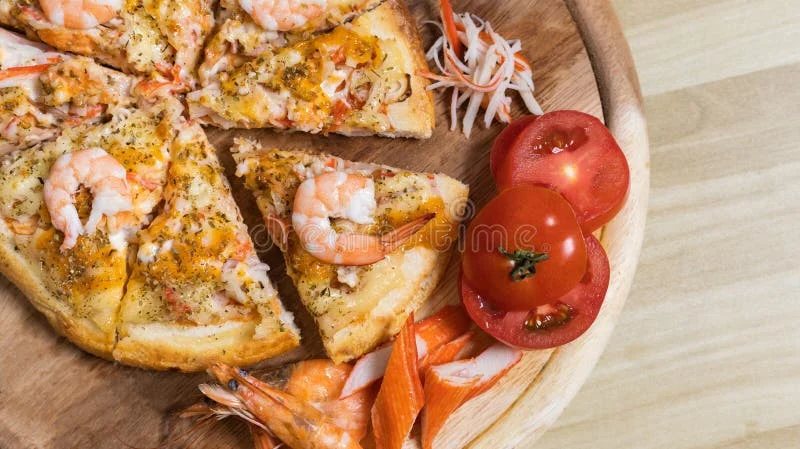

The foundation of any great pizza is its crust. For a seafood pizza, a slightly sturdier crust can be beneficial to support the weight and moisture of the toppings. We’ll explore a simple yet effective homemade pizza dough recipe that yields a delightfully chewy and slightly crispy base. This recipe is designed for ease of preparation, making it accessible even for novice bakers.
To begin with the dough, you’ll need warm water (around 105-115°F or 40-46°C), active dry yeast, a pinch of sugar, all-purpose flour, salt, and olive oil. The sugar acts as food for the yeast, helping it to activate and create that signature airy texture in the crust.
Combine the warm water and sugar in a small bowl. Sprinkle the yeast over the top and let it sit for about 5-10 minutes until it becomes foamy. This indicates the yeast is alive and ready to work its magic.
In a large mixing bowl, combine the flour and salt. Make a well in the center and pour in the activated yeast mixture and the olive oil. Gradually mix the ingredients together until a shaggy dough forms.
Turn the dough out onto a lightly floured surface and knead for about 8-10 minutes. The goal is to develop the gluten, which gives the dough its structure and elasticity. The dough should become smooth and elastic, springing back when gently poked.
Lightly oil the mixing bowl and place the kneaded dough inside, turning it to coat. Cover the bowl with plastic wrap or a clean kitchen towel and let it rise in a warm place for about 1-1.5 hours, or until it has doubled in size.
While the dough is rising, it’s time to prepare your abundant seafood toppings. The beauty of homemade pizza is the freedom to choose your favorites. A classic and popular choice is a medley of shrimp, calamari, and mussels. Ensure all seafood is fresh and properly cleaned.
For the shrimp, peel and devein them. Small to medium-sized shrimp work best for pizza as they cook quickly and evenly. For calamari, clean them thoroughly and slice them into rings. Mussels should be scrubbed clean, and any that are open and don’t close when tapped should be discarded.
Beyond the core seafood, consider adding other complementary ingredients. Thinly sliced red onions, bell peppers (in various colors for visual appeal), and a sprinkle of fresh garlic can elevate the flavor profile significantly.
Don’t forget the cheese! A blend of mozzarella for its meltability and a sharper cheese like provolone or a touch of Parmesan can add depth. Some people also enjoy a dollop of ricotta for creaminess.
The sauce is another crucial element. While a traditional tomato-based sauce is always a good option, for seafood pizza, a white sauce (like an Alfredo or a garlic-butter sauce) can be exquisite. It complements the delicate flavors of the seafood without overpowering them.
Let’s prepare a simple garlic-butter white sauce. Melt butter in a saucepan, sauté minced garlic until fragrant, then whisk in a bit of flour to create a roux. Gradually whisk in milk or cream until thickened. Season with salt, pepper, and a pinch of nutmeg for an extra layer of sophistication.
Once the dough has doubled, punch it down gently to release the air. Turn it out onto a lightly floured surface and shape it into your desired pizza size and thickness. You can opt for a thin and crispy crust or a slightly thicker, chewier one.
Transfer the shaped dough to a pizza peel dusted with cornmeal or onto a baking sheet lined with parchment paper. This step is crucial for easy transfer to a hot oven.
Now comes the layering. Spread your chosen sauce evenly over the dough, leaving a small border for the crust. If using a tomato sauce, a light application is often best to avoid a soggy pizza.
Generously sprinkle your base cheese over the sauce. This creates a barrier that helps prevent the crust from becoming too wet from the toppings.
Arrange your prepared seafood and vegetables artfully over the cheese. Aim for an even distribution so every slice gets a taste of everything. Don’t be afraid to pile it high – this is where the ‘abundant topping’ aspect truly shines.
Add a final layer of cheese over the seafood and vegetables. This helps to hold everything in place and ensures a beautiful, golden-brown finish.
Preheat your oven to its highest setting, typically between 450-500°F (230-260°C). A hot oven is key to achieving a perfectly cooked pizza with a crispy crust and well-cooked toppings.
If using a pizza stone or steel, ensure it preheats in the oven for at least 30-60 minutes to achieve maximum heat. This will help create a wonderfully crisp bottom crust.
Carefully slide the pizza onto the preheated pizza stone or place the baking sheet directly into the oven. Bake for 10-15 minutes, or until the crust is golden brown and the cheese is melted and bubbly. Keep a close eye on it, as cooking times can vary.
Once out of the oven, let the pizza rest for a minute or two before slicing. This allows the cheese to set slightly, preventing the toppings from sliding off.
For an extra burst of freshness, consider garnishing your finished pizza with fresh herbs like parsley, basil, or a squeeze of lemon juice. A drizzle of good quality olive oil can also enhance the flavors.
The combination of tender shrimp, succulent calamari, and briny mussels, nestled on a creamy garlic sauce with melted cheese and a crisp crust, creates a symphony of flavors and textures that is simply divine.
Experiment with different seafood combinations. Perhaps some crab meat, scallops, or even anchovies for a bolder flavor profile. The possibilities are truly endless when you’re in control.
Consider adding a touch of spice with a sprinkle of red pepper flakes before baking, or offering them on the side for those who like a little heat.
For those who prefer a lighter option, a thin crust and a focus on fresh, delicate seafood like scallops and prawns can be equally delicious.
The key to an abundant topping pizza is balance. While you want plenty of ingredients, ensure they are prepared correctly and not overcrowding the pizza to the point of becoming soggy.
Properly preheating your oven and using a hot baking surface are critical for achieving that desirable crispy crust, especially with wetter toppings like seafood.
Don’t be afraid to get creative with your sauce. A pesto base, a spicy arrabbiata, or even a light béchamel can offer unique flavor profiles that complement seafood beautifully.
When selecting your seafood, prioritize quality. Freshness will make a significant difference in the final taste of your pizza.
If using frozen seafood, ensure it is thawed completely and patted dry to remove excess moisture before adding it to the pizza.
Making homemade pizza is not just about the food; it’s about the experience. It’s a chance to engage with your kitchen, experiment with flavors, and create something truly special for yourself and your loved ones.
Enjoy the process, savor the aromas, and most importantly, relish every delicious bite of your homemade abundant seafood pizza!