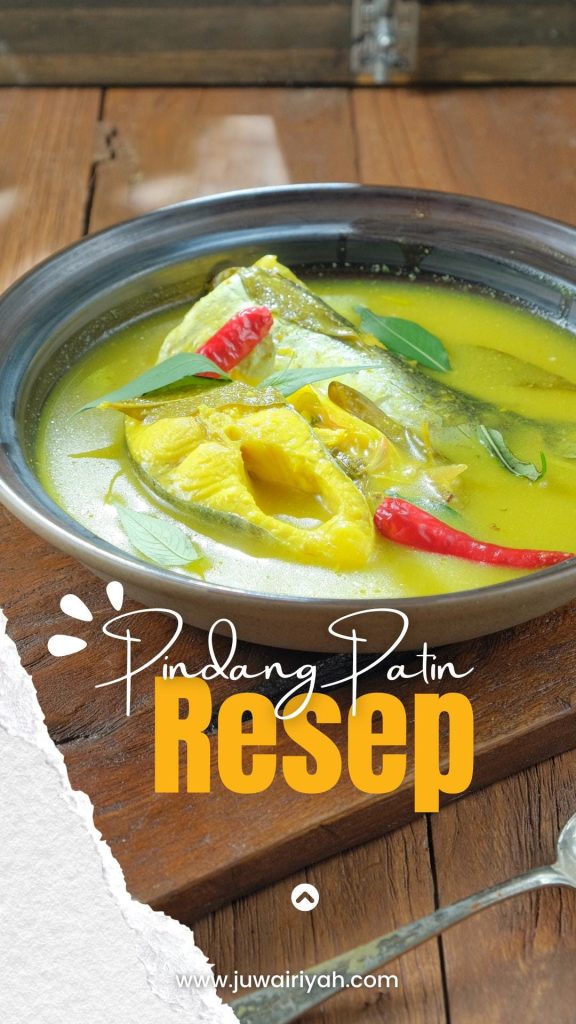

The beauty of Pindang Patin lies not only in its taste but also in its simplicity. While the flavor profile is complex and layered, the preparation is relatively straightforward, making it an accessible dish for both novice and experienced cooks. The combination of fresh ingredients, including turmeric, galangal, lemongrass, and chilies, creates a symphony of flavors that is both comforting and invigorating. The tender patin fish, absorbing the essence of the broth, becomes the star of the show.
This guide will delve into every aspect of making Pindang Patin, from selecting the right ingredients to mastering the cooking techniques. We’ll explore the history of the dish, the variations that exist across different regions of Indonesia, and provide tips for achieving the perfect balance of flavors. Get ready to embark on a culinary journey that will bring the authentic taste of Indonesia to your kitchen.
Before we dive into the recipe, let’s understand what makes Pindang Patin so special. The key to its unique flavor lies in the use of specific spices and ingredients. The yellow color of the broth comes primarily from turmeric, which also provides a subtle earthy flavor and boasts numerous health benefits. Galangal, a close relative of ginger, adds a distinct citrusy and slightly peppery note. Lemongrass contributes a refreshing aroma and a hint of lemon flavor. These ingredients, combined with chilies, shallots, garlic, and other aromatics, create a complex and balanced flavor profile that is both savory and slightly spicy.
The patin fish itself is a crucial element. Its mild flavor and tender texture make it ideal for absorbing the flavors of the broth. When selecting patin fish, look for fresh fillets or steaks with a firm texture and a clean, fresh smell. Avoid fish that appears dull or has a strong fishy odor. If fresh patin is unavailable, you can substitute with other white fish like cod or catfish, but the taste might differ slightly.
Now, let’s get to the heart of the matter: the recipe. Here’s a detailed guide to making Pindang Patin, complete with step-by-step instructions and helpful tips.
Ingredients:
-
1 kg patin fish fillets or steaks, cut into 2-inch pieces
-
2 tablespoons cooking oil
-
8 shallots, thinly sliced
-
4 cloves garlic, minced
-
2-3 red chilies, sliced (adjust to your spice preference)
-
2-3 cm galangal, thinly sliced
-
2 stalks lemongrass, bruised
-
2-3 cm ginger, peeled and sliced
-
2-3 cm turmeric, peeled and sliced or 1 teaspoon turmeric powder
-
5-6 kaffir lime leaves
-
2 tomatoes, quartered
-
1 green bell pepper, sliced
-
1 liter water or fish stock (for richer flavor)
-
Salt to taste
-
Sugar to taste (optional)
-
Lime juice to taste (optional)
-
Fresh cilantro, chopped (for garnish)
-
Fried shallots (for garnish)
The ingredient list may seem extensive, but don’t be intimidated! Most of these items are readily available at Asian grocery stores or well-stocked supermarkets. Feel free to adjust the chili quantity based on your spice tolerance. For a milder version, remove the seeds from the chilies.
Instructions:
-
Prepare the Aromatics: In a large pot or Dutch oven, heat the cooking oil over medium heat. Add the sliced shallots and sauté until golden brown and fragrant. Then, add the minced garlic and sliced chilies, and sauté for another minute until fragrant.
-
Add the Spices: Add the sliced galangal, lemongrass, ginger, turmeric (fresh or powder), and kaffir lime leaves to the pot. Sauté for about 2-3 minutes, stirring constantly, until the spices release their aroma.
-
Add the Tomatoes and Peppers: Add the quartered tomatoes and sliced bell pepper to the pot. Stir gently and cook for about 2 minutes, allowing the tomatoes to soften slightly.
-
Add the Water/Stock: Pour in the water or fish stock. Bring the mixture to a boil. Once boiling, reduce the heat to a simmer.
-
Add the Fish: Gently add the patin fish pieces to the simmering broth. Be careful not to overcrowd the pot. If necessary, cook the fish in batches.
-
Simmer and Season: Simmer the fish in the broth for about 10-15 minutes, or until the fish is cooked through and flakes easily with a fork. Season with salt and sugar to taste. If desired, add a squeeze of lime juice for extra tang.
-
Serve: Garnish the Pindang Patin with fresh cilantro and fried shallots. Serve hot with steamed rice.
The cooking process is designed to be straightforward. The key is to allow the flavors to meld together during the simmering stage. The longer the broth simmers, the more flavorful it will become. However, be careful not to overcook the fish, as it can become dry and tough.
Tips for Success:
-
Fresh Ingredients: Use the freshest ingredients possible, especially the fish and spices. The quality of the ingredients directly impacts the final flavor.
-
Don’t Overcrowd the Pot: When adding the fish, avoid overcrowding the pot. This can lower the temperature of the broth and prevent the fish from cooking evenly. Cook in batches if necessary.
-
Adjust Seasoning: Taste the broth frequently and adjust the seasoning to your liking. The amount of salt, sugar, and lime juice you add will depend on your personal preference.
-
Simmer, Don’t Boil: Maintain a gentle simmer throughout the cooking process. Boiling can cause the fish to break apart.
-
Rest Before Serving (Optional): For a deeper flavor, let the Pindang Patin rest for about 30 minutes before serving. This allows the flavors to meld even further.
-
Use Good Quality Fish Stock: If you have access to good quality fish stock, use it instead of water. This will significantly enhance the flavor of the broth.
-
Control the Heat: Be mindful of the heat level when adding chilies. Start with fewer chilies and add more to taste.
Variations:
-
Pindang Patin with Vegetables: Add other vegetables like long beans, eggplant, or mustard greens to the stew for added nutrients and flavor.
-
Pindang Patin with Pineapple: Some recipes include pineapple for a touch of sweetness and acidity.
-
Pindang Patin with Coconut Milk: For a richer and creamier broth, add coconut milk towards the end of the cooking process. Be careful not to boil the coconut milk, as it can curdle.
-
Regional Variations: Different regions of Indonesia have their own unique versions of Pindang Patin, often incorporating local ingredients and spices. Experiment with different recipes to discover your favorite.
-
Spicy Pindang Patin: Increase the amount of chilies or add bird’s eye chilies (cabe rawit) for a fiery kick.
These variations offer a glimpse into the versatility of Pindang Patin. Feel free to experiment with different ingredients and spices to create your own signature dish.
Serving Suggestions:
-
Side Dishes: Serve with other Indonesian side dishes like tempeh goreng (fried tempeh), tahu goreng (fried tofu), or sambal (chili paste).
-
Acar: Acar, a pickled vegetable salad, provides a refreshing counterpoint to the rich flavors of the stew.
-
Crackers: Crispy crackers, such as prawn crackers (kerupuk udang), add a delightful crunch and texture.
-
Drinks: Pair Pindang Patin with a refreshing drink like iced tea, fresh fruit juice, or a cold beer.
The possibilities for serving Pindang Patin are endless. Feel free to customize your meal to suit your preferences and the occasion.
Health Benefits:
Pindang Patin is not only delicious but also offers several health benefits. The patin fish is a good source of protein and omega-3 fatty acids, which are beneficial for heart health and brain function. The spices used in the dish, such as turmeric and ginger, have anti-inflammatory and antioxidant properties. The vegetables added to some variations contribute vitamins and minerals. Enjoying Pindang Patin can be a flavorful way to incorporate healthy ingredients into your diet.
Troubleshooting:
-
Bland Broth: If the broth tastes bland, add more salt, sugar, or lime juice. You can also add more spices, such as galangal, lemongrass, or turmeric.
-
Tough Fish: If the fish is tough, it may have been overcooked. Reduce the cooking time next time. Also, ensure you’re using fresh fish.
-
Overly Spicy: If the dish is too spicy, add more water or fish stock to dilute the broth. You can also add a squeeze of lime juice or a spoonful of sugar to balance the heat.
-
Lack of Aroma: If the dish lacks aroma, ensure you’ve sautéed the aromatics (shallots, garlic, chilies) and spices (galangal, lemongrass, ginger, turmeric) properly. Also, use fresh ingredients.
These troubleshooting tips can help you overcome any challenges and ensure a successful cooking experience.
Conclusion:
Pindang Patin is a culinary masterpiece that embodies the rich and diverse flavors of Indonesia. This comprehensive guide has provided you with everything you need to create your own authentic Pindang Patin. From selecting the right ingredients to mastering the cooking techniques, you are now equipped to embark on a culinary adventure that will delight your taste buds and transport you to the heart of Indonesian cuisine. So, gather your ingredients, follow the instructions, and enjoy the process of creating this flavorful and satisfying dish. Selamat makan! (Enjoy your meal!)
Making Pindang Patin is more than just following a recipe; it’s about embracing the culture and traditions that make Indonesian cuisine so special. It’s about savoring the aromas, the flavors, and the experience of creating something truly delicious from scratch. So, go ahead, get cooking, and enjoy the wonderful world of Pindang Patin!
Remember to experiment with different variations, adjust the seasoning to your liking, and most importantly, have fun in the kitchen. The journey of creating this dish is as rewarding as the final product. Happy cooking!
As you become more familiar with the recipe, feel free to adapt it to your preferences. Perhaps you enjoy a spicier version, or you might prefer to add more vegetables. The beauty of cooking is that it allows for creativity and personalization. So, don’t be afraid to experiment and make Pindang Patin your own.
The next time you’re looking for a flavorful and satisfying meal, consider Pindang Patin. It’s a dish that’s sure to impress your family and friends. Share your culinary creations with others and spread the joy of Indonesian cuisine. Happy cooking, and enjoy the deliciousness of Pindang Patin!
Embrace the warmth of Indonesian hospitality by sharing this dish with loved ones. It’s a perfect meal for gatherings, celebrations, or simply a comforting weeknight dinner. The process of preparing and sharing Pindang Patin is a testament to the importance of food in Indonesian culture. It’s a dish that brings people together and creates lasting memories.
With this guide, you have the knowledge and tools to create an authentic Pindang Patin experience. From the careful selection of ingredients to the final presentation, you are now a Pindang Patin master. Enjoy the process, savor the flavors, and share the deliciousness with the world!
Whether you are a seasoned chef or a beginner in the kitchen, this recipe is designed to be accessible and enjoyable. Don’t be intimidated by the list of ingredients or the steps involved. The result is a truly rewarding culinary experience. So, put on your apron, gather your ingredients, and get ready to create a dish that will transport you to the vibrant and flavorful world of Indonesian cuisine.
Finally, remember that cooking should be a joyful experience. Relax, enjoy the process, and don’t be afraid to make mistakes. Each attempt is a learning opportunity, and with each dish, you’ll become more confident and skilled. Happy cooking, and may your Pindang Patin be a resounding success!
Selamat mencoba! (Happy cooking!)