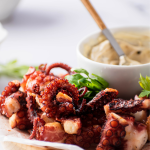
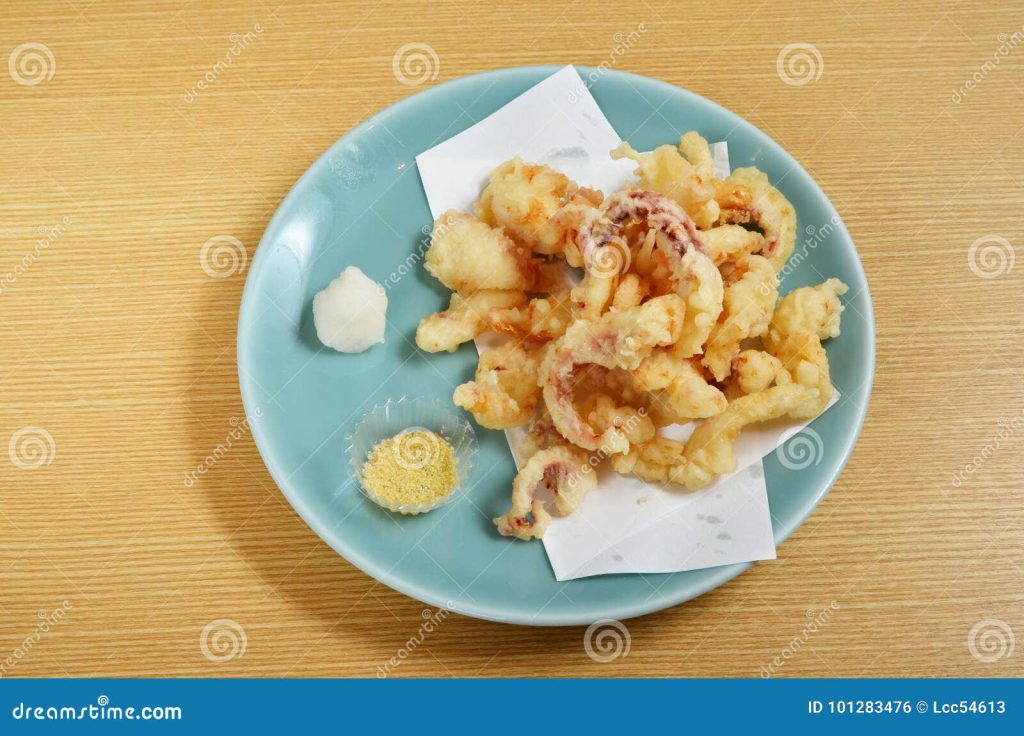

The allure of Ika Fry lies in its masterful play on textures. When executed correctly, the exterior offers a resounding crunch that only panko can provide, while the interior remains succulent, sweet, and surprisingly tender. It is a dish that serves equally well as a main course in a Teishoku (set meal), a side dish in a bento box, or a savory snack alongside a cold beer in an Izakaya. Mastering this recipe at home requires attention to detail, particularly regarding the preparation of the squid to ensure it does not become rubbery.
To begin your journey toward the perfect Ika Fry, one must first understand the primary ingredient: the squid. In Japan, ‘Ika’ simply means squid. While there are many varieties, the Surume Ika (Japanese Flying Squid) or Yari Ika (Spear Squid) are commonly used. For home cooks globally, fresh or frozen tubes of calamari are accessible alternatives. The key is freshness; the squid should smell like the ocean, not fishy, and the flesh should be translucent and firm.
One of the most critical steps in preparing Ika Fry is cleaning and skinning the squid. While the purple-hued skin is edible, leaving it on can cause the squid to shrink unevenly and become tough during the frying process. Furthermore, the skin prevents the breading from adhering properly to the meat. To remove it, simply grasp the skin firmly with a paper towel and peel it back; it should come off in large sheets. If you are using whole squid, ensure you remove the quill (the plastic-like cartilage) and the innards thoroughly.
The Secret to Tenderness: Squid has a reputation for becoming rubbery if overcooked or prepared poorly. To combat this, many chefs utilize a technique called scoring. By making shallow, diagonal cuts in a crosshatch pattern on the surface of the squid (without cutting all the way through), you physically break down some of the tough muscle fibers. This not only tenderizes the meat but also prevents the squid from curling up into tight, unmanageable shapes when it hits the hot oil.
Another method to ensure tenderness, especially if you are working with larger, thicker squid steaks, is a milk soak. Soaking the cleaned squid rings or strips in milk for about 30 minutes prior to breading can help neutralize odors and soften the fibers due to the lactic acid. While not strictly traditional, it is a helpful trick for ensuring a melt-in-your-mouth texture that rivals high-end restaurants.
Once the squid is prepped and cut into your desired shapes—rings are classic, but rectangular strips are easier to flip and eat—it is time to focus on the breading station. The standard coating for Ika Fry is the classic three-step process: flour, egg wash, and panko. Do not substitute panko for regular breadcrumbs; panko flakes are larger, airier, and absorb less oil, resulting in a lighter and crispier crust.
The Breading Process: Start by seasoning your squid. A simple mix of salt and white pepper is traditional, though a touch of garlic powder or paprika can add a pleasant depth. Pat the squid dry before seasoning; moisture is the enemy of adhesion. If the squid is wet, the flour will clump, and the breading will eventually slide off during frying.
Dredge the seasoned squid in plain flour, shaking off the excess vigorously. You want a thin veil of flour, not a thick cake. Next, dip it into beaten eggs. Ensure the egg covers every crevice of the squid. Finally, press it firmly into a bed of panko breadcrumbs. The word ‘press’ is vital here; apply gentle pressure to ensure the crumbs stick and form a solid armor around the seafood.
Oil Temperature and Frying: The choice of oil impacts the flavor and health profile of the dish. A neutral oil with a high smoke point, such as canola, vegetable, or grapeseed oil, is ideal. The target temperature for frying Ika Fry is between 170°C and 180°C (340°F – 355°F). If the oil is too cool, the panko will absorb grease and become soggy. If it is too hot, the crumbs will burn before the squid is cooked through.
When frying, do not overcrowd the pot. Adding too many pieces at once drops the oil temperature rapidly, leading to greasy food. Fry in batches, allowing the squid to swim freely in the oil. Since squid cooks very quickly, the frying time is short—usually 2 to 3 minutes is sufficient. You are looking for a deep golden-brown color on the panko. Once achieved, the residual heat will finish cooking the squid as it rests.
Resting and Draining: Never place freshly fried foods directly onto a flat plate or a pile of paper towels. Doing so traps steam underneath the food, turning that beautiful crispy crust into a soggy mess within seconds. Instead, place the fried squid on a wire rack set over a baking sheet. This allows air to circulate around the entire piece, preserving the crunch.
Now, let us organize the ingredients required for a standard family serving. You will need: 500g of fresh squid (cleaned and skinned), salt and white pepper to taste, 1 cup of all-purpose flour, 2 large eggs (beaten), 2 cups of Panko breadcrumbs, and oil for deep frying. For serving, lemon wedges are non-negotiable, and shredded cabbage provides a refreshing palate cleanser.
While the squid is the star, the sauce plays a crucial supporting role. In Japan, Ika Fry is most commonly served with either a thick, savory Tonkatsu sauce (a fruit and vegetable-based Worcestershire-style sauce) or a rich Tartar sauce. A homemade Tartar sauce made with Japanese mayonnaise (Kewpie), boiled eggs, chopped onions, pickles, and a dash of lemon juice elevates the dish significantly.
For those who prefer a spicy kick, a variation of the dipping sauce can be made by mixing mayonnaise with Sriracha or Shichimi Togarashi (Japanese seven-spice blend). The creaminess of the mayo cuts through the grease of the fry, while the spice complements the sweetness of the squid. Soy sauce is generally not used for Ika Fry, as it can make the breading soggy and is too salty for the delicate flavor profile.
Serving Suggestions: To serve Ika Fry like a pro, create a mound of finely shredded raw cabbage on the side of the plate. The cabbage is often dressed with a sesame dressing or simply eaten with the same sauce used for the squid. Serve with a bowl of steamed white rice and Miso soup to create a complete nutritious meal. The contrast between the hot, crunchy squid and the cool, crisp cabbage is a hallmark of Japanese home cooking.
Troubleshooting Common Issues: If you find that your breading is falling off the squid after frying, it is usually due to one of two reasons. First, the squid might have been too wet before flouring. Second, the oil might have been not hot enough when the squid was added. The initial shock of hot oil helps ‘set’ the crust immediately.
If your squid tastes rubbery despite your best efforts, it is likely overcooked. Squid is a protein that needs to be cooked either very quickly (like frying) or very slowly (like braising). In the middle ground, the proteins tighten up. Trust the color of the panko; once it is golden, the squid is likely done. Do not leave it in the oil ‘just to be sure’.
Variations on the Classic: Once you have mastered the basic recipe, you can experiment with flavors. ‘Nori Ika Fry’ involves mixing crushed dried seaweed (Aonori) into the panko mixture before breading. This adds an intense umami flavor that smells like the ocean. Another variation is ‘Curry Ika Fry’, where a teaspoon of curry powder is mixed into the flour dredging station for a subtle spice.
For a gluten-free version, one can substitute wheat flour with cornstarch or rice flour, and use gluten-free breadcrumbs. However, note that cornstarch tends to produce a lighter, more tempura-like coating rather than the thick, crunchy crust associated with traditional Ika Fry.
Nutritional Context: While deep-fried foods should be consumed in moderation, squid itself is a lean source of protein. It is low in calories and high in essential nutrients like Vitamin B12 and selenium. By controlling the oil temperature and draining the food properly, you can minimize the amount of oil absorbed, making it a reasonable treat within a balanced diet.
Reheating leftover Ika Fry can be tricky. Microwaving is strictly forbidden as it will destroy the texture. The best method is to use an air fryer or a toaster oven. Heat at 180°C for about 3-5 minutes. This will re-crisp the panko and warm the squid without overcooking it further.
Ika Fry is also a popular component of ‘Bento’ boxes because it holds its shape well and remains tasty even at room temperature. If packing for lunch, ensure the squid has cooled completely before closing the lid to prevent condensation from making the food soggy.
The dish also highlights the Japanese philosophy of ‘Mottainai’ (waste nothing). If you buy whole squid, the tentacles (geso) are often fried separately as ‘Geso Karaage’ or included in the Ika Fry batch. The tentacles offer a different texture—crunchier and more flavorful—than the body rings.
In conclusion, making restaurant-quality Seafood Ika Fry at home is an achievable and rewarding endeavor. It requires fresh ingredients, a bit of patience during the prep work, and respect for the frying process. The result is a dish that is visually appealing, texturally exciting, and deeply delicious.
Whether you are hosting a dinner party or looking for a special weekend meal, this recipe brings a taste of Japanese comfort food to your table. The golden crunch of the panko giving way to the tender, sweet squid is a culinary experience that transcends borders.
So, head to your local fishmonger, select the freshest squid you can find, and heat up your oil. With these tips and techniques, you are ready to create a masterpiece of fried seafood that will impress family and friends alike. Enjoy the crunch!