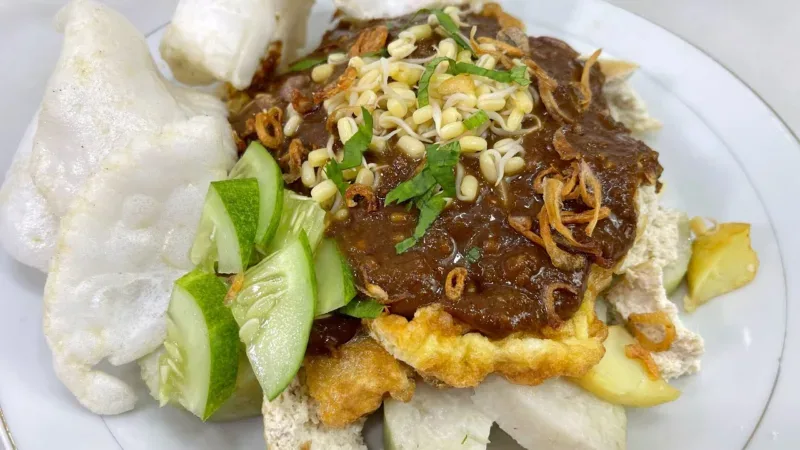
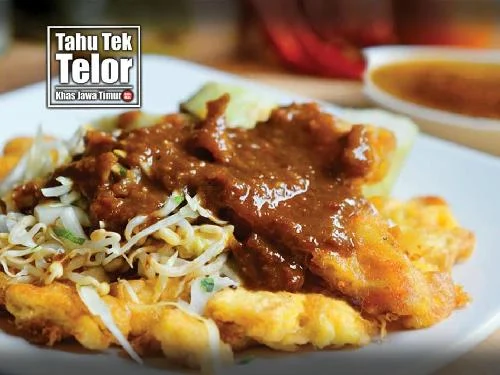

At its core, Tahu Tek Telor is a seemingly simple yet profoundly satisfying creation. It typically features cubes of fried tofu and a fluffy fried egg, served atop slices of lontong (compressed rice cake), fresh bean sprouts, and crisp cucumber. The magic, however, truly happens when this foundation is generously drenched in a thick, savory, and slightly sweet peanut sauce, enriched with the unique umami punch of petis udang (fermented shrimp paste). The name ‘Tek’ itself is said to mimic the sound of the vendor’s spatula chopping the ingredients on the grill, adding to its street food charm.
The ‘Seafood Nikmat’ (delicious seafood) twist in this rendition introduces a new dimension of flavor and luxury. While the original dish is already a protein powerhouse with tofu and egg, incorporating ingredients like succulent shrimp or tender squid elevates the experience, adding a fresh oceanic sweetness and a delightful chewiness that contrasts beautifully with the other components. This variant caters to those who appreciate a richer, more complex profile in their Indonesian culinary adventures.
Preparing Tahu Tek Telor Seafood Nikmat is an art form that requires attention to detail, but it is undeniably rewarding. It’s a dish that engages all senses, from the aroma of freshly ground peanuts and spices to the visual appeal of its layered presentation, and ultimately, the explosion of flavors with every bite. This comprehensive guide will walk you through each step, ensuring you can recreate this authentic and elevated Indonesian delicacy in your own kitchen with confidence.
Before diving into the intricate steps, it’s crucial to understand the principal components that make up this magnificent dish. Each element plays a vital role in achieving the harmonious balance of tastes and textures: the perfectly fried tofu and egg, the substantial lontong, the refreshing vegetables, the star seafood, and the undeniably complex and flavorful peanut sauce.
The tofu selection is paramount. Opt for firm or extra-firm tofu, as it holds its shape better during frying and absorbs the sauce beautifully without disintegrating. Pressing the tofu beforehand to remove excess water is a crucial step that ensures a crispier exterior and a more flavorful result. Once pressed, cut into bite-sized cubes and lightly season before frying to a golden brown perfection.
The egg component is typically prepared as a fluffy omelet. Some variations involve mixing a portion of the fried tofu with the beaten egg before frying, creating a delightful fritter-like texture. Regardless of the method, ensure the egg is well-seasoned, providing a rich, savory layer to the dish. Its soft texture provides a comforting contrast to the other ingredients.
Lontong, the compressed rice cake, serves as the carbohydrate base of Tahu Tek Telor. Its neutral flavor and firm yet slightly sticky texture are perfect for soaking up the rich peanut sauce. While homemade lontong is a labor of love, readily available store-bought versions make preparation much simpler. If using store-bought, simply slice it into thick rounds or cubes.
Freshness is key for the accompanying vegetables. Crisp bean sprouts add a refreshing crunch and a subtle earthy note, while thinly sliced cucumber provides a cool, palate-cleansing element. These fresh components are essential for balancing the richness of the fried ingredients and the intensity of the sauce, offering a delightful textual contrast.
Now, let’s discuss the star enhancement: the seafood. For Tahu Tek Telor Seafood Nikmat, the choices are varied and exciting. Shrimp (udang) are a popular choice due to their sweet flavor and quick cooking time. Medium to large shrimp, peeled and deveined, will provide a satisfying bite. Squid (cumi-cumi) is another excellent option; scoring the squid before cooking ensures tenderness and an appealing presentation. You might also consider incorporating fish cakes or fish balls for added variety and texture. Always prioritize fresh, high-quality seafood for the best results.
The true heart and soul of Tahu Tek Telor, and indeed many Indonesian dishes, lies in its peanut sauce. This isn’t just any peanut sauce; it’s a complex blend of savory, sweet, spicy, and tangy notes, with the distinct aroma and flavor of petis udang. Mastering this sauce is the key to unlocking the authentic taste of Surabaya.
Petis udang is the secret ingredient that elevates this sauce from good to extraordinary. This thick, black, fermented shrimp paste has a pungent, savory, and slightly sweet flavor that is uniquely Indonesian. It provides an unparalleled depth of umami. While finding authentic petis might require a trip to an Asian grocery store, it is indispensable for the true Tahu Tek Telor experience. Do not confuse it with regular shrimp paste (terasi), which has a different flavor profile.
Aromatics and spices contribute significantly to the sauce’s complexity. Garlic provides a pungent base, while fresh red chilies (or bird’s eye chilies for more heat) introduce the desired level of spiciness. Palm sugar (gula merah) adds a caramel-like sweetness that balances the savory and spicy elements, and a touch of tamarind paste (asam jawa) provides a crucial tangy note, cutting through the richness.
Additional liquids like water are used to achieve the desired consistency of the sauce, ensuring it’s thick enough to coat the ingredients but still pourable. A squeeze of fresh lime juice at the end can brighten the flavors, adding a final zesty flourish. The balance of these elements – sweet, sour, salty, spicy, and umami – is what makes the peanut sauce so captivating.
Finally, no Tahu Tek Telor is complete without its traditional accompaniments. Crispy kerupuk (shrimp crackers) add a delightful crunch and are perfect for scooping up every last drop of sauce. A sprinkle of fragrant bawang goreng (fried shallots) provides an aromatic garnish and another layer of texture. A wedge of lime is often served on the side for those who prefer an extra burst of citrusy tang.
For the Tofu & Egg:
- 400g firm or extra-firm tofu, pressed and cut into 2cm cubes
- 4 large eggs, beaten
- 1/2 tsp salt (for tofu and egg)
- 1/4 tsp white pepper (for tofu and egg)
- Vegetable oil for frying
For the Seafood:
- 200g medium shrimp, peeled and deveined
- 200g squid, cleaned, scored, and sliced into rings (or other preferred seafood like fish cakes)
- 1/4 tsp salt (for seafood)
- 1/8 tsp white pepper (for seafood)
- 1 tbsp vegetable oil (for cooking seafood)
For the Peanut Sauce:
- 200g roasted unsalted peanuts (or raw peanuts, fried until golden)
- 3-4 cloves garlic
- 3-5 bird’s eye chilies (or more/less to taste), stems removed
- 1 tbsp petis udang (Indonesian shrimp paste)
- 1 tbsp palm sugar, grated or finely chopped
- 1 tbsp tamarind paste (dissolved in 2 tbsp hot water, strained)
- 1/2 tsp salt, or to taste
- 1/4 tsp white pepper, or to taste
- 150-200ml warm water, or as needed for consistency
- 1 tbsp lime juice (optional)
For Assembly & Garnish:
- 1-2 lontong (compressed rice cakes), sliced
- 1 large cucumber, thinly sliced or julienned
- 100g fresh bean sprouts, blanched briefly (optional, or serve raw)
- Crispy kerupuk udang (shrimp crackers), for serving
- Fried shallots (bawang goreng), for garnish
- Lime wedges, for serving
Now, let’s begin the preparation process. First, ensure your lontong is ready. If using store-bought, simply slice it. For the vegetables, wash and thinly slice the cucumber. If blanching bean sprouts, immerse them in hot water for about 30 seconds, then immediately drain and rinse with cold water to stop the cooking process and maintain their crispness.
Next, prepare the tofu. After pressing out excess water, cut the tofu into cubes. Lightly season with salt and pepper. Heat sufficient vegetable oil in a wok or deep pan over medium-high heat. Fry the tofu cubes in batches until they are golden brown and crispy on all sides. Remove with a slotted spoon and drain on paper towels to remove excess oil. Set aside.
For the egg, beat the eggs with a pinch of salt and pepper. You can also mix a small portion of the fried tofu cubes into the egg mixture for added texture. Heat a little oil in a non-stick pan over medium heat. Pour in the egg mixture and cook until set and lightly golden, creating a thin omelet. Fold or cut into pieces. Repeat if making multiple servings.
Moving on to the seafood. Heat 1 tablespoon of oil in a pan over medium-high heat. Add the shrimp and squid, season lightly with salt and pepper. Stir-fry quickly for 2-3 minutes until the shrimp turn pink and the squid is opaque and curled. Be careful not to overcook the seafood, as it can become rubbery. Remove from the pan and set aside.
Now, for the star of the show: the Peanut Sauce. Traditionally, this is made using a mortar and pestle (cobek ulekan), which yields a superior texture and flavor due to the grinding action. However, a food processor can also be used for convenience. If using a food processor, pulse the ingredients rather than blend continuously to avoid making the sauce too smooth.
Begin by grinding the garlic and chilies (if using a mortar and pestle, grind until fine). Add the roasted peanuts and grind until they form a coarse paste. If using a food processor, pulse until coarsely ground. Then, incorporate the petis udang, palm sugar, salt, and the strained tamarind paste. Continue to grind or pulse until all ingredients are well combined and the sauce reaches a relatively smooth but still slightly chunky consistency. Gradually add warm water, spoonful by spoonful, while mixing, until the sauce reaches your desired thickness. It should be thick enough to coat a spoon but still pourable. Taste and adjust seasonings – you might need more salt, palm sugar, or tamarind to achieve the perfect balance of sweet, savory, spicy, and tangy. Optionally, stir in lime juice for a fresh finish.
With all components prepared, it’s time for the exciting part: assembly. On a serving plate, arrange slices of lontong as the base. Next, scatter the freshly fried tofu cubes and pieces of the fried egg over the lontong. Add the cooked seafood (shrimp and squid) generously on top. Follow with the fresh cucumber slices and blanched bean sprouts.
The moment of truth: generously drench all the ingredients with the rich, aromatic peanut sauce. Don’t be shy; the sauce is what brings all the elements together. Ensure every component is coated with this flavorful elixir.
Finally, garnish your masterpiece. Sprinkle a generous amount of crispy fried shallots (bawang goreng) over the top for an added layer of flavor and crunch. Place a few pieces of crispy kerupuk udang around the plate, or crush some over the dish. Serve immediately with a lime wedge on the side, allowing diners to add extra tang if desired. The contrast of warm ingredients with the cool vegetables and the complex sauce is truly delightful.
To ensure your Tahu Tek Telor Seafood Nikmat is nothing short of perfect, here are some essential tips for success. Always prioritize fresh ingredients, especially when it comes to seafood. Fresh shrimp and squid will yield the best flavor and texture. For the tofu, pressing out excess water is non-negotiable for that desirable crispy exterior.
Mastering the peanut sauce is paramount. The balance of sweet, savory, spicy, and tangy is what defines this dish. Don’t be afraid to taste and adjust as you go. If you prefer a spicier kick, add more chilies; for more sweetness, a little more palm sugar. The consistency should be thick but pourable, not watery.
Pay attention to texture contrast. The crispy tofu, tender seafood, soft lontong, and crunchy fresh vegetables all play a crucial role. Overcooking any element, especially the seafood, can compromise the dish’s overall appeal. Quick frying for tofu and quick stir-frying for seafood are key.
Customization is encouraged. Adjust the spice level of the peanut sauce to your preference. For those who enjoy an even richer dish, some recipes include fried potato cubes. You can also experiment with other fresh vegetables like cabbage or carrots, finely shredded.
This dish is best enjoyed immediately after assembly to fully appreciate the warmth of the fried components and the freshness of the vegetables, all bathed in the exquisite sauce. It pairs wonderfully with a refreshing glass of iced tea or a traditional Indonesian drink.
Beyond its incredible taste, Tahu Tek Telor Seafood Nikmat offers a balanced meal. It’s rich in protein from the tofu, egg, and seafood, provides carbohydrates from the lontong, and essential vitamins and fiber from the fresh vegetables. It’s a wholesome and satisfying dish that nourishes both body and soul.
In conclusion, Tahu Tek Telor Seafood Nikmat is more than just a meal; it’s an immersive experience into the heart of Indonesian culinary tradition, enhanced with a touch of modern sophistication. The intricate blend of flavors, the diverse textures, and the vibrant presentation make it a truly memorable dish. We encourage you to embark on this culinary journey, gather your ingredients, and create this magnificent dish in your own kitchen. You’ll be rewarded with a taste of Surabaya that is both authentic and exquisitely delicious.
Enjoy the process of cooking and the joy of sharing this wonderful Indonesian delicacy with family and friends. Selamat makan!