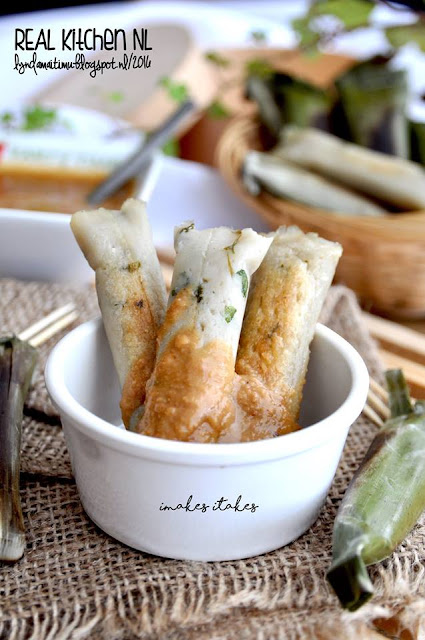


The word ‘Otak’ literally translates to ‘brains,’ a name derived not from the ingredients, but from the dish’s original soft, whitish appearance which somewhat resembled brain matter. However, modern Otak-Otak, especially the grilled variety from Palembang or Jakarta, is far from mushy. It requires a specific texture known in Indonesia as ‘kenyal.’ This texture is springy, bouncy, and firm, yet tender enough to yield easily to the bite without being rubbery.
Achieving this elusive ‘kenyal’ texture is the primary challenge for home cooks. Often, homemade Otak-Otak turns out either too soft and pasty or too hard and rubber-like. The difference lies not just in the recipe, but in the technique. Professional chefs understand the science of fish proteins and how they react to temperature, salt, and agitation. By mastering these variables, you can elevate a simple fish cake into a gourmet appetizer.
The Foundation: Selecting the Right Fish
The most critical variable in making high-quality Otak-Otak is the choice of fish. While you can technically use various white-fleshed fish, Spanish Mackerel (Ikan Tenggiri) is the gold standard. Tenggiri meat has a unique sticky quality when scraped, which is essential for forming a cohesive paste. It also possesses a natural sweetness and a fat content that keeps the Otak-Otak moist during the grilling process.
When selecting your fish, freshness is non-negotiable. The eyes should be clear and bulging, the gills bright red, and the flesh firm to the touch. If the fish is old, the proteins begin to break down, making it nearly impossible to achieve a springy texture regardless of how much starch you add. For the best results, buy the fish whole and scrape the meat yourself rather than buying pre-ground fish paste, which may have been frozen or mixed with lower-quality fillers.
To prepare the meat, fillet the fish and use a spoon to scrape the flesh away from the skin and bones. This scraping method is superior to chopping because it naturally separates the meat from the connective tissue and fine bones, resulting in a smoother final paste. Keep the meat refrigerated until the very moment you are ready to process it.
Chef’s Trick #1: The Ice-Cold Temperature
The first and perhaps most important secret to a springy texture is temperature control. Fish proteins are extremely sensitive to heat. If the mixture gets warm during the processing or kneading stage, the protein structure (myosin) denatures prematurely, leading to a texture that is crumbly or mushy rather than bouncy.
Professional chefs always ensure that every ingredient is cold. The fish should be chilled, the coconut milk should be cold, and most importantly, you should use crushed ice or ice water instead of regular water. If you are using a food processor, the friction from the blades generates heat rapidly. Adding crushed ice helps counteract this heat, keeping the emulsion stable. If processing by hand, place your mixing bowl over a larger bowl filled with ice to maintain a low temperature throughout the kneading process.
Chef’s Trick #2: The Salt Interaction
Many home cooks make the mistake of adding all ingredients at once. However, the order in which you add salt matters immensely. Salt does more than just season the dish; it acts as a solubilizer for the muscle proteins. When salt comes into contact with the fish meat before other ingredients are added, it helps extract the salt-soluble proteins responsible for gel formation.
To maximize the springiness, mix the scraped fish meat with salt (and sugar/msg if using) first. Knead or process this mixture until the fish turns from a loose mince into a shiny, sticky, and cohesive mass. This transformation indicates that the proteins have been successfully extracted. Only after this sticky texture is achieved should you add the liquids and starches. If you add the starch before the salt has done its work, the starch will coat the proteins and prevent them from binding effectively.
Chef’s Trick #3: The Slapping Technique
Texture is developed through agitation. In traditional fish ball making, the paste is often picked up and thrown or ‘slapped’ back into the bowl repeatedly. This physical impact realigns the protein strands, creating a denser, bouncier network. While you don’t need to be as aggressive with Otak-Otak as you would with fish balls, the principle remains.
If you are mixing by hand, do not just stir gently. Use a circular kneading motion and occasionally lift the paste and slap it against the side of the bowl. You are looking for a texture that is difficult to pull apart. If using a food processor, pulse until the paste is very smooth and climbs the sides of the bowl. However, be careful not to over-process to the point where the mixture heats up.
Chef’s Trick #4: The Starch Ratio
The binder is the next hurdle. The traditional starch used is Tapioca starch or Sago flour. These starches have high amylopectin content, which contributes to the chewy texture. Cornstarch or wheat flour will not provide the correct mouthfeel and should be avoided.
The ratio of starch to fish is delicate. A common chef’s ratio is approximately 20% to 30% starch relative to the weight of the fish. For example, for every 500 grams of fish meat, you might use between 100 to 150 grams of tapioca starch. Too much starch will make the Otak-Otak hard and doughy, masking the flavor of the fish. Too little starch, and it may be too soft to handle. Always add the starch last, folding it in gently until just combined to avoid overworking the gluten-free flour, which can sometimes result in a tough texture.
Chef’s Trick #5: Fat and Moisture Balance
Since Spanish Mackerel is a lean fish, fat must be introduced to ensure the Otak-Otak remains juicy after grilling. This is the role of coconut milk (santan). The coconut milk adds richness and a subtle sweetness that complements the savory fish.
Use thick, fresh coconut milk for the best flavor. The fat in the coconut milk emulsifies with the fish paste, creating a smooth, creamy mouthfeel inside the firm gel structure. If your fish paste feels too stiff during mixing, adjust the consistency with small amounts of coconut milk or ice water. The final consistency should be spreadable—similar to a thick hummus or cake batter—but not runny.
Aromatics and Seasoning
While texture is king, flavor is queen. A classic Otak-Otak base includes a spice paste (bumbu) made from shallots, garlic, and occasionally a small amount of ginger or galangal. Some chefs prefer to use only garlic and shallots to let the fish flavor shine, while others add red chili for a kick.
Crucial aromatic additions include finely sliced kaffir lime leaves and chopped green onions (scallions). These should be folded in at the very end. The kaffir lime leaves provide a citrusy fragrance that cuts through the richness of the coconut milk and fish, while the green onions add a fresh crunch and visual appeal.
The Wrapper: Banana Leaf Preparation
The banana leaf is not merely packaging; it is an ingredient. As the leaf chars, it infuses the fish cake with a smoky, herbaceous aroma that is impossible to replicate with foil or parchment paper. However, raw banana leaves are brittle and prone to tearing.
To prepare the leaves, wipe them clean with a damp cloth. Then, soften them by passing them briefly over an open flame or blanching them in hot water. This process, known as ‘layu,’ makes the leaves pliable and easy to fold. Cut the leaves into rectangles roughly 15-20cm wide. Ensure you are using the correct side of the leaf; the shiny side should be on the outside for a better presentation, while the matte side touches the food.
Wrapping and Grilling Techniques
Place a generous tablespoon of the fish paste into the center of the banana leaf. Fold the sides over the paste, then tuck the ends under and secure them with toothpicks or a stapler (remove staples carefully before eating). Flatten the parcel slightly; a flatter shape cooks more evenly and allows for more surface area to be exposed to the heat.
Grilling over charcoal is the traditional and superior method. The charcoal imparts a smokiness that defines the dish. If charcoal is unavailable, a stovetop grill pan is an acceptable substitute, though you will miss some of the smoky depth. Cook the Otak-Otak over medium heat. High heat will burn the leaves before the inside is cooked, while low heat will dry out the fish.
You will know the Otak-Otak is ready when the leaves are browned and charred in spots, and the parcel feels firm to the touch. You can also check by opening one; the fish cake should be opaque and white, pulling away cleanly from the leaf.
The Accompaniment: Sambal Kacang
No Otak-Otak experience is complete without the dipping sauce. The standard accompaniment is a spicy, sour, and sweet peanut sauce. Unlike the thick sauce used for Satay, Otak-Otak sauce is often slightly runnier and sharper.
To make the sauce, blend roasted peanuts, red chilies, and garlic. Simmer this mixture with water, tamarind pulp (air asam jawa), palm sugar (gula merah), and salt. The balance should lean towards a refreshing sourness to cleanse the palate between bites of the rich fish cake. Some chefs add a splash of vinegar for a sharper bite.
Troubleshooting Common Issues
Problem: The Otak-Otak is too hard.
Cause: Too much tapioca starch was used, or the mixture was overcooked. It could also mean the fish was not fresh. Ensure you weigh your ingredients and check the fish quality.
Problem: The Otak-Otak is mushy.
Cause: The mixture got too warm during processing, preventing the protein bond. Alternatively, too much liquid (water or coconut milk) was added. Remember the ice trick next time.
Problem: The texture is grainy.
Cause: The fish meat was not scraped properly, leaving connective tissue, or the starch was not mixed in thoroughly. Ensure the initial paste is perfectly smooth before adding starch.
Serving and Storage
Otak-Otak is best served immediately while warm. The texture is at its peak when the proteins are freshly cooked. However, it is a great make-ahead dish. You can wrap the raw paste in leaves and freeze them. When ready to eat, thaw them in the refrigerator and grill as usual.
If you have leftover cooked Otak-Otak, store it in an airtight container in the fridge for up to 3 days. To reheat, steam them briefly to restore moisture, or place them in a toaster oven or air fryer for a few minutes. Avoid microwaving for too long, as this tends to make the texture rubbery.
Conclusion
Mastering Otak-Otak Ikan Tenggiri is a journey into the heart of Indonesian cooking techniques. It requires respect for ingredients and an understanding of how temperature and agitation transform raw fish into a delicacy. By following these chef’s tricks—keeping it cold, salting first, kneading well, and balancing the starch—you can recreate the authentic, springy, and aromatic Otak-Otak that rivals the best street food vendors in Jakarta or Palembang.