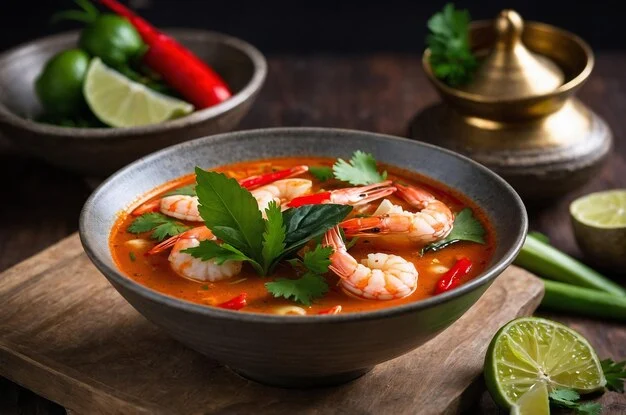

Tom Yum, often transliterated as ‘Tom Yam,’ is a fundamental part of Thai culinary heritage. The name itself is derived from two Thai words: ‘tom’ referring to the boiling process, and ‘yum’ meaning ‘mixed’ or ‘spicy salad.’ This aptly describes the soup’s preparation and its characteristic flavor profile. While many associate Tom Yum with shrimp (Tom Yum Goong), the seafood iteration, Tom Yum Talay, offers a delightful opportunity to explore a wider array of marine ingredients.
Crafting an authentic Tom Yum seafood soup requires a deep understanding of its core components and the careful selection of fresh, high-quality ingredients. The soul of the soup lies in its aromatic base, which is built upon a foundation of fragrant herbs and spices that are quintessential to Thai cooking. These elements, when combined, create a symphony of flavors that is both bold and nuanced.
The cornerstone of any authentic Tom Yum broth is galangal. Often mistaken for ginger, galangal possesses a sharper, more peppery, and citrusy aroma. Slicing it thinly or bruising it helps release its potent oils, infusing the broth with its distinctive fragrance. Fresh galangal is crucial; dried versions will not yield the same authentic taste.
Alongside galangal, lemongrass plays a vital role. Its clean, citrusy scent and flavor are indispensable. To maximize its aromatic contribution, the stalks should be bruised or lightly pounded before being added to the boiling liquid. This process helps to break down the tough fibers and release its essential oils effectively.
Kaffir lime leaves are another non-negotiable ingredient. Their unique, intense citrus aroma is unlike any other lime leaf. Gently tearing or bruising these leaves before adding them to the soup intensifies their fragrance, contributing a bright, zesty note that cuts through the richness and adds layers of complexity.
The heat in Tom Yum comes from Thai chilies (Prik Kee Noo). These small but fiery peppers pack a powerful punch. The number of chilies used can be adjusted to personal preference, but a good Tom Yum should have a noticeable, pleasant heat that complements, rather than overwhelms, the other flavors. For a milder soup, you can remove the seeds before adding them.
While some recipes might include garlic and shallots, the truly authentic Tom Yum often relies on the aforementioned herbs as its primary aromatic base. However, a touch of garlic can add a subtle depth, and some regional variations do incorporate it.
The sourness in Tom Yum is traditionally achieved using lime juice. Freshly squeezed lime juice is paramount. Bottled lime juice lacks the vibrant, zesty flavor that fresh limes provide. The sourness should be balanced, offering a refreshing tang that awakens the palate, not an overpowering acidity.
For the savory and umami notes, fish sauce (Nam Pla) is the indispensable Thai condiment. It provides a salty depth that is crucial to the soup’s overall balance. High-quality fish sauce will offer a cleaner, more complex flavor. Again, fresh is best, and its use is a hallmark of authentic Thai cooking.
The broth itself can be made with either water or, for a richer flavor, a light chicken or seafood stock. A clear, flavorful stock provides an excellent base for the assertive flavors of the herbs and spices. When making Tom Yum Talay, using a stock made from simmering shrimp shells and heads can elevate the seafood flavor profile considerably.
The ‘seafood’ in Tom Yum Talay offers a delightful canvas for a variety of oceanic treasures. The most common and beloved addition is shrimp (Goong). Plump, fresh shrimp are ideal, and they cook very quickly, so they should be added towards the end of the cooking process to prevent them from becoming tough.
Fish fillets, such as sea bass, snapper, or cod, are another excellent choice. Cut into bite-sized pieces, they add a delicate texture and mild flavor that absorbs the soup’s aromatics beautifully. Ensure the fish is fresh and firm.
Squid (Pla Muk) adds a delightful chewiness and a subtle sweetness. It’s important to slice the squid into rings or pieces and add it towards the very end of cooking, as it can become rubbery if overcooked.
Mussels (Hoy) and clams (Hoi Chak Teen) contribute a briny depth and a wonderful texture. They should be added when their shells are open, indicating they are cooked through. Discard any that remain closed.
For a more luxurious Tom Yum, consider adding scallops (Hoi Scallop). Their sweet, tender flesh is a wonderful complement to the soup’s bold flavors. Like shrimp, they cook very quickly.
The preparation of authentic Tom Yum seafood is a methodical process that ensures each ingredient contributes its best to the final dish. It begins with creating the aromatic broth base.
Start by gently bruising the lemongrass stalks and slicing the galangal. In a pot, bring water or stock to a simmer. Add the bruised lemongrass and sliced galangal. Let this simmer gently for about 10-15 minutes to allow the flavors to infuse the liquid.
Next, add the torn kaffir lime leaves and the Thai chilies (adjusting the quantity to your spice preference). Continue to simmer for another 5 minutes. This step is crucial for developing the foundational flavor profile of the soup.
Now, it’s time to season the broth. Add the fish sauce, starting with a moderate amount and tasting as you go. The goal is to achieve a balance of salty and savory.
Stir in the fresh lime juice. Again, taste and adjust. The sourness should be bright and refreshing, complementing the saltiness without being overpowering. This is where personal preference plays a significant role.
Once the broth is seasoned to your liking, it’s time to add the seafood. The order in which you add the seafood is important, as different types cook at different rates.
Begin with the seafood that requires the longest cooking time, such as mussels and clams, if using. Let them cook until they open.
Next, add the fish fillets and squid. Cook for just a few minutes until the fish is opaque and the squid is just cooked through. Overcooking will make them tough.
Finally, add the quick-cooking seafood like shrimp and scallops. They only need a minute or two until they turn pink and opaque.
As the seafood cooks, the flavors meld into the broth. The final touch, often added just before serving, is Evaporated Milk or Coconut Milk. While water-based Tom Yum (Tom Yum Nam Sai) is also authentic, the creamy version (Tom Yum Nam Khon) made with evaporated milk or coconut milk is incredibly popular and adds a luxurious richness and a beautiful pale hue to the soup.
If using evaporated milk, stir it in gently at the very end, just to warm through. If using coconut milk, add it and let it heat gently without boiling, which can cause it to split.
A key ingredient that distinguishes many Tom Yum variations is Prik Pao, or Thai chili paste. This caramelized paste, made from roasted chilies, garlic, shallots, and shrimp paste, adds a smoky depth, a touch of sweetness, and an extra layer of heat. Stirring in a tablespoon or two of Prik Pao towards the end of the cooking process can dramatically enhance the soup’s complexity.
Garnishes are essential for both presentation and an added burst of freshness. Fresh cilantro (coriander leaves) and spring onions (scallions) are typically sprinkled generously over the soup just before serving. Their bright, herbaceous notes provide a delightful contrast to the rich broth.
For an extra kick of freshness and a visual appeal, some people add fresh Thai basil leaves at the very end, allowing their aroma to infuse the hot soup. The anise-like flavor of Thai basil is a wonderful addition.
Serving authentic Tom Yum seafood is an art in itself. It is traditionally served piping hot in a deep bowl, often accompanied by a side of steamed jasmine rice. The rice is perfect for soaking up the incredibly flavorful broth.
The beauty of Tom Yum lies in its adaptability. While the core ingredients remain consistent, you can customize the seafood selection based on availability and personal preference. Experimenting with different combinations can lead to delightful discoveries.
For those seeking a vegetarian or vegan Tom Yum, it is possible to adapt the recipe. Omit the seafood and fish sauce. Use vegetable stock and soy sauce or a vegan fish sauce alternative. Replace the seafood with firm tofu, mushrooms (like oyster or shiitake), and an assortment of colorful vegetables such as broccoli, carrots, and baby corn.
A common misconception is that Tom Yum is excessively spicy. While it can be, the heat is adjustable. The true essence of Tom Yum lies in the balance of all its flavors: spicy, sour, salty, and savory. Achieving this equilibrium is the mark of a well-made Tom Yum.
The aroma alone is enough to transport you to the bustling streets of Bangkok or the serene beaches of Phuket. The fragrant steam rising from the bowl, carrying the scents of lemongrass, galangal, and lime, is an invitation to a truly authentic culinary experience.
In conclusion, creating authentic Thai Tom Yum seafood is a rewarding culinary adventure. By understanding the role of each key ingredient – from the aromatic herbs to the fresh seafood – and mastering the art of balancing flavors, you can recreate this beloved Thai classic in your own kitchen. Enjoy the journey, and savor every spicy, sour, and savory spoonful.