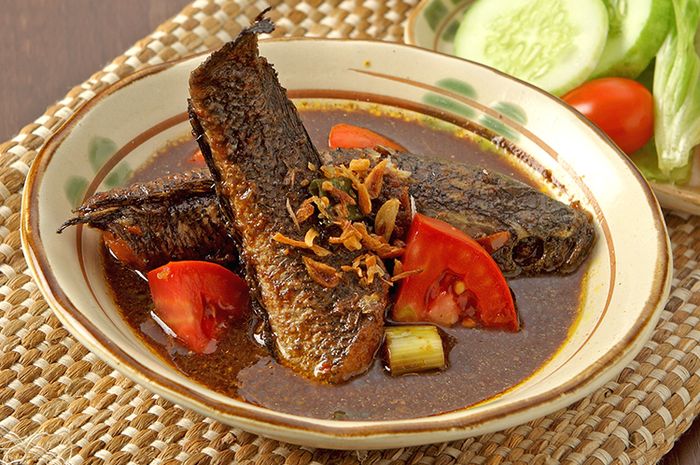
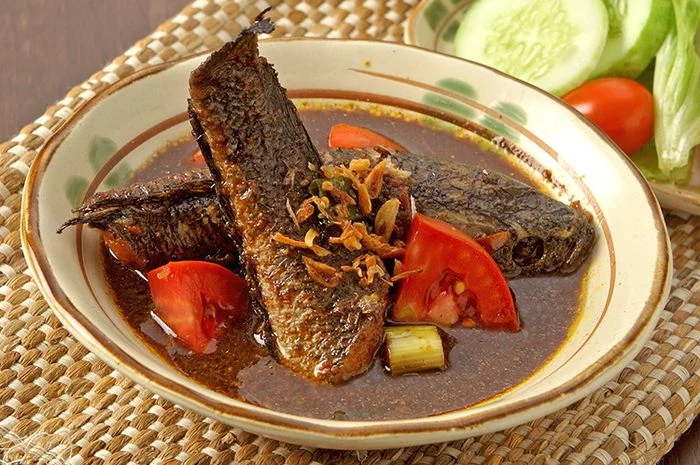

At first glance, Gabus Pucung is striking due to its deep, jet-black broth, a characteristic it shares with the East Javanese dish, Rawon. However, while Rawon uses beef, Gabus Pucung utilizes the snakehead fish, known locally as Ikan Gabus. The distinct black color and earthy, nutty flavor profile come from the use of Pucung (also known as Kluwek or Keluak), a fermented black nut that is indigenous to Southeast Asia. This ingredient is not merely a coloring agent; it provides the savory, complex foundation that defines the dish.
Historically, the Betawi people lived in areas abundant with swamps, rivers, and rice paddies, particularly in the outskirts of old Jakarta. These water bodies were the natural habitat of the snakehead fish. Consequently, the dish evolved out of the availability of local ingredients. While other meats might have been reserved for special occasions or the wealthy, the snakehead fish was a source of protein accessible to the common people, eventually elevated through complex spice blends into a delicacy.
Cooking authentic Gabus Pucung is an art form that requires patience and a deep understanding of the ingredients. The balance of flavors is critical; the broth must be savory, slightly tangy, aromatic, and rich without being overpowering. Unlike the creamy coconut milk bases of many Indonesian curries, Gabus Pucung relies on the viscosity of the spice paste and the Kluwek to create a soup that is light yet full-bodied.
Understanding the Snakehead Fish (Ikan Gabus)
The choice of protein is non-negotiable for an authentic experience. Ikan Gabus is a freshwater predator known for its firm, white flesh that holds up remarkably well in soups. Unlike more delicate fish that might disintegrate during simmering, the snakehead maintains its structure, absorbing the spices while offering a satisfying, meaty chew.
Beyond its culinary attributes, Ikan Gabus is highly prized in traditional Indonesian medicine. It is exceptionally rich in albumin, a protein essential for tissue repair and healing. It is common practice in Indonesia to serve steamed or souped snakehead fish to those recovering from surgery or childbirth. In Gabus Pucung, this health benefit is married with indulgence, making it a nourishing meal in every sense.
However, preparing snakehead fish requires specific techniques. Being a freshwater swamp dweller, the fish can sometimes carry a muddy scent or a strong fishy odor. To counteract this, the cleaning process is paramount. Traditional cooks use a combination of coarse salt, lime juice, and sometimes tamarind to scrub the fish, neutralizing any unwanted odors before the cooking process even begins.
The Crown Jewel: Pucung (Kluwek)
The defining ingredient, Pucung (Pangium edule), is a large seed from the Kepayang tree. In its raw state, the seed contains hydrogen cyanide and is toxic. However, the seeds sold in markets for cooking have undergone a fermentation process (buried in ash and earth for weeks) that neutralizes the toxin and develops the seed’s signature chocolate-colored, oily meat.
Selecting the right Pucung is a skill. When shopping, one should shake the nut; if the kernel rattles loosely inside, it is usually a sign that the meat has dried up or is old. A good Pucung should feel heavy for its size, and when cracked open, the meat should be jet black, slightly oily, and soft. If the meat is gray or smells bitter/sour, it should be discarded immediately, as a single bad nut can ruin an entire pot of soup.
Ingredients for Authentic Gabus Pucung
To create this masterpiece, you will need to gather a robust collection of herbs and spices. The complexity of the spice paste (bumbu halus) is what separates a mediocre soup from a great one. Below is the breakdown of components required for a family-sized serving (approx. 1 kg of fish).
Main Components:
- 1 kg Ikan Gabus (Snakehead fish), cut into steaks or chunks.
- 5-7 pieces of Pucung (Kluwek), cracked open and meat extracted.
- 2 limes (Jeruk Nipis) for cleaning the fish.
- 1 liter of water (adjust for desired thickness).
- Oil for frying and sautéing.
The Spice Paste (Blend until smooth):
- 10 shallots (bawang merah).
- 6 cloves of garlic (bawang putih).
- 4 candlenuts (kemiri), toasted.
- 1 finger-length turmeric (kunyit), roasted/burnt to remove raw taste.
- 1 thumb-sized ginger (jahe).
- 3 red chili peppers (cabe merah keriting) for mild heat and color.
- 1 tsp coriander seeds (ketumbar), toasted.
- 1/2 tsp peppercorns (lada).
- Salt and sugar to taste.
The Aromatics (Do not blend):
- 2 stalks of lemongrass (sereh), bruised.
- 1 thumb-sized galangal (lengkuas), bruised.
- 4 kaffir lime leaves (daun jeruk).
- 2 Indonesian bay leaves (daun salam).
- 1 tomato, cut into wedges.
- 2 spring onions, chopped.
Step-by-Step Preparation Guide
Step 1: Preparing the Fish
Begin by thoroughly cleaning the snakehead fish. After cutting it into steaks, wash it under running water. Rub the fish generously with coarse salt and the juice of two limes. Let this sit for 15 to 20 minutes. This marination pulls out the slime and neutralizes the muddy smell. After resting, rinse the fish thoroughly again to remove the excess salt and slime.
Step 2: Processing the Pucung
While the fish marinates, prepare the Pucung. Crack the hard shells and scoop out the black meat. Place the meat in a small bowl and add a few tablespoons of hot water. Mash it with a spoon until it becomes a thick, smooth black paste. Crucial Tip: Taste a tiny amount of the Pucung paste before using it. If it tastes exceptionally bitter, discard it. Good Pucung has a savory, earthy, slightly fermented taste.
Step 3: Frying the Fish (The Betawi Method)
There are two schools of thought regarding the fish: putting it raw into the boiling soup or frying it first. The authentic Betawi style usually involves flash-frying the fish. Heat oil in a wok and fry the fish pieces until they are half-cooked or just golden on the outside. You do not want to dry them out. This step ensures the fish stays firm in the soup and adds a layer of texture to the skin.
Step 4: Creating the Spice Base
Blend all the ingredients listed under ‘The Spice Paste’ along with the prepared Pucung paste. Using a blender or a traditional mortar and pestle (ulekan), grind them until completely smooth. The result should be a thick, dark spice mixture.
Step 5: Sautéing for Depth
Heat about 3 tablespoons of oil in a large pot. Add the blended spice paste. Sauté this mixture over medium heat. This is a critical stage called tanak in Indonesian cooking—you must cook the spices until the oil separates from the paste and the color darkens slightly. This removes the raw taste of the shallots and garlic.
Add the aromatics: lemongrass, galangal, bay leaves, and lime leaves. Continue sautéing until the leaves wilt and the kitchen is filled with a fragrant, earthy aroma. If you rush this step, the soup may taste langu (raw/unpleasant).
Step 6: Building the Broth
Pour in the water slowly while stirring to dissolve the sautéed spices. Bring the mixture to a rolling boil. Reduce the heat and let it simmer for 5-10 minutes. This allows the flavors of the aromatics to infuse into the water, creating a robust stock.
Step 7: The Union of Fish and Soup
Gently lower the fried snakehead fish pieces into the simmering black broth. Add the tomato wedges and whole cayenne peppers (rawit) if you prefer extra spice without making the whole dish too hot. Season with salt, sugar, and a pinch of powdered mushroom stock or chicken stock if desired. Traditional recipes often use a touch of palm sugar to balance the savory depth of the Pucung.
Step 8: Simmering to Perfection
Allow the fish to cook in the broth for another 10-15 minutes on low heat. You want the black broth to seep into the white flesh of the fish. Be gentle when stirring to avoid breaking the fish. Taste the soup; it should be savory, rich, and have a unique nutty undertone.
Serving Suggestions
Just before turning off the heat, toss in the chopped spring onions. Gabus Pucung is best served piping hot. Transfer it to a large serving bowl, ensuring the black broth covers the fish generously.
This dish is traditionally eaten with steamed white rice. The contrast between the fluffy white rice and the dark, intense broth is visually and gastronomically satisfying. For the full Betawi experience, serve with a side of emping (melinjo nut crackers) and extra sambal if the soup isn’t spicy enough for your liking.
Tips for the Perfect Gabus Pucung
1. Consistency Matters: The broth should not be as thick as a curry (gulai) nor as thin as a clear soup (sayur asem). It should have a body to it, provided by the candlenuts and the Pucung paste. If it’s too thick, add a little hot water.
2. The Next-Day Rule: Like many stew-like dishes, Gabus Pucung tastes even better the next day. The resting period allows the spices to penetrate deeper into the fish, and the flavors of the broth to meld more cohesively. If you plan to eat it the next day, store the fish and broth separately if you are worried about the fish becoming too soft, though most prefer them stored together.
Cultural Preservation
In recent years, Gabus Pucung has become somewhat rare in the city center of Jakarta due to the scarcity of the snakehead fish in urban waterways and the labor-intensive cooking process. It is now mostly found in specialty restaurants in the suburbs of Bekasi and Depok. By cooking this dish at home, you are not just preparing a meal; you are actively participating in the preservation of Betawi intangible cultural heritage.
The dish represents a harmony of local biodiversity and culinary ingenuity. The use of the toxic-made-edible Pucung nut showcases the deep knowledge of food processing passed down through generations. The reliance on snakehead fish highlights the historical relationship between the Betawi people and the riverine ecosystems of Java.
Conclusion
Mastering Cara Memasak Gabus Pucung Khas Betawi Otentik is a rewarding endeavor for any home cook. It offers a departure from the more common Indonesian dishes like Nasi Goreng or Rendang, providing a glimpse into the specific regional flavors of the capital city’s indigenous population. The dark, mysterious broth hides a comfort and richness that is unparalleled, offering a taste of history in every spoonful. Whether for a family gathering or a special cultural dinner, Gabus Pucung is sure to impress with its bold looks and even bolder flavors.