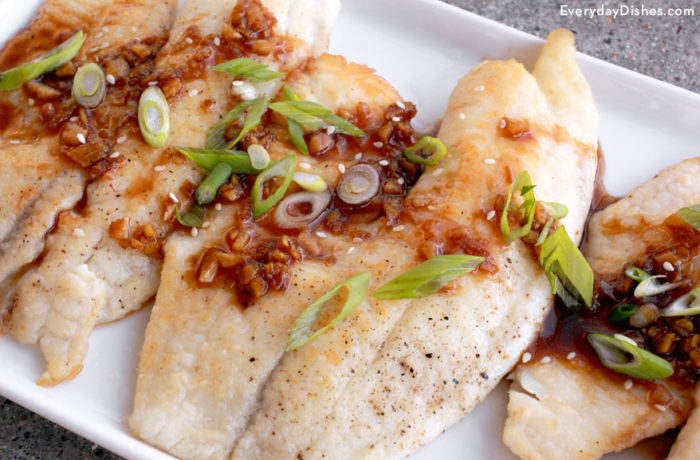
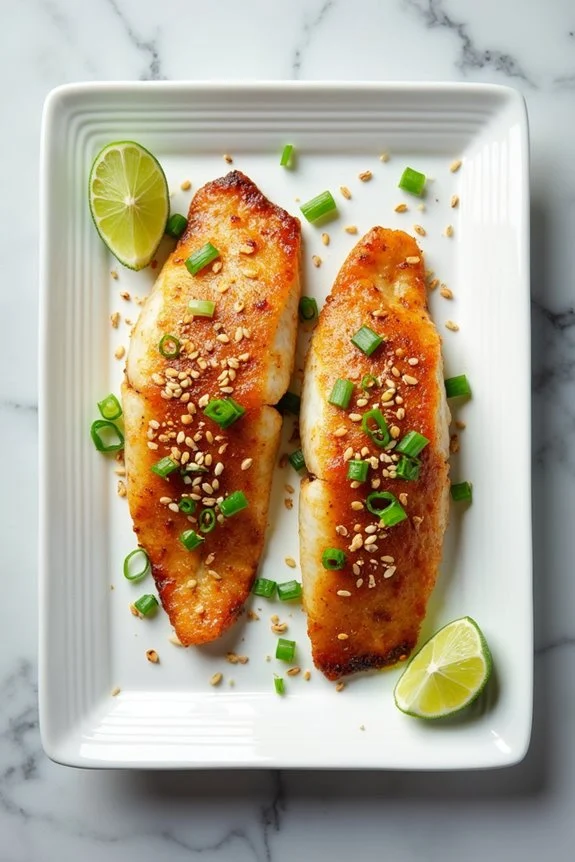

We’ll explore various regional influences, from the bold spices of Southeast Asia to the delicate nuances of Japanese cuisine. Whether you’re a seasoned chef or a home cook looking to expand your repertoire, these recipes offer something for everyone. Get ready to embark on a flavorful journey!
Why Tilapia? Before we dive into the recipes, let’s appreciate why tilapia is such a great choice. Its mild taste readily absorbs flavors, making it perfect for marinades, sauces, and spice rubs. It’s also readily available, relatively inexpensive, and cooks quickly, making it an ideal protein for busy weeknights.
The Foundation: Fresh Ingredients The key to any great Asian-inspired dish is fresh, high-quality ingredients. Seek out the freshest fish possible, ideally wild-caught or sustainably farmed tilapia. Explore your local Asian markets for authentic ingredients like fish sauce, soy sauce, rice vinegar, and various chili pastes. These ingredients are the building blocks of the authentic flavors we’ll be creating.
Don’t overcrowd the pan: When pan-frying, cook the tilapia in batches to ensure even browning.
Use a non-stick pan: This will help prevent the fish from sticking and make cleanup easier.
Pat the fish dry: Before cooking, pat the tilapia fillets dry with paper towels. This helps achieve a nice sear.
Monitor the cooking time: Tilapia cooks quickly, so keep a close eye on it.
Recipe 1: Quick and Easy Thai Green Curry Tilapia This recipe brings the vibrant flavors of Thai green curry to your table in a flash. It’s a perfect weeknight meal that’s both flavorful and relatively simple to prepare.
4 tilapia fillets
1 tablespoon green curry paste
1 can (13.5 oz) coconut milk
1 tablespoon fish sauce
1 tablespoon soy sauce
1 teaspoon brown sugar
1 red bell pepper, sliced
1 cup broccoli florets
1/2 cup chopped fresh basil
Cooked jasmine rice, for serving
In a large skillet, heat a little oil over medium heat. Add the green curry paste and cook for 1 minute, until fragrant.
Pour in the coconut milk, fish sauce, soy sauce, and brown sugar. Bring to a simmer.
Add the red bell pepper and broccoli. Cook for 3-4 minutes, until the vegetables are slightly softened.
Gently place the tilapia fillets into the curry sauce. Cook for 3-5 minutes per side, or until cooked through.
Stir in the fresh basil.
Serve the tilapia and curry over cooked jasmine rice.
Recipe 2: Japanese-Inspired Miso-Glazed Tilapia This recipe offers a delicate balance of sweet and savory flavors, highlighting the umami richness of miso paste.
4 tilapia fillets
2 tablespoons white miso paste
1 tablespoon mirin
1 tablespoon sake (or dry sherry)
1 teaspoon soy sauce
1 teaspoon grated ginger
1 teaspoon sesame oil
Sesame seeds, for garnish
Cooked rice, for serving
Steamed bok choy, for serving
In a small bowl, whisk together the miso paste, mirin, sake, soy sauce, ginger, and sesame oil to create the glaze.
Place the tilapia fillets in a shallow dish and brush with the miso glaze, ensuring both sides are coated.
Marinate the tilapia in the refrigerator for at least 15 minutes (or up to 30 minutes).
Preheat your oven to 400°F (200°C).
Place the tilapia fillets on a baking sheet lined with parchment paper.
Bake for 12-15 minutes, or until the fish is cooked through and the glaze is slightly caramelized.
Garnish with sesame seeds and serve with cooked rice and steamed bok choy.
Recipe 3: Vietnamese Tilapia with Nuoc Cham Sauce This recipe is bursting with fresh herbs, bright flavors, and a delightful dipping sauce.
4 tilapia fillets
1 tablespoon vegetable oil
Salt and pepper to taste
1/4 cup fish sauce
1/4 cup lime juice
2 tablespoons sugar
1/4 cup water
1 clove garlic, minced
1 red chili, minced (optional)
Fresh herbs (mint, cilantro, basil), chopped
Thinly sliced cucumbers
Shredded carrots
Cooked rice noodles
Season the tilapia fillets with salt and pepper.
Heat the vegetable oil in a skillet over medium-high heat.
Cook the tilapia for 3-4 minutes per side, or until golden brown and cooked through.
Make the Nuoc Cham sauce: In a small bowl, whisk together the fish sauce, lime juice, sugar, water, garlic, and chili (if using) until the sugar dissolves.
Serve the cooked tilapia with a generous portion of the Nuoc Cham sauce, fresh herbs, cucumbers, carrots, and rice noodles. This dish is best enjoyed immediately.
Recipe 4: Spicy Korean Gochujang Tilapia This recipe delivers a fiery kick with the complex flavors of gochujang, a Korean chili paste.
4 tilapia fillets
2 tablespoons gochujang (Korean chili paste)
1 tablespoon soy sauce
1 tablespoon rice vinegar
1 teaspoon sesame oil
1 teaspoon minced garlic
1 teaspoon grated ginger
1 tablespoon vegetable oil
Chopped green onions, for garnish
Cooked rice, for serving
In a bowl, whisk together the gochujang, soy sauce, rice vinegar, sesame oil, garlic, and ginger.
Place the tilapia fillets in a shallow dish and coat them with the gochujang mixture, ensuring both sides are covered.
Marinate for at least 15 minutes.
Heat the vegetable oil in a skillet over medium-high heat.
Cook the tilapia for 3-4 minutes per side, or until cooked through and slightly charred.
Garnish with chopped green onions and serve with cooked rice.
Recipe 5: Crispy Sesame Ginger Tilapia with Stir-Fried Vegetables This recipe offers a delightful textural contrast with crispy fish and tender vegetables.
4 tilapia fillets
1/2 cup all-purpose flour
1/4 cup cornstarch
1 teaspoon baking powder
Salt and pepper to taste
1 cup vegetable oil, for frying
2 tablespoons soy sauce
1 tablespoon rice vinegar
1 tablespoon honey
1 teaspoon sesame oil
1 teaspoon grated ginger
1 clove garlic, minced
1 tablespoon vegetable oil
1 cup broccoli florets
1 cup sliced carrots
1/2 cup sliced mushrooms
1/4 cup sliced green onions
In a bowl, whisk together the flour, cornstarch, baking powder, salt, and pepper.
Dredge each tilapia fillet in the flour mixture, ensuring it’s fully coated.
Heat the vegetable oil in a deep skillet or pot to 350°F (175°C).
Carefully fry the tilapia fillets for 3-4 minutes per side, or until golden brown and crispy.
Remove the fish from the oil and place on a plate lined with paper towels to drain excess oil.
Make the sauce: In a small bowl, whisk together the soy sauce, rice vinegar, honey, sesame oil, ginger, and garlic.
Stir-fry the vegetables: Heat the vegetable oil in a wok or large skillet over medium-high heat. Add the broccoli, carrots, mushrooms, and green onions. Stir-fry for 3-5 minutes, or until the vegetables are tender-crisp.
Pour the sauce over the stir-fried vegetables and cook for another minute, until the sauce thickens slightly.
Serve the crispy tilapia over the stir-fried vegetables.
Expert Tips for Success
Don’t be afraid to experiment: Asian cuisine is incredibly diverse. Feel free to adjust the spice levels, add different vegetables, or swap out ingredients to suit your preferences.
Adjust the heat: If you’re not a fan of spicy food, reduce the amount of chili paste or chili peppers in the recipes. Conversely, if you like it hot, add more!
Prep ahead: Many of these recipes can be partially prepared in advance. Marinate the fish, chop the vegetables, and make the sauces ahead of time to save time during the week.
Use high-quality soy sauce: The flavor of soy sauce can vary significantly. Invest in a good quality soy sauce for the best results.
Consider the sides: Think about what complements the main dish. Rice, noodles, steamed vegetables, and fresh salads are all excellent choices.
Serving Suggestions and Pairings
Rice: Rice is a staple in many Asian cuisines and pairs perfectly with tilapia. Choose from jasmine rice, basmati rice, or brown rice.
Noodles: Rice noodles, soba noodles, or udon noodles are great options for pairing with tilapia dishes.
Vegetables: Steamed, stir-fried, or roasted vegetables add color, texture, and nutrients to your meal. Consider broccoli, carrots, bok choy, bell peppers, snow peas, and snap peas.
Sauces: Experiment with different sauces to enhance the flavors of your tilapia. Consider dipping sauces like sweet chili sauce, hoisin sauce, or peanut sauce.
Green tea: A classic choice that complements many Asian flavors.
Sake: A traditional Japanese rice wine.
Beer: A light lager or pilsner can pair well with the spices.
Wine: A crisp white wine like Sauvignon Blanc or Pinot Grigio can be a good choice.
Conclusion: Your Culinary Adventure Awaits!
Asian-inspired tilapia recipes offer a world of culinary possibilities. From quick and easy weeknight meals to impressive dinner party dishes, the versatility of tilapia combined with the vibrant flavors of Asia makes for an unforgettable dining experience. With the recipes and tips provided, you are well-equipped to embark on your own culinary adventure. So, gather your ingredients, fire up your stove, and get ready to enjoy the delicious world of Asian-inspired tilapia!
Beyond the Recipes: Expanding Your Culinary Horizons
Southeast Asian Cuisine: Explore the flavors of Thailand, Vietnam, and Malaysia with their curries, lemongrass, and fish sauce-based dishes.
Japanese Cuisine: Master the art of sushi and sashimi, or try your hand at teriyaki and tempura.
Korean Cuisine: Discover the spicy and savory world of kimchi, gochujang, and Korean barbecue.
Chinese Cuisine: Experiment with stir-fries, dim sum, and the many regional variations of Chinese cooking.
The Importance of Presentation
Garnish: Use fresh herbs, sesame seeds, or thinly sliced vegetables to add visual appeal.
Plating: Arrange the food artfully on the plate, considering color, texture, and height.
Serveware: Use chopsticks, bowls, and serving dishes that complement the Asian theme.
The Health Benefits of Tilapia and Asian Cuisine
Tilapia is a lean source of protein and is rich in nutrients. Asian cuisine often incorporates fresh vegetables, lean proteins, and healthy fats, making it a nutritious and balanced choice.
Sustainability Considerations
When purchasing tilapia, opt for sustainably farmed options to minimize your environmental impact. Look for certifications such as the Aquaculture Stewardship Council (ASC).
Troubleshooting Common Issues
Fishy taste: Ensure the fish is fresh and properly stored. Soaking the fillets in milk for 20-30 minutes before cooking can help remove any unwanted odors.
Dry fish: Avoid overcooking. Monitor the cooking time closely and remove the fish from the heat as soon as it’s cooked through.
Bland flavor: Don’t be afraid to use bold flavors. Experiment with different marinades, sauces, and spices.
Where to Find Ingredients
Asian Markets: Local Asian markets offer a wide selection of authentic ingredients that you won’t find in mainstream supermarkets.
Supermarkets: Many supermarkets now have an Asian food aisle with a variety of sauces, spices, and noodles.
Online Retailers: Online retailers offer a convenient way to purchase hard-to-find ingredients.
Final Thoughts: Embrace the Flavors!
Asian-inspired tilapia recipes provide a delicious and accessible way to explore the vibrant world of Asian cuisine. With a little practice and experimentation, you’ll be able to create flavorful and impressive dishes that will delight your family and friends. So, get cooking, enjoy the process, and embrace the exciting flavors that await you!
Further Reading and Resources
Cookbooks: Explore cookbooks dedicated to Asian cuisine, such as those by Fuchsia Dunlop, Ken Hom, and Andrea Nguyen.
Websites and Blogs: Discover online resources for Asian recipes, cooking tips, and cultural insights.
Cooking Classes: Consider taking a cooking class to learn from experienced chefs and expand your culinary skills.