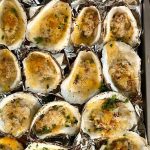


The truth is that cooking oysters at home is surprisingly easy and significantly more affordable than ordering them at a high-end raw bar. Whether you prefer them fresh and raw, bubbling with cheese in the oven, or charred to perfection on the grill, oysters are versatile and require very little cooking time. With a few basic tips and some straightforward recipes, you can transform your kitchen into a gourmet seafood shack.
In this comprehensive guide, we will walk you through everything you need to know about selecting, handling, and cooking oysters. We have curated a selection of easy oyster recipes that range from the purist’s raw delight to rich, savory baked dishes that will impress any guest.
How to Select and Store Fresh Oysters
Before you start cooking, the most critical step is sourcing high-quality ingredients. Unlike frozen fish or canned goods, oysters are sold live. This means freshness is paramount for both flavor and food safety. When visiting your local fishmonger or seafood counter, look for shells that are tightly closed. If a shell is slightly open, tap it gently; if it doesn’t snap shut immediately, the oyster is dead and must be discarded.
Smell is your best indicator. Fresh oysters should smell like the ocean—clean, salty, and brisk. They should never smell fishy, sour, or ammonia-like. Additionally, the oysters should feel heavy for their size, indicating they are full of water (often called the ‘liquor’) and meat.
Once you get them home, proper storage is vital. Do not store live oysters in water or in an airtight container, as they need to breathe. Instead, place them cup-side down in a bowl or on a baking sheet and cover them with a damp cloth. Keep them in the coldest part of your refrigerator and aim to consume them within 24 hours of purchase.
Mastering the Shuck: Tips for Beginners
Shucking is often the barrier to entry for home cooks, but with the right tool, it is a manageable skill. You will need an oyster knife—which has a dull, thick blade—and a thick kitchen towel or a protective glove. Never use a standard kitchen knife, as the blade can snap or slip, causing injury.
To shuck, fold the towel over the oyster to protect your hand, leaving the hinge exposed. Insert the tip of the oyster knife into the hinge and wiggle it gently until you feel it catch. Twist the knife like a doorknob to pop the seal. Once the shell pops, slide the knife along the top shell to sever the muscle, remove the top shell, and then slide under the meat to sever the bottom muscle. Try to retain as much of the natural liquid inside the shell as possible.
1. Classic Raw Oysters with Mignonette Sauce
If you have fresh, high-quality oysters, eating them raw is the best way to appreciate their unique terroir. While a squeeze of lemon and a dash of hot sauce is the standard American way to eat them, a classic French Mignonette sauce elevates the experience by adding a sharp, vinegary contrast to the creamy oyster.
- 12 fresh oysters, shucked
- 1/2 cup red wine vinegar
- 2 tablespoons minced shallots
- 1/2 teaspoon freshly cracked black pepper
- Lemon wedges for serving
Instructions: Simply mix the vinegar, shallots, and pepper in a small bowl and let it sit for at least 30 minutes to allow the flavors to meld. Arrange your shucked oysters on a bed of crushed ice to keep them cold. Spoon a tiny amount (about half a teaspoon) of the sauce onto each oyster just before eating.
2. Easy Baked Oysters Rockefeller
Perhaps the most famous cooked oyster dish in the world, Oysters Rockefeller was created in New Orleans in 1899. The original recipe is a secret, but modern versions are incredibly delicious and perfect for those who are hesitant about raw textures. This version is simplified for the home cook.
- 12 oysters, shucked
- 2 tablespoons butter
- 2 cloves garlic, minced
- 1 cup fresh spinach, chopped
- 1/4 cup breadcrumbs
- 2 tablespoons Parmesan cheese
- 1 tablespoon anise liqueur (optional) or a pinch of fennel seeds
Instructions: Preheat your oven to 450°F (230°C). In a skillet, melt the butter and sauté the garlic and spinach until wilted. Stir in the anise or fennel if using. Place the shucked oysters on a baking sheet (you can use rock salt or crumpled foil to keep them upright). Top each oyster with the spinach mixture, then sprinkle with breadcrumbs and Parmesan. Bake for 10-12 minutes until the topping is golden brown and bubbling.
3. Garlic Butter Grilled Oysters
Grilling oysters adds a smoky dimension that pairs beautifully with the natural brininess of the seafood. This method is also excellent because the heat of the grill can help pop the shells open if you struggle with shucking raw oysters.
- 12 large oysters
- 4 tablespoons unsalted butter, softened
- 2 cloves garlic, crushed
- 1 tablespoon fresh parsley, chopped
- 1 teaspoon lemon juice
- Hot sauce (optional)
Instructions: Preheat your grill to medium-high heat. Mix the butter, garlic, parsley, lemon juice, and hot sauce in a small bowl. Place the oysters (cup side down) directly on the grill grates. Cover the grill and cook for 3-5 minutes until the shells open slightly. Remove them carefully with tongs (discard any that don’t open). Remove the top shell, add a dollop of the butter mixture to each, and return to the grill for 1-2 minutes until the butter boils.
4. Crispy Pan-Fried Oysters
Fried oysters are a staple of coastal comfort food. They are delicious on their own with tartar sauce or served inside a soft roll for a classic Po’ Boy sandwich. The key is a light coating that crunches without overwhelming the delicate meat.
- 1 pint shucked oysters, drained
- 1 cup all-purpose flour or cornmeal
- 1 egg, beaten
- 1 cup Panko breadcrumbs
- Oil for frying
- Salt and paprika to taste
Instructions: Set up a breading station with three bowls: one with seasoned flour, one with the beaten egg, and one with Panko. Dredge each oyster in flour, dip in egg, and coat in Panko. Heat about an inch of oil in a skillet to 375°F. Fry the oysters in batches for about 2-3 minutes until golden brown. Drain on a wire rack to keep them crisp.
5. Asian-Style Steamed Oysters
For a lighter, aromatic alternative, steaming oysters preserves their tender texture while infusing them with savory Asian flavors. This method is incredibly gentle and healthy.
- 12 fresh oysters
- 1 tablespoon fresh ginger, julienned
- 1 scallion, sliced thinly
- 1 tablespoon soy sauce
- 1 teaspoon sesame oil
Instructions: Set up a steamer basket over boiling water. Place the oysters (whole or on the half shell) in the steamer. Steam for 5-7 minutes until the meat curls at the edges. Remove from heat. Drizzle with soy sauce and sesame oil, and garnish with fresh ginger and scallions immediately before serving.
Health Benefits of Eating Oysters
Beyond their delicious taste, oysters are a nutritional powerhouse. They are packed with high-quality protein while being low in calories and fat. Most notably, oysters are one of the best natural sources of zinc, a mineral essential for immune system health and metabolism.
They also contain high levels of Vitamin B12, Vitamin D, iron, and omega-3 fatty acids. Incorporating oysters into your diet can support heart health and improve energy levels, making them a smart choice for health-conscious diners.
Common Mistakes to Avoid
While cooking oysters is straightforward, a few common errors can ruin the experience. The most frequent mistake is overcooking. Oysters are delicate; if cooked too long, they become rubbery and tough. Remove them from the heat as soon as the edges curl or the butter begins to bubble.
Another mistake is spilling the liquor. The clear liquid inside the shell is full of flavor. When shucking or handling, try to keep the shell level to preserve this brine. It acts as a natural sauce and keeps the meat moist during cooking.
Finally, avoid over-seasoning. Oysters have a distinct, subtle flavor profile. Heavy sauces, too much cheese, or excessive salt can mask the taste of the ocean that makes oysters so special. Use toppings that complement rather than dominate.
Frequently Asked Questions (FAQ)
Q: Can I cook oysters without shucking them first?
A: Yes! If you are grilling or steaming, you can cook them whole. The heat will cause the shell to pop open. However, for baked recipes like Rockefeller, you must shuck them first to apply the toppings.
Q: How long can I keep fresh oysters in the fridge?
A: It is best to eat them the day you buy them, but properly stored live oysters (covered with a damp cloth, not in water) can last up to 5-7 days. If they smell bad or the shells are gaping open, throw them away.
Q: Are oysters safe to eat raw?
A: Raw oysters are a delicacy, but they do carry a risk of bacteria like Vibrio, especially for those with compromised immune systems. Cooking oysters to an internal temperature of 145°F destroys these bacteria.
Conclusion
Bringing the oyster bar experience into your home kitchen is easier than you might think. Whether you choose to master the art of shucking for a raw platter or prefer the ease of grilling them whole, these easy oyster recipes provide a variety of ways to enjoy this sustainable seafood.
By following the tips for selection and storage, and avoiding common cooking pitfalls, you can prepare impressive, restaurant-quality meals for friends and family. So, the next time you see fresh oysters at the market, don’t hesitate to pick up a dozen and start cooking.