
What is Gulai Ikan? A Culinary Overview
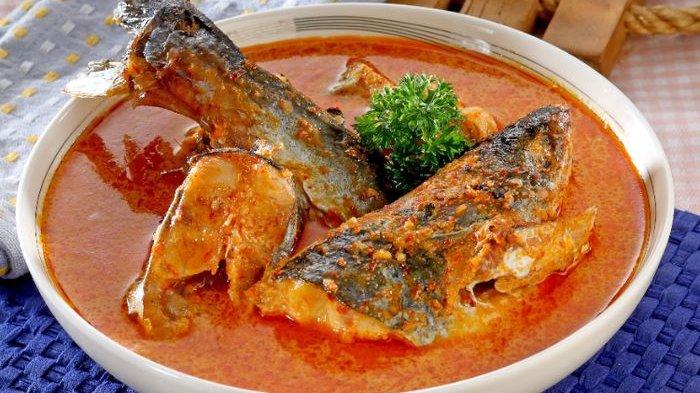
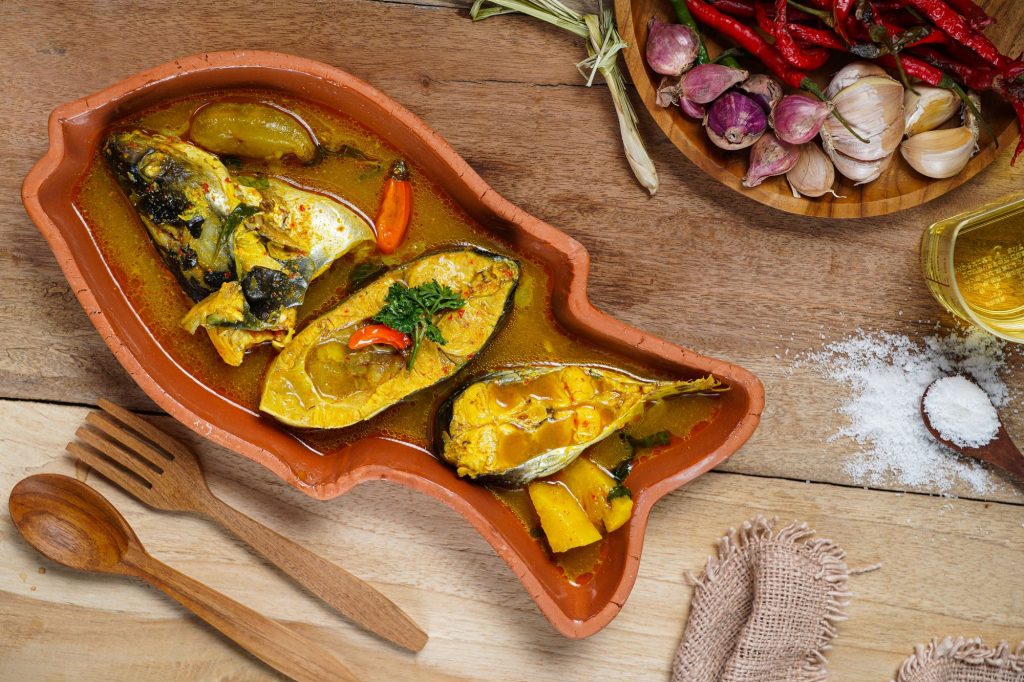
Gulai Ikan is a traditional Indonesian fish curry characterized by its thick, creamy sauce, complex spice blend, and the use of fresh, locally sourced fish. The dish is a staple in many parts of Indonesia, particularly in Sumatra and the Malay Peninsula, with each region boasting its unique variations. Riau’s version of Gulai Ikan is known for its generous use of coconut milk, which contributes to its rich and velvety texture, and its carefully balanced blend of spices that create a harmonious symphony of flavors.
The key to a truly exceptional Gulai Ikan lies in the quality of the ingredients. Fresh fish is paramount, and the spice blend, known as bumbu, must be carefully prepared to ensure the right balance of sweet, savory, spicy, and aromatic notes. The cooking process itself is also crucial, as the slow simmering allows the flavors to meld together and deepen over time.
Choosing the Right Fish: The Foundation of Flavor
- Snapper (Kakap): Snapper is a popular choice due to its firm, white flesh and mild flavor, which allows the spices to shine through.
- Grouper (Kerapu): Grouper is another excellent option with a similar texture and flavor profile to snapper.
- Pomfret (Bawal): Pomfret offers a slightly richer flavor and a delicate texture that holds up well in the curry.
- Mackerel (Tenggiri): Mackerel has a bolder flavor that complements the spices beautifully. Be mindful of potential bones.
- Spanish Mackerel (Ikan Batang): A very popular choice in Riau, offering a firm texture and rich flavor.
Regardless of the type of fish you choose, ensure it is fresh and of high quality. Look for bright, clear eyes, firm flesh that springs back when touched, and a fresh, sea-like smell. Ask your fishmonger to clean and gut the fish for you, or learn how to do it yourself for ultimate control over the preparation process. You can choose to cook the fish whole, in fillets, or cut into steaks, depending on your preference.
The Essential Spice Blend (Bumbu): Unlocking the Flavor Secrets
- Red Chilies (Cabai Merah): Provide heat and color. Adjust the quantity based on your spice preference.
- Bird’s Eye Chilies (Cabai Rawit): Add a fiery kick. Use sparingly if you prefer a milder dish.
- Shallots (Bawang Merah): Contribute a sweet and savory base flavor.
- Garlic (Bawang Putih): Adds pungency and depth.
- Ginger (Jahe): Imparts warmth and a slightly spicy aroma.
- Turmeric (Kunyit): Gives the dish its vibrant yellow color and earthy flavor.
- Galangal (Lengkuas): Offers a citrusy and slightly peppery note.
- Candlenuts (Kemiri): Thicken the sauce and add a creamy richness.
- Coriander Seeds (Ketumbar): Provide a warm, citrusy, and slightly nutty flavor.
- Cumin Seeds (Jintan): Add an earthy and slightly bitter note.
- White Peppercorns (Merica): Contribute a subtle heat and complexity.
- Turmeric Leaves (Daun Kunyit): Infuse the dish with a unique aroma. Tie them in a knot to easily remove them later.
- Kaffir Lime Leaves (Daun Jeruk): Add a bright, citrusy fragrance.
- Lemongrass (Sereh): Provides a refreshing, lemony aroma. Bruise the stalk to release its flavors.
To prepare the bumbu, you will need to grind all the ingredients into a smooth paste. Traditionally, this is done using a mortar and pestle, which allows you to extract the maximum flavor from the spices. However, you can also use a food processor or blender for convenience. If using a food processor or blender, you may need to add a little water or oil to help the ingredients blend smoothly.
The Recipe: A Step-by-Step Guide to Gulai Ikan Khas Riau
- 1 kg of your chosen fish, cleaned and cut into desired pieces
- 200 ml thick coconut milk (santan kental)
- 500 ml thin coconut milk (santan encer)
- 2 tbsp vegetable oil
- 1 tsp tamarind paste (asam jawa), dissolved in 2 tbsp water
- 1 tsp salt, or to taste
- 1/2 tsp sugar, or to taste
- 10 red chilies, deseeded if desired
- 5 bird’s eye chilies (optional)
- 10 shallots
- 5 cloves garlic
- 2 cm ginger, peeled
- 3 cm turmeric, peeled
- 2 cm galangal, peeled
- 5 candlenuts, roasted
- 1 tbsp coriander seeds, toasted
- 1 tsp cumin seeds, toasted
- 1/2 tsp white peppercorns
- 2 turmeric leaves, tied in a knot
- 5 kaffir lime leaves
- 2 lemongrass stalks, bruised
- Prepare the Bumbu: Grind all the bumbu ingredients into a smooth paste using a mortar and pestle, food processor, or blender.
- Sauté the Bumbu: Heat the vegetable oil in a large pot or Dutch oven over medium heat. Add the bumbu paste and sauté for 5-7 minutes, or until fragrant and the oil starts to separate from the paste. Stir frequently to prevent burning.
- Add the Coconut Milk: Pour in the thin coconut milk and bring to a simmer. Add the turmeric leaves, kaffir lime leaves, and lemongrass stalks.
- Simmer the Sauce: Reduce the heat to low and simmer for 15-20 minutes, allowing the flavors to meld together. Stir occasionally.
- Add the Fish: Gently add the fish pieces to the simmering sauce. Cook for 8-10 minutes, or until the fish is cooked through and flakes easily with a fork. Be careful not to overcook the fish, as it will become dry and tough.
- Stir in the Thick Coconut Milk: Stir in the thick coconut milk and tamarind water. Simmer for another 5 minutes, or until the sauce has thickened slightly.
- Season and Serve: Season with salt and sugar to taste. Remove the turmeric leaves, kaffir lime leaves, and lemongrass stalks before serving. Serve hot with steamed rice.
Tips and Tricks for the Perfect Gulai Ikan
- Use Fresh Ingredients: The quality of your ingredients will directly impact the flavor of your Gulai Ikan. Always use fresh fish, spices, and coconut milk.
- Toast the Spices: Toasting the coriander and cumin seeds before grinding them enhances their flavor and aroma.
- Don’t Overcook the Fish: Overcooked fish will be dry and tough. Cook the fish just until it is cooked through and flakes easily with a fork.
- Adjust the Spice Level: Adjust the amount of chilies to your liking. If you prefer a milder dish, remove the seeds from the chilies or use fewer chilies.
- Use Good Quality Coconut Milk: Good quality coconut milk will be thick and creamy. Avoid using coconut milk that is too watery.
- Simmer Slowly: Simmering the sauce slowly allows the flavors to meld together and deepen over time.
- Let it Rest: Allowing the Gulai Ikan to rest for a few minutes before serving allows the flavors to further develop.
Variations and Adaptations: Exploring the Possibilities
- Vegetable Additions: Add vegetables such as eggplant, green beans, or potatoes to the curry for added texture and nutrition.
- Seafood Variations: Experiment with different types of seafood, such as shrimp, squid, or mussels.
- Tofu or Tempeh: For a vegetarian option, substitute the fish with tofu or tempeh.
- Regional Variations: Explore different regional variations of Gulai Ikan, such as Gulai Ikan Padang or Gulai Ikan Aceh.
- Spice Level Adjustments: Tailor the spice level to your preference by adjusting the amount and type of chilies used.
Serving Suggestions: Completing the Culinary Experience
- Sambal: A spicy chili sauce that adds an extra kick.
- Kerupuk: Crispy crackers that provide a textural contrast.
- Acar: Pickled vegetables that offer a refreshing and tangy counterpoint to the rich curry.
- Gado-Gado: An Indonesian salad with peanut sauce.
A simple and refreshing drink like iced tea or fresh coconut water pairs well with Gulai Ikan.
The Cultural Significance of Gulai Ikan
Gulai Ikan is more than just a delicious dish; it is a symbol of Riau’s culinary heritage and cultural identity. It is often served during special occasions, such as weddings, festivals, and family gatherings, and it is a source of pride for the people of Riau. The dish reflects the region’s rich maritime history and its abundance of fresh seafood and spices. Learning to make Gulai Ikan is not just about mastering a recipe; it is about connecting with a culture and appreciating the culinary traditions that have been passed down through generations.
Conclusion: A Culinary Journey Worth Taking
Making Gulai Ikan Khas Riau is a rewarding culinary experience that will transport you to the heart of Indonesian cuisine. By following this comprehensive guide, you can confidently recreate this authentic dish in your own kitchen and impress your family and friends with your newfound culinary skills. From selecting the freshest fish to mastering the complex spice blend, every step of the process is an opportunity to learn, experiment, and appreciate the rich flavors and cultural significance of this iconic Indonesian dish. So, gather your ingredients, sharpen your knives, and embark on a culinary journey that will tantalize your taste buds and leave you with a deep appreciation for the art of Indonesian cooking. Selamat makan! (Enjoy your meal!)
Further Exploration: Beyond the Recipe
To truly appreciate Gulai Ikan, consider delving deeper into the world of Indonesian cuisine. Explore different regional variations of gulai, learn about the history and cultural significance of Indonesian spices, and experiment with other traditional dishes. Visit an Indonesian restaurant or market to experience the authentic flavors and aromas of the country. With a little curiosity and a willingness to learn, you can unlock a world of culinary delights and expand your appreciation for the rich and diverse food culture of Indonesia.
By understanding the nuances of Indonesian cooking, you’ll not only become a better cook but also gain a deeper appreciation for the culture and traditions that shape this vibrant and fascinating country.
Enjoy the journey, and happy cooking!