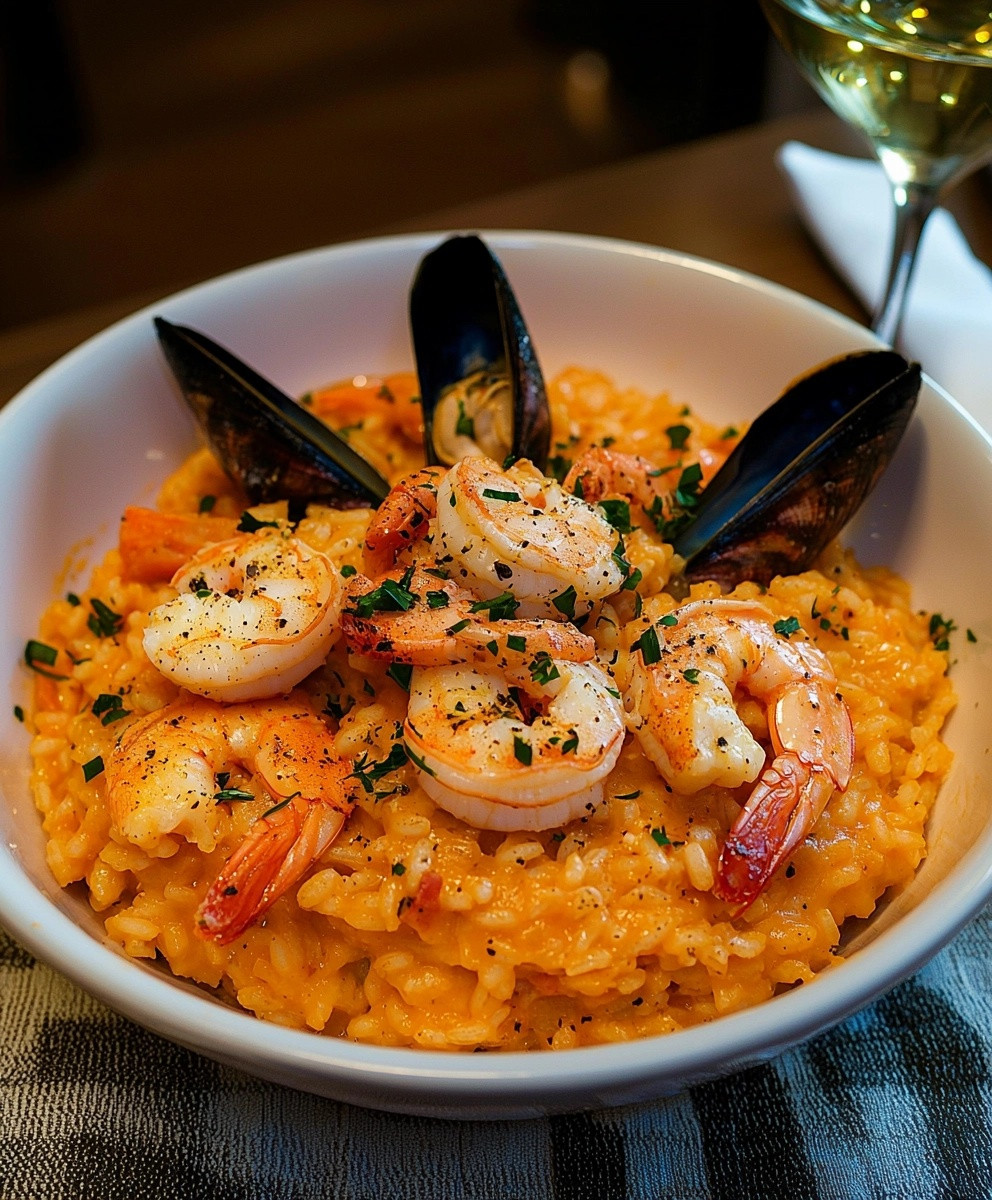
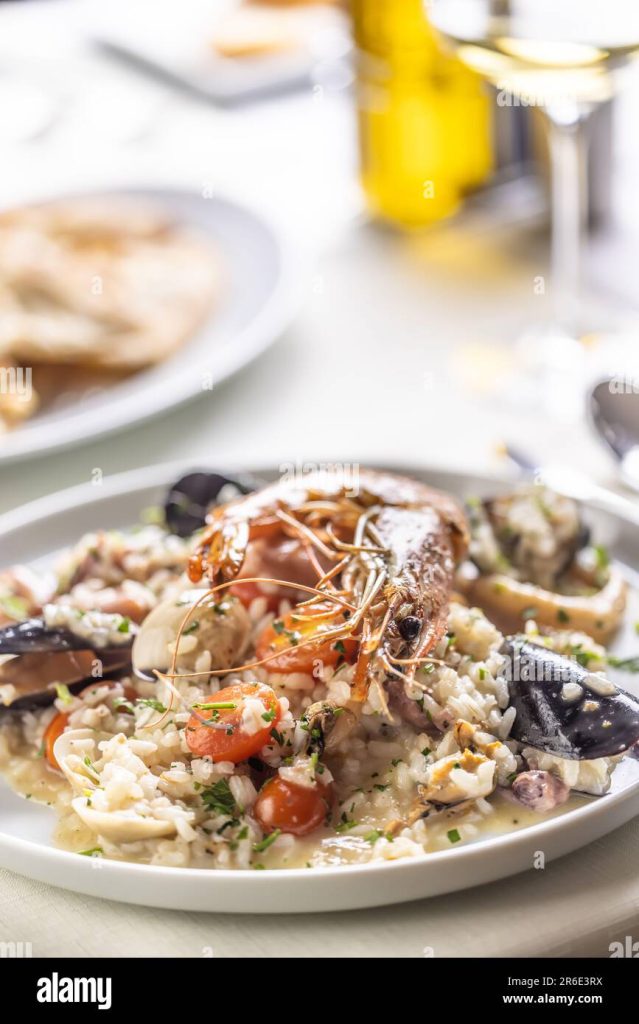

Understanding the Essence of Risotto
Before diving into the specifics of seafood risotto, it’s crucial to understand the fundamental principles that make a risotto truly exceptional. Risotto is more than just rice cooked in broth; it’s a slow and deliberate process that requires patience, attention, and a touch of finesse. The key lies in the gradual addition of warm broth, allowing the rice to slowly release its starches, creating a naturally creamy texture without the need for cream or other thickening agents.
Choosing the Right Rice: The Foundation of a Great Risotto
- Arborio: This is the most widely available and commonly used risotto rice. It has a high starch content and a slightly chewy texture.
- Carnaroli: Considered the ‘king’ of risotto rice, Carnaroli has an even higher starch content than Arborio and maintains its shape exceptionally well during cooking. It produces a creamier and more stable risotto.
- Vialone Nano: This variety has a smaller grain and a higher starch content than Arborio, resulting in a very creamy and delicate risotto.
For beginners, Arborio rice is a great starting point due to its availability and forgiving nature. As you gain experience, you can experiment with Carnaroli or Vialone Nano to explore their unique characteristics.
Selecting the Freshest Seafood: From the Sea to Your Plate
- Shrimp: Choose medium to large shrimp, peeled and deveined.
- Mussels: Select mussels with tightly closed shells. Discard any that are open or cracked.
- Clams: Similar to mussels, choose clams with tightly closed shells.
- Scallops: Opt for dry-packed scallops, which haven’t been treated with chemicals to retain water.
- Calamari: Look for tubes and tentacles that are firm and have a fresh, clean scent.
- Lobster (Optional): Adding lobster meat can elevate your risotto to a truly luxurious level.
Remember to properly clean and prepare your seafood before cooking. Rinse shrimp, mussels, and clams thoroughly under cold water. Scrub mussels and clams to remove any barnacles or debris. Pat scallops and calamari dry before searing.
The Importance of Stock: The Flavor Base of Your Risotto
The stock you use is just as important as the rice and seafood. A good quality fish stock will provide the foundation of flavor for your risotto. You can use store-bought fish stock, but homemade stock is always preferable for its richer and more complex flavor. To make your own fish stock, simmer fish bones, shrimp shells, vegetable scraps (such as onion, celery, and carrot), and herbs in water for several hours. Strain the stock and discard the solids.
If you don’t have fish stock, you can use chicken broth as a substitute, but be aware that it will slightly alter the flavor profile of your risotto.
Essential Ingredients: Building Blocks of Flavor
- Olive Oil: Use a good quality extra virgin olive oil for sautéing the aromatics and adding richness to the dish.
- Onion and Garlic: These aromatics form the base of the flavor profile. Finely chop them for even cooking.
- White Wine: A dry white wine, such as Pinot Grigio or Sauvignon Blanc, adds acidity and complexity to the risotto.
- Butter: A knob of butter added at the end of cooking contributes to the creamy texture and richness.
- Parmesan Cheese: Freshly grated Parmesan cheese adds a salty, umami flavor and helps to bind the risotto together.
- Fresh Herbs: Parsley, chives, and basil are excellent choices for garnishing and adding a fresh, herbaceous note.
- Lemon: A squeeze of lemon juice brightens the flavors and balances the richness of the dish.
- Salt and Pepper: Season generously to enhance the flavors of all the ingredients.
The Recipe: A Step-by-Step Guide to Seafood Risotto Perfection
- 1 tablespoon olive oil
- 1 small onion, finely chopped
- 2 cloves garlic, minced
- 1 1/2 cups Arborio rice
- 1/2 cup dry white wine
- 6 cups fish stock, warmed
- 1 pound mixed seafood (shrimp, mussels, clams, scallops, calamari), cleaned and prepared
- 2 tablespoons butter
- 1/4 cup freshly grated Parmesan cheese
- 2 tablespoons chopped fresh parsley
- Salt and pepper to taste
- Lemon wedges for serving
- Sauté the Aromatics: In a large, heavy-bottomed pot or Dutch oven, heat the olive oil over medium heat. Add the onion and cook until softened, about 5 minutes. Add the garlic and cook for another minute until fragrant. Be careful not to burn the garlic.
- Toast the Rice: Add the Arborio rice to the pot and toast for 2-3 minutes, stirring constantly. This helps to prevent the rice from becoming mushy during cooking. The rice should become translucent around the edges.
- Deglaze with Wine: Pour in the white wine and stir until it is completely absorbed by the rice. This will add a layer of complexity and acidity to the dish.
- Add the Stock Gradually: Add one cup of warm fish stock to the rice and stir constantly until it is absorbed. Continue adding the stock, one cup at a time, stirring constantly and allowing each addition to be absorbed before adding the next. This process will take about 20-25 minutes.
- Cook the Seafood: While the rice is cooking, prepare the seafood. In a separate pan, sauté the shrimp, scallops, and calamari in a little olive oil until cooked through. Steam the mussels and clams until they open. Discard any mussels or clams that do not open.
- Combine Seafood and Rice: Once the rice is cooked al dente (slightly firm to the bite) and has a creamy consistency, gently stir in the cooked seafood, butter, and Parmesan cheese. Season with salt and pepper to taste.
- Garnish and Serve: Garnish with fresh parsley and serve immediately with lemon wedges.
Tips for Risotto Success: Mastering the Art of Creaminess
- Use Warm Stock: Warming the stock before adding it to the rice helps to maintain the cooking temperature and ensures even cooking.
- Stir Constantly: Stirring the risotto constantly is crucial for releasing the starches from the rice and creating a creamy texture.
- Don’t Overcook the Rice: The rice should be cooked al dente, with a slight bite to it. Overcooked rice will result in a mushy risotto.
- Adjust the Stock as Needed: You may need to adjust the amount of stock depending on the type of rice you use and the heat of your stove. The risotto should be creamy but not soupy.
- Serve Immediately: Risotto is best served immediately after cooking, as it will continue to thicken as it cools.
Variations and Adaptations: Exploring the World of Seafood Risotto
- Add Vegetables: Incorporate vegetables such as asparagus, peas, or zucchini for added flavor and texture.
- Use Different Seafood: Try using different combinations of seafood, such as crab meat, lobster, or smoked salmon.
- Spice it Up: Add a pinch of red pepper flakes for a touch of heat.
- Infuse the Stock: Infuse the stock with saffron for a vibrant color and unique flavor.
- Add Herbs: Experiment with different herbs, such as thyme, rosemary, or oregano.
Pairing Seafood Risotto: Complementing the Flavors
Seafood risotto pairs beautifully with a variety of wines. A crisp, dry white wine, such as Pinot Grigio, Sauvignon Blanc, or Vermentino, is a classic choice. The acidity of the wine will cut through the richness of the risotto and complement the delicate flavors of the seafood. You can also pair seafood risotto with a light-bodied rosé wine or a sparkling wine, such as Prosecco.
For a non-alcoholic option, try serving seafood risotto with a sparkling water infused with lemon and herbs.
Storage and Reheating: Preserving the Flavors
While risotto is best served fresh, you can store leftovers in an airtight container in the refrigerator for up to 24 hours. To reheat, add a splash of stock or water to the risotto and gently heat it over low heat, stirring constantly, until warmed through. Be careful not to overcook the risotto, as it can become mushy.
Conclusion: A Culinary Masterpiece Within Reach
Seafood risotto is a truly exquisite dish that is surprisingly easy to make at home. By following this comprehensive guide, you can master the art of creating a creamy, flavorful, and authentic seafood risotto that will impress your family and friends. So, gather your ingredients, embrace the process, and embark on a culinary journey to the heart of Italy.
Buon appetito!