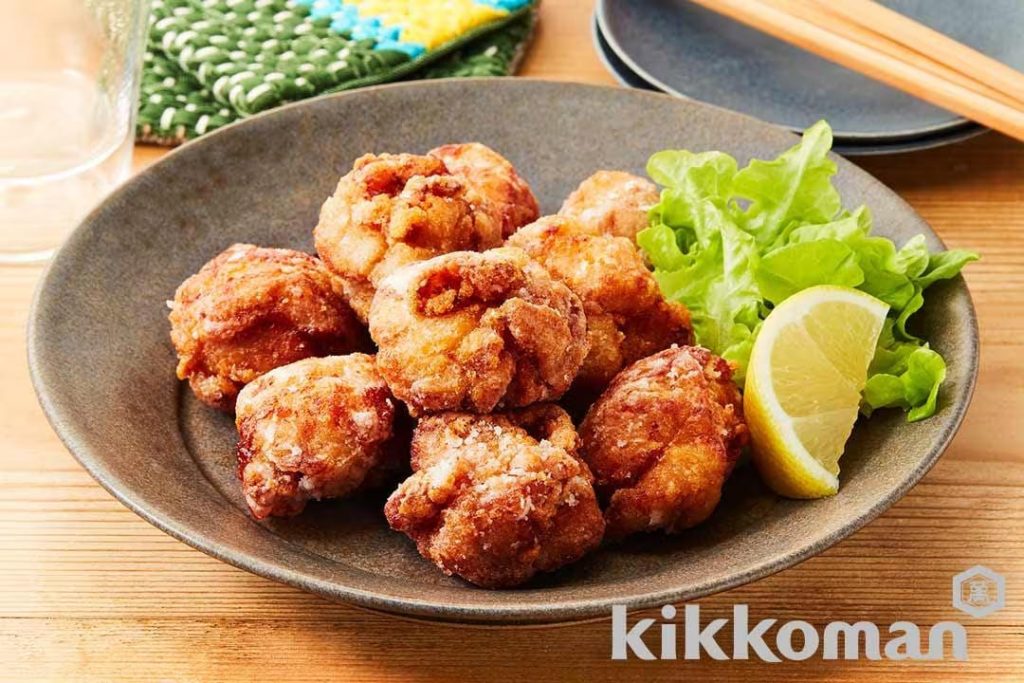

Tatsutaage, much like its cousin karaage, involves marinating protein before frying. However, its unique characteristics set it apart, primarily through its distinctive marinade and the choice of coating. The name itself is believed to originate from the Tatsuta River, famous for its autumn leaves, with the potato starch coating resembling the scattered red leaves against the white riverbed once fried. This poetic imagery hints at the beautiful golden-brown finish achieved through this method.
This comprehensive guide will delve deep into the art and science of Tatsutaage, providing you with all the knowledge and techniques required to master this exquisite dish. Whether you’re aiming to create a classic chicken Tatsutaage or explore the delicate nuances of seafood Tatsutaage, we’ll cover every step, from ingredient selection to the final, perfect crunch. Prepare to elevate your home cooking with this authentic Japanese staple.
The essence of Tatsutaage lies in its simplicity yet precision. Unlike tempura, which uses a light batter, Tatsutaage relies on a direct coating of starch, typically potato starch (katakuriko). This starch, when combined with a specific marinade, creates a remarkably crisp and airy crust that is less dense than a flour-based coating and offers a unique texture that shatters delightfully with each bite. It’s a testament to how subtle differences in technique can lead to vastly different culinary experiences.
The signature marinade for Tatsutaage is a carefully balanced blend of Japanese soy sauce, sake (Japanese rice wine), and mirin (sweet rice wine), often accentuated with freshly grated ginger. This combination not only infuses the protein with umami and a subtle sweetness but also helps to tenderize it, ensuring a moist and flavorful interior. The alcohol in sake also aids in carrying flavors deeper into the meat and evaporates during frying, leaving behind only the essence of its taste.
Understanding the distinction between Tatsutaage and Karaage is crucial for appreciating its unique profile. While both are Japanese fried dishes, Karaage often uses a mixture of flour and potato starch, and its marinade might include garlic in addition to ginger, soy sauce, and sake. Tatsutaage, by contrast, traditionally leans solely on potato starch for its coating, resulting in a lighter, almost translucent crispiness, and typically emphasizes ginger in its marinade, giving it a distinct aromatic quality.
The choice of potato starch (katakuriko) is perhaps the most critical element in achieving authentic Tatsutaage. Its unique molecular structure allows it to create a thin, incredibly crispy, and almost glassy coating when fried, which holds up well against moisture from the marinated protein. While cornstarch can be used as a substitute in a pinch, it generally yields a harder, less delicate crust. For the true Tatsutaage experience, investing in good quality potato starch is highly recommended.
Let’s explore the essential ingredients that form the backbone of any successful Tatsutaage dish. Each component plays a vital role in building the layered flavors and textures that define this Japanese delicacy.
For the main protein, versatility is key.
- Chicken: Chicken thighs are the preferred choice for their rich flavor and high fat content, which keeps them exceptionally juicy during frying. Boneless, skinless thighs cut into bite-sized pieces are ideal. Chicken breast can also be used, but care must be taken to avoid overcooking and drying it out.
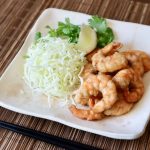
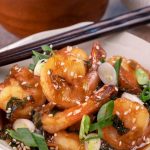
- Seafood: A wide array of seafood shines in Tatsutaage. Firm white fish fillets such as cod, snapper, or tilapia work wonderfully. Salmon offers a richer flavor profile. Shrimp, squid rings, and even scallops can be prepared using this method, each offering a unique texture and taste experience.
The marinade is where the magic truly begins.
- Soy Sauce: The foundation of umami. Use a good quality Japanese soy sauce (shoyu) for the best flavor.
- Sake: Adds depth, tenderizes the protein, and removes any unwanted odors from fish or chicken. Look for cooking sake (ryorishu) or a dry drinking sake.
- Mirin: Provides a subtle sweetness and a beautiful glaze to the fried product. Hon-mirin (true mirin) is preferred, but mirin-fu chomiryo (mirin-like seasoning) can be used.
- Fresh Ginger: Absolutely essential. Grated fresh ginger provides a pungent, aromatic warmth that is characteristic of Tatsutaage. Do not substitute with dried ginger powder.
- Garlic (Optional): While traditional Tatsutaage often focuses on ginger, a small amount of grated garlic can be added for an extra layer of savory depth, especially with chicken.
- Black Pepper: Freshly ground black pepper adds a subtle kick.
- Sesame Oil (Optional): A tiny dash of toasted sesame oil can introduce an appealing nutty aroma to the marinade.
For the coating, potato starch (katakuriko) is non-negotiable for achieving the signature crispness. Ensure you have enough to generously coat all your protein pieces. For frying, a neutral-flavored oil with a high smoke point is best, such as canola oil, vegetable oil, grapeseed oil, or rice bran oil. You’ll need enough oil to deep-fry, typically filling your pot or deep skillet to a depth of 2-3 inches.
Now, let’s walk through the general steps to create perfect Tatsutaage, applicable whether you’re using chicken or seafood. Precision in each stage contributes to the final, delicious outcome.
Step 1: Prepare Your Protein. For chicken, cut boneless, skinless thighs into uniform, bite-sized pieces (about 1.5 to 2 inches). For fish, cut fillets into similar-sized pieces. Shrimp should be peeled and deveined, leaving tails on or off as preferred. Squid rings should be cleaned. Pat all protein pieces thoroughly dry with paper towels. This step is crucial for the marinade to adhere properly and for achieving a crispy crust.
Step 2: Marinate for Flavor. In a bowl, combine your soy sauce, sake, mirin, and freshly grated ginger. Add the prepared protein pieces and toss well to ensure every piece is coated. For chicken, marinate for at least 30 minutes, or ideally 1-2 hours in the refrigerator. For delicate seafood like fish or shrimp, a shorter marination time of 15-30 minutes is sufficient to prevent the flavors from becoming overpowering or the texture from breaking down.
Step 3: Coat with Potato Starch. Once marinated, remove the protein pieces from the marinade, allowing any excess liquid to drip off. You can gently pat them again if they seem too wet. Place the potato starch in a shallow dish or a sturdy plastic bag. Dredge each piece of protein generously in the starch, ensuring it’s completely and evenly coated. Shake off any excess starch. For best results, let the coated pieces rest on a wire rack for 5-10 minutes; this allows the starch to hydrate and adhere better, leading to a crispier coating.
Step 4: Deep-Fry to Perfection. Heat your chosen frying oil in a deep pot or wok to approximately 340-350°F (170-175°C). It’s highly recommended to use a kitchen thermometer to monitor the oil temperature, as consistent heat is key. Carefully add the coated protein pieces to the hot oil in batches. Do not overcrowd the pan, as this will drop the oil temperature and result in soggy, greasy Tatsutaage. Fry until golden brown and cooked through.
Step 5: Drain and Serve. Once fried, remove the Tatsutaage pieces from the oil using a slotted spoon or spider strainer. Transfer them to a wire rack placed over paper towels to drain excess oil. This helps maintain their crispiness. Season immediately with a pinch of salt, if desired, and serve hot.
Let’s refine the process for chicken Tatsutaage, focusing on techniques that maximize flavor and juiciness.
For chicken Tatsutaage, boneless, skinless chicken thighs are truly the star. Cut them into pieces roughly 1.5 to 2 inches in size. This ensures they cook evenly and remain tender. A typical marinade ratio for about 1 pound of chicken would be 2 tablespoons soy sauce, 1 tablespoon sake, 1 tablespoon mirin, and 1-2 teaspoons freshly grated ginger. You can also add half a teaspoon of grated garlic for a deeper umami profile. Marinate for at least 1 hour, or up to 4 hours, for the flavors to fully penetrate.
When frying chicken Tatsutaage, maintain an oil temperature of 340-350°F (170-175°C). Fry chicken pieces for about 3-4 minutes per side, or until they reach a deep golden brown and are cooked through. For extra crispiness and to ensure thorough cooking, consider a double-fry method: fry the chicken once until lightly golden and cooked through (about 3-4 minutes), remove and rest for a few minutes, then increase the oil temperature to 360°F (180°C) and fry again for 1-2 minutes until deeply golden and extra crispy.
Now, let’s adapt the Tatsutaage technique for the delicate nature of seafood, ensuring it remains tender and flavorful.
When selecting seafood, freshness is paramount. For white fish, opt for firm, flaky varieties like cod, haddock, snapper, or halibut. Salmon also works beautifully. Cut fish fillets into pieces roughly 1.5 inches wide. For shrimp, use medium to large sizes, peeled and deveined. Squid can be cut into rings. Always pat seafood very dry before marinating; this is even more critical for seafood than for chicken, as excess moisture can lead to splattering and a less crispy crust.
The marinade for seafood Tatsutaage can be slightly lighter and shorter in duration. For about 1 pound of fish or shrimp, use 1.5 tablespoons soy sauce, 1 tablespoon sake, 1 tablespoon mirin, and 1 teaspoon freshly grated ginger. You might omit garlic to let the natural sweetness of the seafood shine. Marinate fish for 15-20 minutes, and shrimp or squid for no more than 10-15 minutes, as prolonged marination can begin to ‘cook’ or toughen the delicate proteins.
Frying seafood Tatsutaage requires a slightly higher oil temperature and shorter cooking times. Heat oil to 350-360°F (175-180°C). Fry fish pieces for about 2-3 minutes per side, or until golden brown and cooked through. Shrimp will cook even faster, typically 1-2 minutes per side until pink and curled. Squid rings need only about 1 minute per side to prevent them from becoming rubbery. Overcooking seafood will result in a dry, tough texture, so watch it carefully.
For seafood, the double-fry method can still be employed for maximum crispness, but the second fry should be very quick, perhaps 30-60 seconds, at a slightly higher temperature (360-375°F / 180-190°C) to avoid drying out the interior.
Achieving truly exceptional Tatsutaage involves more than just following a recipe. These tips and tricks will help you elevate your frying game and consistently produce perfect results.
1. Don’t Overcrowd the Pan: This is a golden rule for all deep-frying. Overcrowding drops the oil temperature significantly, leading to greasy, soggy food. Fry in small batches, giving each piece ample space.
2. Maintain Oil Temperature: Use a thermometer to keep the oil within the recommended range. If it gets too low, your food will absorb too much oil. If it’s too high, the exterior will burn before the interior cooks.
3. Pat Dry Thoroughly: Moisture is the enemy of crispiness. Ensure your protein is as dry as possible before marinating and again before coating with starch.
4. Even Coating is Key: Make sure every surface of your protein is evenly coated with potato starch. This ensures uniform crispiness and protection during frying.
5. The Power of Double Frying: For the ultimate crispiness, especially with chicken, double frying is a game-changer. The first fry cooks the interior and sets the crust, while the second, hotter fry expels residual moisture, making the exterior incredibly crunchy.
6. Rest the Coated Protein: After coating with potato starch, let the pieces rest on a wire rack for 5-10 minutes. This allows the starch to absorb some moisture and adhere better, preventing it from flaking off in the hot oil.
7. Fresh Ginger Makes a Difference: The pungent, fresh aroma of grated ginger is central to Tatsutaage’s flavor profile. Do not substitute with powdered ginger.
8. Season After Frying: A light sprinkle of fine sea salt immediately after draining can enhance the flavors and add another layer of seasoning. You can also experiment with a dash of Togarashi (Japanese seven-spice blend) for a subtle kick.
Tatsutaage is incredibly versatile, not just in the protein you choose but also in how you serve and enhance it. Explore these variations to make the dish truly your own.
Marinade Variations: While the classic marinade is perfect, you can experiment. A squeeze of citrus zest (lemon or yuzu) can add brightness. A pinch of chili flakes or a dash of sriracha can introduce a gentle heat. A touch of grated onion can also add a subtle sweetness and depth.
Dipping Sauces: Tatsutaage is delicious on its own, but dipping sauces elevate the experience.
- Classic: A simple squeeze of fresh lemon juice is often all that’s needed.
- Japanese Mayonnaise: Kewpie mayonnaise, with its richer, tangier profile, is a popular accompaniment.
- Ponzu Sauce: A citrus-based soy sauce, offering a refreshing counterpoint to the fried richness.
- Tartar Sauce: Especially delightful with seafood Tatsutaage, providing a creamy, tangy contrast.
- Sweet Chili Sauce: For those who enjoy a Thai-inspired twist.
Accompaniments: Serve Tatsutaage as a main dish or as part of a larger meal.
- Steamed Rice: A staple pairing, providing a neutral base.
- Shredded Cabbage: A mound of finely shredded raw cabbage is a traditional accompaniment, offering freshness and crunch.
- Miso Soup: A warm bowl of miso soup complements the meal perfectly.
- Pickled Ginger (Gari): Its piquant flavor cleanses the palate.
- Salad: A light green salad with a Japanese dressing (like sesame dressing) balances the richness.
It’s also a fantastic component for a bento box, delicious even when cold.
For those mindful of health and dietary needs, there are ways to enjoy Tatsutaage with some adjustments.
While deep-frying is central to Tatsutaage, you can reduce oil absorption by ensuring your oil is at the correct temperature and not overcrowding the pan. For lighter versions, consider an air fryer: lightly oil the coated pieces and air fry at 375°F (195°C) for 15-20 minutes, flipping halfway, until golden and crispy. Pan-frying with less oil is also an option, though it won’t yield the same deep crispiness.
For those with gluten sensitivities, ensure you use tamari (gluten-free soy sauce) instead of regular soy sauce and verify that your potato starch is pure and not cross-contaminated. The dish is naturally dairy-free.
Even with the best intentions, culinary adventures can sometimes hit a snag. Here’s how to troubleshoot common Tatsutaage issues.
Soggy Coating: This usually happens if the oil temperature is too low, the pan is overcrowded, or the protein wasn’t patted dry enough before coating. Ensure high, consistent heat and fry in small batches.
Dry Interior: Overcooking is the culprit here. For chicken, ensure you’re not frying too long. For seafood, be especially vigilant with cooking times, as delicate proteins cook very quickly.
Uneven Cooking: This can be due to irregularly cut pieces of protein or uneven oil temperature. Try to cut pieces into similar sizes and stir them gently in the oil to ensure even exposure to heat.
Too Salty or Bland: Adjust your marinade proportions. If it’s too salty, you might have used too much soy sauce or marinated for too long. If bland, increase ginger, and consider a tiny pinch of salt after frying.
Tatsutaage is more than just a fried dish; it’s a celebration of texture and flavor, a testament to the elegance of Japanese home cooking. Its crispy exterior, coupled with a tender, juicy interior infused with the aromatic essence of soy, sake, mirin, and ginger, makes it an unforgettable culinary experience.
By understanding the nuances of potato starch, mastering oil temperatures, and appreciating the delicate balance of the marinade, you can confidently prepare this delightful dish. Whether you choose the robust flavors of chicken or the subtle elegance of seafood, Tatsutaage offers a rewarding journey for any home cook. So, gather your ingredients, fire up your fryer, and prepare to indulge in the irresistible crunch of perfectly executed Tatsutaage.