
What is Karaage? A Culinary Journey to Japan
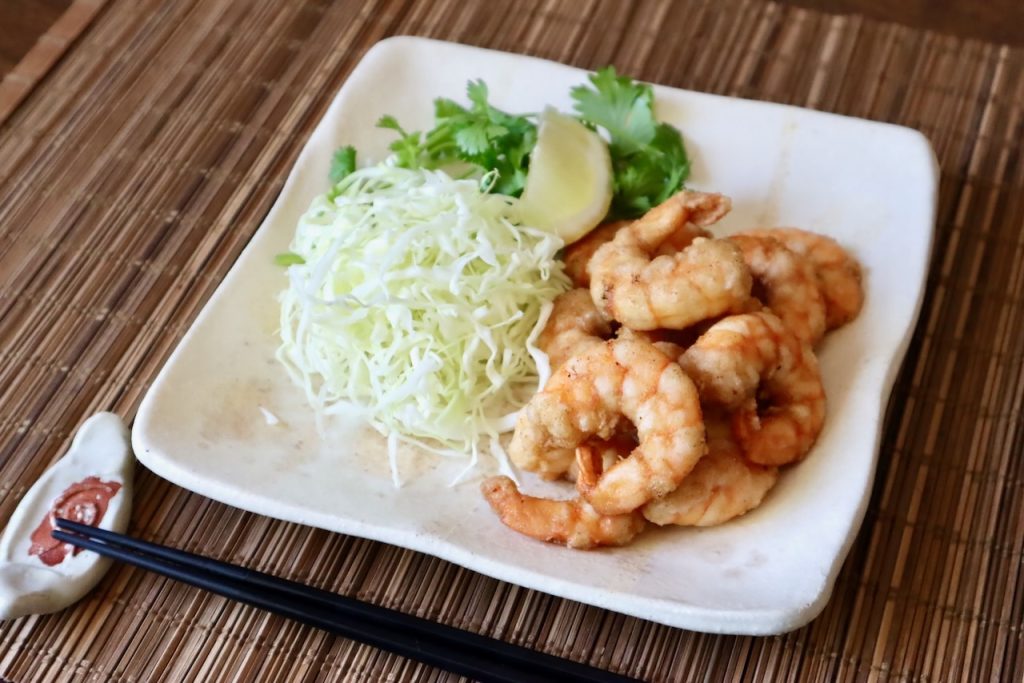
Karaage (唐揚げ) is a Japanese cooking technique in which various foods—most often chicken, but also other meats and seafood—are deep-fried. The food is typically marinated in a blend of soy sauce, ginger, and garlic before being coated with potato starch or flour and then fried to a golden crisp. The beauty of karaage lies in its simplicity and versatility. It’s a staple in Japanese households, a popular street food, and a beloved item on restaurant menus worldwide.
Why Seafood Karaage? A Celebration of the Sea
While chicken karaage is the most well-known variation, seafood karaage elevates the dish to a new level of culinary delight. The natural sweetness and delicate textures of seafood pair beautifully with the savory marinade and crispy coating. It’s a lighter, more refreshing alternative to traditional fried foods, and it allows you to explore the diverse flavors of the ocean. Whether you’re using shrimp, squid, scallops, or white fish, seafood karaage is a guaranteed crowd-pleaser.
Selecting the Freshest Seafood: The Foundation of Flavor
- Smell: Fresh seafood should have a clean, slightly salty aroma. Avoid anything that smells fishy or ammonia-like.
- Appearance: The seafood should look vibrant and moist, not dull or slimy.
- Texture: The flesh should be firm and springy to the touch.
- Source: If possible, purchase your seafood from a reputable fishmonger or market where you can inquire about its origin and freshness.
Popular Seafood Choices for Karaage
- Shrimp (Ebi): Shrimp is a classic choice for karaage, offering a satisfying crunch and sweet flavor. Use medium to large shrimp and devein them before marinating.
- Squid (Ika): Squid karaage is known for its tender texture and slightly chewy bite. Clean the squid thoroughly and score the body to prevent it from curling up during frying.
- Scallops (Hotate): Scallops provide a delicate sweetness and melt-in-your-mouth texture. Use sea scallops for the best results and pat them dry before marinating.
- White Fish (Shiroami): Cod, haddock, and pollock are excellent choices for a milder, flaky karaage. Cut the fish into bite-sized pieces and remove any bones.
- Octopus (Tako): Octopus offers a unique, slightly chewy texture and savory flavor. Blanch the octopus before marinating to tenderize it.
The Karaage Marinade: Infusing Flavor from Within
- Soy Sauce: Provides a salty, umami-rich base. Use a good-quality Japanese soy sauce for the best flavor.
- Ginger: Adds a warm, spicy note and helps to eliminate any fishy odors. Use freshly grated ginger for the most intense flavor.
- Garlic: Contributes a pungent, savory element. Mince the garlic finely or use garlic paste.
- Sake (Optional): Adds depth and complexity to the marinade. Mirin can be used as a substitute.
- Sesame Oil (Optional): Provides a nutty aroma and enhances the overall flavor.
Karaage Marinade Recipe: A Basic Guide
- 1 pound of seafood (shrimp, squid, scallops, or white fish)
- 2 tablespoons soy sauce
- 1 tablespoon grated ginger
- 1 tablespoon minced garlic
- 1 tablespoon sake (optional)
- 1 teaspoon sesame oil (optional)
-
In a bowl, combine the soy sauce, ginger, garlic, sake (if using), and sesame oil (if using).
-
Add the seafood to the marinade and toss to coat evenly.
-
Cover the bowl and refrigerate for at least 30 minutes, or up to 2 hours. The longer the seafood marinates, the more flavorful it will become.
The Coating: Achieving the Perfect Crispy Texture
- Potato Starch (Katakuriko): Potato starch creates a light, delicate, and incredibly crispy coating. It’s the preferred choice for authentic karaage.
- All-Purpose Flour: All-purpose flour provides a slightly thicker and denser coating. It’s a good option if you don’t have potato starch on hand.
- Cornstarch: Cornstarch can be used as a substitute for potato starch, but it may not result in as crispy a coating.
- Pat the Seafood Dry: Before coating the seafood, pat it dry with paper towels to remove excess moisture. This will help the coating adhere better and prevent the oil from splattering.
- Coat Just Before Frying: Coat the seafood just before frying to prevent the coating from becoming soggy.
- Use a Generous Amount of Coating: Make sure the seafood is completely covered in the coating.
- Shake off Excess Coating: Shake off any excess coating before frying to prevent the oil from becoming cloudy.
Frying Techniques: Mastering the Art of the Fry
- Use the Right Oil: Choose a neutral-flavored oil with a high smoke point, such as vegetable oil, canola oil, or peanut oil.
- Maintain the Correct Temperature: The ideal oil temperature for frying karaage is between 325°F (160°C) and 350°F (175°C). Use a thermometer to monitor the temperature and adjust the heat as needed.
- Fry in Batches: Avoid overcrowding the pot, as this will lower the oil temperature and result in soggy karaage. Fry the seafood in batches, ensuring that each piece has enough space to cook evenly.
- Don’t Overcook: Overcooking will make the seafood tough and dry. Fry until the coating is golden brown and the seafood is cooked through. The cooking time will vary depending on the size and type of seafood.
- Drain on a Wire Rack: After frying, transfer the karaage to a wire rack to drain excess oil. This will help to keep the coating crispy.
Double Frying: The Secret to Extra Crispiness
For an even crispier result, try double frying the karaage. After the first frying, let the karaage cool slightly before frying it again for a shorter period. This will remove any remaining moisture and create an incredibly crunchy exterior.
Serving Suggestions: Completing the Karaage Experience
- Lemon Wedges: A squeeze of fresh lemon juice adds a bright, acidic note that complements the richness of the fried seafood.
- Japanese Mayonnaise (Kewpie): Kewpie mayonnaise is richer and tangier than regular mayonnaise, making it a perfect dipping sauce for karaage.
- Soy Sauce: A simple yet classic dipping sauce.
- Ponzu Sauce: Ponzu sauce is a citrus-based soy sauce that adds a refreshing tang.
- Spicy Mayo: Mix Japanese mayo with sriracha or gochujang for a spicy kick.
- Grated Daikon Radish: Grated daikon radish provides a refreshing contrast to the fried seafood.
- Shishito Peppers: Lightly fried shishito peppers are a popular accompaniment to karaage.
Karaage Recipe: Step-by-Step Guide
- 1 pound of seafood (shrimp, squid, scallops, or white fish)
- 2 tablespoons soy sauce
- 1 tablespoon grated ginger
- 1 tablespoon minced garlic
- 1 tablespoon sake (optional)
- 1 teaspoon sesame oil (optional)
- 1/2 cup potato starch (katakuriko) or all-purpose flour
- Vegetable oil, for frying
- Lemon wedges, for serving
-
Prepare the Seafood: Clean and prepare the seafood according to your preference. Devein shrimp, clean squid, pat scallops dry, or cut white fish into bite-sized pieces.
-
Marinate the Seafood: In a bowl, combine the soy sauce, ginger, garlic, sake (if using), and sesame oil (if using). Add the seafood to the marinade and toss to coat evenly. Cover the bowl and refrigerate for at least 30 minutes, or up to 2 hours.
-
Coat the Seafood: Place the potato starch or all-purpose flour in a shallow dish. Remove the seafood from the marinade and pat it dry with paper towels. Dredge the seafood in the potato starch or flour, ensuring that it is completely coated. Shake off any excess coating.
-
Fry the Seafood: Heat vegetable oil in a deep fryer or large pot to 325°F (160°C). Fry the seafood in batches, ensuring that each piece has enough space to cook evenly. Fry for 2-3 minutes per side, or until the coating is golden brown and the seafood is cooked through.
-
Drain and Serve: Transfer the karaage to a wire rack to drain excess oil. Serve immediately with lemon wedges and your favorite dipping sauces.
Tips and Tricks for Karaage Success
- Don’t Overcrowd the Pan: Overcrowding lowers the oil temperature, leading to soggy karaage. Fry in batches for best results.
- Maintain Oil Temperature: Use a thermometer to ensure the oil stays within the ideal temperature range (325°F – 350°F).
- Pat Dry: Always pat the seafood dry before coating to help the coating adhere and prevent splattering.
- Experiment with Marinades: Feel free to adjust the marinade to your liking. Add a pinch of red pepper flakes for a spicy kick, or use different herbs and spices to create unique flavor profiles.
Karaage Variations: Exploring Different Flavors
- Spicy Karaage: Add a pinch of red pepper flakes or a dash of chili oil to the marinade for a spicy kick.
- Garlic Karaage: Increase the amount of garlic in the marinade for a more intense garlic flavor.
- Ginger Karaage: Add more grated ginger to the marinade for a warm, spicy flavor.
- Sesame Karaage: Add sesame seeds to the coating for a nutty flavor and added crunch.
- Lemon Pepper Karaage: Add lemon pepper seasoning to the coating for a zesty, citrusy flavor.
Health Considerations: Enjoying Karaage in Moderation
- Use Healthy Oil: Choose a healthy oil with a high smoke point, such as avocado oil or grapeseed oil.
- Bake Instead of Fry: For a healthier alternative, try baking the karaage instead of frying it. Preheat your oven to 400°F (200°C) and bake the karaage for 15-20 minutes, or until golden brown and crispy.
- Control Portion Sizes: Be mindful of portion sizes and avoid overeating.
- Pair with Healthy Sides: Serve karaage with healthy sides such as steamed vegetables, salad, or brown rice.
Conclusion: Your Karaage Adventure Awaits
Seafood karaage is a delightful and versatile dish that is sure to impress your family and friends. With a little practice and these helpful tips, you’ll be able to create restaurant-quality karaage in your own kitchen. So, gather your ingredients, fire up the fryer, and embark on your karaage adventure today! Enjoy the crispy, savory goodness of this classic Japanese treat.
Embrace the Art of Japanese Cooking
Making seafood karaage is more than just frying seafood; it’s about embracing the art of Japanese cooking. It’s about understanding the balance of flavors, the importance of fresh ingredients, and the dedication to technique. By mastering the art of karaage, you’ll not only create delicious food, but you’ll also gain a deeper appreciation for Japanese culture and cuisine.
Share Your Karaage Creations
We encourage you to share your karaage creations with us! Post photos of your homemade seafood karaage on social media using the hashtag #SeafoodKaraageMaster. We can’t wait to see what you create!
Bon appétit!