
Seafood Tamagoyaki elevates the traditional omelet by incorporating fresh, succulent seafood, transforming it into a more substantial and luxurious dish. This fusion brings together the comforting familiarity of eggs with the rich, umami notes of various marine ingredients, creating a flavor profile that is both complex and incredibly satisfying. It’s a dish that can grace a sophisticated brunch spread, form a vibrant component of a bento box, or simply be enjoyed as a wholesome snack.
Our comprehensive guide aims to demystify the process of creating the perfect Seafood Tamagoyaki. We will delve into the essential ingredients, the precise techniques required for that signature layered texture, and offer creative variations to inspire your culinary adventures. Whether you are a seasoned home cook or a curious beginner, this article will equip you with the knowledge and confidence to master this exquisite Japanese delicacy.
At its core, Tamagoyaki is a dish of eggs, but the magic lies in how those eggs are prepared and flavored. The traditional base typically includes eggs, dashi (Japanese soup stock), mirin (sweet rice wine), soy sauce, and a touch of sugar. These ingredients create a harmonious balance of sweet and savory, providing the perfect canvas for the added seafood elements. The dashi is particularly crucial, lending a deep umami flavor that distinguishes Tamagoyaki from other omelets.
For Seafood Tamagoyaki, the choice of marine ingredients is paramount. We recommend opting for fresh, high-quality seafood that cooks relatively quickly and offers a pleasant texture. Some excellent choices include:
- Shrimp: Small, finely diced shrimp offer a sweet flavor and tender bite.
- Scallops: Bay scallops, chopped, provide a delicate sweetness and soft texture.
- Crab Meat: Flaked real crab meat (or high-quality imitation crab) adds a savory, slightly sweet dimension.
- Squid: Finely minced squid can add a unique chewiness and subtle ocean flavor.
- Fish Roe (Tobiko or Masago): These add a delightful pop and briny taste, often used as a garnish or mixed in sparingly.
Beyond the core ingredients, a few optional additions can enhance your Seafood Tamagoyaki. Finely chopped spring onions or chives can introduce a mild oniony freshness and a vibrant green color. A tiny pinch of white pepper can add a subtle warmth without overpowering the delicate flavors. Some cooks also like to add a very small amount of cornstarch or potato starch to the egg mixture to make the omelet slightly more robust and easier to roll, though this is not strictly traditional.
The right equipment can significantly impact your Tamagoyaki success. While a regular non-stick pan can work, a specialized tamagoyaki pan (a rectangular or square pan) is highly recommended. Its shape is designed specifically for creating those neat, even layers. Other essential tools include:
- A whisk or chopsticks for mixing the egg batter.
- A fine-mesh sieve for straining the egg mixture, ensuring a smooth texture.
- A small brush or paper towel for oiling the pan.
- A pair of long cooking chopsticks or a thin spatula for rolling.
- A bamboo rolling mat (makisu) for shaping the finished omelet.
Let’s begin with the preparation of the Dashi, the soul of many Japanese dishes. While instant dashi granules are convenient, making dashi from scratch yields a superior flavor. For a basic dashi, you’ll need kombu (dried kelp) and katsuobushi (bonito flakes). Gently wipe the kombu, then soak it in water for 30 minutes. Heat the water slowly, removing the kombu just before it boils. Add katsuobushi, bring to a simmer for a minute, then turn off the heat and let it steep before straining. This clear, umami-rich broth forms the backbone of your Tamagoyaki’s flavor.
Next, prepare your chosen seafood. If using shrimp or scallops, ensure they are thoroughly thawed if frozen. Pat them dry to remove excess moisture, which can make the omelet watery. Dice the seafood into very small, uniform pieces—ideally no larger than 0.5 cm (0.2 inches). This ensures they cook quickly and distribute evenly within the thin layers of egg, preventing the omelet from tearing during rolling. For crab meat, simply flake it finely.
Now, assemble your egg batter. Crack your eggs into a large bowl. Add the cooled dashi, mirin, soy sauce, and sugar. Whisk gently but thoroughly until all ingredients are well combined and the sugar has dissolved. Avoid over-whisking, as incorporating too much air can lead to a frothy texture. For an exceptionally smooth omelet, strain the egg mixture through a fine-mesh sieve. This removes any chalazae (the white stringy bits in eggs) and ensures a silky-smooth final product.
Heat your tamagoyaki pan over medium-low heat. The key to perfect Tamagoyaki is consistent, moderate heat. Too high, and your omelet will burn; too low, and it won’t set properly. Lightly oil the pan using a brush or a paper towel dipped in neutral oil (like vegetable or canola oil). Ensure the entire surface, including the sides, is thinly coated. Repeat this oiling process between each layer, or as needed, to prevent sticking.
Pour a thin layer of the egg mixture into the hot pan, just enough to thinly coat the bottom. If you’ve incorporated seafood, ensure it’s evenly distributed in this first pour. As the edges begin to set and small bubbles appear on the surface, gently break any large bubbles with your chopsticks to ensure an even cook. This first layer should cook relatively quickly, usually within 30-60 seconds, until it’s mostly set but still slightly moist on top.
Now comes the signature rolling technique. Using your chopsticks or a thin spatula, carefully fold or roll the cooked egg layer towards one end of the pan. The goal is to create a compact, rectangular roll. If your pan is rectangular, roll it towards the far end. If it’s square, roll it towards one side. Don’t worry if the first roll isn’t perfect; it will be covered by subsequent layers.
Once the first roll is at one end of the pan, lightly re-oil the empty portion of the pan. Then, slide the rolled omelet back towards the oiled section, ensuring there’s space for the next layer. Alternatively, if your pan is long, you might leave the first roll at the end and pour the next layer into the empty space. The goal is to create a continuous, multi-layered omelet.
Pour another thin layer of egg mixture into the empty space, making sure some of the fresh batter flows underneath the already rolled omelet. This helps the layers adhere to each other. Allow this new layer to cook until it’s mostly set but still slightly moist. Then, starting from the side where the previous roll is, roll the new layer over the existing omelet. Continue this process, adding thin layers and rolling, until you’ve used all the egg mixture.
Tips for perfect rolling:
- Patience is key: Don’t rush the cooking or rolling process.
- Thin layers: Each layer should be thin enough to cook quickly and roll easily without tearing.
- Even heat: Maintain consistent medium-low heat throughout.
- Gentle touch: Use light hands when rolling to prevent tearing the delicate egg.
- Shape as you go: Use your spatula or chopsticks to gently press and shape the omelet into a neat rectangle with each roll.
Once all the egg mixture has been used and you have a beautifully layered omelet, carefully transfer it to a bamboo rolling mat (makisu) or a cutting board. If using a makisu, gently wrap it around the hot omelet and apply slight pressure for a minute or two. This helps to firm up the shape and compress the layers, resulting in a more uniform and aesthetically pleasing final product. Allow the Tamagoyaki to cool slightly before slicing.
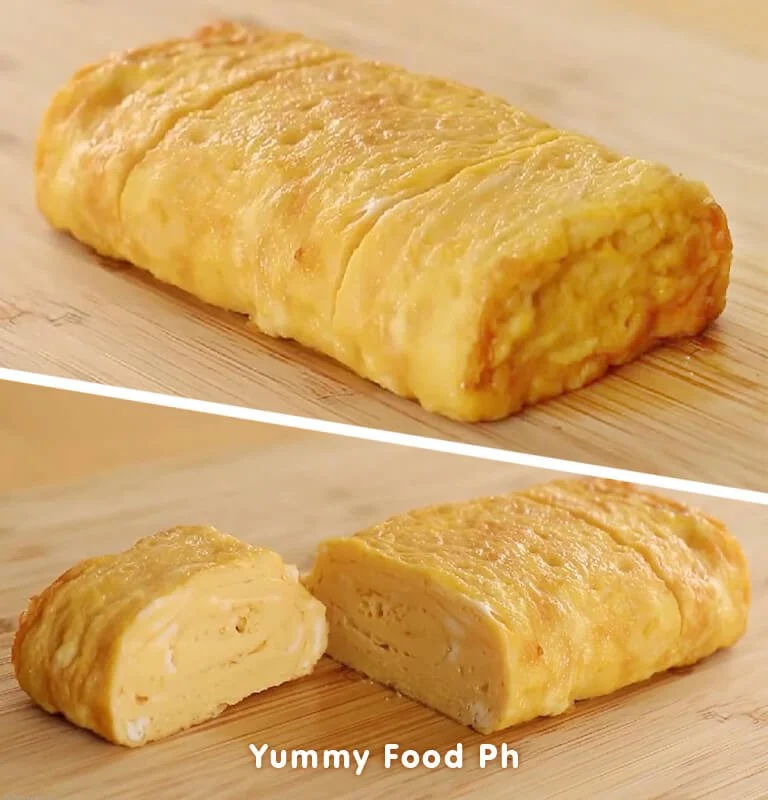
Slicing Tamagoyaki requires a sharp knife and a gentle hand. Cut the rolled omelet into 1-inch thick pieces. The cross-section will reveal the beautiful, distinct layers, often with the specks of seafood peeking through. Arrange them artfully on a serving plate, perhaps garnished with a sprinkle of fresh chives or a dab of grated daikon radish.
The beauty of Seafood Tamagoyaki lies in its versatility. Don’t limit yourself to just shrimp or crab. Experiment with other finely diced seafood like white fish (cod, snapper), tiny bits of smoked salmon, or even a hint of uni (sea urchin) for a truly gourmet experience. For vegetarians, firm tofu or finely chopped mushrooms can be excellent substitutes, providing a similar texture and umami depth.
Consider varying the seasonings as well. A tiny dash of sesame oil can add an aromatic note. A pinch of shichimi togarashi (Japanese seven-spice blend) can introduce a subtle heat. For a richer flavor, a small amount of cream cheese or mayonnaise can be spread between layers, though this departs significantly from the traditional Japanese profile.
Seafood Tamagoyaki is incredibly versatile in how it can be served. It’s a fantastic addition to a traditional Japanese breakfast, offering a protein-rich start to the day. It excels as a component of a bento box, providing color, texture, and flavor alongside rice, vegetables, and other proteins. It can also be served as an elegant appetizer or a side dish to a larger Japanese meal, such as grilled fish or teriyaki chicken.
From a nutritional standpoint, Seafood Tamagoyaki is a powerhouse. Eggs are an excellent source of high-quality protein, essential amino acids, and vitamins like B12 and D. Seafood, depending on the type, provides omega-3 fatty acids, which are crucial for heart and brain health, as well as minerals such as iodine, selenium, and zinc. This dish offers a balanced combination of macronutrients, making it both delicious and beneficial for your health.
While the process seems straightforward, a few common pitfalls can hinder your Tamagoyaki perfection. Overcooking the egg layers is a frequent mistake, leading to a dry, rubbery texture instead of the desired moist and tender consistency. Ensure your heat is low enough to cook through without browning too quickly. Another issue is not oiling the pan sufficiently, which causes the egg to stick and tear during rolling.
Uneven heat distribution can also be problematic. If your pan has hot spots, some parts of the omelet might cook faster than others. Adjust your stove’s heat as needed and move the pan slightly to ensure even cooking. Lastly, improperly mixed batter, with undissolved sugar or unintegrated dashi, can lead to inconsistent flavor and texture.
If your omelet tears during rolling, don’t despair! Simply use your spatula or chopsticks to gently push the torn edges back together as best as you can. The subsequent layers will often conceal minor imperfections. If it sticks, try increasing the oil slightly for the next layer and ensure your pan is adequately seasoned. Practice makes perfect, and even a less-than-perfect Tamagoyaki still tastes delicious.
For storing leftovers, wrap the cooled Tamagoyaki tightly in plastic wrap and refrigerate for up to 2-3 days. While it’s best enjoyed fresh, it can be gently reheated in a microwave for a short duration on low power, or pan-fried briefly to warm through. Be careful not to overcook it during reheating, as this will dry out the delicate egg.
The history of Tamagoyaki is intertwined with the evolution of Japanese cuisine itself. While eggs have been consumed in Japan for centuries, the rolled omelet technique likely gained widespread popularity during the Edo period (1603-1868). It evolved from simpler forms into the distinct, layered dish we know today, becoming a staple in homes, restaurants, and particularly in bento boxes, where its appealing shape and flavor make it an ideal packed lunch item.
Tamagoyaki is not just food; it’s an expression of care and culinary artistry. Its preparation requires patience and attention to detail, qualities highly valued in Japanese culture. The act of carefully layering and rolling the omelet is almost meditative, resulting in a dish that is as beautiful to behold as it is delightful to eat. Seafood Tamagoyaki continues this tradition, adding a touch of oceanic luxury.
This dish exemplifies the Japanese philosophy of enhancing natural flavors with subtle seasoning and precise technique. The goal is not to overpower the ingredients but to let their inherent qualities shine through. The delicate sweetness of the egg, the savory depth of dashi, and the fresh burst of seafood combine in a symphony of taste that is both comforting and sophisticated.
In conclusion, Seafood Tamagoyaki is more than just a recipe; it’s an invitation to explore the nuanced world of Japanese cooking. By understanding the core ingredients, mastering the rolling technique, and embracing creative variations, you can bring this exquisite dish to your own kitchen. It promises a culinary experience that is rewarding, delicious, and sure to impress.
So, gather your ingredients, prepare your pan, and embark on this delightful journey. With a little practice and patience, you’ll be crafting perfect, flavorful Seafood Tamagoyaki that will transport your taste buds straight to Japan. Enjoy the process, savor the flavors, and share this wonderful creation with friends and family. Happy cooking!