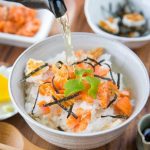
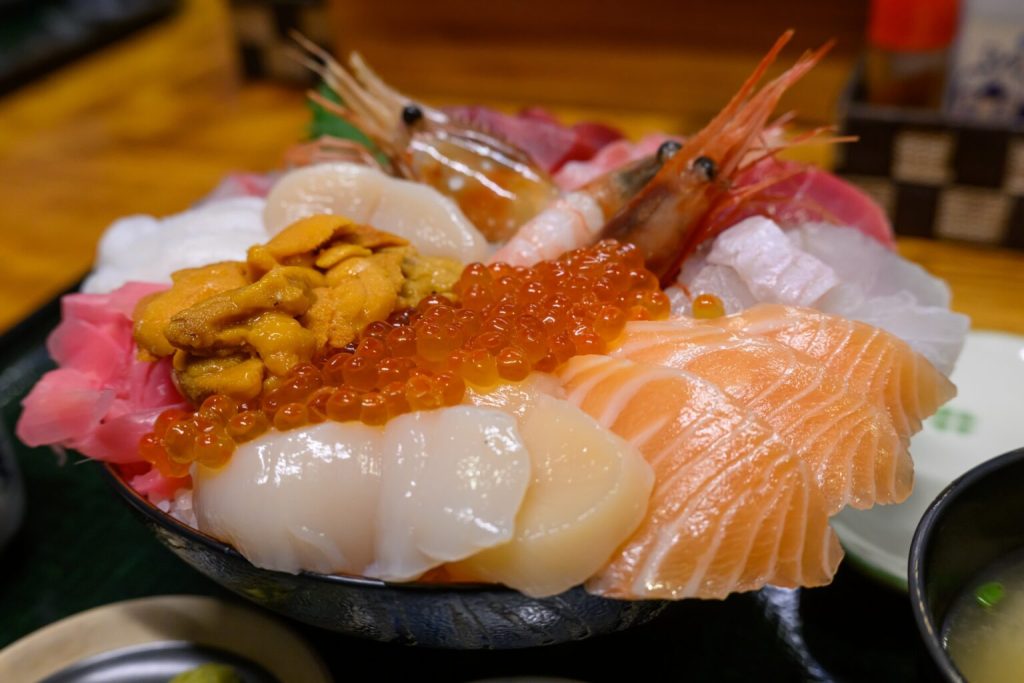

The allure of seafood donburi lies in its inherent versatility. From delicate slices of raw sashimi to perfectly grilled fillets or crispy fried morsels, the possibilities are endless. The classic kaisendon, adorned with an assortment of raw fish, is undeniably popular, but the world of seafood donburi extends far beyond this familiar favorite, inviting culinary exploration and creativity.
For the adventurous home cook and the discerning palate, delving into ‘other variations’ of seafood donburi is a journey worth undertaking. This guide aims to unlock a spectrum of innovative recipes, unique flavor profiles, and creative combinations that will transform your understanding and appreciation of this iconic Japanese rice bowl, moving beyond the conventional to embrace new culinary horizons.
At the heart of any exceptional donburi are three foundational elements: the perfectly cooked rice, the complementary sauce, and the star toppings. Understanding how these components interact and how they can be varied is key to mastering diverse donburi styles. We will explore how different choices for each element can dramatically alter the final dish, creating a truly unique gastronomic experience.
The quality and variety of seafood are paramount in crafting an outstanding seafood donburi. Whether opting for fresh, sustainably sourced catches for raw preparations or selecting robust fish for grilling and frying, the integrity of the ingredients forms the backbone of the dish. We will discuss various seafood options and how to best prepare them to highlight their natural flavors.
Our first exploration takes us to The Grilled & Glazed Donburi, a warm and comforting variation featuring beautifully cooked seafood. Imagine a succulent piece of salmon or mackerel, expertly grilled or pan-seared, then coated in a rich, savory-sweet teriyaki glaze. This ‘Teriyaki Salmon Don’ or ‘Mackerel Shioyaki Don’ offers a delightful contrast to raw seafood, providing a hearty and deeply satisfying meal.
To prepare a stellar Teriyaki Salmon Don, you’ll need fresh salmon fillets, a homemade or quality store-bought teriyaki sauce (soy sauce, mirin, sake, sugar), and optionally, a touch of ginger and garlic. The salmon is typically seasoned, pan-seared until the skin is crispy, then finished in the pan with the teriyaki glaze until perfectly caramelized and cooked through, ensuring a flaky, moist interior.
The flavor profile of a Grilled & Glazed Donburi is characterized by its umami richness, balanced with sweetness and a hint of savory depth. Serving suggestions often include a sprinkle of toasted sesame seeds, finely chopped scallions, and perhaps a side of blanched greens or pickled ginger to cut through the richness, adding freshness and textural contrast.
Next, we venture into The Crispy Delight Donburi, exemplified by the ‘Ebi Fry Don’ (fried shrimp donburi) or a ‘Tempura Don’. This variation focuses on the satisfying crunch of perfectly fried seafood, offering a textural experience distinct from its raw or grilled counterparts. The golden-brown exterior gives way to tender, juicy seafood within.
For an Ebi Fry Don, large shrimp are typically butterflied, lightly seasoned, coated in flour, egg, and panko breadcrumbs, then deep-fried until golden and crisp. The crispy shrimp are then often served over rice with a drizzle of tonkatsu sauce or a tartare-style sauce, creating a delightful interplay of textures and flavors.
Achieving perfect crispiness requires careful attention to oil temperature and proper breading technique. The panko breadcrumbs are essential for that signature airy crunch. This donburi is a favorite for those who enjoy the comforting indulgence of fried foods, elevated by the freshness of the seafood and the warmth of the rice.
Our third variation introduces The Spicy & Savory Donburi, perfect for those who crave a bit of heat. A ‘Spicy Tuna Don’ or ‘Spicy Salmon Don’ is a popular choice, where diced raw fish is tossed in a vibrant, chili-infused sauce, often incorporating elements like gochujang, sriracha, or shichimi togarashi, blended with mayonnaise or soy-based dressings.
Ingredients for a compelling Spicy Tuna Don include sushi-grade tuna, Japanese mayonnaise, sriracha, soy sauce, a touch of sesame oil, and optionally, finely chopped scallions or masago for added texture and color. The tuna is diced into small cubes and gently mixed with the sauce, ensuring each piece is evenly coated without being overwhelmed.
Customizing the heat level is easy with this variation; simply adjust the amount of chili sauce to your preference. This donburi is dynamic and exciting, offering a bold flavor that awakens the palate. It’s often garnished with nori strips, avocado slices, or a sprinkle of chili flakes to enhance both visual appeal and taste.
Exploring further, we arrive at The Umami-Rich Miso-Glazed Donburi, a sophisticated option featuring fish like black cod (sablefish) or salmon marinated and baked with a sweet and savory miso glaze. The ‘Miso Black Cod Don’ is particularly renowned for its silky texture and deeply infused umami flavor, a testament to the power of traditional Japanese marinades.
To create this dish, fish fillets are marinated for several hours, or even overnight, in a mixture of white miso paste, sake, mirin, and a touch of sugar. This marinade tenderizes the fish and infuses it with incredible depth. The marinated fish is then baked or broiled until caramelized and flaky, resulting in a dish that is both elegant and intensely flavorful.
The extended marinating time is crucial for developing the profound umami notes that characterize this donburi. The gentle sweetness of the miso, combined with the richness of the fish, creates a harmonious and luxurious experience. It pairs wonderfully with plain rice, allowing the complex flavors of the fish to shine, perhaps with a simple garnish of pickled ginger or a lemon wedge.
For a lighter, brighter option, consider The Fresh & Bright Citrus Donburi, a fusion concept that draws inspiration from Latin American ceviche while maintaining the donburi structure. This ‘Seafood Ceviche Donburi’ features various raw or lightly blanched seafood marinated in a zesty citrus dressing, often with herbs and fresh vegetables.
Ingredients might include shrimp, scallops, white fish (like snapper or cod), red onion, cilantro, and a dressing made from lime juice, lemon juice, olive oil, and a pinch of salt and pepper. The seafood is gently ‘cooked’ by the acidity of the citrus, resulting in a tender, tangy, and incredibly refreshing topping.
Balancing acidity with the natural sweetness of the seafood is key to this variation. The vibrant flavors and colors make it a perfect choice for warmer weather or when you desire a lighter meal. It’s often served with avocado slices, cherry tomatoes, or a sprinkle of finely chopped chili for a subtle kick, adding layers of freshness and texture.
Another hearty and wholesome option is The Hearty & Rustic Donburi, which incorporates a ‘Seafood and Vegetable Stir-fry Don’. This variation is incredibly versatile, allowing you to utilize seasonal vegetables and a variety of seafood, creating a dynamic and nutrient-rich bowl that is both flavorful and satisfying.
For a Stir-fry Don, you might combine shrimp, squid, or scallops with a medley of vegetables such as bell peppers, snap peas, carrots, and broccoli. These are quickly stir-fried in a savory sauce made with soy sauce, oyster sauce, garlic, ginger, and a touch of sesame oil, ensuring the seafood remains tender and the vegetables retain their crispness.
The beauty of this donburi lies in its adaptability; almost any combination of seafood and vegetables can work. It’s an excellent way to use up ingredients in your fridge and create a vibrant, balanced meal. The stir-fry is piled generously over hot rice, offering a comforting and robust culinary experience.
Venturing into regional delicacies, we encounter The Luxurious Regional Donburi, epitomized by the ‘Hokkaido-style Ikura and Uni Don’. This variation showcases two of Japan’s most prized seafood ingredients: glistening ikura (salmon roe) and creamy, intensely flavorful uni (sea urchin). It’s a premium donburi that offers an unparalleled taste of the ocean.
Preparing an Ikura and Uni Don is more about sourcing the highest quality ingredients than complex cooking. Fresh, plump ikura and pristine uni are carefully arranged over seasoned sushi rice. The simplicity of presentation allows the exquisite flavors of these delicacies to be the sole focus, delivering a truly opulent and unforgettable dining experience.
This donburi is a celebration of texture and oceanic flavor, where the briny pop of ikura meets the sweet, custardy richness of uni. It’s a testament to the philosophy that sometimes, the finest ingredients require the least intervention, allowing their natural magnificence to shine through. A touch of fresh shiso leaf or a sprinkle of gold flakes can add to its luxurious appeal.
For those seeking a bolder, more exotic twist, The Fusion Twist Donburi offers a ‘Southeast Asian Inspired Coconut Curry Seafood Don’. This variation infuses the Japanese rice bowl concept with aromatic spices and creamy textures reminiscent of Thai or Malaysian curries, creating a wonderfully fragrant and comforting dish.
Ingredients for a Curry Seafood Don might include shrimp, firm white fish, or mussels cooked in a rich coconut milk-based curry with red curry paste, lemongrass, ginger, garlic, and a medley of vegetables like bamboo shoots or bell peppers. The curry is simmered until the seafood is just cooked and the flavors have melded beautifully.
The aromatic spices and creamy texture of the coconut curry provide a delightful contrast to traditional Japanese flavors, offering a harmonious blend of sweet, savory, and spicy notes. Served over fluffy rice, this fusion donburi is a testament to how culinary boundaries can be deliciously blurred, creating exciting new taste sensations.
The Rice Base is more than just a filler; it’s the canvas upon which your donburi masterpiece is painted. While short-grain Japanese sushi rice is the traditional choice, offering a sticky yet separate grain, experimentation with other bases can lead to interesting results. Consider brown rice for added fiber and a nutty flavor, or even mixed grains for a more complex texture and nutritional profile.
Properly preparing sushi rice involves rinsing, precise cooking, and then seasoning with sushi-zu (a mixture of rice vinegar, sugar, and salt). For other rice types, ensure they are cooked to perfection – fluffy yet firm – as a soggy or undercooked base can detract from the entire dish. Sometimes, a simple dash of dashi or sake can infuse plain rice with subtle umami.
The Donburi Sauce is the unsung hero, tying all the components together. Beyond the classic dashi-soy-mirin combination, there’s a world of sauces to explore. Think spicy mayo, bright ponzu (citrus-soy sauce), rich miso dressing, or nutty sesame dressing. Each sauce brings its unique character, capable of transforming the donburi’s overall flavor profile.
Creating depth of flavor in your sauce is crucial. This can be achieved through careful simmering, balancing sweet, savory, acidic, and umami elements. A well-crafted sauce should complement, not overpower, the delicate flavors of the seafood, acting as a unifying thread throughout the bowl.
Vegetable & Garnish Pairings are essential for enhancing both flavor and texture. Traditional additions like pickled ginger (gari), daikon, and cucumber provide a refreshing crunch and tangy contrast. Modern variations might include creamy avocado slices, vibrant edamame, or a crisp seaweed salad.
Garnishes such as finely chopped scallions, toasted sesame seeds, shichimi togarashi (Japanese seven-spice blend), or fresh herbs like cilantro or shiso, not only add visual appeal but also contribute layers of aromatic complexity, elevating the entire donburi experience. These small additions can make a significant difference.
Sourcing the Best Seafood is paramount, especially for variations involving raw fish. Always prioritize freshness from a reputable fishmonger. For cooked preparations, quality still matters immensely. Consider sustainable choices to support responsible fishing practices, and be discerning when choosing between fresh and frozen options, understanding their respective advantages.
Mastering Techniques for Perfectly Cooked Seafood Toppings is crucial to avoid rubbery textures or dry fish. Whether grilling, pan-searing, baking, or deep-frying, precise cooking times and temperatures are vital. For instance, searing fish quickly over high heat can create a beautiful crust while keeping the interior moist and tender.
Assembling Your Donburi is an art form where presentation truly matters. Thoughtful layering of ingredients, paying attention to color and texture contrast, can transform a simple meal into a visually stunning dish. Arrange your seafood topping prominently, then artfully place garnishes around it, creating an ‘Instagrammable’ masterpiece that delights the eyes before the first bite.
Consider Dietary Considerations & Customization. Donburi is highly adaptable. For gluten-free options, ensure soy sauce is tamari-based. Low-carb alternatives can include cauliflower rice as a base. For those avoiding animal products, plant-based ‘seafood’ alternatives can be used, ensuring everyone can enjoy the donburi experience tailored to their needs.
The true joy of donburi lies in The Joy of Experimentation. View your donburi as a culinary canvas. Don’t be afraid to mix and match seafood, sauces, and toppings based on seasonal availability and personal preference. Embrace your inner chef and personalize your flavors, creating unique combinations that perfectly suit your palate.
Beyond the bowl itself, consider Side Dishes and Accompaniments to complete your meal. A simple bowl of miso soup, a handful of steamed edamame, or quick pickles (tsukemono) can provide a refreshing counterpoint. A cup of green tea also makes for an excellent pairing, cleansing the palate and enhancing the overall dining experience.
A brief look at A Brief History of Donburi’s Evolution reveals its humble beginnings as a practical, convenient meal for busy workers in Japan. Over centuries, it evolved from simple rice bowls to complex culinary creations, reflecting regional specialties and cultural significance. Its enduring popularity is a testament to its versatility and comforting appeal.
Beyond taste, Health Benefits of Seafood Donburi are noteworthy. Seafood is rich in Omega-3 fatty acids, lean protein, and essential vitamins and minerals. Paired with rice and vegetables, donburi offers a balanced meal that can contribute to a healthy diet, providing sustained energy and supporting overall well-being.
To ensure a consistently excellent donburi, be aware of Common Pitfalls to Avoid. These include soggy rice from too much sauce, overcooked seafood that becomes tough, or an unbalanced flavor profile where one element overpowers the others. Moderation and careful seasoning are key to achieving harmony in your bowl.
For those who enjoy meal prepping, Tips for Batch Cooking and Meal Prep can be invaluable. Prepare components like rice, sauces, and cooked seafood separately and store them. Assemble your donburi just before serving to maintain freshness and texture. Reheating advice for cooked components should also be considered to preserve quality.
Having a well-stocked pantry with Essential Japanese Pantry Items for Donburi is a game-changer. Key ingredients include quality soy sauce (shoyu), mirin (sweet cooking sake), sake, dashi (Japanese soup stock), and rice vinegar. Sesame oil, nori (seaweed), and miso paste are also indispensable for authentic flavors and aromas.
The Art of Pickling for Donburi is a simple yet impactful technique. Quick pickles (tsukemono) like cucumber or daikon can be made easily at home and add a delightful tangy contrast to the richness of seafood and rice, cutting through fats and refreshing the palate between bites.
Finally, consider Seasonal Seafood Choices for Optimal Flavor. Just as with vegetables, seafood has seasons when it is at its freshest and most flavorful. Opting for seafood that is in season, whether it’s spring scallops, summer tuna, autumn salmon, or winter crab, ensures you’re enjoying ingredients at their peak.
In conclusion, the world of seafood donburi is vast and endlessly fascinating. Moving beyond the classic raw fish toppings opens up a realm of culinary possibilities, from deeply savory grilled dishes to spicy fusions and luxurious regional specialties. By understanding the foundational elements, experimenting with diverse seafood and sauces, and paying attention to preparation and presentation, you can transform your home kitchen into a haven of exquisite Japanese rice bowls. Embrace the endless possibilities and savor every unique, flavorful bite.