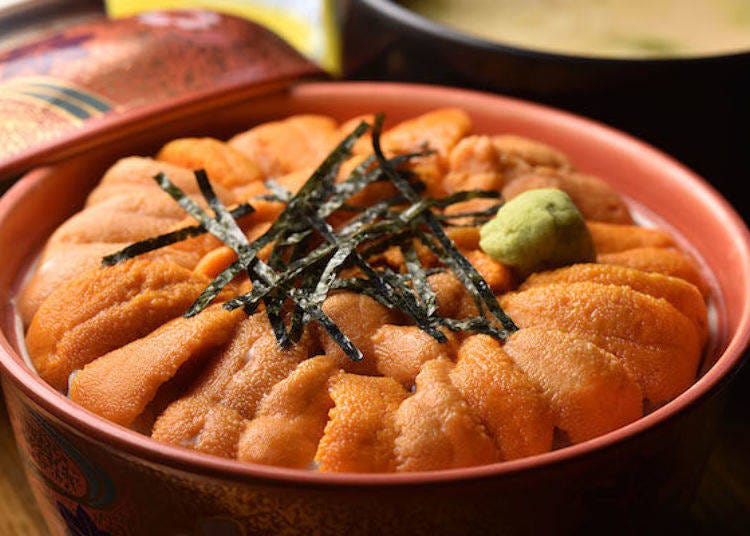
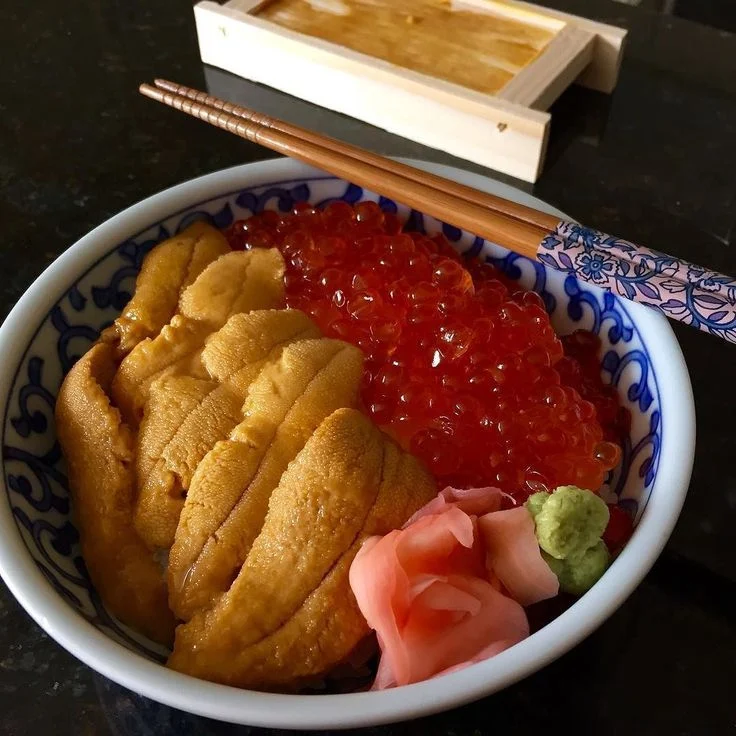

When purchasing uni, look for lobes that are plump, firm, and have a bright, consistent color. The color can range from a pale yellow to a deep orange, depending on the species and its diet. Avoid uni that appears mushy, discolored, or has a strong, off-putting smell; a fresh, high-quality uni should have a clean, briny aroma reminiscent of the ocean.
Uni is typically sold in trays or boxes, often preserved in its own natural liquid or a light brine. Inspect the liquid – it should be clear, not cloudy or murky. The lobes should be well-defined and not broken or mashed together. If possible, purchase from a reputable fishmonger or specialty Japanese market that can attest to the freshness and origin of their product.
Preparation of uni requires a gentle touch. Due to its delicate nature, it should be handled with care to maintain its shape and texture. Rinse the lobes very briefly under cold, running water to remove any residual packing liquid or debris. Be quick; prolonged exposure to water can dilute its flavor and affect its texture.
Pat the uni lobes dry very gently with a paper towel. This step is crucial for achieving the best texture and preventing the rice from becoming waterlogged. Again, be extremely delicate to avoid crushing the fragile roe.
Sushi rice is the foundation of any good donburi, and Uni Don is no exception. For the best results, use short-grain Japanese rice (sushi rice). Rinse the rice thoroughly under cold water until the water runs clear. This removes excess starch, which is essential for achieving fluffy, distinct grains.
Cook the rice according to package directions, typically in a rice cooker or on the stovetop. Once cooked, let it steam for an additional 10-15 minutes before transferring it to a large, non-metallic bowl (traditionally a wooden hangiri).
While the rice is still hot, season it with sushi vinegar. A common ratio is 3 parts rice vinegar, 2 parts sugar, and 1 part salt. Gently fold the vinegar mixture into the rice using a cutting motion with a rice paddle or spatula. Avoid mashing the rice. Fan the rice as you mix to cool it down quickly and give it a glossy sheen.
The goal is to have perfectly seasoned, slightly sticky, and fluffy sushi rice that complements, rather than overpowers, the delicate flavor of the uni. Ensure the rice is cooled to a temperature that is warm but comfortable to the touch before assembling the donburi.
Assembling the Uni Don is a straightforward process that emphasizes presentation. Start by spooning a generous portion of the seasoned sushi rice into your serving bowls. The amount of rice will depend on your preference and the size of your bowl.
Arrange the prepared uni lobes artfully over the sushi rice. You can place them in a single layer, overlapping slightly, or create a more sculptural arrangement. The goal is to showcase the beautiful color and form of the uni.
While Uni Don is often enjoyed in its pure form, a few carefully chosen garnishes can enhance the experience. Nori (seaweed) strips are a classic accompaniment, adding a savory, umami depth and a contrasting texture.
Wasabi and pickled ginger (gari) are essential condiments for sushi and donburi. A small dollop of fresh wasabi, grated just before serving, provides a pungent kick that cuts through the richness of the uni. The pickled ginger serves as a palate cleanser between bites.
For an extra touch of luxury and flavor, consider adding a sprinkle of toasted sesame seeds or a few ikura (salmon roe) for a burst of salty brininess and visual appeal. Some chefs also like to add a dash of shichimi togarashi (Japanese seven-spice blend) for a subtle heat and complexity.
Serving Uni Don immediately after preparation is crucial to enjoy the uni at its freshest and creamiest. The warmth of the rice contrasts beautifully with the cool, delicate uni.
The experience of eating Uni Don is one of pure indulgence. The creamy uni melts in your mouth, coating the palate with its complex, oceanic sweetness. The seasoned sushi rice provides a subtle tang and texture, while the garnishes add layers of flavor and aroma.
For those looking to explore variations, Uni Don can be a base for other creative preparations. Some enjoy adding a raw quail egg yolk on top, which further enriches the creamy texture when mixed in.
Another popular variation involves lightly torching the top of the uni lobes with a culinary torch. This process slightly caramelizes the sugars in the uni, adding a subtle smoky note and a slightly firmer texture, while still retaining its creamy interior.
The choice of uni species can also influence the flavor profile. Different species, such as Murasaki uni (purple sea urchin) or Bafun uni (horse dung sea urchin), have distinct tastes and textures. Researching these differences can help you select the uni that best suits your palate.
Pairing Uni Don with the right beverage can elevate the dining experience. Dry sake, particularly junmai or ginjo varieties, is a traditional and excellent choice. Its clean, crisp profile complements the uni’s richness without overpowering it.
Alternatively, a crisp, dry white wine like a Sauvignon Blanc or a Pinot Grigio can also work well, offering acidity to cut through the uni’s creaminess. For non-alcoholic options, consider sparkling water with a squeeze of lemon or a light, unsweetened green tea.
Beyond the classic Uni Don, the principles of selecting and preparing fresh uni can be applied to other dishes. It’s a fantastic addition to pasta sauces, risottos, or even as a topping for high-quality crackers or toast.
When it comes to sourcing, if fresh uni is unavailable or impractical, high-quality frozen uni can be an option, though it may not achieve the same melt-in-your-mouth texture. If using frozen, ensure it is thawed properly in the refrigerator.
Understanding the seasonality of uni is also beneficial. Different regions and species have peak seasons, during which the uni is likely to be at its most flavorful and abundant. Consulting with your fishmonger about local availability and seasonality is always recommended.
The nutritional profile of uni is also noteworthy. It’s a good source of protein, omega-3 fatty acids, and various vitamins and minerals, including vitamin A, vitamin C, and zinc. However, it is also relatively high in cholesterol.
The preparation of Uni Don is more than just a recipe; it’s an appreciation of a unique ingredient. It requires attention to detail, a respect for freshness, and a willingness to embrace the subtle complexities of oceanic flavors.
In conclusion, creating a spectacular Uni Don involves careful selection of the freshest sea urchin, perfectly seasoned sushi rice, and thoughtful presentation. By following these steps, you can recreate this exquisite Japanese delicacy in your own home and savor the unparalleled taste of the sea.
Enjoy the journey of creating and savoring your homemade Sea Urchin Donburi. It’s a culinary adventure that promises a truly memorable gastronomic experience, a testament to the simple yet profound beauty of high-quality seafood.
Remember, the key to a great Uni Don lies in the quality of the uni itself. Prioritize freshness above all else, and the rest will fall into place, allowing the natural, sublime flavors of the sea urchin to shine through.
Experimentation is encouraged! Once you’ve mastered the basic Uni Don, feel free to explore different rice seasonings, garnishes, or even incorporate other complementary seafood elements to create your signature version of this beloved dish.