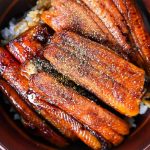

At its heart, Anago Don is a type of donburi, a category of Japanese rice bowl dishes where various toppings are served over steamed rice. What makes Anago Don particularly special is the star ingredient: anago, or sea eel. Unlike freshwater eel (unagi), anago possesses a leaner, more delicate flesh with a subtly sweet flavor profile, making it a favorite among connoisseurs who appreciate its nuanced taste and melt-in-your-mouth texture.
The distinction between Anago and Unagi is crucial for understanding the unique appeal of Anago Don. While both are eels and often prepared with similar sweet-savory glazes, their habitats and inherent characteristics lead to vastly different culinary outcomes. Unagi, being a freshwater eel, is typically fattier and richer, often prepared by grilling (kabayaki style) to render its oils and achieve a deeply caramelized crust. Anago, on the other hand, thrives in saltwater, yielding a lighter, more ethereal texture that is often simmered gently, allowing its natural sweetness to shine through without being overwhelmed.
The allure of Anago lies in its unparalleled tenderness and gentle umami. When prepared correctly, the sea eel fillets become incredibly soft, almost dissolving on the palate, leaving behind a lingering sweetness and a hint of the ocean. This delicate nature demands precise cooking techniques and a balanced accompanying sauce, known as tare, to enhance rather than mask its inherent qualities. It’s a dish that celebrates subtlety and finesse.
Sourcing high-quality anago is the first and perhaps most critical step in creating an exceptional Anago Don. Ideally, fresh anago is preferred, offering the best texture and flavor. When selecting fresh anago, look for specimens with firm, shiny skin and clear, bright eyes if purchasing whole. For fillets, they should appear moist and have a clean, fresh oceanic scent. While fresh is paramount, high-quality frozen anago can also yield excellent results, especially if sourced from reputable Japanese markets or seafood purveyors who specialize in sashimi-grade products.
Preparing fresh anago can be a daunting task for the uninitiated, as eels are notoriously slippery. The traditional method involves handling the live eel, a practice that requires both skill and a strong stomach. For home cooks, it’s often more practical to purchase anago that has already been humanely dispatched and, ideally, cleaned. However, understanding the initial preparation steps – from stunning to gutting – provides valuable insight into the respect and care given to this ingredient in Japanese culinary traditions.
Filleting anago is a delicate art that requires a sharp knife and a steady hand. The process typically involves making an incision behind the head, running the knife along the backbone to separate the fillets, and then carefully removing any remaining bones. The goal is to obtain clean, boneless fillets that are uniform in thickness, ensuring even cooking. This step is where precision truly pays off, as poorly filleted anago can result in an unevenly cooked or texturally compromised dish.
While not always necessary, some chefs opt to skin the anago for an even smoother, more refined texture. Removing the skin can be a meticulous process, often involving blanching the eel briefly to loosen the skin, then carefully peeling it away. This step is largely a matter of personal preference and can contribute to a more luxurious mouthfeel, though the skin itself, when properly cooked, adds a layer of flavor and slight chewiness that many find desirable.
The success of Anago Don hinges on a few core components, each demanding attention to detail. The primary ingredients include: fresh or high-quality frozen anago fillets; Japanese short-grain rice, which provides the perfect sticky base; and the quintessential tare sauce, a harmonious blend of soy sauce, mirin, sake, and sugar, often enhanced with dashi or eel bones. Complementary garnishes like sansho pepper, pickled ginger, mitsuba (Japanese wild parsley), or shredded nori complete the experience.
Crafting the perfect tare sauce is arguably as important as the anago itself. This sweet-savory glaze forms the flavor backbone of the dish. Begin by combining equal parts high-quality Japanese soy sauce, mirin (sweet cooking sake), and sake, along with a suitable amount of granulated sugar. The exact ratios can be adjusted to personal preference, leaning more savory or sweet. This base mixture is then gently simmered to allow the flavors to meld and the alcohol to evaporate.
To elevate the tare sauce, traditional recipes often incorporate dashi (Japanese soup stock) or even the cleaned bones and trimmings of the anago itself. Simmering these elements with the base tare for an extended period infuses the sauce with incredible depth and umami, creating a rich, complex glaze that beautifully complements the delicate anago. The sauce should be reduced until it achieves a slightly viscous consistency, capable of clinging to the eel without being overly thick.
The traditional method for cooking anago for Donburi involves a gentle simmering process. Once the tare sauce is prepared, the anago fillets are carefully placed into the simmering sauce, skin-side up or down depending on the desired texture, and cooked over low heat. The goal is to poach the eel until it is just tender and flaky, absorbing the flavors of the tare without becoming tough or overcooked. This typically takes only a few minutes, so vigilance is key.
While simmering is classic, an alternative cooking method for anago is grilling or broiling. This technique imparts a slightly charred exterior and a smoky aroma, offering a different textural experience. If grilling, the anago fillets are typically brushed with tare sauce multiple times during cooking, creating layers of glaze that caramelize beautifully. This method, reminiscent of unagi kabayaki, provides a richer flavor profile and a firmer texture compared to the simmered version.
The foundation of any great donburi is perfectly cooked Japanese short-grain rice. Begin by thoroughly washing the rice until the water runs clear, removing excess starch. Soaking the rice for 20-30 minutes before cooking allows for more even hydration. Cook the rice in a rice cooker or a heavy-bottomed pot with a tight-fitting lid, using the appropriate water-to-rice ratio. The result should be fluffy, distinct grains that are slightly sticky, providing the ideal bed for the anago.
For Anago Don, the rice is typically served warm and unseasoned, allowing the flavors of the anago and tare to dominate. However, some variations lightly season the rice with a mixture of rice vinegar, sugar, and a pinch of salt, similar to sushi rice, but in a much more subtle manner. This light seasoning can add a pleasant tang and balance, cutting through the richness of the eel and tare. It’s a nuanced choice that can enhance the overall harmony of the dish.
Assembling the Anago Don is where artistry meets appetite. Start by placing a generous portion of freshly cooked, warm Japanese rice into a donburi bowl. Next, carefully arrange the cooked anago fillets over the rice. The arrangement should be aesthetically pleasing, often with fillets fanned out or laid neatly side by side. Drizzle a spoonful or two of the warm tare sauce over the anago and rice, ensuring every bite is imbued with its exquisite flavor.
Garnishes play a vital role in enhancing both the flavor and visual appeal of Anago Don. Sansho pepper is a classic accompaniment, offering a unique citrusy, peppery, and slightly numbing sensation that beautifully complements the eel. Pickled ginger (gari) provides a refreshing palate cleanser. Other common garnishes include finely shredded nori (dried seaweed), delicate sprigs of mitsuba, or even a sprinkle of toasted sesame seeds, each adding a layer of texture and aroma.
Achieving culinary perfection in Anago Don involves attention to several key details. Firstly, temperature control during cooking the anago is paramount to prevent toughness. Secondly, maintaining a delicate balance between the sweetness and umami of the tare sauce is crucial; it should enhance, not overpower, the eel. Finally, allowing the cooked anago to rest briefly after simmering can help the flavors settle and the texture become even more tender.
When serving Anago Don, consider pairing it with beverages that complement its delicate profile. A crisp, dry sake can highlight the umami of the eel, while a light, refreshing green tea offers a cleansing counterpoint. For those who prefer non-alcoholic options, a sparkling water with a hint of citrus can also be a delightful accompaniment, ensuring the focus remains on the intricate flavors of the dish.
Beyond its exquisite taste, anago also offers notable health benefits. Sea eel is a good source of lean protein, essential vitamins such as A, E, and various B vitamins, and beneficial omega-3 fatty acids. Compared to its freshwater counterpart, unagi, anago is generally lower in fat, making it a lighter yet equally nutritious seafood choice for a balanced diet. It’s a flavorful way to incorporate healthy fats and vital nutrients into your meals.
Anago Don embodies a cultural significance rooted in Japanese comfort food and the appreciation of seasonal ingredients. Donburi dishes, in general, represent a hearty, satisfying meal, often enjoyed as an everyday luxury. Anago Don, in particular, is often associated with warmer months, though it is enjoyed year-round, symbolizing a connection to the ocean’s bounty and the culinary traditions that honor it.
Even with the best intentions, common issues can arise when preparing Anago Don. Overcooked anago can become tough and rubbery, losing its signature tenderness; this can be avoided by closely monitoring cooking times and using gentle heat. An under-seasoned or unbalanced tare sauce can leave the dish feeling flat; taste and adjust the sauce frequently. Soggy rice is another pitfall, which can be prevented by proper washing, soaking, and precise water measurement during cooking.
The versatility of anago extends beyond the classic Donburi. It is a prized ingredient in various Japanese dishes, showcasing its adaptability. Anago Tempura, where the eel is lightly battered and deep-fried, offers a crispy exterior and a tender interior. Anago Sushi or Nigiri presents the delicate eel atop seasoned rice, often with a brush of tare. Anago Chirashi, a scattered sushi bowl, also frequently features anago among other exquisite seafood toppings.
As with all seafood, considering the sustainability of anago is increasingly important. When sourcing, inquire about the origin and fishing methods to ensure you are making an responsible choice. Supporting suppliers who adhere to sustainable fishing practices helps preserve marine ecosystems and ensures that future generations can continue to enjoy this delicate sea delicacy.
Having the right kitchen equipment can significantly streamline the Anago Don preparation process. A sharp, Japanese-style knife (like a deba or yanagiba) is indispensable for filleting. A good quality saucepan for simmering the tare and anago, and a reliable rice cooker for perfect rice, are also highly recommended. These tools not only make the task easier but also contribute to a more professional and enjoyable cooking experience.
For the adventurous cook, advanced techniques can further refine the Anago Don experience. Infusing the tare sauce with subtle aromatics like yuzu peel, ginger slices, or even a touch of sansho berries can introduce complex layers of flavor. Experimenting with different types of dashi (e.g., kombu-only dashi for a cleaner flavor) can also alter the depth and character of the sauce, allowing for personal customization.
Serving Anago Don, like many traditional Japanese dishes, comes with an unspoken etiquette. While there are no strict rules for home dining, appreciating the presentation and savoring each bite mindfully enhances the experience. It’s common to use chopsticks to gently separate pieces of anago and mix them with the rice, ensuring a harmonious blend of flavors and textures in every mouthful.
Preparing tare sauce can be done in larger batches and stored, making future Anago Don preparations much quicker. Once cooled, the tare can be refrigerated in an airtight container for several weeks or even frozen for longer storage. This foresight allows for spontaneous cravings to be satisfied with minimal effort, ensuring a delicious Anago Don is always within reach.
Understanding the specific roles of ingredients like mirin and sake is key to mastering Japanese cooking. Mirin, a sweet rice wine, adds a distinctive sweetness, gloss, and depth of flavor, while sake, Japanese rice wine, tenderizes ingredients, adds umami, and helps to carry flavors. Together, they form the backbone of many Japanese sauces, including the tare for Anago Don, contributing to its characteristic balance and complexity.
The art of presentation is not merely superficial; it genuinely enhances the dining experience. A beautifully arranged Anago Don, with its glistening eel, perfectly cooked rice, and vibrant garnishes, stimulates the appetite even before the first bite. Taking the time to artfully plate the dish transforms a simple meal into a visual feast, reflecting the care and respect given to the ingredients.
The journey from sourcing the raw anago to presenting a steaming bowl of Anago Don is a culinary adventure. It involves skill, patience, and a deep appreciation for the ingredients and techniques of Japanese cuisine. Each step, from the careful filleting to the gentle simmering, contributes to the final masterpiece, making the entire process as rewarding as the meal itself.
A culinary journey awaits those who dare to embark on creating Anago Don. It’s more than just a recipe; it’s an immersion into the precision and philosophy of Japanese cooking. The satisfaction of preparing such a delicate and flavorful dish from scratch is immense, offering not just a meal, but an experience that educates and delights the palate.
Understanding umami, the fifth basic taste, is fundamental to appreciating Anago Don. Anago itself is rich in umami, and the tare sauce, especially when fortified with dashi or eel bones, further amplifies this savory depth. This synergy of umami-rich ingredients creates a profound and satisfying flavor profile that is both comforting and complex, a hallmark of exquisite Japanese cuisine.
Customizing your Anago Don allows for personal expression. While the classic recipe provides a perfect baseline, feel free to adjust the sweetness or saltiness of the tare to suit your palate. Some might prefer a touch more ginger in the sauce, or a hint of citrus zest. These small adjustments can personalize the dish, making it truly your own signature Anago Don.
The importance of dashi in Japanese cooking cannot be overstated, and its role in the Anago Don tare is pivotal. Dashi, typically made from kombu (kelp) and katsuobushi (bonito flakes), provides a subtle yet profound umami base that elevates the tare from a simple sweet-savory glaze to a complex, savory elixir. It’s the secret ingredient that adds depth and sophistication.
Ultimately, the beauty of Anago Don lies in its harmonious balance of flavors and textures. The delicate, sweet anago, the perfectly cooked rice, the rich yet balanced tare, and the invigorating garnishes all come together to create a symphony on the palate. Every element plays its part, contributing to a dish that is both comforting and incredibly refined.
Should you find yourself with any leftover cooked anago – a rare occurrence for such a delicious dish – it can be repurposed in delightful ways. Flake it into a light salad, add it to an omelet for a Japanese-inspired breakfast, or even incorporate it into a savory chawanmushi (savory egg custard) for a touch of elegance. Its delicate flavor lends itself well to various applications.
In conclusion, preparing Anago Don is an endeavor that promises culinary satisfaction and a deeper appreciation for Japanese cuisine. From the meticulous preparation of the sea eel to the artful creation of the tare sauce and the careful assembly, each step contributes to a dish that is both a feast for the eyes and a delight for the palate. Embrace the journey, savor the process, and enjoy the exquisite reward of a perfectly crafted Anago Don.