
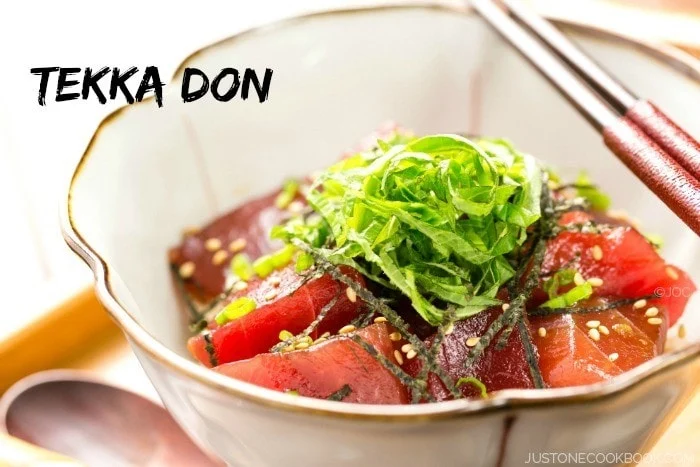

The allure of Tekka Don lies in its elegant simplicity. Unlike more complex sushi rolls or elaborate sashimi platters, Tekka Don focuses intensely on the harmony between premium sushi-grade tuna and impeccably prepared sushi rice. Each component must be at its peak to create a truly memorable culinary experience, promising a delightful balance of textures and tastes with every bite.
Understanding Tekka Don goes beyond just knowing its ingredients; it’s about appreciating the philosophy behind Japanese cooking – respect for ingredients. The term ‘Tekka’ (鉄火) originally referred to a type of gambling game played in ‘Tekkaba’ (gambling houses), where a simple tuna roll (Tekkamaki) was served as a quick, easy-to-eat snack. Over time, ‘Tekka’ became synonymous with tuna, particularly in its raw form, leading to the evolution of dishes like Tekka Don.
At its heart, Tekka Don is a donburi dish, meaning ‘bowl’ in Japanese, typically consisting of various ingredients served over rice. While many donburi feature cooked toppings, Tekka Don stands out with its pristine raw tuna. This distinction elevates it to a category that demands the freshest, highest-quality seafood, making the preparation process a careful ritual rather than a mere cooking task.
The foundation of any great donburi, and especially Tekka Don, is the rice. Not just any rice will do; it must be sushi rice – short-grain Japanese rice that has been meticulously washed, cooked, and seasoned with a delicate blend of rice vinegar, sugar, and salt. The result is a slightly sweet, tangy, and subtly sticky rice that perfectly complements the rich flavor of the tuna.
Choosing the right tuna is perhaps the most critical step. For Tekka Don, only sushi-grade tuna is acceptable. This means the tuna is of the highest quality, suitable for raw consumption, and has been handled with extreme care from catch to counter. Look for vibrant color, firm texture, and a clean, ocean-fresh scent. Avoid any fish that appears dull, discolored, or has a strong, fishy odor.
Typically, Bigeye (Me-bachi), Yellowfin (Kihada), or Bluefin (Kuro-maguro) tuna are preferred for Tekka Don. Bluefin is often considered the pinnacle due to its rich flavor and melt-in-your-mouth texture, but Bigeye and Yellowfin offer excellent, more accessible alternatives. Always consult with a reputable fishmonger and inquire about the tuna’s origin and freshness.
- Sushi-grade Tuna: Approximately 200-250g (7-9 oz) per serving, sliced against the grain.
- Japanese Short-grain Rice: 1.5 cups (uncooked), for two servings.
- Rice Vinegar: 4 tablespoons.
- Sugar: 2 tablespoons.
- Salt: 1 teaspoon.
- Soy Sauce (Shoyu): 3-4 tablespoons, high quality.
- Mirin: 2 tablespoons.
- Sake (optional): 1 tablespoon, for the marinade.
- Wasabi Paste: To taste.
- Pickled Ginger (Gari): For garnish and palate cleansing.
- Nori (seaweed): Shredded or cut into strips, for garnish.
- Green Onions (Scallions): Thinly sliced, for garnish.
- Toasted Sesame Seeds: For garnish.
The first crucial step is preparing the sushi rice. Begin by washing the rice thoroughly under cold running water until the water runs clear. This removes excess starch, preventing the rice from becoming overly sticky. Drain well and cook the rice according to your rice cooker’s instructions or on the stovetop, using a 1:1 ratio of rice to water for optimal texture.
While the rice cooks, prepare the sushi vinegar dressing. In a small saucepan, combine rice vinegar, sugar, and salt. Heat gently over low heat, stirring until the sugar and salt dissolve completely. Do not boil. Remove from heat and let it cool slightly. This dressing is the soul of your sushi rice.
Once the rice is cooked, transfer it immediately to a large, wide bowl, preferably a wooden hangiri (sushi rice tub), but a non-metallic bowl works fine. Drizzle the sushi vinegar dressing evenly over the hot rice. Using a cutting motion with a rice paddle or spatula, gently fold and mix the dressing into the rice. Avoid mashing the grains. Fan the rice as you mix to cool it down quickly and give it a beautiful glossy sheen. Cover with a damp cloth to keep it from drying out.
Next, prepare the marinade for the tuna, known as the ‘Tekka Don sauce.’ In a small bowl, whisk together soy sauce, mirin, and optional sake. This simple yet potent mixture will enhance the tuna’s umami and provide a subtle sweetness that balances its natural richness. Some chefs prefer to lightly warm this sauce to meld the flavors, then allow it to cool completely before use.
Now, for the star of the show: the tuna. With a very sharp knife, slice the sushi-grade tuna against the grain into uniform pieces, about 1/4 to 1/2 inch thick. Aim for clean, precise cuts to preserve the tuna’s delicate texture. The size and shape can vary, from thin rectangles to thicker sashimi-style blocks, depending on your preference. Gently pat the tuna dry with a paper towel.
Briefly marinate the tuna slices. Dip each tuna slice into the prepared soy-mirin sauce, ensuring it’s coated but not soaked for too long – typically just a few seconds on each side. The goal is to lightly season and glaze the tuna, not to cook it or overpower its natural flavor. Alternatively, you can arrange the tuna slices and drizzle the sauce over them just before serving.
With all components ready, it’s time for assembly. Take a donburi bowl and place a generous portion of the seasoned sushi rice at the bottom, spreading it evenly. Arrange the marinated tuna slices beautifully over the rice. You can lay them flat, slightly overlapping, or fan them out in a circular pattern, creating an appealing visual display.
Finally, garnish your Tekka Don. Sprinkle shredded nori, thinly sliced green onions, and toasted sesame seeds over the tuna. Add a small dollop of wasabi paste on the side of the bowl and a few slices of pickled ginger (gari) to cleanse the palate between bites. The presentation is key to enhancing the overall dining experience.
Sourcing sushi-grade tuna requires diligence. Visit a reputable Asian market or a high-end fishmonger known for their fresh seafood selection. Don’t hesitate to ask questions about the fish’s origin, catch date, and handling. A good fishmonger will be able to guide you to the best cuts suitable for raw consumption.
When inspecting tuna, look for a deep, vibrant red color, almost like raw beef, without any brown spots or discoloration. The flesh should be firm and spring back when gently pressed. Avoid tuna that looks dull, mushy, or has any strong, off-putting odors. Fresh tuna should smell faintly of the ocean, clean and crisp.
Mastering sushi rice is an art in itself. The perfect rice should be fluffy yet slightly sticky, with individual grains discernible. Ensure your water-to-rice ratio is precise, and resist the urge to peek or stir the rice while it’s cooking. After cooking, let it steam for an additional 10-15 minutes off the heat before opening the lid to allow the moisture to distribute evenly.
The folding technique when mixing the sushi vinegar into the rice is crucial. Use a gentle, slicing motion to separate the grains and incorporate the dressing without mashing them. Fanning the rice helps to cool it quickly, which prevents it from becoming gummy and gives it that desirable glossy finish.
The art of slicing tuna demands a very sharp, long knife, such as a yanagiba (sashimi knife), though a good chef’s knife can also work. Slice the tuna in a single, fluid motion, drawing the knife towards you. This minimizes tearing and preserves the integrity of the delicate flesh. Slicing against the grain ensures a tender, melt-in-your-mouth texture.
While traditional Tekka Don is a purist’s delight, there are many delightful variations. Consider adding thin slices of fresh avocado for a creamy texture contrast, or cucumber for a refreshing crunch. A sprinkle of tobiko (flying fish roe) can add a burst of briny flavor and vibrant color.
For those who enjoy a bit of heat, a spicy Tekka Don can be prepared by mixing the tuna with a dollop of spicy mayonnaise (mayonnaise mixed with sriracha or gochujang). Other sashimi-grade seafood like salmon (Sake Don) or yellowtail (Hamachi Don) can also be used, offering different flavor profiles while maintaining the donburi concept.
Tekka Don pairs wonderfully with a simple bowl of miso soup and a side of edamame. A light green tea complements the meal beautifully, cleansing the palate and enhancing the delicate flavors. For a more elaborate meal, consider serving it alongside a fresh green salad with a Japanese dressing.
Beyond its exquisite taste, Tekka Don offers significant health benefits. Tuna is an excellent source of lean protein, essential for muscle repair and growth. It’s also rich in Omega-3 fatty acids, which are crucial for heart health, brain function, and reducing inflammation. The rice provides complex carbohydrates for sustained energy.
As Tekka Don relies on raw fish, it is best consumed immediately after preparation to ensure optimal freshness and safety. If you have leftover components, store them separately. Cooked sushi rice should be consumed within a few hours or refrigerated for no more than a day, though its texture will change. Raw tuna should be stored in the coldest part of your refrigerator and consumed within 1-2 days of purchase.
Avoid these common pitfalls: never use non-sushi-grade fish; it poses a health risk. Do not overcook your rice, as it will become mushy. Be careful not to over-marinate the tuna, as it can toughen the fish and mask its natural flavor. Using a dull knife will tear the fish instead of slicing it cleanly, affecting both texture and presentation.
Tekka Don distinguishes itself from other popular donburi like Katsu Don (pork cutlet) or Oyakodon (chicken and egg) by its reliance on raw, premium seafood. While others offer comforting, cooked components, Tekka Don provides a lighter, refreshing, and often more refined culinary experience, highlighting the pristine quality of its ingredients.
The journey of making Tekka Don at home is incredibly rewarding. It’s an opportunity to connect with Japanese culinary traditions and to appreciate the nuances of fresh, high-quality ingredients. With practice, you’ll develop an intuitive sense for the perfect rice consistency and the ideal tuna preparation.
Embrace the process, pay attention to the details, and don’t be afraid to experiment with your garnishes and seasonings to personalize your Tekka Don. The ultimate goal is a harmonious bowl that delights the senses and satisfies the soul. Enjoy the culinary adventure of bringing this exquisite Japanese dish to your own table.
Consider the quality of your soy sauce; a premium, naturally brewed soy sauce will significantly elevate the flavor of your marinade. Mirin, a sweet rice wine, adds a subtle sweetness and glaze, while sake, if used, contributes depth and complexity, particularly in the marinade.
The roles of wasabi and gari (pickled ginger) are not just decorative. Wasabi provides a pungent kick that cuts through the richness of the tuna, while gari acts as a palate cleanser, preparing your taste buds for the next bite and enhancing the overall experience.
Essential equipment includes a good quality rice cooker for consistent rice, a very sharp knife for precise tuna slicing, and a large, wide bowl for mixing the sushi rice. These tools, while simple, are fundamental to achieving professional-level results at home.
Beyond tuna, don’t hesitate to explore other sashimi-grade fish for your donburi creations. Salmon, yellowtail, sea bream, or even scallops can be used, following similar preparation principles. This allows for endless customization and ensures you can always enjoy a fresh, exciting seafood donburi.
The joy of making Tekka Don at home extends beyond the meal itself. It’s the satisfaction of mastering a refined dish, the control over ingredient quality, and the ability to tailor it precisely to your taste. This culinary endeavor is a testament to the beauty of Japanese cuisine and the pleasure of shared meals.