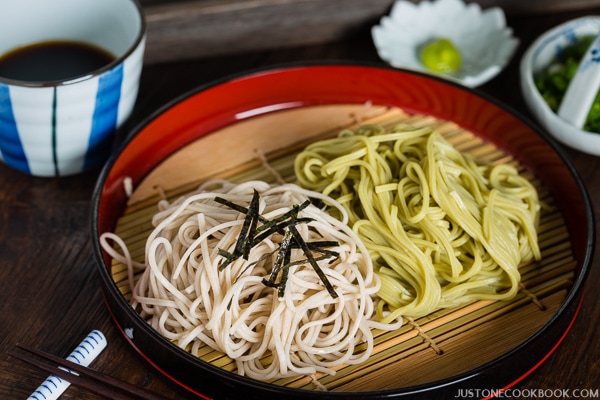
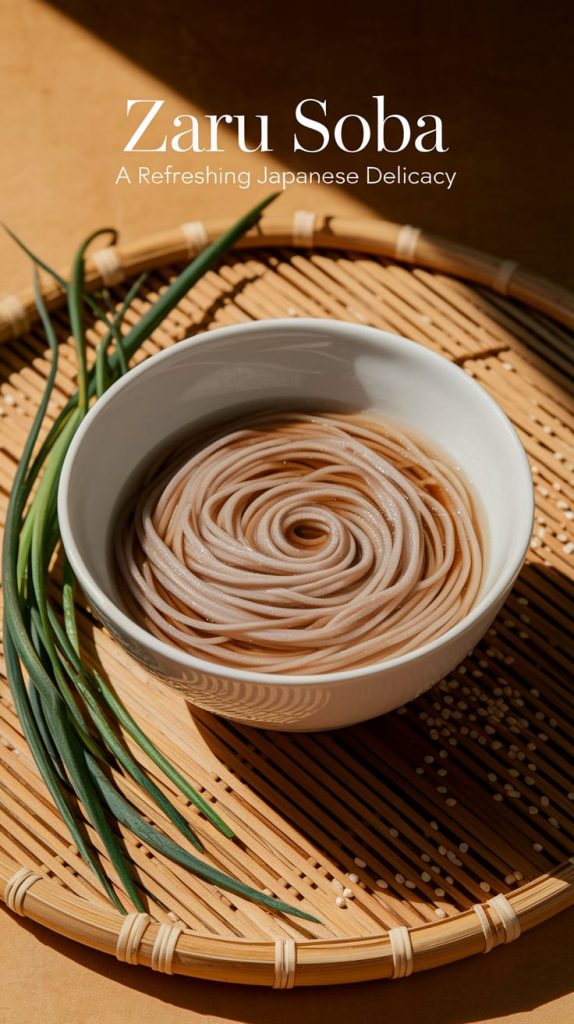

At its core, zaru soba consists of chilled buckwheat noodles, typically served on a bamboo mat (zaru) with a dipping sauce called tsuyu. The magic happens when we introduce succulent seafood, transforming a simple dish into a gourmet delight. The key to success lies in understanding each component and how they harmonize.
Cooking soba noodles requires precision. They should be cooked quickly in a generous amount of boiling water until just al dente. Overcooking will result in mushy noodles, which will detract from the dish’s refreshing quality. The cooking time is usually quite short, often just 4-6 minutes, so keep a close eye on them.
Rinsing the noodles is a crucial step that cannot be overlooked. Immediately after draining, the noodles must be thoroughly rinsed under cold running water. This process not only stops the cooking but also removes excess starch, which is essential for achieving that distinct, slippery texture characteristic of good zaru soba.
After rinsing, it’s vital to drain the noodles exceptionally well. Excess water will dilute the tsuyu and compromise the overall flavor. Gently pressing the noodles against the colander can help remove more water, but be careful not to break them.
The tsuyu, the dipping sauce, is the soul of zaru soba. A traditional tsuyu is made from dashi (Japanese soup stock), soy sauce, mirin (sweet rice wine), and a touch of sugar. The balance of these ingredients is key to a delicious tsuyu.
For a truly authentic flavor, homemade dashi is highly recommended. Kombu (dried kelp) and katsuobushi (bonito flakes) are the primary ingredients. Gently simmer the kombu in water, remove it before boiling, then add katsuobushi and simmer for a minute before straining. This process yields a rich, umami-packed broth.
When making the tsuyu, simmer the dashi with soy sauce, mirin, and sugar until the sugar dissolves and the flavors meld. Taste and adjust the seasoning to your preference – some prefer it sweeter, others saltier. A good tsuyu should be savory with a hint of sweetness.
The seafood component is where you can truly personalize your zaru soba. The key is to select fresh, high-quality seafood that complements the subtle flavors of the soba and tsuyu. Raw preparations are often preferred for their freshness and delicate texture.
Shrimp is a popular choice. Opt for large, fresh shrimp, peeled and deveined. Briefly blanching them in boiling water until they turn pink and opaque is sufficient. Overcooking will make them tough. Alternatively, you can use raw sushi-grade shrimp for an even more delicate flavor.
Scallops, particularly bay scallops or thinly sliced sea scallops, offer a sweet and tender addition. Ensure they are sushi-grade if consuming raw. If you prefer them cooked, a very quick sear can add a delightful caramelized note, but be mindful not to overcook.
Sashimi-grade fish, such as tuna (maguro) or salmon (sake), adds a luxurious element. Slice them thinly against the grain for the best texture. The freshness of the fish is paramount for raw consumption.
Crab meat, whether fresh or high-quality imitation crab, can provide a lovely sweetness and texture. Flake cooked crab meat for easy enjoyment.
Other excellent seafood options include squid (ika), which can be thinly sliced and served raw or lightly blanched, and octopus (tako), which is usually pre-cooked and sliced for tenderness.
When preparing the seafood, remember that less is often more. The goal is to enhance the soba, not overpower it. Minimal cooking or preparation will preserve the natural flavors and textures.
Beyond the main components, garnishes play a vital role in both the visual appeal and flavor profile of cold seafood zaru soba. These add layers of taste and texture.
Finely chopped scallions (negi) are a classic garnish, providing a sharp, fresh bite that cuts through the richness of the tsuyu and seafood.
Grated wasabi, either fresh or from a tube, is essential for those who enjoy a spicy kick. Its pungent heat complements the seafood beautifully.
Grated ginger offers a warm, zesty counterpoint. Use it sparingly, as its flavor can be quite potent.
Toasted nori seaweed, cut into thin strips (kizami nori), adds a subtle oceanic umami and a pleasing crispness.
A sprinkle of toasted sesame seeds can introduce a nutty flavor and a delightful crunch.
For an extra touch of elegance and flavor, consider adding a raw egg yolk or a quail egg yolk to the side. Many enjoy swirling it into their tsuyu for added richness and creaminess.
The presentation of zaru soba is as important as its taste. Traditionally, the chilled noodles are arranged neatly on a bamboo zaru (mat). This allows excess water to drain and provides a beautiful rustic aesthetic.
Arrange the seafood components artfully around the noodles or on a separate small plate. The goal is to create a visually appealing dish that stimulates the appetite.
Serve the tsuyu in a small dipping bowl, alongside the noodles and garnishes. Each diner can then customize their dipping experience.
When eating zaru soba, diners dip a small portion of noodles into the tsuyu, often adding a touch of wasabi, ginger, or scallions, before slurping them up. This method ensures that each bite is perfectly seasoned.
The temperature is crucial for zaru soba. Ensure the noodles are thoroughly chilled. Keeping them in the refrigerator after rinsing until ready to serve is recommended. The tsuyu should also be served chilled.
For a truly refreshing experience, consider adding a few ice cubes to the tsuyu just before serving, especially on a hot day. This ensures the dish remains cool throughout the meal.
When selecting seafood, prioritize freshness above all else. If you are not confident in the quality of raw seafood at your local market, opt for lightly cooked options. Safety is paramount.
Consider the seasonality of seafood. Certain types of seafood are best enjoyed during specific times of the year, offering peak flavor and texture.
Experiment with different combinations of seafood. Perhaps a mix of shrimp and scallops, or tuna and crab. The possibilities are vast and allow for endless creativity.
Don’t be afraid to adjust the tsuyu recipe to your liking. Some prefer a lighter, more delicate tsuyu, while others enjoy a bolder, more intense flavor.
The quality of your ingredients directly impacts the final dish. Investing in good soba noodles, fresh seafood, and quality condiments will make a significant difference.
Remember that zaru soba is best enjoyed immediately after preparation. The noodles can become sticky and lose their texture if left to sit for too long.
A perfectly crafted cold seafood zaru soba is a testament to the elegance and simplicity of Japanese cuisine. It’s a dish that is both incredibly satisfying and wonderfully refreshing, making it an ideal meal for any occasion, especially during warmer months.
By paying attention to the details – from the cooking of the noodles to the balance of the tsuyu and the freshness of the seafood – you can create a memorable dining experience that transports your taste buds to Japan.
Enjoy the process of creating this beautiful dish, and savor every delicious, cool bite.