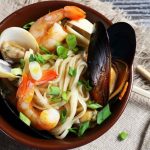
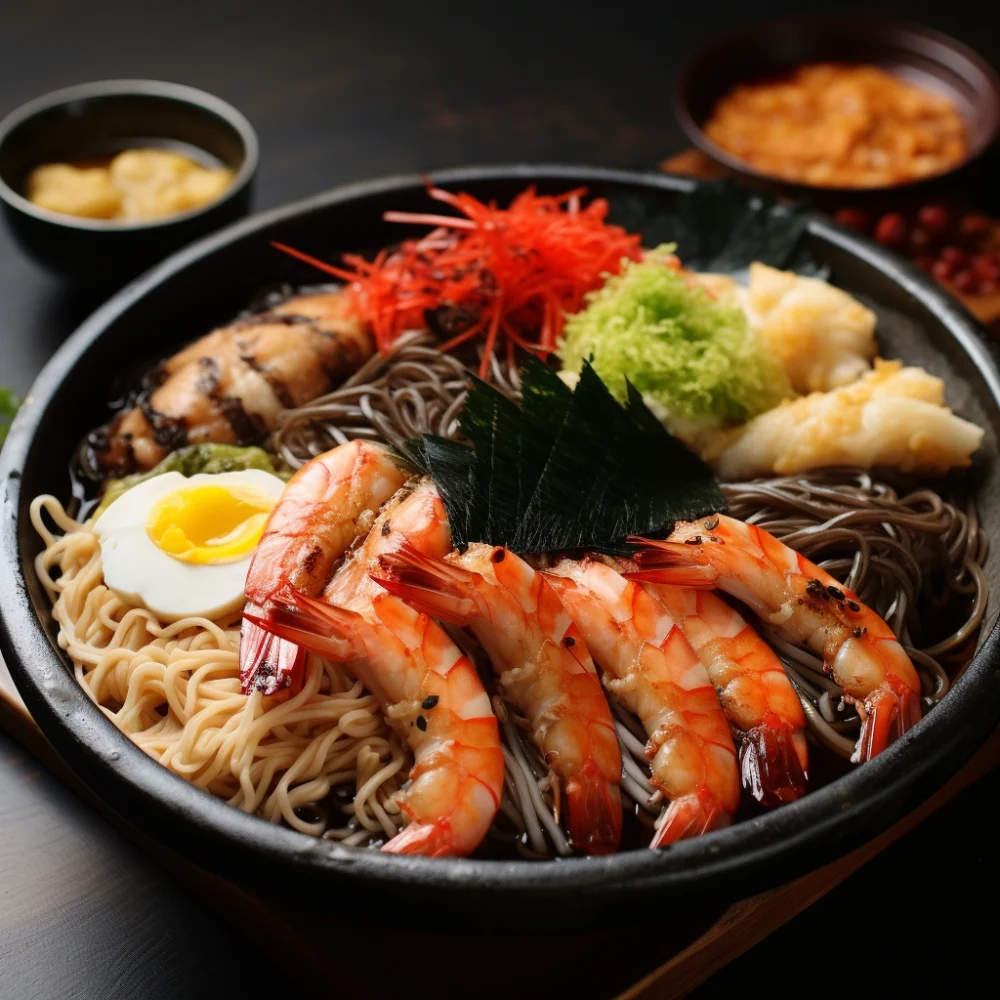

Japanese cuisine is renowned for its precision, freshness, and artful presentation. Soba Goreng, though seemingly simple, embodies these principles, offering a wholesome and deeply satisfying meal. In this comprehensive guide, we will delve into every aspect of preparing an authentic and delectable Seafood Soba Goreng, from understanding its core ingredients to mastering the stir-frying technique. Prepare to transform your kitchen into a haven of Japanese culinary excellence.
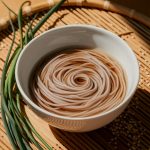
At its core, Soba Goreng translates to ‘fried soba noodles.’ While ‘yakisoba’ is a more widely recognized Japanese stir-fried noodle dish typically made with chuka soba (wheat noodles), Soba Goreng specifically utilizes soba, which are buckwheat noodles. This distinction is crucial, as soba noodles bring a unique nutty flavor and a slightly firmer, more elastic texture that sets this dish apart from its wheat-based counterparts.
The beauty of Soba Goreng lies in its versatility and the delightful interplay of its components. Imagine perfectly cooked soba noodles, tender yet firm, coated in a glistening, savory sauce, tossed with an assortment of succulent seafood and crisp-tender vegetables. Each bite offers a symphony of flavors and textures, making it an incredibly engaging dish to prepare and enjoy.
Soba noodles boast a rich history in Japan, dating back centuries. Traditionally made from buckwheat flour, soba was initially consumed as a porridge before evolving into its noodle form. Its popularity soared during the Edo period, becoming a staple fast food in bustling cities. Beyond its culinary appeal, soba is celebrated for its nutritional benefits, being naturally gluten-free (when made from 100% buckwheat) and a good source of protein, fiber, and essential minerals.
The unique earthy flavor and firm bite of soba noodles make them an exceptional canvas for vibrant stir-fries. Unlike ramen or udon, soba offers a subtle robustness that stands up beautifully to bold sauces and rich ingredients, ensuring it never gets lost in the medley of flavors. This inherent characteristic is precisely why it shines so brightly in a dish like Soba Goreng.
When it comes to Soba Goreng, seafood is not merely an addition; it is often the star. The delicate sweetness and varied textures of fresh seafood—from the plump succulence of prawns to the tender chewiness of squid and the buttery richness of scallops—complement the nutty soba noodles and savory sauce exquisitely. Seafood also cooks quickly, making it ideal for the rapid-fire technique of stir-frying.
Choosing the right seafood is paramount for a truly exceptional dish. Opt for the freshest ingredients available, as their quality will significantly impact the final flavor. A mix of different types of seafood adds complexity and excitement to each bite, transforming a simple noodle dish into a gourmet experience.
Let’s break down the essential components that bring Japanese Seafood Soba Goreng to life. Understanding each ingredient’s role is key to mastering this dish.
The Soba Noodles: While fresh soba noodles are ideal, high-quality dried soba is widely available and works perfectly. Look for brands that contain a higher percentage of buckwheat for superior flavor and texture. Ensure they are cooked al dente, as they will continue to cook briefly in the wok.
- Prawns/Shrimp: Medium to large size, peeled and deveined. Their natural sweetness and firm texture are indispensable.
- Squid (Calamari): Cleaned and cut into rings or bite-sized pieces. It adds a tender chewiness.
- Scallops: Bay or sea scallops, pat dried. They offer a luxurious, buttery flavor and melt-in-your-mouth texture.
- Optional: White fish fillets (like cod or snapper) cut into cubes, or even fish cakes for an authentic touch.
The Vegetables: These add crunch, freshness, and color.
- Cabbage: Shredded, provides bulk and a subtle sweetness.
- Carrots: Julienne or thinly sliced for color and crunch.
- Onions: Sliced, offering a foundational aromatic sweetness.
- Bell Peppers: Sliced (red, yellow, or green) for vibrant color and a fresh bite.
- Mushrooms: Shiitake or cremini, sliced, for an earthy umami depth.
- Bean Sprouts: Added at the very end for a refreshing crunch.
The Soba Goreng Sauce: This is the heart of the dish, providing its signature savory, sweet, and umami profile.
- Soy Sauce: Japanese light soy sauce (shoyu) is preferred for its balanced flavor.
- Mirin: Sweet rice wine, essential for sweetness and gloss.
- Sake: Japanese cooking wine, adds depth and helps tenderize seafood.
- Oyster Sauce: Contributes a rich, savory, slightly sweet umami.
- Sugar: A touch balances the saltiness of soy and oyster sauce.
- Dashi (Optional but Recommended): Japanese soup stock, enhances the umami significantly. Powdered dashi can be dissolved in water.
- Sesame Oil: Added at the very end for aroma and a nutty finish.
Aromatics: The foundation of flavor.
- Garlic: Minced, provides a pungent base.
- Ginger: Grated or finely minced, adds a spicy, aromatic warmth.
Garnishes: For freshness, flavor, and visual appeal.
- Spring Onions (Scallions): Sliced, for a fresh, mild oniony bite.
- Toasted Sesame Seeds: For nutty flavor and texture.
- Katsuobushi (Bonito Flakes): Optional, but adds a smoky, umami depth as they dance on the hot noodles.
Before you begin cooking, ensure all your ingredients are prepped and ready. This ‘mise en place’ approach is crucial for stir-frying, as the cooking process is very quick. Have your noodles cooked, seafood cleaned and cut, vegetables chopped, and sauce mixed in a bowl.
Now, let’s walk through the steps to create your perfect Japanese Seafood Soba Goreng.
Step 1: Prepare the Soba Noodles
Cook the soba noodles according to package instructions, usually in boiling water for 3-5 minutes. They should be firm to the bite (al dente). Immediately drain them, rinse thoroughly under cold water to stop the cooking process and remove excess starch, then drain well again. You can toss them with a tiny bit of sesame oil to prevent sticking.
Step 2: Prepare the Seafood
Ensure your prawns are peeled and deveined, squid is cleaned and cut, and scallops are patted dry. Season the seafood lightly with a pinch of salt and white pepper. Having them dry is important for a good sear.
Step 3: Mix the Soba Goreng Sauce
In a small bowl, whisk together the soy sauce, mirin, sake, oyster sauce, sugar, and dashi (if using). Taste and adjust to your preference – you might want a bit more sweetness or savoriness. Set aside.
Step 4: Sauté Aromatics and Vegetables
Heat a large wok or a wide, heavy-bottomed pan over high heat until it’s smoking. Add a tablespoon of neutral oil (like canola or vegetable oil). Add the minced garlic and ginger and stir-fry quickly for about 15-30 seconds until fragrant. Do not burn. Add the sliced onions, carrots, and bell peppers. Stir-fry for 2-3 minutes until they start to soften but still retain some crunch.
Step 5: Cook the Seafood
Push the vegetables to one side of the wok. Add a little more oil if needed. Add the prepared seafood (prawns, squid, scallops). Stir-fry for 2-4 minutes, depending on the type and size, until the prawns turn pink, the squid curls, and the scallops are opaque. Be careful not to overcook the seafood, as it can become rubbery.
Step 6: Combine and Sauce
Add the shredded cabbage and sliced mushrooms to the wok. Stir-fry for another 1-2 minutes until the cabbage wilts slightly. Add the cooked and drained soba noodles to the wok. Pour the prepared Soba Goreng sauce evenly over the noodles and ingredients. Toss everything vigorously using two spatulas or tongs, ensuring the noodles and all components are thoroughly coated in the sauce. Continue to stir-fry for 1-2 minutes, allowing the sauce to thicken slightly and coat everything beautifully.
Step 7: Final Touches and Garnish
Add the bean sprouts and a drizzle of sesame oil. Give it one last quick toss for about 30 seconds. Remove from heat immediately. Serve hot, garnished generously with sliced spring onions, toasted sesame seeds, and a sprinkle of katsuobushi (bonito flakes) if desired.
Mastering the wok is crucial for achieving that authentic stir-fry texture and flavor. Always cook over high heat. This allows ingredients to sear quickly, locking in flavors and preventing them from steaming. Do not overcrowd the wok; if necessary, cook in batches to maintain high heat and ensure proper stir-frying.
The sauce is the soul of Soba Goreng. Achieve the perfect balance of sweet, savory, and umami. Taste your sauce mixture before adding it to the wok and adjust as needed. A touch more sugar can balance saltiness, while a dash of dashi can deepen the umami profile.
Always opt for fresh, high-quality ingredients. Fresh seafood makes a remarkable difference in taste and texture. Similarly, crisp, vibrant vegetables not only add visual appeal but also contribute significantly to the dish’s overall freshness and flavor.
Soba Goreng is wonderfully adaptable. Feel free to experiment with different vegetables like snow peas, bok choy, or bamboo shoots. For protein, thinly sliced chicken breast or tofu can be excellent alternatives or additions. Adjust the spice level with a dash of chili oil or sriracha if you prefer a kick.
Serve your Seafood Soba Goreng immediately after cooking to enjoy it at its best. It makes a complete meal on its own, but it can also be paired with a simple side salad dressed with a Japanese-style vinaigrette or a light miso soup. A sprinkle of shichimi togarashi (Japanese seven-spice blend) at the table can add an extra layer of flavor and heat.
This dish isn’t just delicious; it’s also packed with nutritional benefits. Soba noodles, made from buckwheat, are naturally gluten-free (if 100% buckwheat) and provide complex carbohydrates, fiber, and protein. Seafood is an excellent source of lean protein, omega-3 fatty acids, and essential vitamins and minerals. The array of vegetables adds crucial vitamins, antioxidants, and dietary fiber.
- Overcooking Noodles: Soggy noodles are a no-go. Rinse them thoroughly in cold water to stop cooking.
- Overcrowding the Wok: This lowers the temperature, leading to steamed rather than stir-fried ingredients. Cook in batches if your wok is small.
- Overcooking Seafood: Seafood cooks very quickly. Remove it as soon as it’s done to prevent it from becoming rubbery.
- Bland Sauce: Always taste your sauce before adding it to ensure it hits all the right notes.
- Lack of Heat: A proper stir-fry requires high heat throughout the cooking process.
For that coveted restaurant-quality finish, remember: speed and heat are your allies. Work quickly, keep your wok roaring, and ensure all ingredients are prepped beforehand. Don’t be afraid to use a generous amount of oil for stir-frying, as it helps distribute heat and flavors evenly. A final splash of mirin or sake just before serving can also boost the aroma and gloss.
Can I use instant soba noodles? Yes, you can, but fresh or good-quality dried soba will yield a superior texture and flavor.
What if I don’t have sake or mirin? While they contribute significantly to the authentic flavor, you can substitute sake with dry sherry or chicken broth, and mirin with a small amount of sugar dissolved in water (though the depth of flavor will differ).
How can I make this dish vegetarian? Omit the seafood and oyster sauce. Replace oyster sauce with a vegetarian oyster sauce or a mushroom-based soy sauce. Add extra vegetables like tofu, tempeh, or a wider variety of mushrooms.
Is this dish gluten-free? Only if you use 100% buckwheat soba noodles and gluten-free soy sauce. Many soba noodles contain wheat flour, so check the label carefully.
Japanese Seafood Soba Goreng is more than just a meal; it’s an experience. It’s a testament to the simplicity and elegance that defines Japanese home cooking, where fresh ingredients and balanced flavors take center stage. By following this comprehensive guide, you are now equipped with the knowledge and techniques to create a truly spectacular dish that will impress your family and friends.
Embrace the process, savor the aromas, and delight in the rich, complex flavors of your homemade Seafood Soba Goreng. It’s a dish that not only satisfies the palate but also offers a glimpse into the wonderful world of Japanese culinary traditions. Happy cooking!