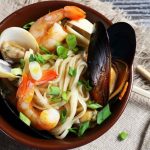

The beauty of cold seafood somen lies in its versatility and the ability to customize it with your favorite types of seafood and complementary garnishes. Whether you’re a seasoned home cook or a beginner exploring Asian-inspired cuisine, this guide will walk you through every step, ensuring a successful and delicious outcome.
Let’s begin by understanding the core components of this dish. The primary elements are the somen noodles, the selection of fresh seafood, and the dipping sauce, often referred to as ‘tsuyu’. Each element plays a crucial role in the overall harmony of flavors and textures.
Choosing the right somen noodles is the first step. Look for high-quality somen, typically found in Asian markets or the international aisle of larger supermarkets. Somen is usually sold in thin bundles, and its delicate nature means it cooks very quickly, often in just 2-3 minutes. It’s essential to follow the package instructions precisely to avoid overcooking.
The seafood component is where you can truly personalize the dish. A variety of seafood works wonderfully, and a mix often provides the most interesting flavor and texture profile. Popular choices include shrimp, scallops, crab meat, and various types of white fish.
For shrimp, medium-sized ones are ideal. They should be peeled, deveined, and cooked until just opaque. Overcooked shrimp can become rubbery, detracting from the dish’s delicate nature. Blanching or a quick sauté are excellent methods for cooking shrimp.
Scallops, particularly bay scallops or sea scallops cut into smaller pieces, offer a sweet, tender bite. Similar to shrimp, they should be cooked briefly to maintain their succulent texture. A gentle pan-sear can add a lovely caramelized note.
Crab meat, whether fresh, imitation, or canned (drained and flaked), adds a luxurious touch. If using fresh crab, ensure it’s cooked through. For canned or imitation crab, simply flake it and ensure it’s at room temperature or slightly chilled.
White fish, such as cod, snapper, or tilapia, can also be incorporated. Poaching or steaming the fish until flaky and then chilling it before flaking or slicing is a great way to prepare it. The mild flavor of white fish pairs beautifully with the other ingredients.
Beyond these common choices, consider adding other seafood like squid (calamari) rings, mussels, or even thinly sliced raw sashimi-grade fish like tuna or salmon for a more adventurous and authentic Japanese-style presentation.
The preparation of the seafood is critical. Regardless of the type, ensure all seafood is cooked thoroughly and then cooled completely before adding it to the noodles. Chilling the seafood helps maintain the overall cold temperature of the dish and prevents the noodles from becoming mushy.
Now, let’s turn our attention to the dipping sauce, the ‘tsuyu’. A well-balanced tsuyu is key to elevating the somen noodles and seafood. The base is typically dashi, a fundamental Japanese broth. You can make dashi from scratch using kombu (kelp) and katsuobushi (bonito flakes), or opt for instant dashi granules for convenience.
To the dashi, you’ll add soy sauce for saltiness and umami, mirin for a touch of sweetness and gloss, and sake (optional) for depth of flavor. Some recipes also include a small amount of sugar to further balance the saltiness.
The ratio of these ingredients can be adjusted to your preference. A common starting point is equal parts dashi and soy sauce, with mirin added to taste. Gently heat the mixture to dissolve the sugar and combine the flavors, but do not boil vigorously, as it can diminish the delicate dashi notes.
Once the tsuyu is prepared, it needs to be chilled thoroughly. A cold dipping sauce is essential for the refreshing quality of this dish. You can make the tsuyu ahead of time and refrigerate it for several hours or even overnight.
The somen noodles themselves require careful cooking. Bring a large pot of unsalted water to a rolling boil. Add the somen noodles and stir gently to prevent them from clumping. Cook according to package directions, usually only for 2-3 minutes.
As soon as the noodles are al dente (tender but with a slight bite), drain them immediately into a colander. Rinse the noodles thoroughly under cold running water. This step is crucial for removing excess starch, which can make the noodles sticky, and for chilling them down rapidly.
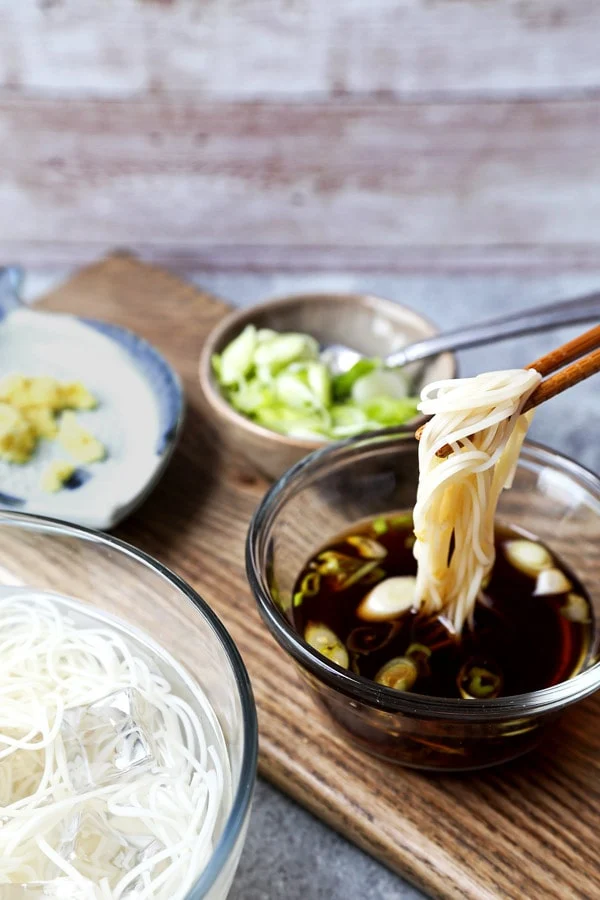
Continue rinsing and gently tossing the noodles until they are completely cold. Some chefs even recommend a quick dip in an ice bath for maximum chill.
Once the noodles are properly cooled and drained, they are ready to be assembled with the seafood. You can either toss the chilled noodles directly with the prepared seafood, or serve the noodles in a bowl with the seafood arranged attractively on top.
Garnishes play a vital role in adding color, texture, and additional layers of flavor. Classic garnishes for cold somen include thinly sliced cucumber, shredded nori (seaweed), finely chopped scallions (green onions), and a sprinkle of toasted sesame seeds.
Cucumber provides a crisp, refreshing contrast to the soft noodles and seafood. Julienne or thinly slice it for best results. Nori adds a subtle oceanic flavor and visual appeal.
Scallions offer a mild oniony bite, while sesame seeds contribute a nutty aroma and crunch. Consider adding a touch of grated ginger or wasabi to the dipping sauce for an extra kick.
For a more substantial meal, you can also include other accompaniments like a small portion of tamagoyaki (Japanese rolled omelet), pickled ginger, or even a small side salad.
Serving the cold seafood somen is an art in itself. Traditionally, somen is served with the dipping sauce in a separate small bowl. Diners then dip the noodles into the sauce as they eat.
Arrange the chilled somen noodles neatly in individual bowls. Artfully place the prepared seafood and chosen garnishes over the noodles. Ensure the presentation is visually appealing, as this enhances the dining experience.
The dipping sauce should be served chilled in small dipping bowls alongside each serving of noodles. You can garnish the dipping sauce itself with a sliver of scallion or a tiny pinch of shichimi togarashi (Japanese seven-spice blend) for added visual interest and flavor.
When eating, take a small portion of noodles, dip them into the tsuyu, and then enjoy. The combination of cool noodles, savory sauce, and fresh seafood creates a symphony of flavors and textures.
For those seeking a more contemporary twist, you could also consider mixing some of the tsuyu directly into the noodles before serving, or incorporating ingredients like avocado, edamame, or even a drizzle of chili oil for a spicy variation.
Leftovers, if any, should be stored in an airtight container in the refrigerator. It’s best to consume cold seafood somen within a day or two, as the noodles can become slightly softer over time, and the freshness of the seafood is paramount.
Experimentation is encouraged! Don’t be afraid to try different types of seafood, adjust the tsuyu’s sweetness and saltiness, or explore various garnishes. The goal is to create a dish that perfectly suits your palate.
This dish is not only delicious but also relatively healthy, offering lean protein from the seafood and carbohydrates from the noodles. The light dipping sauce makes it a guilt-free indulgence.
In conclusion, mastering cold seafood somen noodles involves careful selection of ingredients, precise preparation techniques, and thoughtful presentation. By following these guidelines, you can create a truly exceptional and refreshing meal that is sure to impress.
Enjoy the process of creating this delightful dish, and savor the exquisite flavors and textures of your homemade cold seafood somen noodles. It’s a testament to the simple elegance and profound satisfaction that can be found in well-prepared noodle dishes.
Consider the quality of your soy sauce; a good Japanese shoyu will make a noticeable difference in the tsuyu. Similarly, fresh seafood is non-negotiable for the best results. Don’t compromise on freshness.
The temperature of all components is key. Ensure your noodles are thoroughly chilled, your seafood is cold, and your dipping sauce is icy. This is what defines a ‘cold’ noodle dish.
For a vegetarian or vegan alternative, you can omit the seafood and focus on crisp vegetables like bell peppers, carrots, and snow peas, perhaps adding marinated tofu or mushrooms. The tsuyu can be made without bonito flakes for a vegetarian dashi.
The texture of the somen noodles is paramount. Overcooked noodles will be mushy and unappealing. Undercooked noodles will be too hard. Aim for that perfect al dente bite after rinsing.
Don’t underestimate the power of garnishes. They add visual appeal, textural contrast, and flavor complexity. A well-garnished dish is always more inviting.
This dish is perfect for picnics, light lunches, or as an elegant appetizer. Its refreshing nature makes it a crowd-pleaser, especially during summer gatherings.
When preparing the seafood, ensure it’s cut into bite-sized pieces that are easy to eat with noodles and dip into the sauce. Uniformity in size helps with even cooking and presentation.
Finally, remember that the dipping sauce is meant to complement, not overpower, the delicate flavors of the somen and seafood. Adjust the seasoning to your liking, but err on the side of subtlety.
The combination of Japanese culinary techniques and fresh, vibrant seafood creates a dish that is both sophisticated and satisfying. It’s a true celebration of simple, high-quality ingredients.