
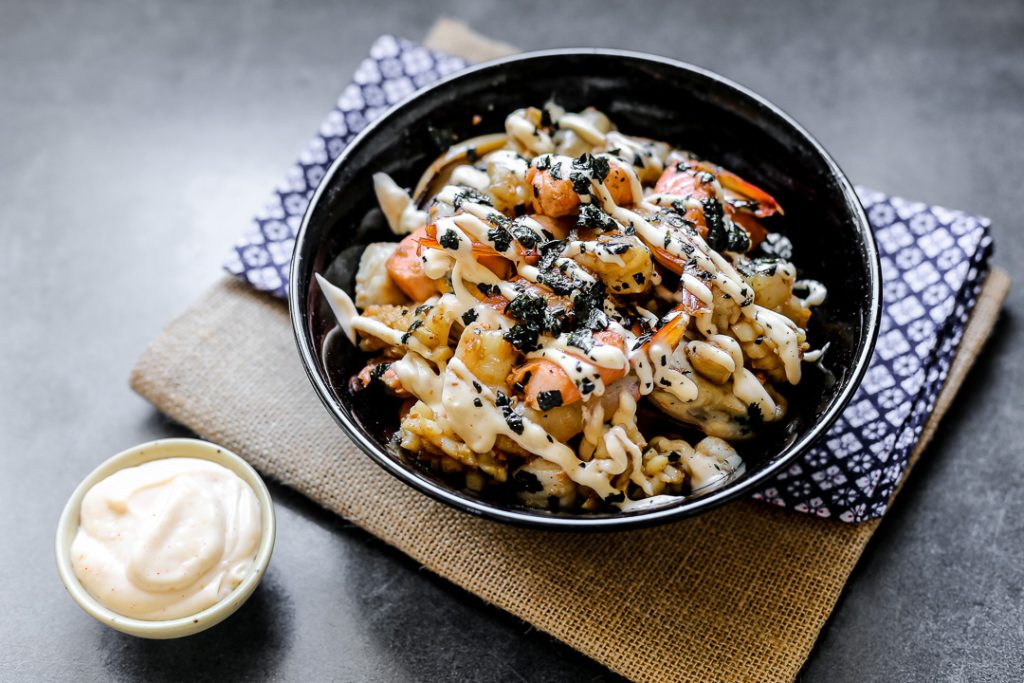

What is Teppanyaki? A Brief History
Before diving into the recipe, let’s understand the origins of teppanyaki. ‘Teppanyaki’ refers to a style of Japanese cuisine that uses an iron griddle (teppan) to cook food. While the concept of grilling food on a flat surface dates back centuries, the modern teppanyaki experience, often involving entertaining chefs and interactive cooking, is a relatively recent invention. It gained popularity in the mid-20th century as a way to showcase Japanese cuisine to foreign visitors. Today, teppanyaki restaurants are found across the globe, offering a unique and memorable dining experience.
Why Make Seafood Teppanyaki at Home?
- Cost-Effective: Restaurant meals can be expensive. Cooking at home allows you to control the cost of ingredients and enjoy a gourmet meal without breaking the bank.
- Customization: You can tailor the recipe to your preferences, using your favorite seafood and vegetables. Control the amount of seasoning and sauces to suit your taste.
- Freshness: When you cook at home, you have complete control over the quality and freshness of the ingredients.
- Fun and Interactive: Cooking teppanyaki can be a fun and engaging activity for the whole family. Get everyone involved in prepping the ingredients and watching the magic happen on the grill.
- Dietary Control: If you have dietary restrictions or allergies, cooking at home allows you to ensure that your meal is safe and suitable for your needs.
Gathering Your Ingredients: The Key to Success
- Seafood: Choose a variety of fresh seafood. Popular options include shrimp, scallops, salmon, tuna, lobster, and calamari. Ensure the seafood is firm, smells fresh, and is free from any discoloration. Consider buying from a reputable fishmonger or grocery store with a good seafood counter.
- Vegetables: Select a colorful assortment of vegetables that will cook quickly and evenly. Common choices include zucchini, bell peppers (red, yellow, and orange), onions, mushrooms, broccoli, and bean sprouts. Cut the vegetables into bite-sized pieces or thin slices to ensure they cook through.
- Rice: Cooked rice is a staple accompaniment to teppanyaki. Choose your favorite type of rice, such as white rice, brown rice, or jasmine rice. Cook it according to package directions.
- Sauces: The sauces are what bring the flavors together. Popular options include soy sauce, teriyaki sauce, ginger sauce, garlic sauce, and sesame oil. You can buy pre-made sauces or make your own from scratch for a more authentic flavor.
- Oil: Use a high-heat oil such as vegetable oil, canola oil, or peanut oil for cooking. These oils have a high smoke point, which is essential for teppanyaki cooking.
- Seasonings: Keep it simple with salt, pepper, and garlic powder. These seasonings will enhance the natural flavors of the seafood and vegetables.
The Ultimate Seafood Teppanyaki Recipe
Now, let’s get to the heart of the matter: the recipe. This recipe is designed to serve four people. Adjust the quantities as needed.
- 1 pound mixed seafood (shrimp, scallops, salmon, calamari), cleaned and cut into bite-sized pieces
- 1 zucchini, sliced
- 1 red bell pepper, sliced
- 1 yellow bell pepper, sliced
- 1 onion, sliced
- 8 ounces mushrooms, sliced
- 1 cup broccoli florets
- 1 cup bean sprouts
- 2 cups cooked rice
- 1/4 cup soy sauce
- 1/4 cup teriyaki sauce
- 2 tablespoons ginger sauce
- 2 tablespoons garlic sauce
- 2 tablespoons sesame oil
- 2 tablespoons vegetable oil
- Salt and pepper to taste
- Garlic powder to taste
- Large skillet or griddle (preferably a teppanyaki grill if you have one)
- Mixing bowls
- Cutting board
- Knife
- Spatula or tongs
- Prepare the Seafood and Vegetables: In separate bowls, toss the seafood and vegetables with a drizzle of sesame oil, salt, pepper, and garlic powder. This will help them cook evenly and enhance their flavors.
- Heat the Grill: Heat the vegetable oil in a large skillet or on a teppanyaki grill over medium-high heat. The surface should be hot enough to sizzle when a drop of water is added.
- Cook the Vegetables: Add the onions and mushrooms to the hot grill and cook for 2-3 minutes, or until they start to soften. Then, add the zucchini, bell peppers, and broccoli. Cook for another 5-7 minutes, or until the vegetables are tender-crisp. Push the vegetables to the side of the grill to keep them warm.
- Cook the Seafood: Add the seafood to the center of the grill and cook for 3-5 minutes, or until it is cooked through and opaque. Be careful not to overcook the seafood, as it can become tough and rubbery.
- Combine and Sauce: Combine the cooked seafood and vegetables on the grill. Pour the soy sauce, teriyaki sauce, ginger sauce, and garlic sauce over the mixture. Toss everything together to ensure it is evenly coated with the sauces.
- Serve: Serve the seafood teppanyaki immediately over a bed of cooked rice. Garnish with sesame seeds or chopped green onions, if desired.
Tips for Perfect Teppanyaki
- Don’t Overcrowd the Grill: Cook the seafood and vegetables in batches if necessary to avoid overcrowding the grill. Overcrowding can lower the temperature of the grill and result in uneven cooking.
- Use High Heat: Teppanyaki requires high heat to sear the seafood and vegetables quickly, locking in their flavors and juices.
- Keep it Moving: Continuously move the seafood and vegetables around on the grill to prevent them from sticking and burning.
- Season Generously: Don’t be afraid to season the seafood and vegetables generously with salt, pepper, and garlic powder. These seasonings will enhance their natural flavors.
- Adjust the Sauces to Your Taste: The amount of sauce you use is a matter of personal preference. Start with a small amount and add more as needed.
Variations and Additions
- Add Noodles: Substitute the rice with stir-fried noodles for a heartier meal. Udon or yakisoba noodles work well.
- Include Tofu: Add cubes of firm tofu to the vegetables for a vegetarian option.
- Spice it Up: Add a pinch of red pepper flakes or a dash of chili oil to the sauces for a spicy kick.
- Use Different Seafood: Experiment with different types of seafood, such as monkfish, swordfish, or sea bass.
- Add More Vegetables: Include other vegetables such as asparagus, snow peas, or bok choy.
Making Your Own Teppanyaki Sauces
- 1/2 cup soy sauce
- 1/4 cup mirin (sweet rice wine)
- 2 tablespoons sugar
- 1 tablespoon sake (optional)
- 1 teaspoon grated ginger
- 1 clove garlic, minced
Combine all ingredients in a saucepan and bring to a simmer over medium heat. Cook for 5-7 minutes, or until the sauce has thickened slightly. Let cool before using.
- 1/4 cup soy sauce
- 2 tablespoons rice vinegar
- 1 tablespoon grated ginger
- 1 tablespoon sesame oil
- 1 teaspoon sugar
- 1/2 teaspoon garlic, minced
Combine all ingredients in a bowl and whisk until well combined. Let sit for at least 15 minutes to allow the flavors to meld.
- 1/4 cup soy sauce
- 2 tablespoons rice vinegar
- 2 tablespoons sesame oil
- 2 cloves garlic, minced
- 1 teaspoon sugar
Combine all ingredients in a bowl and whisk until well combined. Let sit for at least 15 minutes to allow the flavors to meld.
Serving Suggestions
- Miso Soup: Serve a bowl of warm miso soup as a starter.
- Edamame: Offer edamame (steamed soybeans) as a healthy and delicious appetizer.
- Japanese Salad: Prepare a simple Japanese salad with a ginger-sesame dressing.
- Green Tea: Serve hot green tea to cleanse the palate after the meal.
- Sake: Pair the teppanyaki with a bottle of sake for an authentic Japanese dining experience.
Health Benefits of Seafood Teppanyaki
- Protein: Seafood is an excellent source of lean protein, which is essential for building and repairing tissues.
- Omega-3 Fatty Acids: Seafood is rich in omega-3 fatty acids, which are beneficial for heart health, brain function, and reducing inflammation.
- Vitamins and Minerals: Seafood and vegetables are packed with vitamins and minerals, such as vitamin D, vitamin B12, iron, and zinc.
- Fiber: Vegetables provide fiber, which aids in digestion and promotes satiety.
Storing Leftovers
If you have any leftovers, store them in an airtight container in the refrigerator for up to 2 days. Reheat in a skillet or microwave until heated through. Be careful not to overcook the seafood when reheating, as it can become tough.
Conclusion: Mastering the Art of Home Teppanyaki
With this comprehensive guide, you’re now equipped to create restaurant-quality seafood teppanyaki in your own kitchen. By selecting fresh ingredients, mastering the cooking techniques, and customizing the recipe to your preferences, you can impress your family and friends with your culinary skills. So, gather your ingredients, fire up the grill, and embark on a delicious teppanyaki adventure!
Enjoy your homemade Seafood Teppanyaki!