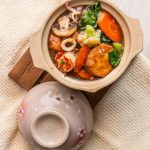


Preparing hot pot at home offers numerous advantages. It allows for complete customization of ingredients, catering to personal preferences and dietary needs. Furthermore, it’s often more cost-effective than dining out, especially when entertaining a group. Most importantly, it fosters a unique sense of connection and shared joy, making it an ideal choice for family gatherings, friendly get-togethers, or a special date night.
Before diving into the delectable ingredients, let’s ensure you have the necessary tools. The right equipment is fundamental to a seamless and enjoyable hot pot experience. Investing in a few key items will make all the difference.
Beyond the main pot, you’ll want to gather some essential serving accessories. Small individual strainer ladles are crucial for each diner to retrieve their cooked ingredients from the broth. Long chopsticks or tongs are also helpful for handling raw ingredients and adding them to the pot. Ample serving plates for raw ingredients, small individual bowls for cooked food, and even smaller condiment dishes for dipping sauces complete the setup.
The broth is arguably the soul of any hot pot. It infuses all the ingredients with its flavor, so choosing or crafting the right one is paramount. There’s a vast spectrum of broths to explore, from light and aromatic to rich and intensely spicy.
For a delightful seafood hot pot, a clear, aromatic broth is often preferred as it allows the natural sweetness of the seafood to shine. A simple yet flavorful base can be made from chicken or vegetable stock. To enhance it, consider simmering with:
- Sliced ginger
- Green onions (scallions)
- Dried shiitake mushrooms (rehydrated)
- A few goji berries
- A dash of white pepper
- A splash of Shaoxing wine or dry sherry
Simmer these ingredients for at least 30 minutes to an hour to develop a rich, fragrant base.
If you crave a bolder, spicier experience, a Szechuan-style mala (numbing and spicy) broth is a fantastic choice. This typically involves simmering dried red chilies, Szechuan peppercorns, star anise, cinnamon sticks, ginger, and garlic in a rich stock. Be mindful of the spice level and adjust chili quantities to your preference. Another popular spicy option is a Tom Yum-inspired broth, featuring lemongrass, galangal, kaffir lime leaves, and bird’s eye chilies.
While making broth from scratch offers superior flavor, quality store-bought hot pot bases are readily available and can significantly shorten preparation time. Look for seafood, mushroom, or clear chicken bases, and feel free to customize them with fresh aromatics to elevate their taste.
Now, for the star of the show: the seafood. The beauty of seafood hot pot lies in the variety and freshness of your selections. Aim for a diverse array to offer different textures and flavors.
When selecting fish, opt for firm, white-fleshed varieties that cook quickly and hold their shape. Thinly sliced cod, snapper, halibut, sea bass, or salmon fillets are excellent choices. Ensure the fish is boneless and skinless for ease of eating. You can often ask your fishmonger to slice the fish thinly for hot pot, or you can do it yourself at home, ensuring slices are no more than 1/8 to 1/4 inch thick.
Shellfish adds an exquisite touch. Fresh shrimp (peeled and deveined, with tails on or off), scallops, mussels, clams, and squid are all fantastic additions. For larger gatherings, consider adding crab legs or even small lobster tails. Always ensure your shellfish is impeccably fresh; mussels and clams should be tightly closed, and shrimp should have a firm texture and mild smell.
Beyond the ocean’s bounty, a well-rounded hot pot includes a vibrant assortment of fresh vegetables and other accompaniments. These not only add flavor and nutrients but also provide textural contrast.
Leafy greens are essential for a refreshing counterpoint to the rich seafood. Napa cabbage, bok choy, spinach, and watercress are popular choices. Mushrooms, with their earthy umami, are another must-have. Enoki, shiitake, oyster, and king oyster mushrooms add depth and unique textures. Root vegetables like thinly sliced daikon radish, lotus root, and potatoes also cook well in the broth.
Don’t forget about tofu and noodles! Firm or silken tofu, fried tofu puffs, and various fish balls or seafood paste balls are common hot pot staples. For noodles, consider chewy udon, delicate glass noodles, or even instant ramen noodles added towards the end of the meal to soak up the flavorful broth.
The dipping sauces are where personal expression truly shines. A well-stocked sauce bar allows each diner to customize their flavor profile, enhancing the hot pot experience immensely. Offer a variety of bases and mix-ins.
A classic hot pot dipping sauce often starts with a base of soy sauce or sesame oil. Common additions include minced garlic, chopped green onions, fresh cilantro, chili oil or fresh chilies, a spoonful of sate sauce, a touch of black vinegar, or even a dollop of creamy peanut sauce. Encourage guests to experiment and create their perfect blend.
For those who enjoy a kick, a spicy chili garlic sauce or a homemade blend of bird’s eye chilies, lime juice, and fish sauce can be incredibly satisfying. A simple sesame oil and soy sauce mix with a dash of white pepper is also a timeless favorite that complements seafood beautifully.
With all your ingredients chosen and your broth simmering, the next crucial step is meticulous preparation. This ensures a smooth and enjoyable cooking process once your hot pot party begins.
Wash all vegetables thoroughly and slice them into bite-sized pieces. Arrange them artfully on large platters. For seafood, ensure it’s cleaned, deveined, and sliced appropriately. Presentation matters; arrange your ingredients on platters or bowls, creating an inviting visual feast. This not only looks appealing but also makes it easier for guests to select and cook their desired items.
Set your dining table with the hot pot burner in the center, surrounded by the platters of raw ingredients, individual bowls, strainers, and the array of dipping sauce components. Have extra broth simmering on the side, ready to replenish the main pot as needed. Ensure everyone has comfortable access to the pot and ingredients.
Now for the fun part: the cooking and communal enjoyment! The hot pot experience is about leisurely cooking, conversation, and savoring fresh, delicious food.
Once your broth is simmering gently, you can begin adding ingredients. Generally, longer-cooking items like root vegetables, fish balls, or thicker cuts of fish should go in first. Delicate seafood like thinly sliced fish or shrimp cook very quickly, often within 30 seconds to a couple of minutes. Use your individual strainers to carefully place ingredients into the broth and retrieve them once cooked.
Encourage diners to cook their items to their preferred doneness. Overcooking seafood can make it tough and diminish its flavor. The beauty of hot pot is that everyone is their own chef, controlling their portion and cooking time.
Safety is paramount. The hot pot broth will be very hot, so exercise caution, especially with children present. Use long utensils to avoid burns. Also, ensure raw seafood is handled separately from cooked food to prevent cross-contamination. Keep raw ingredients chilled until they are ready to be served.
For a truly memorable hot pot party, a little extra planning can go a long way. Consider these tips for hosting success.
Prepare your broth well in advance – even the day before. This allows the flavors to meld and deepen, resulting in a more complex and satisfying base. You can also pre-slice and arrange most of your ingredients hours before guests arrive, covering them and refrigerating them to maintain freshness.
Consider offering a variety of beverages that complement seafood, such as crisp white wine, sake, light beer, or refreshing iced teas. Playing some background music can also enhance the ambiance and create a relaxed dining atmosphere.
Hot pot is inherently a healthy way to eat. It involves simmering lean proteins and an abundance of vegetables in a flavorful broth, minimizing the need for added oils or heavy sauces. This makes it an excellent choice for those mindful of their diet.
The customizable nature of hot pot also makes it adaptable to various dietary needs. For gluten-free diners, ensure all sauces and broth bases are gluten-free. For low-carb options, focus on lean proteins and non-starchy vegetables, and omit noodles. Vegetarians can enjoy a delicious meal with a mushroom or vegetable broth base, plenty of tofu, and a wide array of fresh produce.
Even with the best preparation, sometimes minor issues can arise. Knowing how to troubleshoot can save your hot pot experience.
If your broth becomes too salty or flavorful after cooking many ingredients, simply add some hot water or unseasoned stock to dilute it. Conversely, if the broth loses its zest, a pinch of salt, a dash of white pepper, or a splash of soy sauce can revive it.
If you find yourself running low on a particular ingredient, don’t panic. Hot pot is about improvisation. Focus on the abundance of other items, or quickly slice up an extra vegetable you might have on hand. The communal aspect often means sharing and making do with what’s available.
The journey of mastering homemade seafood hot pot is a rewarding one. It’s more than just a meal; it’s an experience that tantalizes the taste buds, warms the soul, and brings people closer together. From the careful selection of fresh seafood and vibrant vegetables to the art of crafting the perfect broth and dipping sauces, every step contributes to a memorable culinary adventure.
Embrace the process, experiment with different ingredients and flavor combinations, and most importantly, savor the moments shared around the bubbling pot. With this comprehensive guide, you are now equipped to create an extraordinary seafood hot pot feast that will delight your family and friends, transforming your dining table into a hub of flavor and conviviality. Happy cooking, and enjoy your delicious homemade hot pot!