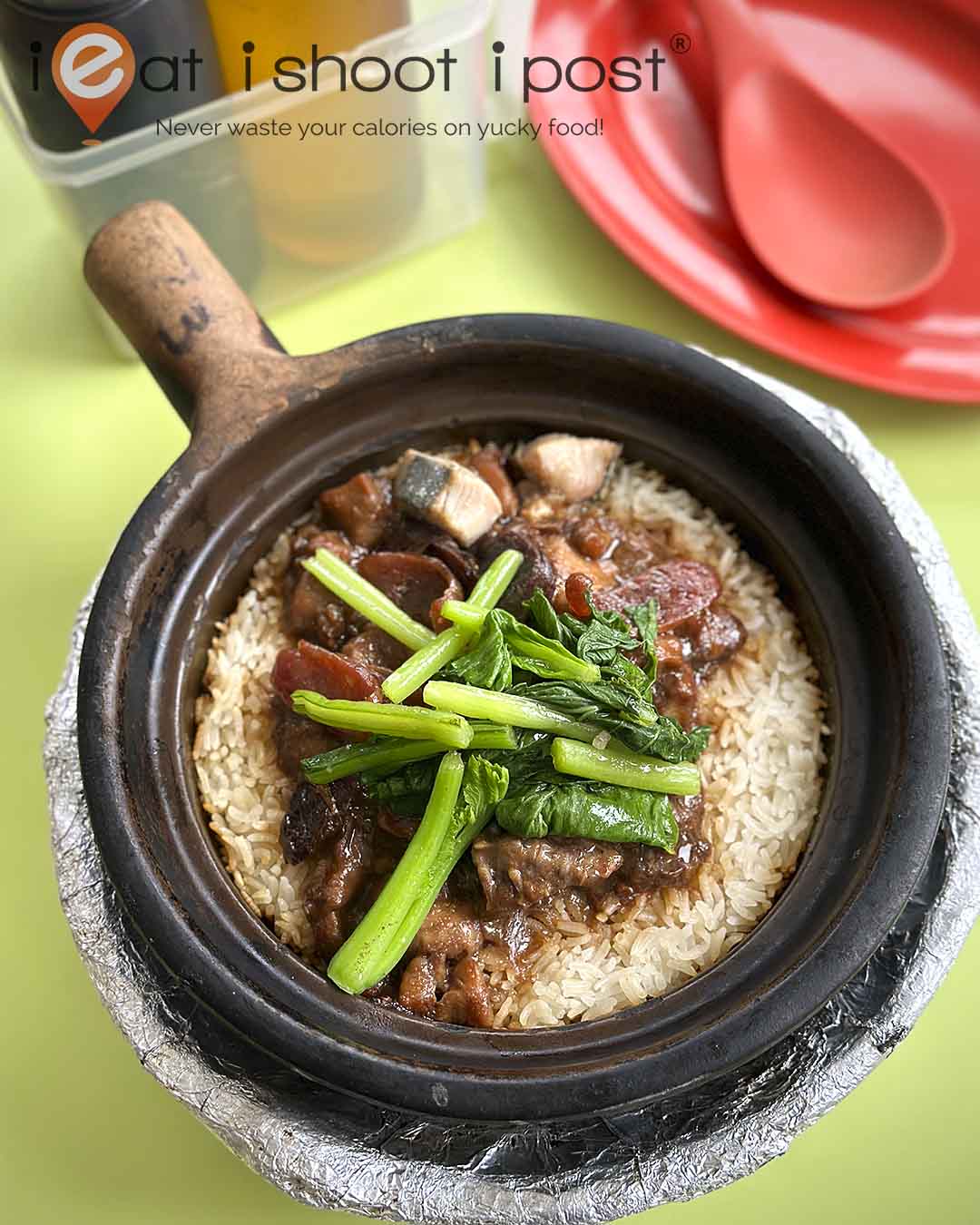
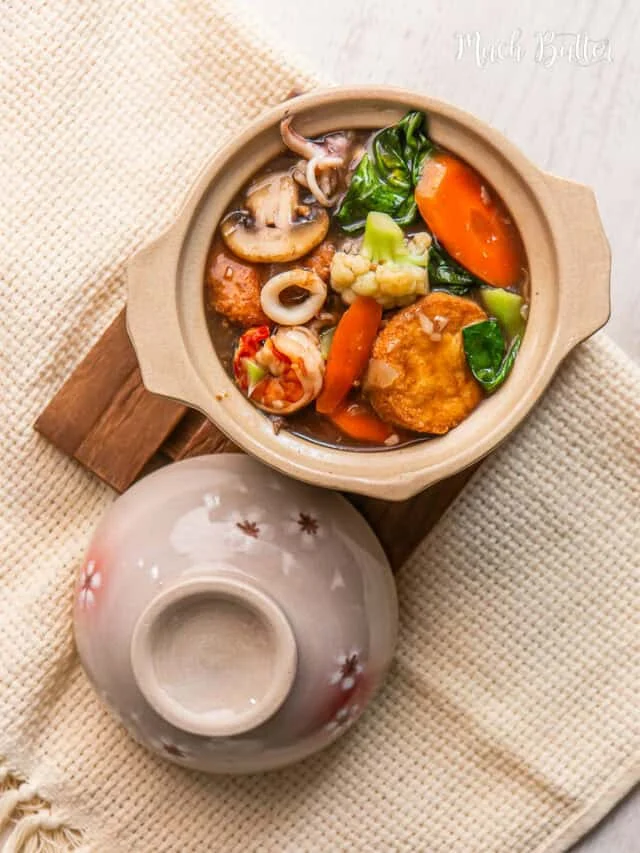

Seafood Claypot Rice is more than just a meal; it’s an experience. The moment the lid is lifted, a symphony of aromas — fragrant rice, savory seafood, pungent ginger, and rich sauce — fills the air, promising a feast for the senses. It’s a dish that requires patience and attention to detail, but the reward is a deeply satisfying, one-pot wonder that delights both the palate and the soul.
Originating from Cantonese cuisine, Claypot Rice, or ‘bo zai fan’, has been a staple in southern China for centuries. Traditionally cooked over charcoal, the claypot imparts a unique earthy flavor and creates the distinctive crispy rice layer known as ‘fan guo ba’. While modern cooking often utilizes gas stoves, the essence of this timeless dish remains – a harmonious blend of textures and tastes, all infused within the humble claypot.
What makes Seafood Claypot Rice particularly captivating is its versatility and the fresh, vibrant flavors of the ocean. Unlike its meat-centric counterparts, the delicate nature of seafood demands precise timing and careful handling, elevating the cooking process into a refined culinary endeavor. This guide aims to demystify that process, enabling you to recreate an authentic and delicious Seafood Claypot Rice in your own kitchen.
Chapter 1: The Foundation – Selecting Your Rice
The choice of rice is paramount to the success of your Claypot Rice. For an authentic texture and flavor, long-grain Jasmine rice is highly recommended. Its delicate fragrance and firm texture when cooked make it ideal for absorbing the rich flavors of the seafood and sauce without becoming overly mushy. Avoid using glutinous rice or short-grain varieties, as they tend to yield a stickier, less desirable consistency for this particular dish.
Preparing the rice properly is a crucial preliminary step. Begin by thoroughly washing the rice under cold running water until the water runs clear. This removes excess starch, preventing the rice from becoming too sticky. After washing, soak the rice for at least 30 minutes, or up to an hour, before cooking. Soaking helps the rice cook more evenly and reduces cooking time, ensuring each grain is perfectly tender.
Chapter 2: The Stars of the Show – Premium Seafood Choices
Shrimp and Prawns: These are almost always a welcome addition. Opt for medium to large-sized shrimp or prawns. Peel and devein them, leaving the tails on for presentation if desired. Marinate them briefly (15-20 minutes) in a small amount of Shaoxing wine, a pinch of white pepper, and a dash of sesame oil. This enhances their flavor and keeps them tender.
Scallops and Squid: Sea scallops offer a sweet, tender bite, while squid (calamari) provides a slightly firmer, chewy texture. For scallops, pat them dry before adding to the pot. For squid, clean thoroughly, remove the quill and innards, then score the flesh lightly and cut into bite-sized pieces or rings. Marinate similarly to shrimp, but be mindful not to overcook them as they can become rubbery quickly.
Firm White Fish: Cod, snapper, or halibut are excellent choices for adding substance. Cut the fish into 1-inch thick fillets or chunks. Marinate with a touch of soy sauce, ginger juice (from grated ginger), and white pepper. The fish will steam beautifully, flaking apart with ease and absorbing the surrounding flavors.
Mussels and Clams (Optional): For an extra burst of oceanic flavor, consider adding a handful of well-scrubbed mussels or clams. Ensure they are alive by checking for closed shells or shells that close when tapped. Discard any that remain open. These will open during the steaming process, releasing their briny liquor into the rice.
The Golden Rule: Freshness Above All. Regardless of your selection, the fresher the seafood, the better your Claypot Rice will taste. Fresh seafood has a clean aroma, firm texture, and vibrant color. Avoid anything with a strong ‘fishy’ smell or discolored flesh.
Chapter 3: The Aromatic Ensemble – Herbs, Spices, and Dried Delights
Aromatics are the backbone of flavor in Claypot Rice, creating depth and complexity that complements the seafood. They infuse the rice with their distinct characteristics, making every grain a carrier of taste.
Ginger and Garlic: These are non-negotiable. Fresh ginger, sliced or julienned, provides a pungent warmth and helps neutralize any ‘fishy’ notes from the seafood. Minced or thinly sliced garlic adds a foundational savory aroma. They are typically sautéed briefly to release their fragrance before the rice is added.
Dried Shiitake Mushrooms: A secret weapon for umami. Soak dried shiitake mushrooms in warm water for at least 30 minutes, or until fully rehydrated and tender. Reserve the soaking liquid – it’s packed with flavor and can be used as part of your cooking liquid. Slice the rehydrated mushrooms thinly. Their earthy, savory notes pair wonderfully with seafood.
Spring Onions and Cilantro: Primarily used as a garnish, freshly chopped spring onions (scallions) and cilantro add a burst of color and a fresh, pungent finish just before serving. Some recipes also call for adding a portion of spring onions during the cooking process for a deeper infusion of flavor.
Chapter 4: The Flavor Architects – Crafting the Perfect Sauce
The sauce is what binds all the elements together, coating each grain of rice and every piece of seafood with a rich, savory glaze. A balanced sauce is key to a truly memorable Claypot Rice.
- Light Soy Sauce: Provides the primary salty and umami base.
- Dark Soy Sauce: Adds a beautiful, rich caramel color and a hint of sweetness, contributing to the dish’s appetizing appearance.
- Oyster Sauce: Delivers a profound depth of savory, slightly sweet, and umami flavor. It’s a cornerstone of Cantonese cooking.
- Sesame Oil: Aromatic sesame oil, added at the end, provides a signature nutty fragrance that is instantly recognizable and deeply satisfying.
Shaoxing Wine and White Pepper: Shaoxing wine, a Chinese rice wine, adds a complex, slightly sweet, and aromatic note that enhances the seafood and ties the flavors together. A pinch of white pepper contributes a subtle warmth and spice without overpowering the delicate seafood. Some recipes also include a touch of sugar to balance the saltiness and a dash of chicken stock for added richness.
Chapter 5: The Essential Tools – Your Claypot and Beyond
While the concept of Claypot Rice can be adapted to other heavy-bottomed pots, using an actual claypot is highly recommended for the most authentic results, especially for achieving that coveted crispy rice crust.
Choosing the Right Claypot: Claypots come in various sizes and materials. For Claypot Rice, opt for an unglazed or partially glazed earthenware pot with a tight-fitting lid. A 2-liter (approximately 8-inch diameter) pot is suitable for 2-3 servings of rice. Ensure the pot is sturdy and can withstand direct heat on a stove. Before first use, a claypot often needs to be seasoned by simmering rice water or starch in it to seal its pores.
Auxiliary Equipment: Beyond the claypot, you’ll need standard kitchen tools: a sharp knife and cutting board for preparing ingredients, measuring cups and spoons for accuracy, a mixing bowl for marinating seafood, and a wok or large pan if you plan to quickly sear any ingredients before adding them to the claypot (though often not necessary for seafood versions).
Chapter 6: The Culinary Journey – Step-by-Step Preparation
Creating Seafood Claypot Rice is a process of layering flavors and textures. Follow these steps meticulously for the best outcome.
Phase 1: Mise en Place – The Art of Organization
Before you even turn on the stove, ensure all your ingredients are prepped and ready. This includes: washed and soaked rice, marinated seafood, sliced aromatics (ginger, garlic, mushrooms), chopped vegetables (if using), and your sauce mixture whisked together. This organization is key to a smooth cooking process, especially when timing is crucial.
Phase 2: Cooking the Rice – Building the Base
Heat your claypot over medium heat. Add a tablespoon of cooking oil and sauté the sliced ginger and garlic until fragrant, about 1-2 minutes. Add the drained, soaked rice to the pot and stir gently for another minute to coat the grains with oil and aromatics. This step further enhances the rice’s flavor.
The Critical Rice-to-Liquid Ratio: For every cup of rice, you’ll typically need 1.25 to 1.5 cups of liquid (water or mushroom soaking liquid/chicken stock). Pour the liquid over the rice, ensuring it’s evenly distributed. Bring the mixture to a rolling boil over high heat, then immediately reduce the heat to low, cover the pot tightly, and simmer for 10-12 minutes. Resist the urge to lift the lid during this stage.
Achieving the Coveted "Fan Guo Ba": The Crispy Bottom. This is where the magic happens. After the initial simmering, turn the heat up to medium-high for 2-3 minutes. You’ll hear sizzling sounds – this indicates the rice at the bottom is crisping up. Listen carefully; a slight burning smell means it’s overdone, but a gentle toasting aroma is perfect. Immediately reduce heat to low again.
Phase 3: Introducing the Seafood and Aromatics
Once the rice has simmered and achieved its crispy bottom, it’s time to add the seafood. Arrange the marinated seafood, sliced shiitake mushrooms, and any other vegetables (like bok choy or carrots) evenly over the surface of the partially cooked rice. Try to avoid stirring, as this can disturb the crispy layer.
Layering and Drizzling: Ensuring Even Flavor Distribution. Drizzle the prepared sauce mixture evenly over the seafood and rice. If using mussels or clams, nestle them among the other ingredients. Cover the claypot tightly once more.
Steaming to Perfection: The Final Cook. Continue to cook on low heat for another 8-10 minutes, or until the seafood is cooked through and the rice has absorbed all the liquid. The residual steam within the claypot will gently cook the seafood, keeping it tender and succulent. Ensure the seafood is just cooked; overcooked seafood becomes tough and rubbery.
Phase 4: The Grand Reveal – Resting and Serving
Once cooked, turn off the heat but leave the claypot covered for an additional 5-10 minutes. This resting period allows the flavors to meld further and the residual heat to finish cooking any remaining components, ensuring everything is perfectly tender and infused.
Garnish generously with freshly chopped spring onions and a drizzle of sesame oil just before serving. For those who enjoy a kick, a sprinkle of fresh chili slices or a dollop of chili oil can be added. Serve directly from the claypot, using a spoon to scrape up that delicious crispy rice from the bottom.
Chapter 7: Master’s Secrets – Tips for Unparalleled Success
Achieving perfection in Claypot Rice often comes down to mastering a few key techniques and understanding the nuances of the cooking process.
Heat Management: The Key to Crispy Rice. The transition from simmering to high heat for the crispy bottom is critical. Pay close attention to the sounds and smells. A good crispy crust will lift easily from the pot, while a burnt one will stick stubbornly. Practice makes perfect in finding your stove’s sweet spot.
Seafood Timing: Avoiding Overcooking. Seafood cooks quickly. The gentle steaming method within the claypot is ideal, but ensure you don’t cook it for too long after adding the seafood. Shrimp and scallops, for instance, are done when they turn opaque. Overcooking will result in a rubbery texture.
Balancing Flavors: A Symphony for the Palate. Taste your sauce mixture before adding it to the pot. Adjust saltiness, sweetness, and umami to your preference. Remember that the rice will absorb and mellow some of the flavors, so a slightly stronger sauce is often desirable.
Don’t forget to use fresh ingredients, pre-soak dried mushrooms and rice, and always have all ingredients prepped (mise en place) before you begin cooking. Patience is also a virtue; rushing the process can compromise the outcome.
Chapter 8: Beyond the Classic – Creative Variations
While the classic Seafood Claypot Rice is a delight, feel free to experiment and customize it to your taste or what’s available.
Customizing Your Seafood Selection: Don’t limit yourself to just shrimp and fish. Explore other options like crab meat, squid rings, or even small lobster tails for a truly luxurious version. Just remember to adjust cooking times based on the thickness and type of seafood.
Adding Vegetables for Color and Nutrition: Beyond shiitake, consider adding other quick-cooking vegetables. Thinly sliced carrots, snow peas, or blanched broccoli florets can be added along with the seafood. For leafy greens like bok choy or choy sum, blanch them separately and arrange them on top just before serving, or add them during the last few minutes of steaming.
Spice It Up: Incorporating Chili: For those who appreciate a fiery kick, finely chopped bird’s eye chilies can be added with the aromatics, or a dash of chili oil can be drizzled over the finished dish. Adjust the amount to your preferred spice level.
Chapter 9: Troubleshooting Common Challenges
Rice Too Sticky or Too Dry? If your rice is too sticky, you might have used too much liquid or didn’t wash the rice thoroughly. If it’s too dry or undercooked, add a small splash of hot water or stock, cover, and steam for a few more minutes on low heat. Ensure your lid is tight-fitting to prevent steam from escaping.
Overcooked Seafood: Prevention is Key. The best way to avoid rubbery seafood is to stick to the recommended cooking times and ensure your heat is truly on low during the final steaming phase. Remember that seafood continues to cook slightly with residual heat even after the stove is turned off.
No Crispy Bottom? Adjusting Your Technique. If you don’t achieve the crispy ‘fan guo ba’, it’s likely due to insufficient heat or duration during that specific step. Try increasing the heat slightly or extending the high-heat period by another minute next time, paying close attention to the sizzling sound. Ensure the rice isn’t too wet when you attempt to crisp it.
Lack of Flavor? This could be due to an under-seasoned sauce or using too much liquid. Taste your sauce before adding it. Marinating your seafood and sautéing aromatics are also crucial steps for building flavor from the ground up.
Conclusion: A Culinary Triumph Awaits
Crafting Seafood Claypot Rice is a rewarding culinary journey that culminates in a dish of profound satisfaction. From the careful selection of fresh ingredients to the meticulous layering of flavors and the delicate balance of heat, each step contributes to a harmonious whole. With this comprehensive guide, you are now equipped with the knowledge and techniques to master this iconic Cantonese classic.
Embrace the process, savor the aromas, and delight in the textures. The effort invested will be richly repaid with a steaming, fragrant, and utterly delicious Seafood Claypot Rice that will impress your family and friends. Happy cooking, and enjoy your homemade culinary triumph!