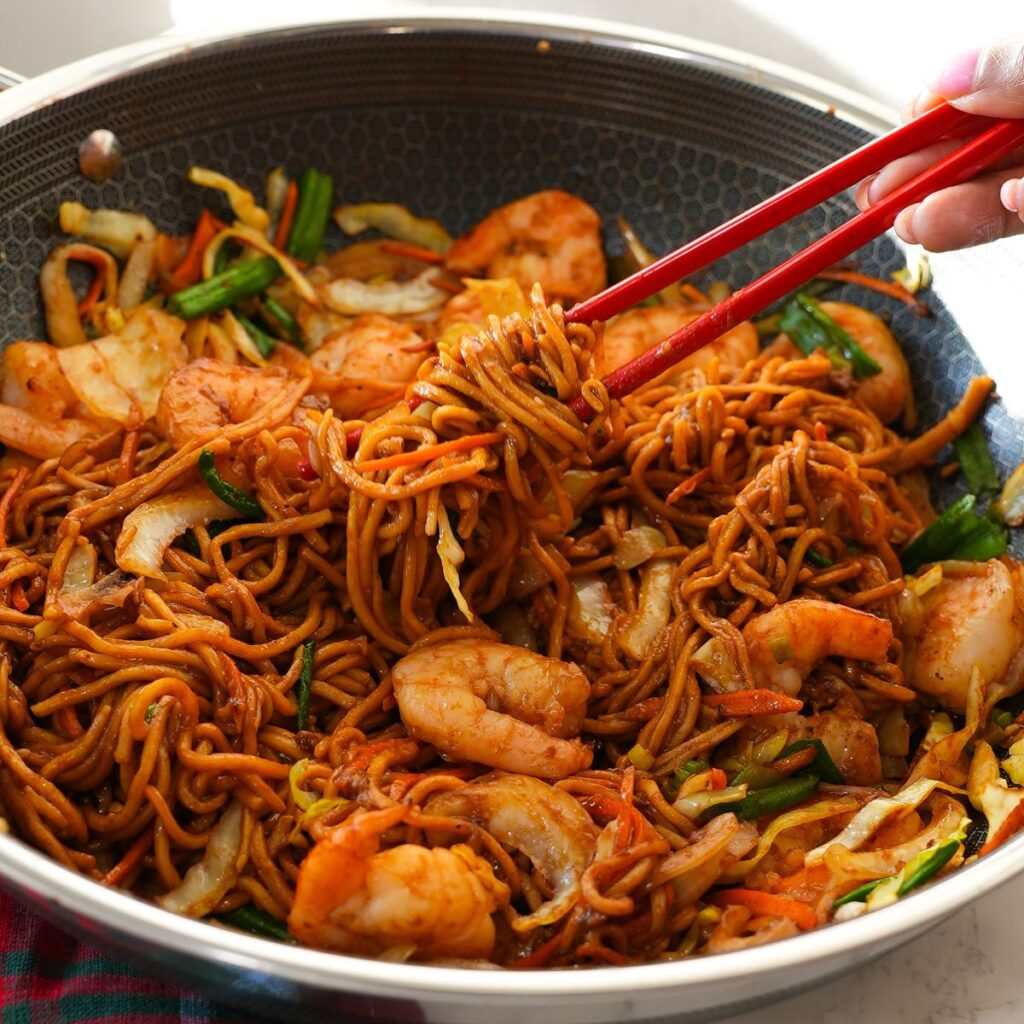


Seafood Lo Mein, or ‘Hải Xiā Lāo Miàn’ in Mandarin, is more than just a meal; it’s a symphony of textures and flavors. It combines tender, chewy egg noodles with a medley of fresh seafood—shrimp, scallops, calamari, and often imitation crab or fish cakes—all tossed in a rich, aromatic sauce alongside vibrant, crisp-tender vegetables. This dish offers a delightful balance of umami, sweetness, and a hint of tang, making it a perennial favorite for many.
This comprehensive guide aims to demystify the process of creating a truly authentic and delicious Seafood Lo Mein ala Chinese food. We’ll delve into the essential ingredients, the precise cooking techniques, and invaluable tips that professional chefs use to achieve that coveted ‘wok hei’ and perfect balance of flavors. Prepare to transform your kitchen into a haven of aromatic spices and sizzling woks as we embark on this culinary journey together.
Before we dive into the recipe, it’s crucial to understand the philosophy behind Lo Mein. Unlike chow mein, which often features crispier, stir-fried noodles, Lo Mein emphasizes the soft, chewy texture of the noodles themselves, which are typically boiled and then tossed with the other ingredients and sauce. The term ‘Lo Mein’ literally translates to ‘tossed noodles,’ perfectly encapsulating its preparation method.
The foundation of any great Lo Mein lies in its noodles. Authentic Lo Mein noodles are usually made from wheat flour and egg, giving them a distinct yellow hue and a springy bite. While fresh egg noodles are ideal, high-quality dried versions can also yield excellent results. Avoid using instant ramen noodles or spaghetti, as their texture and flavor profile will not deliver the authentic experience we are aiming for.
Next, let’s talk about the star of our dish: the seafood. A diverse selection not only enhances the flavor but also adds visual appeal. Common choices include succulent shrimp, tender bay scallops, delicate calamari rings, and sometimes slices of fish cake or imitation crab meat. The key is to select fresh, high-quality seafood and prepare it properly to avoid overcooking, which can lead to a rubbery texture.
Vegetables play a vital role in providing freshness, crunch, and nutritional value. A colorful assortment is recommended, such as crisp bok choy, shredded carrots, thinly sliced cabbage, vibrant bell peppers (red, yellow, or green), snow peas, and perhaps some shiitake mushrooms. These vegetables should be cut uniformly to ensure even cooking and a pleasing presentation.
The sauce is arguably the heart and soul of Lo Mein, bringing all the disparate ingredients together into a harmonious whole. A classic Lo Mein sauce typically features a blend of soy sauce (both light and dark for color and depth), oyster sauce (for umami and richness), sesame oil (for its signature nutty aroma), rice vinegar (for a touch of acidity), sugar (to balance the savory notes), white pepper, and a thickening agent like cornstarch mixed with chicken or seafood broth.
To begin our culinary creation, let’s gather our ingredients. For the Noodles: 1 pound fresh or dried Lo Mein egg noodles. For the Seafood: 8 oz large shrimp (peeled, deveined), 8 oz bay scallops, 8 oz calamari rings (cleaned), optional: 4 oz fish cake or imitation crab meat (sliced). For the Vegetables: 1 tbsp minced garlic, 1 tbsp grated fresh ginger, 1 medium yellow onion (thinly sliced), 2 cups shredded Napa cabbage or bok choy, 1 cup shredded carrots, 1 cup sliced bell peppers (any color), 1 cup snow peas, 1/2 cup sliced shiitake mushrooms.
For the Lo Mein Sauce: 1/4 cup light soy sauce, 1 tbsp dark soy sauce (for color), 2 tbsp oyster sauce, 1 tbsp rice vinegar, 1 tbsp sugar, 1/2 tsp white pepper, 1/4 cup chicken or seafood broth, 1 tbsp cornstarch. For Cooking: 3-4 tbsp vegetable oil or peanut oil. Ensure all ingredients are prepped and ready before you start cooking; this is known as ‘mise en place’ and is crucial for stir-frying success.
Step-by-Step Preparation:
- 1. Prepare the Noodles: Bring a large pot of salted water to a rolling boil. Add the Lo Mein noodles and cook according to package directions until al dente. They should be tender but still have a slight bite. Drain well and rinse briefly with cold water to prevent sticking, then toss with 1 teaspoon of oil to keep them separate. Set aside.
- 2. Prepare the Seafood: Pat the shrimp, scallops, and calamari dry with paper towels. You can marinate them lightly with a pinch of salt and white pepper for 10-15 minutes, though this is optional.
- 3. Mix the Sauce: In a small bowl, whisk together the light soy sauce, dark soy sauce, oyster sauce, rice vinegar, sugar, white pepper, chicken/seafood broth, and cornstarch until smooth. Set aside.
- 4. Stir-Fry Aromatics and Vegetables: Heat 2 tablespoons of oil in a large wok or a very large non-stick skillet over high heat until shimmering. Add the minced garlic and grated ginger and stir-fry for 15-30 seconds until fragrant. Add the sliced onion and stir-fry for 1 minute until slightly softened.
- 5. Add Harder Vegetables: Incorporate the shredded carrots, bell peppers, and shiitake mushrooms. Stir-fry for 2-3 minutes until they begin to soften but still retain their crispness.
- 6. Cook the Seafood: Push the vegetables to one side of the wok. Add another tablespoon of oil to the empty side. Add the shrimp, scallops, and calamari (and fish cake/imitation crab if using). Stir-fry quickly for 2-3 minutes until the shrimp turn pink and opaque, the scallops are cooked through, and the calamari is tender. Be careful not to overcook the seafood.
- 7. Combine and Add Softer Vegetables: Add the shredded cabbage or bok choy and snow peas to the wok. Stir-fry for another 1-2 minutes until they are just tender-crisp. Toss all the vegetables and seafood together.
- 8. Incorporate Noodles and Sauce: Add the cooked and drained Lo Mein noodles to the wok. Pour the prepared sauce mixture over the noodles and ingredients. Using tongs, gently toss everything together, ensuring the noodles and all components are evenly coated with the sauce. Continue to toss and stir-fry for another 2-3 minutes, allowing the sauce to thicken slightly and coat everything beautifully.
- 9. Final Touches: Taste and adjust seasoning if necessary. If desired, drizzle with a tiny bit more sesame oil just before serving for an extra aromatic kick. Serve immediately and enjoy your homemade Seafood Lo Mein!
Pro Tips for Lo Mein Perfection:
- Wok Hei: The elusive ‘wok hei’ (breath of the wok) refers to a complex smoky aroma and intense flavor imparted to food cooked in a wok over high heat. To achieve this at home, ensure your wok is screaming hot before adding ingredients, don’t overcrowd it, and cook in batches if necessary.
- Mise en Place is Key: Have all your ingredients chopped, measured, and ready to go before you even turn on the stove. Stir-frying is a rapid process, and you won’t have time to chop while cooking.
- Noodle Texture: Don’t overcook your noodles initially. They will continue to cook slightly when tossed in the wok with the sauce. Al dente is perfect.
- Sauce Balance: Taste your sauce before adding it to the wok. Adjust sugar, soy sauce, or vinegar to your preference. A good Lo Mein sauce should be savory, slightly sweet, and well-rounded.
- Don’t Overcrowd the Wok: This is a common mistake. If you add too many ingredients at once, the temperature of the wok will drop, and the ingredients will steam instead of stir-fry, resulting in a soggy dish. Cook in batches if your wok or pan is not large enough.
- High Heat, Quick Cooking: Lo Mein is meant to be cooked quickly over high heat. This ensures vegetables remain crisp-tender and seafood stays succulent.
- Freshness Matters: The quality of your seafood and vegetables will significantly impact the final taste. Opt for the freshest ingredients available.
Customization and Variations:
Lo Mein is incredibly versatile, allowing for endless customization. While our recipe focuses on a classic seafood blend, feel free to experiment:
- Seafood Mix: Add mussels, clams, or even small pieces of firm white fish like cod or snapper.
- Vegetable Swap: Broccoli florets, snap peas, bamboo shoots, water chestnuts, or baby corn can be excellent additions.
- Spice It Up: For those who enjoy a kick, add a pinch of dried chili flakes, a dash of chili oil, or a few slices of fresh bird’s eye chilies to the wok along with the garlic and ginger.
- Gluten-Free: Use gluten-free tamari instead of soy sauce and ensure your oyster sauce is also gluten-free. Rice noodles can be a substitute for egg noodles, though the texture will be different.
- Healthier Twist: Reduce the amount of oil, increase vegetables, and opt for whole wheat Lo Mein noodles if available.
The Cultural Significance of Noodles in China:
Noodles hold a profound place in Chinese culture, symbolizing longevity and good fortune. They are a staple in celebratory meals, especially during birthdays and the Lunar New Year. The act of sharing a bowl of noodles is often seen as an expression of love and community. Lo Mein, with its long, unbroken strands, embodies this tradition beautifully.
The origins of noodles themselves trace back thousands of years in China, with archaeological discoveries dating back over 4,000 years. From simple wheat noodles to elaborate preparations, they have evolved into countless regional variations, each telling a story of local ingredients and culinary ingenuity. Lo Mein is just one shining example of this rich noodle heritage.
When serving your homemade Seafood Lo Mein, it’s a complete meal in itself, brimming with protein, carbohydrates, and vegetables. However, it pairs wonderfully with lighter side dishes. Consider serving it alongside a simple cucumber salad dressed with sesame oil and rice vinegar, or a bowl of hot and sour soup to complement the flavors.
Another excellent accompaniment could be some steamed or stir-fried greens, such as gai lan (Chinese broccoli) with oyster sauce, or a light clear broth soup. The goal is to provide a refreshing contrast that cleanses the palate without overpowering the main dish.
Nutritional Insights:
Seafood Lo Mein, when prepared at home, can be a relatively balanced meal. Seafood provides lean protein, omega-3 fatty acids, and essential minerals. The array of vegetables contributes vitamins, fiber, and antioxidants. While the sauce contains some sodium, making it at home allows you to control the amount of soy sauce and salt, making it a healthier option than many restaurant versions.
Common Mistakes to Avoid:
- Overcooking Seafood: Seafood cooks very quickly. Shrimp turn rubbery, and scallops toughen if left on the heat for too long. Cook just until opaque.
- Soggy Vegetables: Overcooking vegetables will make them lose their crunch and vibrant color. Aim for crisp-tender.
- Under-seasoning: Taste as you go, especially the sauce. Noodles can absorb a lot of flavor, so ensure the sauce is potent enough to coat them effectively.
- Sticky Noodles: Rinsing noodles after boiling helps remove excess starch and prevents them from sticking together. Tossing with a little oil also helps.
- Lack of ‘Wok Hei’: Not getting your wok hot enough or overcrowding it will lead to stewed rather than stir-fried ingredients.
Storing and Reheating Leftovers:
If you have any leftovers, store them in an airtight container in the refrigerator for up to 2-3 days. To reheat, gently warm in a microwave or, for best results, stir-fry in a wok or skillet over medium-high heat with a tiny bit of oil until heated through. Be careful not to overcook the seafood when reheating.
Making Seafood Lo Mein at home offers numerous benefits beyond just a delicious meal. It provides complete control over ingredient quality, freshness, and portion sizes. You can adjust the seasoning to your exact preference, ensure dietary needs are met, and avoid common additives found in some takeout dishes. Plus, the satisfaction of creating an authentic Chinese dish from scratch is truly unparalleled.
The aroma of garlic and ginger sizzling in a hot wok, the vibrant colors of fresh vegetables, and the tender texture of perfectly cooked seafood all contribute to an unforgettable dining experience. It’s a dish that brings comfort and joy, perfect for a family dinner or entertaining guests.
In conclusion, mastering Seafood Lo Mein at home is an achievable and incredibly rewarding culinary endeavor. By understanding the core components, meticulously preparing your ingredients, and applying the right techniques, you can recreate the magic of authentic Chinese cuisine in your own kitchen. This recipe is more than just instructions; it’s an invitation to explore flavors, embrace traditions, and create delicious memories.
So, gather your ingredients, fire up your wok, and prepare to impress yourself and your loved ones with a bowl of homemade Seafood Lo Mein that rivals any restaurant offering. Happy cooking!