
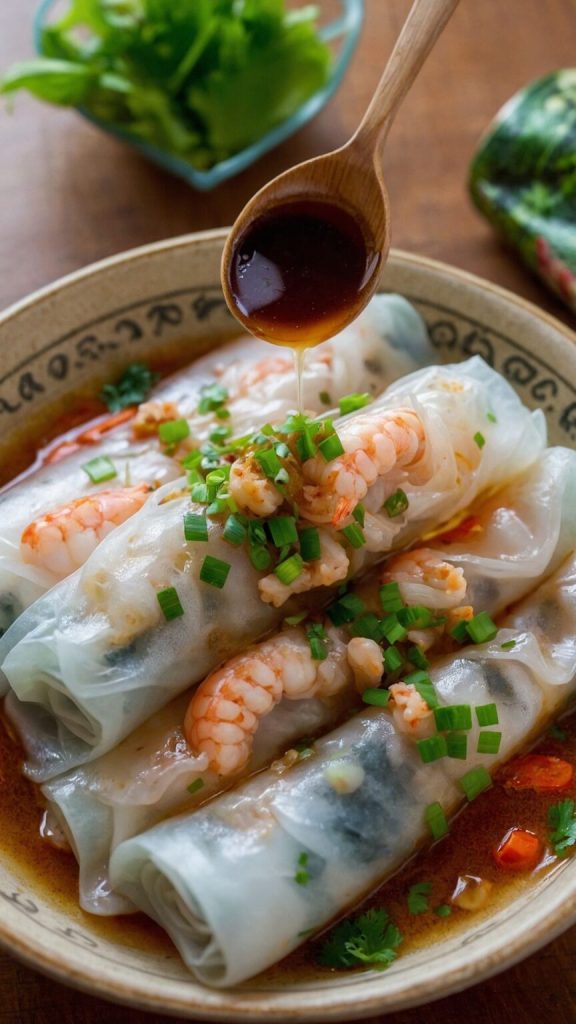

What is Cheung Fun?
Cheung Fun, or steamed rice roll, is a Cantonese dish made from a thin sheet of rice noodle that is steamed and then rolled. The rolls can be filled with a variety of ingredients, from shrimp and char siu (barbecue pork) to vegetables and beef. The dish is typically served with a sweet soy sauce.
Why Make Cheung Fun at Home?
- Freshness: You control the ingredients, ensuring the freshest and highest-quality components.
- Customization: You can tailor the filling to your preferences and dietary needs.
- Cost-Effective: Making a large batch at home is often more economical than ordering from a restaurant.
- Satisfaction: There’s immense satisfaction in creating this delicate and delicious dish from scratch.
Essential Ingredients for Seafood Cheung Fun
- Rice Flour: This is the primary ingredient, providing the characteristic chewy texture. Use a fine rice flour for best results.
- Tapioca Starch: Tapioca starch adds elasticity and a slightly translucent appearance to the noodles.
- Wheat Starch: Wheat starch contributes to the smooth and delicate texture.
- Water: The right amount of water is crucial for achieving the correct batter consistency.
- Oil: A small amount of oil helps prevent sticking and adds a subtle richness.
- Shrimp: Use fresh or frozen shrimp, peeled and deveined. Small to medium-sized shrimp work well.
- Scallops: Scallops add a touch of sweetness and elegance to the filling.
- Squid: Squid provides a slightly chewy texture and a briny flavor.
- Ginger: Finely grated ginger adds warmth and aroma.
- Green Onion: Chopped green onion provides a fresh, vibrant flavor.
- Soy Sauce: A touch of soy sauce enhances the savory notes of the seafood.
- Sesame Oil: Sesame oil adds a nutty aroma and flavor.
- White Pepper: White pepper adds a subtle spice.
- Soy Sauce: Use a good-quality light soy sauce.
- Dark Soy Sauce: Dark soy sauce adds color and a hint of molasses-like sweetness.
- Sugar: Sugar balances the saltiness of the soy sauce.
- Water: Water dilutes the sauce to the desired consistency.
- Oyster Sauce: Oyster sauce adds depth and umami flavor (optional).
Equipment You’ll Need
- Steamer: A large steamer with a tight-fitting lid is essential. You can use a bamboo steamer or a metal steamer.
- Steaming Tray: A flat, heat-resistant tray is needed to steam the rice noodle sheets. Stainless steel or non-stick trays work well.
- Scraper or Spatula: A thin, flexible scraper or spatula is used to gently lift the steamed rice noodle sheets from the tray.
- Brush: A pastry brush is used to lightly oil the steaming tray.
- Mixing Bowls: For preparing the batter and filling.
- Whisk: For smoothly combining the batter ingredients.
Step-by-Step Guide to Making Seafood Cheung Fun
- In a large mixing bowl, combine the rice flour, tapioca starch, and wheat starch.
- Gradually add water, whisking continuously to avoid lumps.
- Add a tablespoon of oil and mix well.
- Strain the batter through a fine-mesh sieve to ensure a smooth consistency.
- Let the batter rest for at least 30 minutes. This allows the starches to hydrate properly.
- In a bowl, combine the shrimp, scallops, and squid.
- Add grated ginger, chopped green onion, soy sauce, sesame oil, and white pepper.
- Mix well and let the seafood marinate for at least 15 minutes.
- In a small saucepan, combine the soy sauce, dark soy sauce, sugar, and water.
- If using, add oyster sauce.
- Bring the mixture to a simmer over medium heat, stirring until the sugar is dissolved.
- Simmer for a few minutes until the sauce slightly thickens.
- Remove from heat and let cool.
- Bring water to a boil in your steamer.
- Lightly brush the steaming tray with oil.
- Pour a thin layer of rice noodle batter onto the prepared tray, enough to cover the surface thinly (about 1/8 inch thick).
- Sprinkle a portion of the seafood filling evenly over the batter.
- Carefully place the tray into the steamer and cover with the lid.
- Steam for 3-5 minutes, or until the rice noodle sheet is cooked through and translucent. The cooking time will vary depending on the thickness of the batter and the strength of your steamer.
- Once the rice noodle sheet is cooked, carefully remove the tray from the steamer.
- Use a scraper or spatula to gently loosen the edges of the rice noodle sheet from the tray.
- Starting from one end, carefully roll the rice noodle sheet into a tight roll. You can use the scraper or spatula to help with the rolling process.
- Transfer the rolled Cheung Fun to a serving plate.
- Drizzle the sweet soy sauce generously over the Cheung Fun.
- Garnish with chopped green onions and sesame seeds, if desired.
- Serve immediately and enjoy!
Tips for Perfect Cheung Fun
- Batter Consistency: The batter should be thin and smooth, similar to the consistency of heavy cream. If the batter is too thick, the rice noodle sheets will be too dense and chewy. If the batter is too thin, the rice noodle sheets will be too fragile and difficult to roll.
- Steaming Time: The steaming time will vary depending on the thickness of the batter and the strength of your steamer. Keep an eye on the rice noodle sheets and steam until they are cooked through and translucent. Over-steaming can make the rice noodle sheets rubbery.
- Rolling Technique: Be gentle when rolling the Cheung Fun to avoid tearing the rice noodle sheets. Use a thin, flexible scraper or spatula to help loosen the edges and roll the sheets tightly.
- Tray Preparation: Make sure the steaming tray is lightly oiled to prevent the rice noodle sheets from sticking.
- Experiment with Fillings: While this recipe focuses on seafood, feel free to experiment with other fillings, such as char siu (barbecue pork), beef, vegetables, or a combination of ingredients.
Variations and Adaptations
- Vegetarian Cheung Fun: Replace the seafood with a mixture of mushrooms, tofu, and vegetables.
- Char Siu Cheung Fun: Fill the rice noodle rolls with diced char siu (barbecue pork).
- Beef Cheung Fun: Use thinly sliced marinated beef as the filling.
- Spicy Cheung Fun: Add a pinch of chili flakes or a drizzle of chili oil to the sweet soy sauce for a spicy kick.
- Different Sauces: Experiment with different sauces, such as hoisin sauce, peanut sauce, or a simple soy sauce with sesame oil and ginger.
Troubleshooting Common Issues
- Rice Noodle Sheets are Tearing: This could be due to the batter being too thin, over-steaming, or using a rough scraper. Adjust the batter consistency, reduce the steaming time, and use a thin, flexible scraper.
- Rice Noodle Sheets are Sticking to the Tray: Ensure the tray is lightly oiled before pouring in the batter.
- Rice Noodle Sheets are Too Chewy: This could be due to using too much rice flour or over-steaming. Adjust the flour ratio and reduce the steaming time.
- Batter is Lumpy: Ensure you whisk the batter thoroughly and strain it through a fine-mesh sieve to remove any lumps.
Serving Suggestions and Accompaniments
- Chinese Tea: Serve with a pot of hot Chinese tea, such as jasmine tea or oolong tea.
- Pickled Vegetables: Offer a side of pickled vegetables, such as pickled ginger or cucumbers, to provide a refreshing contrast to the richness of the Cheung Fun.
- Chili Oil: Provide chili oil for those who prefer a spicy kick.
- Other Dim Sum Dishes: Serve Cheung Fun as part of a larger dim sum spread, alongside dishes like siu mai, har gow, and char siu bao.
Health Benefits of Cheung Fun
- Rice Flour: Rice flour is a good source of carbohydrates, providing energy.
- Seafood: Seafood is a rich source of protein, omega-3 fatty acids, and essential minerals.
- Low in Fat: Cheung Fun is typically steamed, which means it’s relatively low in fat compared to other fried or baked dishes.
However, it’s important to note that the sweet soy sauce can be high in sodium and sugar. Consume in moderation and consider using a low-sodium soy sauce.
Storing Leftover Cheung Fun
- Refrigeration: Store leftover Cheung Fun in an airtight container in the refrigerator for up to 2 days.
- Reheating: Reheat Cheung Fun by steaming it for a few minutes until warmed through. You can also microwave it, but the texture may be slightly altered.
The sweet soy sauce can be stored separately in an airtight container in the refrigerator for up to a week.
Conclusion: Embark on Your Cheung Fun Journey
Making Seafood Cheung Fun at home might seem daunting at first, but with this comprehensive guide, you’ll be well-equipped to create this classic Cantonese dish. From preparing the perfect batter to crafting a flavorful filling and mastering the rolling technique, each step is designed to help you achieve Cheung Fun perfection. So gather your ingredients, prepare your steamer, and embark on your Cheung Fun journey today! You’ll be rewarded with a delightful and authentic homemade treat that will impress your friends and family.