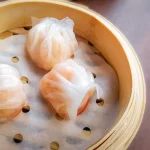

Imagine biting into a tender dumpling, its thin skin yielding to reveal a burst of savory broth, followed by a succulent filling of fresh seafood. This is the magic of Seafood Xiaolongbao. It’s not just a dish; it’s an experience – a symphony of textures and flavors that captivates from the first glance to the last drop of soup.
This comprehensive guide will demystify the process of crafting Seafood Xiaolongbao from scratch. We’ll delve into every crucial step, from preparing the elusive soup jelly to mastering the delicate art of pleating, ensuring that even novice chefs can achieve professional-quality results right in their own kitchens. Prepare to embark on a culinary adventure that promises both challenge and immense satisfaction.
At its core, Xiaolongbao is a steamed bun, or ‘bao,’ that contains a savory filling and, most famously, a rich, gelatinized broth that melts into a liquid soup during the steaming process. The secret lies in incorporating a solid, seasoned broth jelly into the raw filling. As the dumpling steams, this jelly transforms into the signature hot, flavorful soup.
The allure of Xiaolongbao is multi-faceted. It’s the contrast between the tender, slightly chewy wrapper and the juicy, flavorful filling. It’s the anticipation of the hot soup, often sipped carefully from a spoon before consuming the dumpling itself. And for seafood lovers, the seafood variation elevates this experience, introducing a lighter, more aromatic profile that is truly irresistible.
Choosing seafood for your Xiaolongbao offers several advantages. Firstly, it provides a distinct flavor profile that is often lighter and more fragrant than traditional pork. Secondly, it caters to those who prefer seafood or are looking for an alternative to meat-based dumplings. The inherent sweetness and delicate texture of fresh seafood complement the rich soup beautifully.
To truly understand and master Xiaolongbao, it’s essential to grasp its three fundamental components: the wrapper, the filling, and the soup. Each plays a critical role in the overall success and authentic taste of the dumpling.
The Wrapper (Kulit Dumpling): This is perhaps the most challenging aspect. The wrapper must be incredibly thin, almost translucent, yet strong enough to hold the generous filling and the hot soup without tearing. It needs to be pliable for pleating and have a pleasant, slightly chewy texture after steaming. Achieving this balance requires precise flour-to-water ratios and proper kneading.
The Filling (Isian): For our seafood version, this will be a harmonious blend of finely chopped fresh seafood, often combined with a small amount of ground pork for texture and richness, along with aromatic seasonings like ginger, spring onion, and a touch of Shaoxing wine. The key is balance – flavorful but not overpowering, allowing the seafood to shine.
The Soup (Jus Kaldu): The star of the show! This is a rich, savory broth, typically made from chicken or pork bones, that has been simmered, strained, and then solidified with gelatin or agar-agar. This gelatinized broth is then diced and mixed into the raw filling. Upon steaming, it melts, creating the iconic burst of soup.
Let’s gather our ingredients. Freshness is paramount, especially when working with seafood. Do not compromise on quality, as it directly impacts the final flavor.
- 2 cups (500ml) rich chicken or pork broth (homemade is best, or a good quality store-bought one)
- 1 teaspoon unflavored gelatin powder (or 1.5 teaspoons agar-agar powder for a vegetarian option/firmer set)
- 1/4 cup finely chopped spring onion whites
- 2 slices fresh ginger
- Pinch of salt and white pepper
- 8 oz (225g) fresh shrimp, peeled, deveined, and finely minced
- 4 oz (115g) fresh crab meat, flaked (ensure no shell fragments)
- 2 oz (55g) scallops, finely minced (optional, for added sweetness)
- 4 oz (115g) ground pork (optional, but adds richness and helps bind)
- 1 tablespoon finely grated fresh ginger
- 2 tablespoons finely chopped spring onion (green parts)
- 1 tablespoon Shaoxing wine (Chinese cooking wine)
- 1 tablespoon light soy sauce
- 1 teaspoon sesame oil
- 1/2 teaspoon white pepper
- 1/4 teaspoon sugar
- 1/4 teaspoon salt (adjust to taste)
- 2 cups (240g) all-purpose flour, plus extra for dusting
- 1/2 cup (120ml) hot water (around 180°F/80°C)
- 1/4 cup (60ml) cold water
- Pinch of salt
Now, let’s embark on the journey of creating these culinary gems, step by careful step.
Phase 1: Preparing the Soup Jelly (The Heartbeat of XLB)
This step is critical for the signature soup inside. Begin by heating your chicken or pork broth in a small saucepan. Add the chopped spring onion whites, ginger slices, salt, and white pepper. Simmer gently for 5-10 minutes to infuse the flavors. Strain the broth to remove solids, ensuring a clear liquid.
In a small bowl, sprinkle the gelatin powder over 2 tablespoons of cold water and let it bloom for 5 minutes. If using agar-agar, mix it directly into the hot broth. Add the bloomed gelatin to the hot, strained broth and stir until completely dissolved. Pour the broth into a shallow dish (like a baking pan or a large plate with edges) and refrigerate for at least 3-4 hours, or preferably overnight, until it sets into a firm jelly. Once solid, carefully cut the jelly into small, 1/4-inch dice. Keep chilled.
Phase 2: Preparing the Filling
The filling brings all the flavors together. In a large mixing bowl, combine the finely minced shrimp, crab meat, scallops (if using), and ground pork (if using). Add the grated ginger, chopped spring onion, Shaoxing wine, light soy sauce, sesame oil, white pepper, sugar, and salt. Mix thoroughly with your hands or a spoon until all ingredients are well combined and the mixture becomes slightly pasty and cohesive. This mixing helps to develop the texture.
Gently fold in the diced, chilled soup jelly. Be careful not to break up the jelly too much. The goal is to distribute the jelly evenly throughout the filling. Once combined, cover the bowl and refrigerate the filling for at least 30 minutes. This allows the flavors to meld and the mixture to firm up, making it easier to handle during assembly.
Phase 3: Preparing the Dough
The wrapper is the delicate casing that holds all the goodness. In a large mixing bowl, combine the flour and a pinch of salt. Gradually pour in the hot water, stirring with chopsticks or a fork until shaggy clumps form. This hot water dough method helps create a softer, more pliable dough. Next, slowly add the cold water, continuing to mix until a rough dough forms.
Turn the dough out onto a lightly floured surface and knead for 8-10 minutes until it is smooth, elastic, and no longer sticky. The dough should spring back slowly when poked. Cover the dough with a damp cloth or plastic wrap and let it rest at room temperature for at least 30 minutes. This resting period allows the gluten to relax, making the dough easier to roll thinly.
Phase 4: Assembling the Xiaolongbao
This is where the magic happens, requiring patience and a delicate touch. Divide the rested dough into four equal portions. Keep the portions you’re not working with covered. Roll one portion into a long, thin log (about 1 inch in diameter). Cut the log into 15-20 small, equal-sized pieces (about 8-10 grams each).
Take one piece of dough and flatten it with your palm. Using a small rolling pin, roll it into a thin, round wrapper, about 3-4 inches in diameter. The trick is to make the edges very thin and slightly translucent, while keeping the center slightly thicker to support the filling. Repeat this process for all dough pieces, stacking them with a dusting of flour in between to prevent sticking.
Hold a wrapper in the palm of your non-dominant hand. Place about 1 tablespoon of the chilled seafood filling in the center of the wrapper. Do not overfill! With your dominant hand, begin pleating the edge of the wrapper. Start at one point, pinch a small section, and fold it over, creating a small pleat. Continue working your way around the circumference of the wrapper, overlapping each pleat slightly.
Aim for 18-20 pleats for a traditional look. As you pleat, gently gather the dough upwards, forming a small pouch. Once you’ve pleated all the way around, pinch and twist the top closed to seal the dumpling, creating a small ‘top knot.’ Ensure there are no gaps for the soup to escape. Place the assembled dumpling on a lightly floured surface or a small piece of parchment paper.
Phase 5: Steaming the Xiaolongbao
Bring a pot of water to a rolling boil. Place the steamer baskets over the boiling water, ensuring the water does not touch the bottom of the baskets. Cover the steamer tightly with its lid. Steam the Xiaolongbao for 8-10 minutes over high heat. The exact time may vary slightly depending on the size of your dumplings and the heat of your steamer. The wrappers should appear translucent and slightly puffed, and the filling should be cooked through.
Do not overcrowd the steamer, as this can lead to uneven cooking. Steam in batches if necessary. Once cooked, carefully remove the steamer baskets from the heat. Allow the dumplings to rest for a minute before gently transferring them to a serving plate.
- Freshness is Key: Always use the freshest seafood and ingredients possible. It makes a significant difference in flavor.
- Chill Everything: Keep the soup jelly and the filling well chilled. This makes them easier to handle and prevents the jelly from melting prematurely.
- Thin Wrappers, Thicker Center: Master the rolling technique. Thin edges are crucial for delicate pleats, while a slightly thicker center prevents tearing when holding the filling and soup.
- Don’t Overfill: While tempting, overfilling will make pleating difficult and increase the risk of the wrapper tearing during steaming.
- Seal Tightly: Ensure the top knot is securely pinched to prevent any soup leakage during steaming.
- Proper Steaming: Do not oversteam, as this can make the wrappers tough and potentially cause them to burst. Steam just until cooked through.
- Serve Immediately: Xiaolongbao are best enjoyed fresh off the steamer, while the soup is piping hot.
Serving Xiaolongbao is an art in itself. Traditionally, they are served with a dipping sauce made from Chinkiang black vinegar and slivers of fresh ginger. The tanginess of the vinegar and the pungent warmth of the ginger perfectly cut through the richness of the soup and filling.
To enjoy, carefully pick up a dumpling with your chopsticks and place it on a spoon. Gently bite a small hole in the wrapper to sip the hot soup, or let it pool on the spoon. Then, you can enjoy the rest of the dumpling with the dipping sauce. Be mindful of the hot soup!
- Dumplings Sticking to the Steamer: Ensure your steamer is properly lined with parchment paper, cabbage leaves, or a light brushing of oil. Do not overcrowd.
- Wrapper Tearing During Steaming: This often indicates the wrapper was rolled too thin, especially in the center, or the filling was too heavy/overfilled. Practice rolling and filling.
- No Soup Inside: The soup jelly either didn’t set firmly enough, melted too much before steaming, or leaked during steaming due to an improperly sealed wrapper. Ensure jelly is firm and wrappers are sealed.
- Filling Too Dry/Salty: Adjust seasoning amounts in the filling. If too dry, ensure you have enough soup jelly and consider adding a tiny bit more liquid to the raw filling next time.
While this guide focuses on a classic seafood combination, feel free to experiment. You could use a single type of seafood like pure shrimp or add a touch of fish paste for a different texture. A hint of finely diced bamboo shoots can add a pleasant crunch, or a pinch of white pepper can add a subtle kick.
Xiaolongbao holds a cherished place in Chinese culinary heritage, particularly within the Jiangnan region. It symbolizes meticulous craftsmanship and the joy of communal dining. Making them at home is not just cooking; it’s participating in a rich cultural tradition, creating something truly special with your own hands.
Crafting homemade Seafood Xiaolongbao is a rewarding endeavor that culminates in an exquisite dining experience. While it demands patience and precision, the sheer satisfaction of seeing your perfectly pleated, soup-filled dumplings emerge from the steamer is unparalleled. Armed with this comprehensive guide, you are now ready to bring the authentic flavors of this beloved dish into your home kitchen.
So, gather your ingredients, clear your schedule, and prepare for a culinary journey that promises to delight every sense. The delicate art of Seafood Xiaolongbao awaits your skilled hands. Happy cooking!