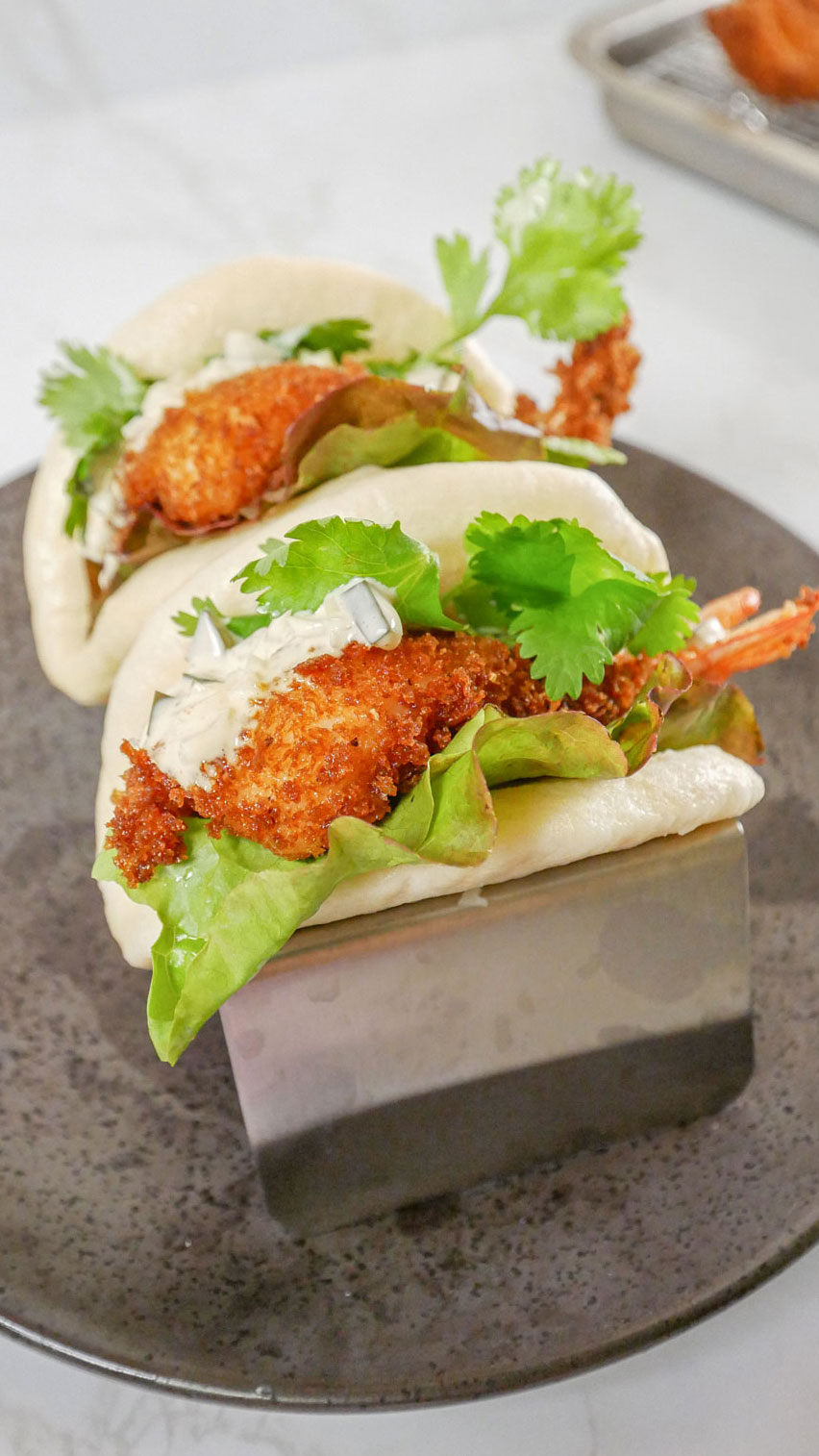
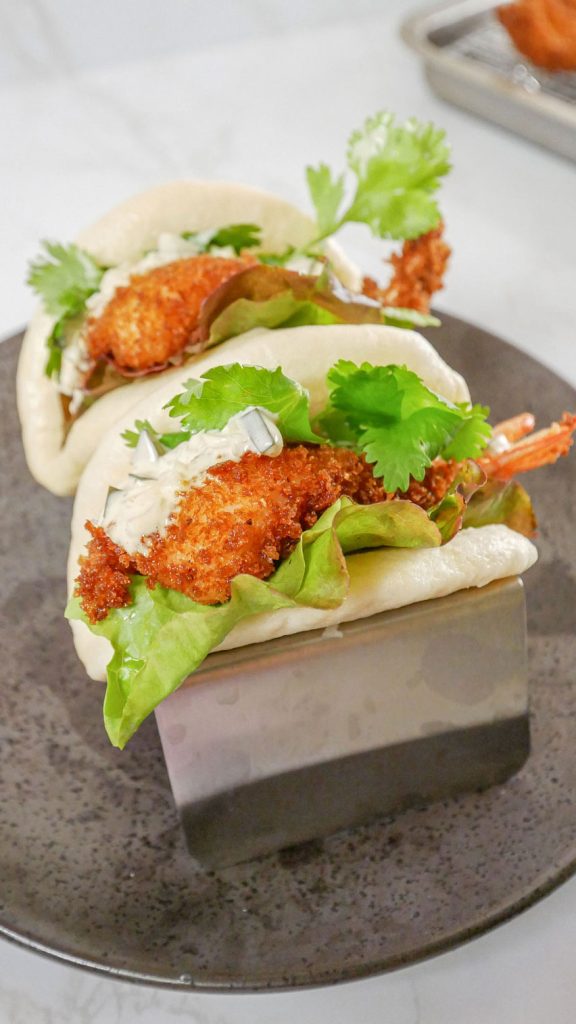

At the heart of any exceptional bao bun is its dough. The texture must be incredibly soft, pliable, and slightly chewy, with a smooth, pristine white surface. This isn’t achieved by chance; it’s the result of precise ingredient selection and meticulous technique. Understanding the role of each component is the first step towards unlocking the secret to truly tender bao.
Choosing the right flour is paramount. For the ultimate soft and fluffy bao, opt for a low-protein wheat flour, often labeled as cake flour or Hong Kong flour. Its lower gluten content prevents the dough from becoming tough, yielding a more delicate crumb. If these specialized flours are unavailable, a good quality all-purpose flour can be used, often with the addition of a small amount of cornstarch (about 1-2 tablespoons per cup of flour) to mimic the lower protein content.
Yeast is the living agent responsible for the dough’s rise and airy texture. Instant dry yeast is generally preferred for its convenience, as it can be mixed directly with the dry ingredients. Active dry yeast requires activation in warm liquid before being incorporated. Always ensure your yeast is fresh and active; expired or inactive yeast will result in dense, heavy buns.
Sugar plays a dual role: it not only contributes a subtle sweetness that balances the savory filling but also feeds the yeast, promoting robust fermentation. Furthermore, sugar tenderizes the dough, contributing to that coveted softness. Granulated white sugar is typically used, but a touch of caster sugar can also work beautifully.
Baking powder is a crucial leavening agent often added alongside yeast in bao dough recipes. While yeast provides the primary rise during proofing, baking powder offers an additional lift during the steaming process, contributing to the buns’ light and airy structure and helping them maintain their shape without collapsing.
For the liquid component, whole milk or a combination of milk and water is often recommended over plain water. The fats and sugars in milk contribute to a richer flavor and a more tender crumb, enhancing the overall softness and whiteness of the bao. Ensure the liquid is lukewarm (around 105-115°F or 40-46°C) to activate the yeast without killing it.
A small amount of fat, typically neutral-flavored vegetable oil or lard, is essential for achieving a supple, tender dough. Fat lubricates the gluten strands, preventing them from forming too strong a network, thus resulting in a softer, more extensible dough that is easier to work with and yields a more delicate final product.
The mixing and kneading process is where the dough truly comes to life. Begin by combining all dry ingredients, then gradually add the warm liquid and oil. Mix until a shaggy dough forms, then turn it out onto a lightly floured surface. Knead the dough for approximately 10-15 minutes by hand, or 7-10 minutes using a stand mixer with a dough hook, until it is smooth, elastic, and passes the ‘windowpane test’ – meaning a small piece of dough can be stretched thinly enough to see light through it without tearing.
After kneading, the dough requires its first proofing. Place the dough in a lightly oiled bowl, turning it once to coat, then cover it with plastic wrap or a damp cloth. Allow it to rise in a warm, draft-free place for 1 to 1.5 hours, or until it has doubled in size. This initial rise develops flavor and creates the airy structure.
Once doubled, gently punch down the dough to release the accumulated gases. This step is crucial for achieving a fine, even crumb. Divide the dough into equal portions, typically 30-50 grams each, depending on your desired bao size. Roll each portion into a smooth ball, ensuring the surface is taut and free of creases.
Shaping the bao dough requires a gentle touch. On a lightly floured surface, flatten each ball into a round disc, thicker in the center and thinner towards the edges. This creates a ‘skirt’ that allows for easier pleating and a more consistent bun structure. Avoid over-flouring, as this can dry out the dough.
The second proofing is arguably the most critical step for achieving ultimate softness. After filling and shaping your bao, arrange them on individual squares of parchment paper. Place them in your steamer basket, ensuring ample space between each bun to allow for expansion. Cover the steamer and let the bao proof for another 20-40 minutes, or until they look visibly puffy and light. Do not skip this step! Under-proofed buns will be dense, while slightly over-proofed buns are often still salvageable.
For a delightful shrimp filling, finely chop raw shrimp (or small bay shrimp) and combine with aromatics such as minced ginger, garlic, and finely chopped scallions. A touch of soy sauce, sesame oil, white pepper, and a hint of sugar can elevate the flavors. Some recipes also include a small amount of cornstarch or tapioca starch to bind the filling and absorb any excess moisture, preventing a watery filling.
Other excellent seafood choices include scallops, crab meat (fresh or high-quality canned), or even flaky white fish like cod or snapper. For fish, gently flake cooked fish or finely chop raw fish and mix with similar Asian-inspired seasonings. Ensure the seafood is not overcooked during preparation for the filling, as it will cook further during steaming.
The texture of the filling is important. It should be flavorful and cohesive, but not overly wet. Excess moisture can lead to a sticky, unappetizing filling or even cause the bao dough to become soggy. If your filling seems too wet, a small amount of breadcrumbs or a thicker starch slurry can help absorb moisture.
Assembling the bao requires a bit of practice but is highly rewarding. Hold a flattened dough disc in one hand, place a generous spoonful of filling in the center. Using your thumb and forefinger, begin to pleat the edge of the dough, gradually rotating the bun and bringing the pleats together at the top to seal. Alternatively, for a simpler approach, fold the dough in half to create a half-moon shape, crimping the edges to seal.
Once sealed, ensure the bao is placed on its individual parchment paper square. This prevents sticking to the steamer basket and makes handling easier. Arrange them in the steamer basket, leaving sufficient space for them to expand during steaming.
Steaming is the final, delicate act. Use a bamboo steamer for optimal results, as it absorbs excess moisture, preventing condensation from dripping onto the buns. If using a metal steamer, wrap the lid in a clean kitchen towel to catch drips.
Bring the water in your steamer pot to a rolling boil. Once boiling, carefully place the steamer baskets containing your proofed bao over the boiling water. The heat should be maintained at a steady medium-high. Steam the bao for 8-12 minutes, depending on their size. Smaller buns will cook faster.
A critical tip for perfectly smooth bao: do not open the steamer lid too soon! Resist the urge to peek. Opening the lid prematurely can cause a sudden drop in temperature, leading to the buns collapsing and developing a wrinkled, deflated appearance. Once the steaming time is complete, turn off the heat and let the bao rest in the closed steamer for another 2-3 minutes. This allows them to gradually adjust to the cooler air, preventing shrinkage.
Upon removing them from the steamer, your bao buns should be plump, smooth, and wonderfully soft. Serve them immediately while they are still warm and pillowy. They are a fantastic appetizer, snack, or even a light meal.
Enhance the experience with complementary dipping sauces. A classic pairing is a simple mixture of soy sauce, rice vinegar, a dash of sesame oil, and perhaps a pinch of chili flakes or finely chopped fresh chilies. Sweet chili sauce or a creamy sriracha mayo also make excellent accompaniments.
Garnish your bao with a sprinkle of toasted sesame seeds, fresh cilantro, or finely sliced scallions for an added touch of color and freshness. These small details elevate the presentation and add another layer of flavor and texture.
Even with the best intentions, troubleshooting is part of the culinary journey. If your bao buns turn out hard or dense, it’s likely due to under-proofing, too much flour, insufficient kneading, or using old/inactive yeast. Ensure your dough has doubled in size during the first proof and is visibly puffy after the second.
Wrinkled or collapsed buns are almost always a result of opening the steamer lid too early or a sudden temperature change. Remember the 2-3 minute resting period in the steamer after turning off the heat. Over-steaming can also sometimes lead to a slightly tough exterior.
If your dough is sticky and difficult to handle, it might be too hydrated. Try adding a very small amount of flour (a teaspoon at a time) during kneading until it reaches the right consistency. Conversely, dry, crumbly dough needs more liquid.
For those seeking the ultimate in softness and extended shelf life, consider incorporating the Tangzhong method. This technique involves cooking a small portion of flour and liquid (water or milk) into a paste before adding it to the main dough. The gelatinized starch in Tangzhong holds more moisture, resulting in incredibly soft, fluffy, and moist buns that stay fresh longer.
To create Tangzhong, whisk together 1 part flour with 5 parts liquid (by weight) in a small saucepan. Cook over medium-low heat, stirring constantly, until the mixture thickens to a paste-like consistency (around 65°C or 149°F). Let it cool completely before adding it to your main dough ingredients. This small step makes a significant difference.
Experiment with various seafood combinations. A delicate mix of crab and bay scallops can create a luxurious filling, while a spicy shrimp and squid filling offers a bolder flavor profile. Don’t be afraid to adjust the seasonings to your preference, perhaps adding a touch of lemongrass or kaffir lime for an aromatic twist.
For an extra aesthetic touch, you can add natural food colorings to your dough. A small amount of beet powder can create a subtle pink hue, while matcha powder can yield a vibrant green. This is particularly appealing for special occasions or when serving a variety of bao.
While this guide focuses on seafood, the dough techniques discussed are universally applicable. Once you’ve mastered the art of soft bao dough, you can explore endless filling possibilities, from savory meats to sweet dessert fillings, truly expanding your culinary repertoire.
Making soft seafood bao buns is a rewarding culinary journey that combines precision with patience. Each step, from the careful selection of flour to the art of steaming, contributes to the final masterpiece. By understanding the science behind the softness and practicing the techniques, you’ll soon be creating delectable, pillowy bao buns that will impress family and friends alike. Embrace the process, savor the flavors, and enjoy the satisfaction of crafting these delightful Asian steamed treats from scratch.