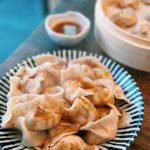


This guide focuses on preparing gyoza with a vibrant seafood filling, offering a lighter yet incredibly flavorful experience. By opting for the baking method, we not only achieve a wonderfully golden and slightly crispy exterior but also present a healthier alternative to deep-frying or pan-frying, without compromising on taste or texture. Imagine succulent pieces of shrimp and tender scallops, perfectly seasoned and encased in a delicate wrapper, baked to perfection.
The allure of seafood gyoza lies in its fresh, oceanic notes that beautifully complement the subtle sweetness of vegetables and the umami depth of Japanese seasonings. It’s a dish that feels both comforting and sophisticated, perfect for a special occasion or simply to elevate your weeknight dinner routine. This comprehensive article will walk you through every step, ensuring your homemade baked seafood gyoza are nothing short of spectacular.
Before diving into the specifics of our baked seafood gyoza, let’s briefly appreciate the heritage of this beloved dish. Gyoza originated from Chinese jiaozi, making their way to Japan where they evolved to suit local tastes. Japanese gyoza typically feature thinner wrappers and a more pronounced garlic and ginger flavor profile. While pan-frying (yaki-gyoza) is the most common preparation, boiling (sui-gyoza) and deep-frying (age-gyoza) also exist. Our baked version offers a modern twist, combining the best aspects of texture and health.
Choosing seafood for your gyoza filling opens up a world of delicate flavors. Shrimp is a popular choice for its sweet, firm flesh, while scallops add a luxurious touch and tender texture. You can also incorporate finely minced white fish, such as cod or snapper, or even some crab meat for added richness. The key is to select fresh, high-quality seafood that will shine through in the final product. The natural sweetness of the seafood pairs exquisitely with the crispness of cabbage and the aromatic punch of ginger and garlic.
This extensive guide will cover everything from selecting the finest ingredients and preparing the perfect seafood filling, to mastering the art of gyoza folding, and finally, achieving that ideal golden crispness through baking. We’ll also delve into crafting the essential dipping sauce, providing expert tips, and exploring variations to inspire your culinary creativity. Prepare to transform your kitchen into a Japanese izakaya with these irresistible baked seafood gyoza.
Understanding Gyoza Wrappers: The Foundation of Perfection
The gyoza wrapper is more than just a casing; it’s an integral part of the gyoza experience. Its thinness allows the filling to cook evenly and contributes to the delightful texture. While making wrappers from scratch is an option for the truly ambitious, high-quality store-bought wrappers are widely available and perfectly suitable, saving considerable time and effort. Look for ‘gyoza wrappers’ or ‘dumpling wrappers’ in the refrigerated section of Asian grocery stores or even well-stocked supermarkets.
When selecting store-bought wrappers, opt for those that are fresh, pliable, and not dried out or cracked. Round wrappers are traditional for gyoza, typically measuring about 3-4 inches (7-10 cm) in diameter. Thinner wrappers tend to yield a more delicate gyoza, which is ideal for baking as it allows for a crispier finish without becoming tough. If you find your wrappers are a bit dry, you can lightly mist them with water or keep them covered with a damp cloth while you work.
Crafting the Exquisite Seafood Filling: The Heart of the Gyoza
The filling is where the magic truly happens. A well-balanced gyoza filling combines fresh ingredients with harmonious seasonings to create a burst of flavor in every bite. For our seafood gyoza, freshness is paramount. We will be using a combination of shrimp and scallops for a delightful textural and flavor contrast, but feel free to adjust based on your preference and availability.
- Seafood: 1 lb (450g) raw shrimp, peeled, deveined, and finely minced; 0.5 lb (225g) bay scallops, finely minced. Ensure both are patted very dry to prevent a watery filling.
- Cabbage: 1 cup finely shredded Napa cabbage or green cabbage, lightly salted and squeezed to remove excess water. This step is crucial for preventing a soggy filling.
- Aromatics: 2-3 cloves garlic, minced; 1-inch piece fresh ginger, grated. These provide the characteristic aromatic punch of gyoza.
- Spring Onions: 3-4 stalks, finely chopped, for a mild oniony flavor and a hint of color.
- Seasonings: 2 tablespoons soy sauce; 1 tablespoon sesame oil; 1 tablespoon mirin (Japanese sweet cooking wine); 1 teaspoon sake (optional, for extra depth); 0.5 teaspoon white pepper.
- Binder: 1 tablespoon cornstarch or potato starch, to help bind the filling and absorb any remaining moisture.
Start by thoroughly patting your minced shrimp and scallops dry with paper towels. Excess moisture is the enemy of a good gyoza filling, as it can make the wrappers soggy or cause them to burst during cooking. For the cabbage, finely shred it, sprinkle with a pinch of salt, let it sit for 10-15 minutes, then firmly squeeze out as much water as possible. This process tenderizes the cabbage and concentrates its flavor.
In a large mixing bowl, combine the prepared shrimp, scallops, squeezed cabbage, minced garlic, grated ginger, and chopped spring onions. Add the soy sauce, sesame oil, mirin, sake (if using), white pepper, and cornstarch. Mix all ingredients thoroughly until well combined. It’s best to use your hands for this step to ensure everything is evenly distributed. Cover the bowl and refrigerate the filling for at least 30 minutes. Chilling the filling makes it firmer and easier to work with when filling the wrappers.
The Art of Folding Gyoza: From Simple to Intricate
Folding gyoza is an art form, but don’t be intimidated! Even a simple fold will result in delicious gyoza. The key is to ensure a good seal to keep the filling intact during baking. You’ll need a small bowl of water for moistening the wrapper edges.
- Place a wrapper flat on your palm or a clean surface.
- Place about 1-1.5 teaspoons of filling in the center of the wrapper. Don’t overfill!
- Dip your finger in water and moisten half of the wrapper’s edge.
- Fold the wrapper in half, bringing the dry edge to meet the wet edge, forming a half-moon shape. Pinch the center firmly to seal.
- Starting from one end of the sealed center, create 3-4 pleats on the front side of the wrapper, pressing each pleat firmly against the back (unpleated) side. Repeat on the other side.
- Ensure the entire seam is tightly sealed. The bottom should be flat so the gyoza can stand upright.
If pleating seems too challenging, a simple half-moon crimp with a fork along the edges will also work. The most important aspect is a secure seal. As you work, keep the unused wrappers covered with a damp cloth to prevent them from drying out, which makes them difficult to fold.
The Baking Process: Achieving Golden Perfection
Baking offers a unique texture to gyoza – a lovely crispness without the oiliness of frying. It’s also a more hands-off approach, allowing you to prepare other dishes while your gyoza bake.
Preheat your oven to 400°F (200°C). Line a large baking sheet with parchment paper to prevent sticking. Lightly brush or spray the parchment paper with a thin layer of neutral oil (like vegetable or canola oil). This contributes to the golden-brown bottom of the gyoza. Arrange the folded gyoza in a single layer on the prepared baking sheet, ensuring they don’t touch each other. This allows for even browning and crisping.
Bake the gyoza for 15-20 minutes, or until they are golden brown and cooked through. The exact time may vary depending on your oven and the thickness of your wrappers. For extra crispness, you can turn on the broiler for the last 1-2 minutes, watching carefully to prevent burning. The seafood filling should reach an internal temperature of 145°F (63°C). Once baked, remove them from the oven and let them cool slightly before serving.
The Perfect Dipping Sauce: Elevating the Flavor
No gyoza experience is complete without a complementary dipping sauce. A classic gyoza sauce balances savory, tangy, and sometimes spicy notes, cutting through the richness of the filling and adding another layer of flavor.
In a small bowl, whisk together the following ingredients:
- 2 tablespoons soy sauce
- 1 tablespoon rice vinegar
- 1 teaspoon sesame oil
- 1 teaspoon finely chopped fresh ginger
- 0.5 teaspoon chili garlic sauce or sriracha (optional, for heat)
- A pinch of sugar (optional, to balance acidity)
- Finely sliced green onions (for garnish)
Taste and adjust the seasonings to your preference. You might prefer more vinegar for tang or a bit more chili for heat. This sauce can be made ahead of time and stored in the refrigerator.
Step-by-Step Detailed Recipe Instructions
- Peel, devein, and finely mince 1 lb (450g) raw shrimp and 0.5 lb (225g) bay scallops. Pat them thoroughly dry with paper towels to remove excess moisture.
- Finely shred 1 cup Napa or green cabbage. Sprinkle with a pinch of salt and let sit for 10-15 minutes. Firmly squeeze out all excess water.
- In a large bowl, combine the minced seafood, squeezed cabbage, 2-3 cloves minced garlic, 1-inch grated fresh ginger, and 3-4 finely chopped spring onions.
- Add 2 tablespoons soy sauce, 1 tablespoon sesame oil, 1 tablespoon mirin, 1 teaspoon sake (optional), 0.5 teaspoon white pepper, and 1 tablespoon cornstarch.
- Mix thoroughly with your hands until all ingredients are well combined. Cover and refrigerate for at least 30 minutes to firm up.
- Set up your workstation with the chilled filling, gyoza wrappers, a small bowl of water, and a baking sheet lined with parchment paper. Keep unused wrappers covered with a damp cloth.
- Take one wrapper, place about 1-1.5 teaspoons of filling in the center.
- Moisten half of the wrapper’s edge with water. Fold the wrapper in half to form a crescent. Pinch the center to seal.
- Create 3-4 pleats on the front side, pressing each pleat firmly against the unpleated back side. Ensure a tight seal along the entire seam. Repeat until all filling is used.
- Arrange folded gyoza in a single layer on the prepared baking sheet.
- Preheat your oven to 400°F (200°C). Lightly brush or spray the parchment paper on the baking sheet with neutral oil.
- Place the gyoza on the oiled parchment paper, ensuring they are not touching.
- Bake for 15-20 minutes, or until golden brown and cooked through. For extra crispness, broil for 1-2 minutes, watching carefully.
- Remove from oven and let cool slightly.
- In a small bowl, whisk together 2 tablespoons soy sauce, 1 tablespoon rice vinegar, 1 teaspoon sesame oil, 1 teaspoon finely chopped fresh ginger, and 0.5 teaspoon chili garlic sauce (optional).
- Taste and adjust seasonings as desired. Garnish with finely sliced green onions.
Expert Tips for Gyoza Mastery
- Don’t Overfill: Too much filling will make folding difficult and can cause the gyoza to burst during baking. A teaspoon and a half is usually plenty.
- Dry Seafood is Key: Ensure your minced seafood is as dry as possible to prevent a watery filling that could make wrappers soggy.
- Chill the Filling: A cold, firm filling is much easier to handle and shape within the delicate wrappers.
- Keep Wrappers Moist: Always keep unused gyoza wrappers covered with a damp cloth to prevent them from drying out and cracking.
- Preheat Oven Properly: A fully preheated oven ensures consistent cooking and helps achieve that desirable golden crispness.
- Don’t Overcrowd: Give your gyoza space on the baking sheet. Overcrowding leads to steaming rather than baking, resulting in a less crispy texture.
- Experiment with Seasonings: While the provided recipe offers a classic flavor, feel free to adjust seasonings in the filling or sauce to suit your palate. A touch of white miso paste can add extra umami to the filling.
Variations and Customizations
- Vegetable Boost: Add finely grated carrots, mushrooms, or water chestnuts for extra texture and nutrients.
- Spice It Up: Incorporate finely chopped fresh chilies or a dash of gochujang into the filling for a spicy kick.
- Gluten-Free Option: Look for gluten-free gyoza wrappers (often made from rice flour) and ensure all sauces are gluten-free.
- Herbaceous Notes: Fresh cilantro or chives can add a lovely aromatic touch to the filling.
- Alternative Seafood: Try a combination of cod and shrimp, or even a pure crab meat filling for a gourmet touch.
Serving Suggestions
- An Elegant Appetizer: Perfect for entertaining, offering a sophisticated start to any meal.
- A Light Lunch or Dinner: Pair them with a simple green salad dressed with a ginger-sesame vinaigrette, or a bowl of steamed jasmine rice.
- Part of a Japanese Feast: Serve alongside other Japanese favorites like miso soup, edamame, and sushi rolls for a complete culinary experience.
- Party Food: Easy to eat and always a crowd-pleaser, they make excellent finger food for gatherings.
Health Benefits of Baked Seafood Gyoza
Opting for baked seafood gyoza offers several nutritional advantages. Seafood, particularly shrimp and scallops, is an excellent source of lean protein, essential vitamins (like B12 and D), and minerals (such as selenium and iodine). They are also rich in omega-3 fatty acids, known for their heart-healthy benefits. By baking instead of frying, you significantly reduce the fat content, making this a lighter and healthier dish without sacrificing flavor or satisfaction.
Storage and Reheating
If you’ve made a large batch, uncooked gyoza can be frozen. Arrange them in a single layer on a parchment-lined baking sheet and freeze until solid. Once frozen, transfer them to an airtight freezer bag or container. They can be stored for up to 2-3 months. Bake directly from frozen, adding a few extra minutes to the cooking time.
Leftover baked gyoza can be stored in an airtight container in the refrigerator for up to 2-3 days. They are best reheated in a toaster oven or conventional oven at 350°F (175°C) for 5-10 minutes until warmed through and re-crisped. Microwaving is generally not recommended as it can make them soggy.
Addressing Common Challenges
Even experienced cooks can encounter issues. If your gyoza stick to the parchment, ensure you’ve lightly oiled it. If they burst, you might have overfilled them or not sealed them properly. If they’re not crispy enough, try increasing the oven temperature slightly or extending the baking time, always keeping a watchful eye. Practice makes perfect, and each batch will bring you closer to gyoza mastery.
The journey of making homemade Japanese baked seafood gyoza is incredibly rewarding. From the careful preparation of the fresh, flavorful filling to the delicate art of folding and the satisfying golden finish of baking, every step is a testament to culinary passion. This dish is not just food; it’s an experience, a bridge to Japanese culinary traditions, and a delightful way to explore new flavors in your own kitchen.
Embrace the process, savor the aromas, and enjoy the delicious results. Whether you’re serving them as an appetizer for guests or enjoying a quiet meal at home, these baked seafood gyoza are sure to become a cherished recipe in your repertoire. So gather your ingredients, clear your counter, and get ready to create something truly special. Happy cooking!