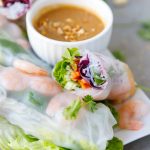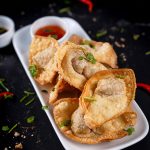
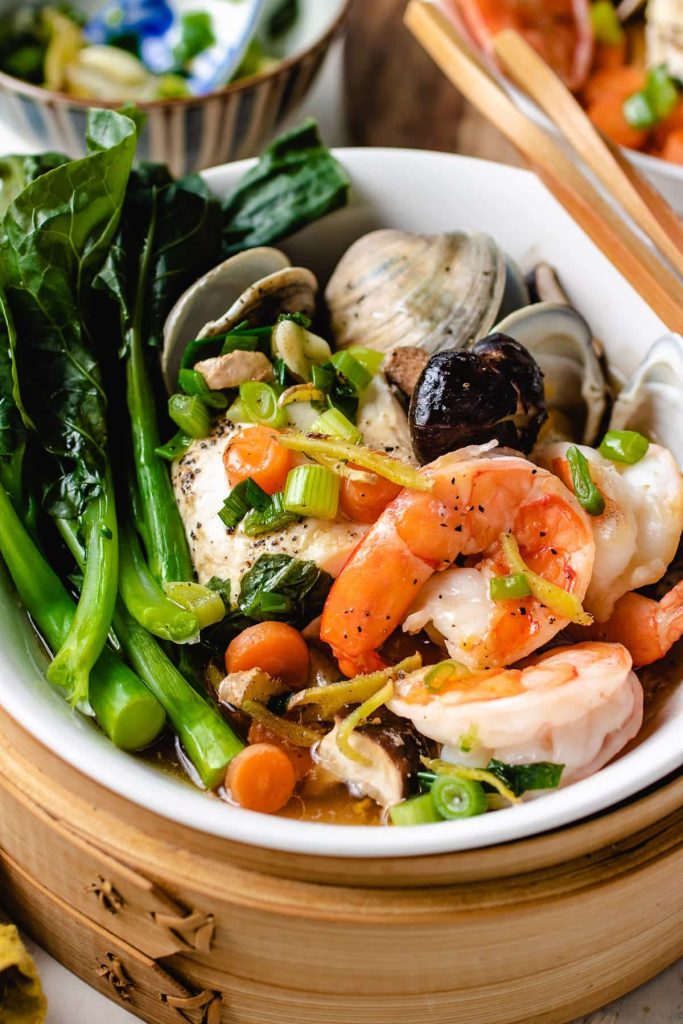

This guide aims to demystify the art of preparing seafood dim sum, transforming what might seem like an intricate culinary challenge into an enjoyable and rewarding endeavor for home cooks. We will delve into a diverse range of recipes, from the iconic translucent shrimp dumplings to innovative modern interpretations, ensuring you have all the knowledge and techniques to create an impressive spread.
The allure of seafood dim sum lies in its versatility and the inherent freshness of its ingredients. From the succulent sweetness of shrimp to the delicate richness of scallops and the subtle brininess of crab, each seafood element brings a unique character to the dim sum table. Beyond their exquisite taste, seafood varieties often offer a lighter, healthier profile, making them a popular choice for those seeking a guilt-free indulgence.
Historically, dim sum evolved from roadside tea houses along the ancient Silk Road, offering weary travelers small bites to accompany their tea. Over centuries, it blossomed into a sophisticated culinary art form, particularly in Guangzhou (Canton) and Hong Kong. While the core concept of small, shared dishes remains, the ingredients and techniques have continually evolved, embracing local produce and global influences.
Choosing the right seafood is paramount to exceptional dim sum. Freshness is non-negotiable. For shrimp, look for firm, translucent bodies with a mild, ocean scent. Scallops should be plump and creamy white, while crab meat should be sweet and flake easily. Avoid any seafood with a strong, ‘fishy’ odor, as this indicates spoilage and will compromise the delicate flavors of your dim sum.
Beyond the star seafood, supporting ingredients play a crucial role. Fresh ginger, garlic, spring onions, bamboo shoots, water chestnuts, and various mushrooms add texture and aromatic depth. High-quality soy sauce, sesame oil, rice wine, and white pepper are essential for seasoning, bringing out the best in the seafood without overpowering it.
For most steamed dim sum, the wrapper is as important as the filling.
- Wheat Starch Wrappers: Often used for Har Gow, these require a specific blend of wheat starch and tapioca starch to achieve that signature translucent, chewy texture.
- Wonton Wrappers: Readily available, these thin, square wrappers are versatile for both steamed and fried dumplings.
- Siu Mai Wrappers: Slightly thicker and round, perfect for the open-faced dumpling style.
- Rice Noodle Rolls (Cheong Fun): Made from a thin batter of rice flour, tapioca starch, and water, steamed into delicate sheets.
Let’s begin with the undisputed king of seafood dim sum: Har Gow, or crystal shrimp dumplings. Achieving their signature translucent, delicate, yet resilient skin is the ultimate test of a dim sum chef. The key lies in the correct ratio of wheat starch to tapioca starch and using boiling water to ‘cook’ the dough, making it pliable and translucent.
To make Har Gow filling, finely chop fresh shrimp, leaving some larger pieces for texture. Combine with a small amount of minced bamboo shoots, ginger, and seasoned with white pepper, sesame oil, a touch of sugar, and a dash of rice wine. The filling should be bouncy and flavorful, a perfect contrast to the delicate wrapper.
Shaping Har Gow requires practice but is incredibly rewarding. Roll out small portions of dough very thinly into circles. Place a spoonful of filling in the center, then pleat and seal the edges, aiming for at least 7-9 pleats to create the classic crescent shape. Steam immediately over high heat for 5-7 minutes until the wrappers are translucent and the shrimp is cooked through.
Next, we explore Siu Mai, the open-faced dumpling, traditionally a mix of pork and shrimp, but equally delicious with a pure seafood focus. For a seafood Siu Mai, combine finely chopped shrimp, a small amount of minced fish paste (for binding and texture), water chestnuts, and mushrooms. Season generously with soy sauce, sesame oil, white pepper, and a touch of sugar.
Siu Mai wrappers are typically round and slightly thicker than Har Gow wrappers. Place a spoonful of filling in the center of the wrapper, then gently gather the sides upwards, leaving the top open. You can garnish the top with a tiny piece of carrot, a single pea, or even a small scallop for an elegant touch. Steam for 8-10 minutes until cooked through.
Cheong Fun, or rice noodle rolls, offer a different textural experience. These silky-smooth rolls are made by steaming a thin rice batter until set, then adding fillings and rolling them up. For seafood Cheong Fun, fresh shrimp is the most popular choice. The shrimp is often briefly marinated before being laid on the steamed noodle sheet and rolled.
To prepare Shrimp Cheong Fun, spread a thin layer of rice batter on a greased flat tray and steam until just set. Quickly arrange marinated shrimp pieces on top, then steam for another 1-2 minutes until the shrimp turns pink. Carefully roll the sheet into a log and slice into bite-sized pieces. Serve immediately with a special savory soy sauce dressing, often infused with aromatics.
Beyond steamed delights, fried seafood dim sum offers a delightful crunch. Fried Shrimp Rolls are a classic. These involve wrapping seasoned shrimp paste or whole shrimp in thin spring roll wrappers or bean curd sheets, then deep-frying until golden and crispy. The contrast between the crispy exterior and the juicy, flavorful shrimp interior is irresistible.
For Crab Meat Dumplings, whether steamed or pan-fried, the focus is on highlighting the sweet, delicate flavor of fresh crab. Combine flaked crab meat with finely minced water chestnuts, spring onions, and a touch of ginger. Bind lightly with a small amount of egg white or cornstarch slurry. These can be enclosed in wonton wrappers and steamed or pan-fried for a crispy bottom.
Scallop Dumplings are a true delicacy, often featuring whole or half scallops nestled within a delicate wrapper. The filling is kept simple to let the scallop shine: a touch of ginger, chives, and perhaps a very light seasoning. These are often steamed and served with a delicate dipping sauce to complement their subtle sweetness.
Fish-based dim sum also holds its own. Fish Balls are popular, made from finely pounded fish paste, often with a bouncy, slightly chewy texture. They can be steamed, deep-fried, or simmered in a light broth. Similarly, fish paste can be used to stuff vegetables like bell peppers or eggplant, or even tofu puffs, then steamed or braised.
The dipping sauces are integral to the dim sum experience, enhancing flavors without overwhelming them.
- Classic Soy Sauce Dip: Light soy sauce, a dash of sesame oil, and a sprinkle of white pepper.
- Ginger Scallion Oil: Hot oil poured over finely minced ginger and scallions, then seasoned with a pinch of salt.
- Chili Oil: Homemade or store-bought, offering a spicy kick.
- Black Vinegar Dip: Chinkiang vinegar with shredded ginger, excellent for cutting through richer flavors.
To ensure your dim sum success, always prioritize freshness. Sub-par ingredients will yield sub-par results. When steaming, ensure your water is at a rolling boil and that your steamer basket is adequately spaced to allow steam to circulate. Overcrowding can lead to uneven cooking and soggy dim sum.
Dough handling is crucial. For wheat starch wrappers, work quickly while the dough is warm and pliable. Keep unused dough covered to prevent it from drying out. When filling, do not overstuff; too much filling can cause wrappers to tear during steaming or frying.
Dim sum can be prepared in advance. Many varieties, especially dumplings and buns, freeze beautifully. Arrange uncooked dim sum on a parchment-lined tray, freeze until solid, then transfer to airtight containers or freezer bags. Steam directly from frozen, adding a few extra minutes to the cooking time.
Presentation, while secondary to taste, adds to the enjoyment. Arrange your dim sum neatly on serving plates, perhaps garnished with a sprig of cilantro or a sprinkle of toasted sesame seeds. Serve immediately after cooking to enjoy them at their best texture and temperature.
Pairing drinks with dim sum is an art in itself. Traditional Chinese tea, such as Pu-erh, Oolong, or Jasmine, is the quintessential accompaniment, aiding digestion and cleansing the palate. For those who prefer alcoholic beverages, a crisp, dry white wine or a light lager can also complement the delicate flavors of seafood dim sum.
Don’t be afraid to experiment and create your own fusion dim sum. Consider adding finely diced bell peppers, corn, or even a touch of curry powder to your shrimp fillings for a modern twist. Spicy seafood dim sum, incorporating finely chopped chilies or a dash of chili oil into the filling, can also be a delightful variation.
From a nutritional standpoint, seafood dim sum offers a wealth of benefits. Seafood is an excellent source of lean protein, omega-3 fatty acids, and essential vitamins and minerals. When steamed, dim sum is a relatively healthy option, especially when compared to deep-fried alternatives, allowing you to enjoy flavorful dishes without excessive fat.
Common pitfalls include under-seasoning the filling, leading to bland dim sum. Always taste and adjust before wrapping. Another mistake is overcooking, which can result in tough seafood and gummy wrappers. Pay close attention to cooking times, especially for delicate items like shrimp and scallops.
Serving dim sum is a communal experience. Dishes are typically brought to the table as they are cooked, encouraging sharing and sampling of various items. It’s a relaxed, convivial meal meant to be savored with family and friends, lingering over cups of tea and engaging conversation.
In conclusion, the world of seafood dim sum is rich with flavor, tradition, and culinary possibilities. From the intricate pleats of Har Gow to the comforting warmth of Cheong Fun, each dish tells a story and offers a unique taste sensation. With patience, practice, and a commitment to fresh ingredients, you can master these delightful creations and bring the authentic taste of a Cantonese tea house to your home.
Embark on this culinary adventure, experiment with different seafood combinations, and discover the joy of crafting your own exquisite seafood dim sum. Your efforts will be rewarded with delicious, healthy, and impressive dishes that will undoubtedly ‘touch the heart’ of anyone who tastes them.