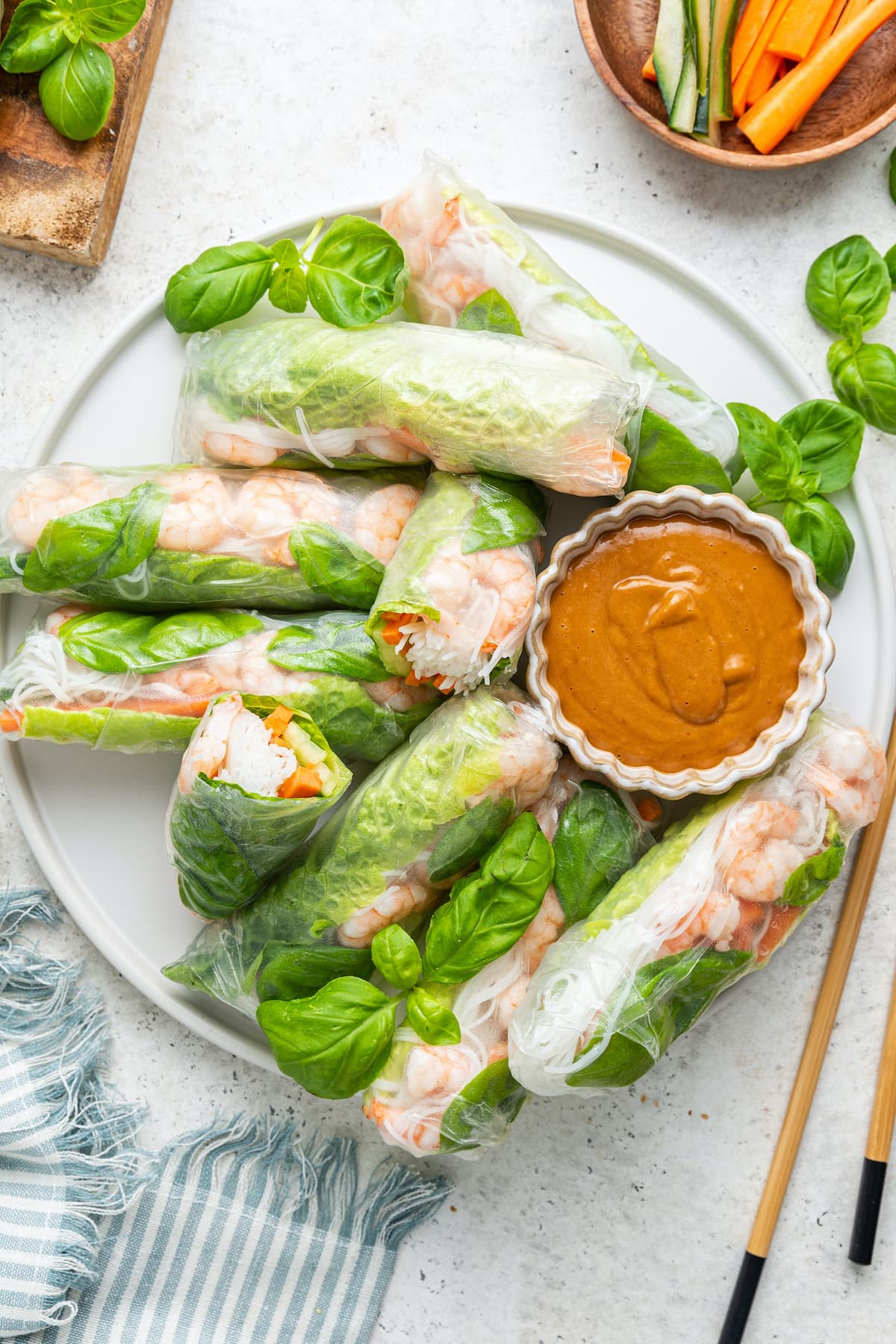
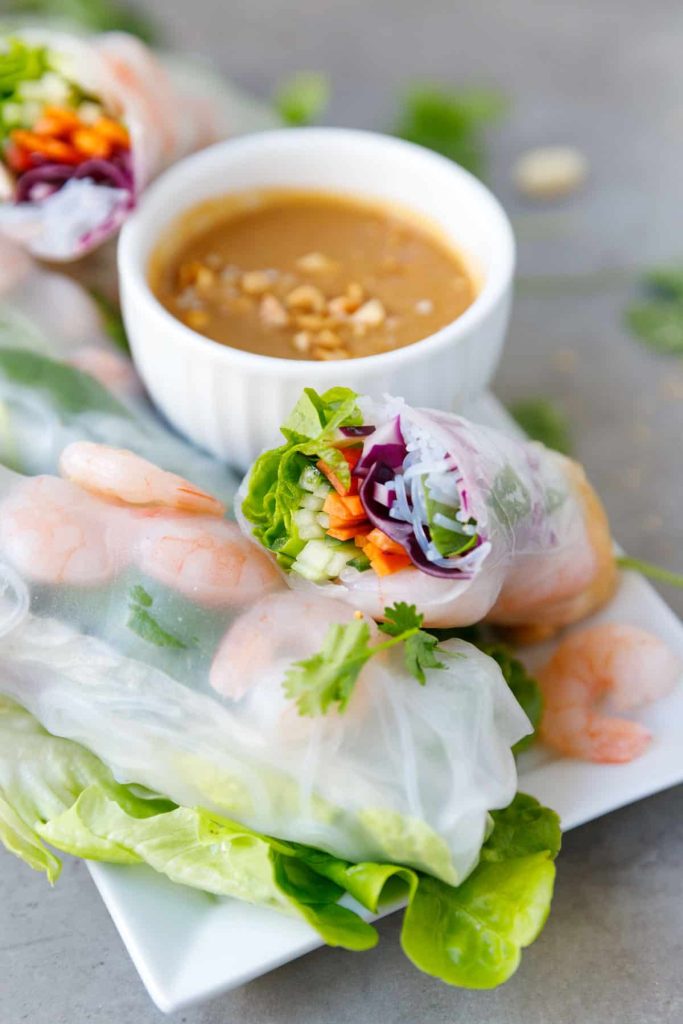

Unlike their fried counterparts, spring rolls, summer rolls are served fresh and un-fried, highlighting the natural flavors of their components. This raw preparation method not only preserves the nutritional integrity of the ingredients but also contributes to a lighter, more refreshing eating experience. The art of making summer rolls lies in the careful selection and preparation of each element, culminating in a harmonious bite that is both simple and sophisticated.
The appeal of seafood summer rolls extends beyond their refreshing taste; they are also incredibly versatile and customizable. Whether you’re a seasoned chef or a curious home cook, mastering these rolls can be a rewarding endeavor. This comprehensive guide will walk you through every step, from sourcing the freshest seafood and perfecting your chopping techniques to the delicate art of rolling and crafting the ideal dipping sauce, ensuring your homemade summer rolls are nothing short of spectacular.
At the heart of an exceptional summer roll is the quality of its ingredients. Freshness is paramount, especially when dealing with seafood. The delicate flavor profile of the rolls can easily be overshadowed by anything less than pristine produce and impeccably sourced protein. Take the time to select vibrant, crisp vegetables, aromatic herbs, and, most importantly, high-quality seafood that promises a sweet, tender bite.
The cornerstone of any summer roll is the rice paper wrapper. These thin, translucent discs, made from rice flour, tapioca flour, water, and salt, become pliable and slightly sticky when briefly submerged in warm water. Choosing the right size and brand can significantly impact your rolling experience. Standard sizes range from 6 to 8.5 inches in diameter; beginners might find larger wrappers easier to handle.
When selecting rice paper, look for brands that are consistently thin and uniform. Some varieties can be too thick, resulting in a chewy texture, while others might be excessively fragile, making them prone to tearing. Experiment with a few brands to find one that offers the best balance of flexibility and durability for your rolling technique.
Now, let’s talk about the star of our dish: the seafood. While shrimp is undeniably the most popular choice for summer rolls due to its sweet flavor and firm texture, a variety of seafood can elevate your rolls. Consider incorporating crab meat, scallops, or even thinly sliced calamari for a diverse culinary experience. Each type of seafood brings its unique texture and taste, allowing for endless customization.
For shrimp, opt for medium to large-sized prawns. They should be fresh, with a firm texture and a mild, oceanic scent. To prepare them, simply peel and devein them. Then, blanch them quickly in boiling water for 1-2 minutes until they turn pink and opaque. Immediately plunge them into an ice bath to stop the cooking process and preserve their tender texture. This step is crucial for preventing overcooked, rubbery shrimp.
If using crab meat, fresh lump crab meat offers the best flavor and texture. Gently pick through it to remove any shell fragments. If fresh crab is unavailable, high-quality pasteurized crab meat can be a good substitute, but avoid imitation crab if possible, as it often lacks the authentic flavor and texture. For scallops, a quick sear or blanch will suffice, ensuring they remain tender and sweet.
Beyond the seafood, the textural and aromatic components play an equally vital role. Vermicelli noodles, thin rice noodles, provide a soft, absorbent base that binds the ingredients together and adds substance. Cook them according to package directions, typically by soaking in hot water or boiling briefly until tender but still firm to the bite. Rinse them under cold water to prevent sticking and drain thoroughly.
The fresh herbs are what truly give summer rolls their signature bright and aromatic profile. A combination of
- Mint: Provides a cool, refreshing burst.
- Cilantro: Adds a pungent, citrusy note.
- Thai Basil: Delivers a distinctive peppery, anise-like flavor.
is traditionally used. Ensure your herbs are freshly washed and thoroughly dried before use to prevent excess moisture in the rolls.
Crisp, colorful vegetables contribute crunch, vitamins, and visual appeal. Common choices include:
- Green Leaf Lettuce: Provides a soft, leafy layer.
- Cucumber: Offers a refreshing crunch.
- Carrots: Adds sweetness and vibrant color, typically julienned.
- Red Bell Pepper: For a touch of sweetness and color.
Other options like bean sprouts, avocado, or even thinly sliced mango can also be delightful additions, offering varied textures and flavors.
Before you begin the rolling process, ensure all your ingredients are prepped and neatly arranged. This ‘mise en place’ approach is vital for smooth and efficient assembly. Cooked seafood should be sliced or left whole, depending on size. Noodles should be cooled and drained. All vegetables and herbs should be washed, dried, and cut into appropriate sizes – julienned for carrots and cucumbers, leaves separated for lettuce and herbs.
Gathering the right equipment will streamline your rolling process. You will need:
- A large, shallow dish or pie plate for soaking rice paper.
- A clean work surface, such as a large cutting board or a smooth countertop.
- A sharp knife for slicing finished rolls (optional, but recommended for neat presentation).
- A serving platter.
Having everything within arm’s reach will make the process much more enjoyable and less messy.
Now, for the main event: the art of rolling. This step requires a gentle touch and a bit of practice, but with patience, you’ll soon be crafting perfect rolls. Begin by filling your shallow dish with warm water. The water should be warm enough to soften the rice paper but not too hot, as this can make the wrappers overly sticky and difficult to handle.
Submerge one rice paper wrapper into the warm water for about 15-20 seconds. The wrapper should become pliable but still have a slight firmness. Do not oversoak, as it will become too soft and tear easily. Carefully lift the wrapper out of the water and lay it flat on your clean work surface. It will continue to soften slightly as you add the fillings.
Arrange your fillings strategically on the lower third of the wrapper, leaving about an inch clear on the sides. Start with a piece of lettuce, then a few sprigs of herbs (mint, cilantro, basil), followed by a small portion of vermicelli noodles. Next, add your julienned vegetables (carrots, cucumber, bell pepper).
Finally, place your cooked seafood. For shrimp, it’s common to place two halves or whole shrimp horizontally in a line, slightly above the other ingredients, with the cut side facing up. This ensures they are visible through the translucent wrapper once rolled, adding to the aesthetic appeal.
To begin the roll, gently fold the bottom edge of the wrapper up over the fillings, tucking it in tightly. This creates a compact core for your roll. Then, fold in the left and right sides of the wrapper over the tucked-in filling. Ensure these side folds are neat and secure, preventing any ingredients from escaping.
Now, continue to roll the wrapper upwards, away from you, maintaining a firm but gentle pressure. The goal is to create a tight, cylindrical roll without tearing the delicate wrapper. As you roll, the wrapper will adhere to itself, sealing in the delicious contents. The final roll should be taut and uniform, showcasing the colorful ingredients within.
Repeat this process for each roll, working efficiently to keep the wrappers from becoming too soft. If you find your rolls sticking to the surface, lightly dampen your work area with a clean, moist cloth. Don’t be discouraged if your first few rolls aren’t perfect; practice truly makes perfect when it comes to rolling summer rolls.
The perfect summer roll is incomplete without a complementary dipping sauce. The sauce elevates the entire dish, adding layers of flavor that balance the freshness of the rolls. While many store-bought options exist, crafting your own allows for customization and a superior taste experience.
The Classic Peanut Sauce is a perennial favorite, offering a creamy, savory, and slightly sweet profile. A basic recipe includes:
- Creamy peanut butter
- Hoisin sauce
- Soy sauce or tamari
- Lime juice
- A touch of honey or maple syrup
- Minced garlic and ginger
- A splash of water or coconut milk to thin
- Optional: chili garlic sauce for heat, chopped peanuts for garnish.
Whisk all ingredients together until smooth, adjusting consistency and flavor to your preference.
Another essential dipping sauce is Nuoc Cham, the quintessential Vietnamese dipping sauce. This vibrant sauce perfectly balances sweet, sour, salty, and spicy notes. Key ingredients include:
- Fish sauce (essential for authentic flavor)
- Lime juice
- Sugar
- Water
- Minced garlic
- Minced bird’s eye chili (for heat, adjust to taste).
Combine and stir until the sugar dissolves. The ratio of ingredients can be adjusted to achieve your desired balance.
For a simpler option, a good quality Sweet Chili Sauce can also be used. You can find excellent ready-made versions, or quickly whip one up with ingredients like rice vinegar, sugar, water, garlic, and red chili flakes. The key is to find a sauce that enhances, rather than overpowers, the delicate flavors of your seafood summer rolls.
Don’t hesitate to experiment with your dipping sauces. Consider adding a touch of sriracha to your peanut sauce for an extra kick, or fresh herbs like cilantro to your Nuoc Cham. The dipping sauce is your opportunity to personalize the experience and cater to your taste preferences.
One of the joys of summer rolls is their adaptability. While seafood is the focus here, you can easily create variations to suit different dietary needs or preferences. For a vegetarian or vegan option, simply omit the seafood and use ingredients like fried tofu, tempeh, or even a mix of mushrooms. Avocado, mango, and jicama can also add delightful flavors and textures.
Beyond shrimp and crab, consider other protein fillings such as thinly sliced grilled chicken or pork, or even pan-seared scallops for a luxurious touch. The beauty lies in the ability to mix and match, ensuring that every batch of summer rolls can offer a new and exciting flavor profile.
Serving your fresh seafood summer rolls is just as important as making them. They are best enjoyed immediately after preparation, when the wrappers are still soft and pliable, and the ingredients are at their freshest. Arrange them artfully on a platter, perhaps with a garnish of fresh herbs or a lime wedge, to invite guests to indulge.
Summer rolls make an excellent appetizer for gatherings, a light and healthy lunch, or a refreshing dinner during warmer months. Pair them with a crisp white wine, a light beer, or a refreshing iced tea for a complete culinary experience. Providing a variety of dipping sauces allows guests to personalize their experience.
While summer rolls are best consumed fresh, you can store them for a short period. To prevent them from drying out or sticking together, place them in an airtight container with a damp paper towel covering them. They will keep in the refrigerator for up to 1-2 days, though the wrappers may become slightly firmer over time. Avoid freezing, as this will ruin the texture.
Beyond their delicious taste, seafood summer rolls offer significant health benefits. They are naturally low in calories and fat, especially when compared to fried alternatives. Packed with lean protein from the seafood, fiber from the vegetables, and essential vitamins from the fresh produce, they are a wonderfully nutritious choice. The absence of heavy oils and cooking methods makes them a guilt-free indulgence.
For those new to making summer rolls, a few tips can help ensure success:
- Don’t overfill: Too many ingredients will make the roll difficult to seal and prone to tearing. Start with less and add more as you gain confidence.
- Work quickly: Once the rice paper is wet, it continues to soften. Have all your ingredients ready and work swiftly.
- Keep a damp cloth handy: If your wrappers become too sticky or your hands get messy, a damp cloth is invaluable.
- Practice makes perfect: Don’t be discouraged by imperfect first attempts. Each roll will get better!
Even with careful preparation, you might encounter a few common challenges. If your wrappers are tearing, they might be either too soft (over-soaked) or too dry (not soaked enough, or you’re forcing too many fillings). Adjust your soaking time and filling quantity. If rolls are sticking, lightly dampen your work surface or place them on a plate that’s been very lightly oiled.
If your rolls taste bland, revisit your seasoning for the seafood (a pinch of salt and pepper before cooking can help) and, most importantly, your dipping sauces. The sauce is where a significant portion of the flavor comes from, so ensure it’s robust and well-balanced. Don’t shy away from fresh herbs; they are key to the rolls’ aromatic appeal.
In conclusion, crafting fresh seafood summer rolls is a rewarding culinary endeavor that offers a delightful blend of flavors, textures, and health benefits. From the initial selection of pristine ingredients to the final artful roll and the perfect dipping sauce, each step contributes to an experience that is both engaging to create and incredibly satisfying to eat.
Embrace the process, experiment with different seafood and vegetable combinations, and personalize your dipping sauces to reflect your unique palate. Whether you’re hosting a gathering or simply enjoying a light meal at home, these fresh, vibrant rolls are sure to impress and become a cherished addition to your recipe repertoire. So, gather your ingredients, clear your workspace, and prepare to roll your way to a truly refreshing culinary masterpiece.