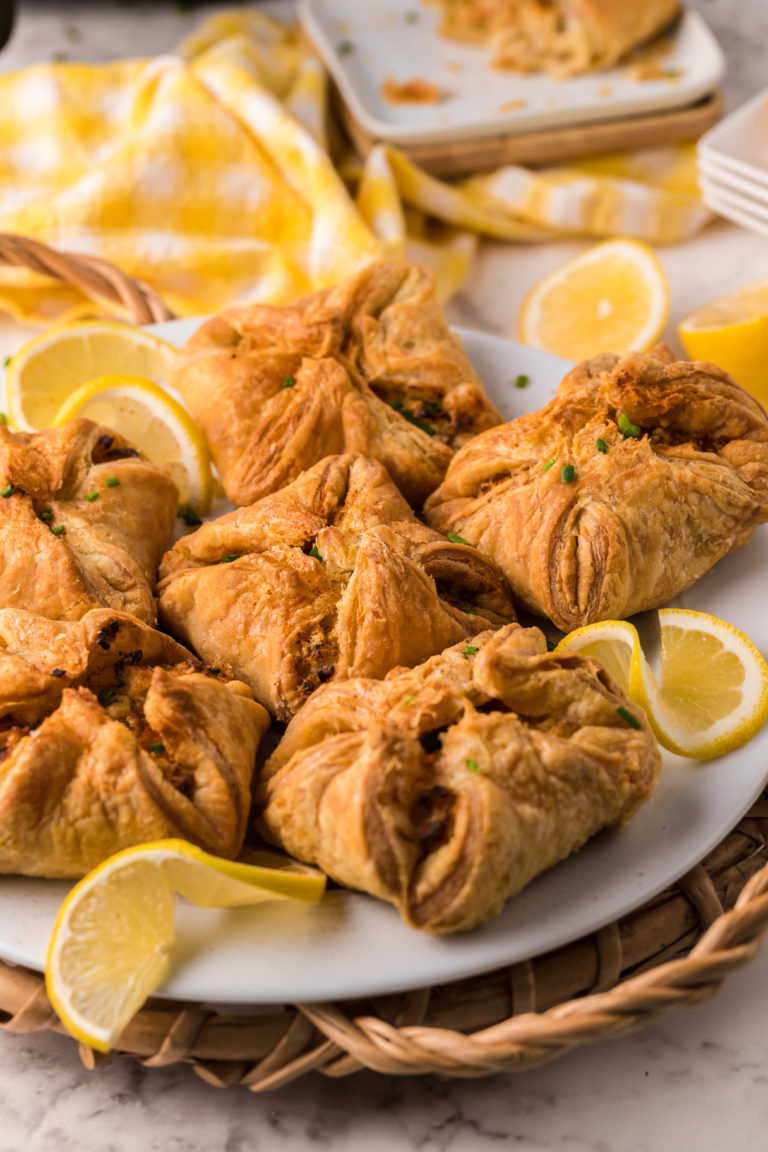
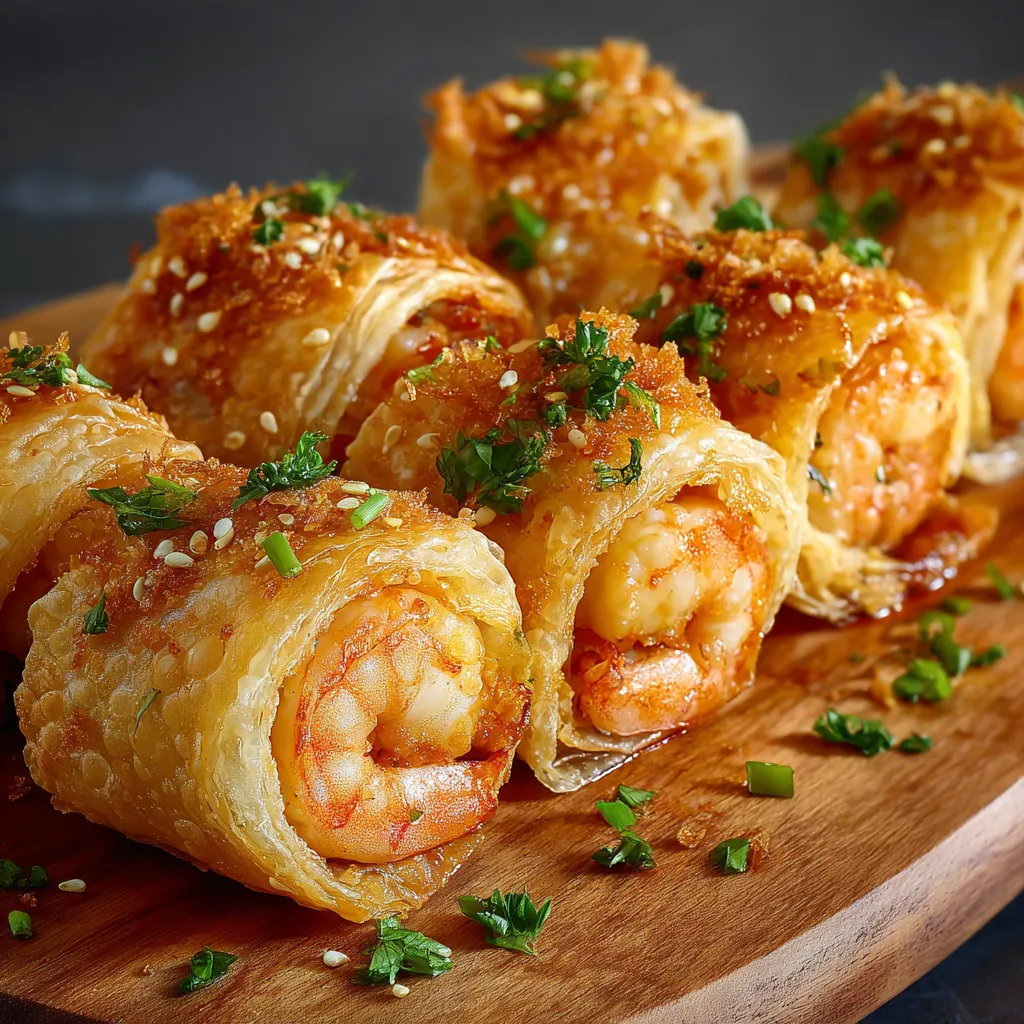

The journey to the perfect seafood puff begins with understanding the anatomy of the dish. At its core, it is a marriage of two distinct elements: the pastry shell and the seafood filling. If the pastry is undercooked, it becomes gummy; if the filling is too wet, the bottom becomes soggy. Achieving the holy grail of crispiness requires a delicate balance of moisture control, temperature management, and precise assembly. This guide will walk you through every step of the process, ensuring your culinary efforts result in a professional-standard product.
Selecting the Best Seafood
The foundation of a flavorful filling lies in the quality of the seafood. While you can use a variety of proteins, a mixture of shrimp and crab meat often yields the best results. Shrimp provides a bouncy texture and natural sweetness, while crab meat offers a delicate, fibrous consistency that absorbs seasonings beautifully. For a truly luxurious puff, consider adding small chunks of scallops or white fish like cod or snapper. Avoid oily fish like salmon or mackerel, as their strong flavors can overpower the buttery notes of the pastry.
When preparing the seafood, moisture is your enemy. Fresh seafood contains a significant amount of water, which is released during the cooking process. To prevent a soggy puff, it is crucial to pat the seafood thoroughly dry with paper towels before chopping. If using frozen seafood, ensure it is completely thawed and drained. Some chefs recommend a quick blanch or a light sauté of the seafood before filling the pastry to cook off excess liquid, though raw filling can also be used if chopped finely and mixed with binders.
The Art of the Filling
Texture plays a pivotal role in the enjoyment of a seafood puff. A filling that is entirely pureed can feel pasty and uninteresting. Instead, aim for a combination of textures. Mince half of your shrimp into a fine paste to act as a binder, but roughly chop the remaining seafood into small chunks. This ensures that every bite offers a satisfying mouthfeel where the diner can identify the individual ingredients.
To elevate the flavor profile, aromatics are essential. Finely minced garlic, shallots, and ginger (if aiming for an Asian-inspired profile) provide a sharp contrast to the rich seafood. For a Western-style puff, consider using sautéed leeks, celery, or fennel. Fresh herbs such as dill, parsley, or chives should be added at the very end of the mixing process to maintain their brightness. A touch of lemon zest can also cut through the richness of the pastry.
Binding agents are necessary to hold the filling together inside the puff. Common binders include:
- Cream Cheese: Creates a rich, melt-in-the-mouth creamy filling.
- Mayonnaise: Adds tanginess and moisture without heaviness.
- Bechamel Sauce: A thick white sauce provides a classic, velvety texture.
- Cornstarch or Egg White: Essential for Asian-style fillings to create a bouncy, cohesive meatball-like texture.
Mastering Puff Pastry
The vessel for your seafood treasure is the puff pastry. While making puff pastry from scratch is a noble culinary pursuit involving hours of folding and chilling butter, high-quality store-bought all-butter puff pastry is an excellent and time-saving alternative. Look for brands that use real butter rather than margarine or shortening, as the melting point of butter is key to the flavor and mouthfeel.
The secret to working with puff pastry is temperature control. The dough consists of hundreds of alternating layers of dough and fat. When baked, the water in the dough turns to steam, pushing the layers apart, while the fat melts to crisp the dough. If the pastry gets too warm before baking, the fat melts prematurely, resulting in a flat, greasy puff. Keep your pastry chilled in the refrigerator until the very moment you are ready to assemble.
Assembly Techniques
When you are ready to assemble, lightly flour your work surface to prevent sticking. Roll out the pastry to an even thickness—approximately 3 to 4 millimeters. If it is too thick, the inside layers may not cook through; if too thin, it may burst under the weight of the filling. Cut the pastry into your desired shapes. Squares are versatile and can be folded into triangles or envelopes, while circles can be folded into half-moons.
Place a spoonful of the seafood mixture in the center of each pastry piece. Be disciplined with your portioning; overfilling is the most common mistake beginners make. An overfilled puff will inevitably leak during baking, causing the filling to burn on the baking tray and the pastry to lose its shape. A good rule of thumb is to leave a clear 1-centimeter border around the edge of the pastry.
To seal the puffs, lightly brush the edges of the pastry with an egg wash (a beaten egg mixed with a teaspoon of water or milk). Fold the pastry over the filling and press the edges firmly to seal. For a decorative and secure finish, use the tines of a fork to crimp the edges. This not only looks professional but also helps to lock the steam inside, ensuring the filling cooks gently.
The Importance of the Egg Wash
Before the puffs enter the oven, the exterior deserves attention. Brushing the top of the assembled puffs with egg wash is non-negotiable for achieving that glossy, deep golden-brown color. Without it, the pastry will look pale and matte. For extra texture and visual appeal, sprinkle the tops with sesame seeds, poppy seeds, or even a dash of paprika or dried parsley.
Baking for Maximum Crispiness
Preheating your oven is critical. You want to create a ‘thermal shock’ for the pastry. Preheat your oven to a relatively high temperature, typically around 200°C (400°F). When the cold pastry hits the hot oven, the moisture in the dough rapidly expands, creating maximum lift and distinct layers. Bake at this high temperature for the first 10-15 minutes.
Once the puffs have risen and started to brown, you can lower the temperature to 180°C (350°F) to allow the filling to cook through and the inner layers of pastry to dry out without burning the exterior. The total baking time usually ranges from 20 to 25 minutes, depending on the size of your puffs. Do not open the oven door during the first 15 minutes, as the drop in temperature can cause the pastry to collapse.
Alternative Cooking Methods
While baking is the standard method, seafood puffs can also be deep-fried or air-fried. Deep Frying: This method produces a result similar to a curry puff or samosa. The pastry becomes uniformly bubbly and incredibly crisp. However, you must ensure the oil is at the correct temperature (170°C/340°F). If the oil is too hot, the outside burns before the raw seafood inside is cooked; if too cool, the pastry absorbs oil and becomes greasy.
Air Frying: For a lighter version, the air fryer works wonders. Preheat the air fryer to 180°C (350°F). Place the puffs in a single layer in the basket, ensuring they do not touch. Air fry for 12-15 minutes. The circulating hot air mimics the effect of a convection oven, yielding a very crispy result, though it may lack the specific richness of deep-frying.
Troubleshooting Common Issues
If you find that your puffs are soggy on the bottom, it is likely due to excess moisture in the filling or under-baking. To remedy this in future batches, try dusting the bottom of the filling area with a pinch of breadcrumbs before adding the seafood mix. Alternatively, bake the puffs on the lower rack of the oven for the last 5 minutes to concentrate heat on the base.
If the filling is dry or rubbery, you may have overcooked the seafood or used seafood with too little fat content. Adding a small amount of minced pork fat or increasing the creamy binder can help retain moisture. Also, ensure you are not baking them for longer than necessary; once they are golden and puffed, they are usually done.
Serving and Pairing
Seafood puffs are best served warm, shortly after coming out of the oven. This is when the contrast between the pastry and filling is at its peak. Allow them to rest on a wire rack for 5 minutes before serving; this prevents the steam inside from burning the eater’s mouth and helps the structure set slightly.
Pairing the right sauce elevates the dish. For Asian-style puffs seasoned with soy and ginger, a sweet chili sauce or a plum sauce is an excellent accompaniment. For Western-style creamy seafood puffs, a tartare sauce, a lemon-dill aioli, or even a simple squeeze of fresh lemon juice works beautifully to cut through the richness.
Storage and Reheating
If you have leftover baked puffs, store them in an airtight container in the refrigerator for up to two days. However, never reheat them in a microwave, as this will turn the pastry into a soft, chewy mess. Instead, reheat them in a 180°C (350°F) oven or an air fryer for 5-8 minutes until the pastry re-crisps and the filling is heated through.
Conclusion
Creating the perfect crispy seafood puff is a rewarding culinary project that combines technique with creativity. By selecting fresh seafood, managing the moisture content, keeping your pastry cold, and baking with precision, you can produce an appetizer that rivals any professional establishment. Whether you prefer a creamy crab filling or a zesty shrimp mixture, the principles of the crispy pastry remain the same.
Remember that cooking is an experiment. Don’t be afraid to adjust the seasonings to your taste or try different shapes and sizes. Once you master the basic technique of Cara Memasak Seafood Puffs Renyah, you will have a versatile recipe in your repertoire that is sure to impress anyone who takes a bite of that golden, flaky crust.