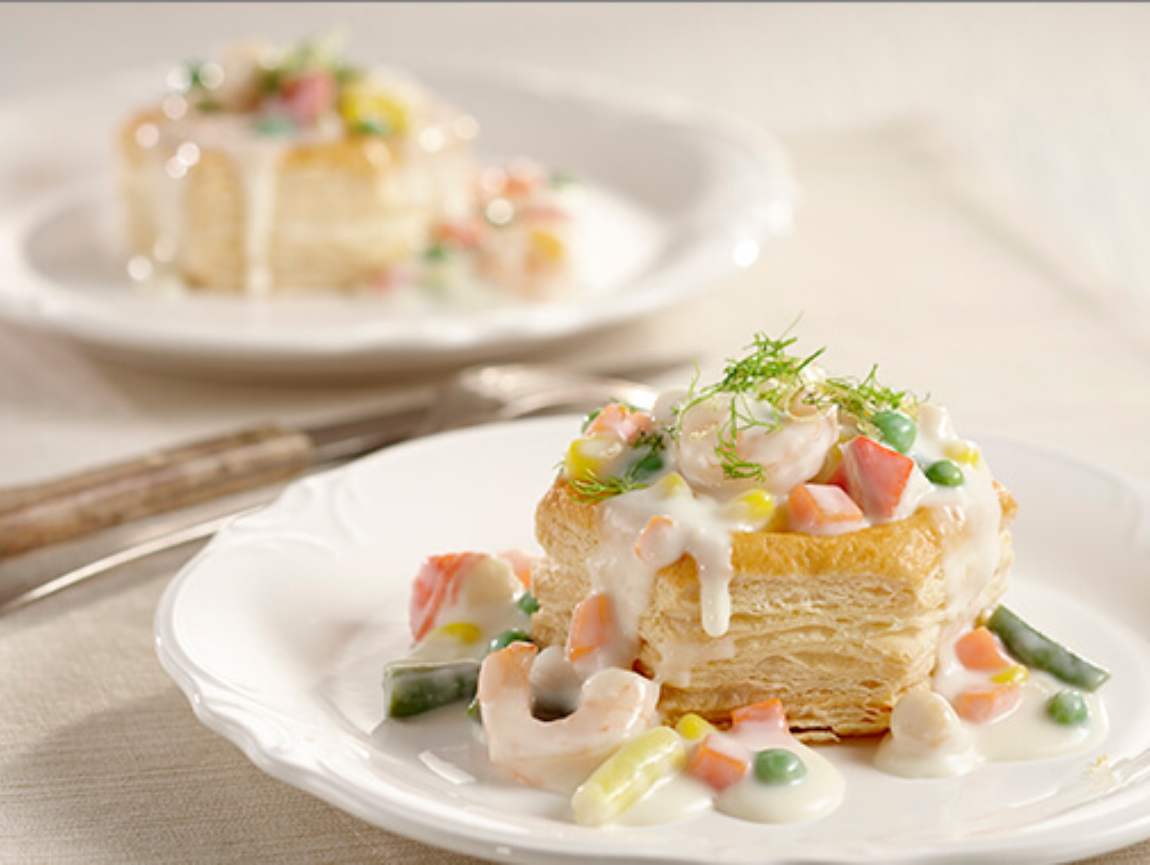
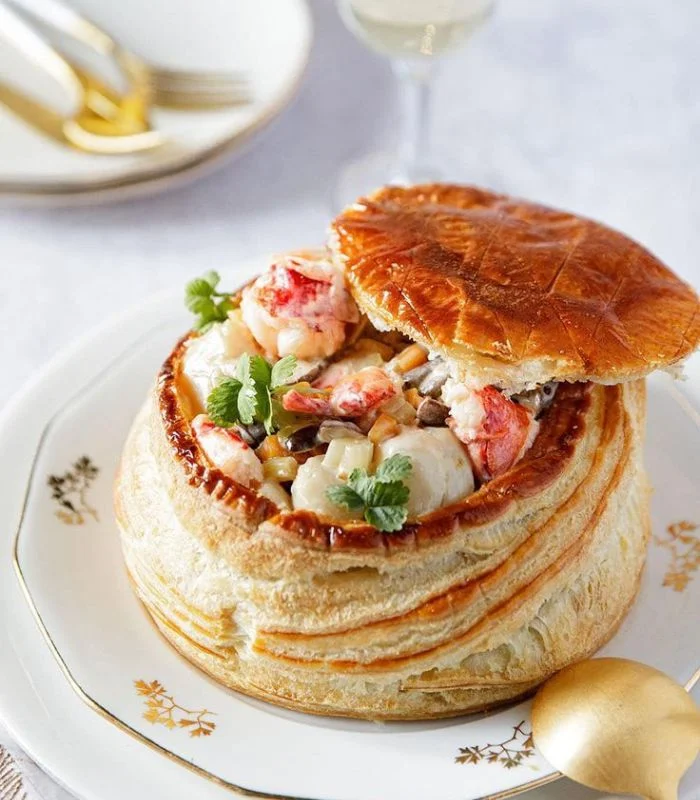

Creating a perfect Vol-au-vent involves mastering two key components: the puff pastry shell and the exquisite filling. While store-bought puff pastry can be a convenient option, crafting your own from scratch offers a superior texture and unparalleled satisfaction. The process, though requiring patience and precision, is deeply rewarding, yielding flaky, golden layers that are the hallmark of a true Vol-au-vent.
To begin crafting your own puff pastry, you’ll need high-quality ingredients. All-purpose flour, cold unsalted butter, ice-cold water, and a pinch of salt are the foundational elements. The key to successful puff pastry lies in maintaining low temperatures throughout the process. This ensures that the layers of butter and dough remain distinct, creating steam pockets during baking that result in the characteristic puff.
The process of ‘laminating’ the dough is crucial. This involves enclosing a chilled block of butter within the dough and then repeatedly rolling and folding it. Each fold, known as a ‘turn,’ creates more layers of butter and dough. Typically, a ‘single’ turn involves folding the dough into thirds, while a ‘double’ or ‘book’ turn involves folding it into quarters. A minimum of six to eight turns is generally recommended for optimal puff.
Chilling the dough between turns is non-negotiable. This resting period allows the gluten to relax, preventing toughness, and most importantly, keeps the butter firm. If the butter melts into the dough, the distinct layers will be lost, and the pastry will not puff correctly, resulting in a dense, greasy product rather than the desired light and flaky texture.
Once your puff pastry is laminated, it’s time to shape the Vol-au-vent cases. Roll out the dough to a thickness of about 1/4 inch. Using a round cutter, cut out circles for the base of each Vol-au-vent. Then, using a slightly smaller round cutter, cut out rings from half of these circles. These rings will form the raised rim of the Vol-au-vent.
Gently place the solid base circles onto a baking sheet lined with parchment paper. Egg wash the edges of these circles. Then, carefully place the rings on top of the egg-washed edges, creating a hollow center. Prick the base of each Vol-au-vent with a fork to prevent it from puffing up too much in the center, ensuring a well for the filling. An egg wash over the entire surface will give the pastry a beautiful golden sheen.
Bake the Vol-au-vent cases in a preheated oven, typically around 400°F (200°C), until they are puffed, golden brown, and cooked through. This usually takes about 15-20 minutes. Once baked, you may need to gently remove the inner circle of dough (if it hasn’t already separated) to create a deeper cavity for your filling. Allow the cases to cool slightly before filling.
Now, let’s turn our attention to the star of the show: the seafood filling. The beauty of Vol-au-vent lies in its adaptability, and a seafood filling offers a world of possibilities. You can opt for a classic béchamel-based sauce, a creamy velouté, or even a lighter, wine-infused broth. The type of seafood you choose will significantly influence the final flavor profile.
A classic and highly recommended seafood filling often includes a combination of succulent shrimp, tender scallops, and flaky white fish like cod or haddock. Mussels and clams can also add a wonderful briny depth. Ensure that all seafood is fresh and of the highest quality for the best results. Overcooked seafood can become rubbery, so timing is crucial during the cooking process.
To prepare a creamy seafood filling, start by sautéing finely diced onions, shallots, or leeks in butter until softened and translucent. Add minced garlic and cook for another minute until fragrant. Be careful not to burn the garlic.
Next, introduce your chosen seafood. If using fish, cut it into bite-sized pieces. Sauté the shrimp and scallops briefly until they are just opaque. If using mussels or clams, steam them open in a pot with a splash of white wine or water until they release their juices and open up. Discard any that remain closed.
For a rich and velvety sauce, a béchamel or velouté forms an excellent base. To make a béchamel, melt butter in a saucepan, whisk in an equal amount of flour to form a roux, and cook for a minute or two. Gradually whisk in warm milk until the sauce thickens and becomes smooth. Season generously with salt, white pepper, and a pinch of nutmeg.
Alternatively, a velouté can be made by using fish or seafood stock instead of milk, adding a more pronounced oceanic flavor. Whichever sauce you choose, ensure it has a consistency that is thick enough to hold its shape within the Vol-au-vent but not so thick that it becomes paste-like.
Combine the cooked seafood with the prepared sauce. Gently fold in any additional ingredients you desire, such as fresh herbs like parsley, chives, or dill, or a splash of lemon juice for brightness. Some chefs like to add a touch of cream or crème fraîche for extra richness.
It’s important to add the seafood to the sauce just before serving, or at the very end of the cooking process, to prevent it from overcooking. The residual heat of the sauce should be sufficient to warm the seafood through. If you’ve steamed mussels or clams, you can add them whole or shuck them before incorporating them into the filling.
Another delightful variation involves a white wine and herb reduction. Sauté your aromatics as usual, then deglaze the pan with a good quality dry white wine. Let it reduce by half, then add a seafood or fish stock. Thicken this liquid slightly with a cornstarch slurry if needed, and then gently fold in the cooked seafood and fresh herbs.
For those seeking a lighter option, consider a filling based on a delicate seafood broth infused with saffron, fennel, and a hint of orange zest. This approach highlights the natural sweetness of the seafood without the richness of a cream sauce.
Before assembling, ensure your Vol-au-vent cases are completely cooled or gently warmed, depending on your preference. If the cases have cooled completely, you can briefly place them back in a warm oven for a minute or two to crisp them up.
Spoon the warm seafood filling generously into the hollowed-out Vol-au-vent cases. Garnish with fresh herbs, a sprig of dill, or a small piece of cooked shrimp or scallop for visual appeal. A drizzle of extra sauce or a sprinkle of paprika can also enhance the presentation.
For a truly impressive presentation, consider serving the Vol-au-vents as part of a larger appetizer spread. They pair wonderfully with a crisp white wine, such as a Sauvignon Blanc or a Pinot Grigio, which complements the delicate flavors of the seafood.
When serving, ensure the Vol-au-vents are presented immediately after filling. The pastry is at its best when crisp and the filling is warm, creating a delightful contrast in temperature and texture.
Troubleshooting common issues is part of the learning process. If your puff pastry isn’t puffing, it’s likely due to the butter melting during the lamination process or insufficient chilling between turns. Ensure your oven is at the correct temperature.
If your filling is too thin, you can thicken it by simmering it gently for a little longer or by incorporating a cornstarch slurry. If it’s too thick, a splash of milk, cream, or stock can help achieve the desired consistency.
The beauty of Vol-au-vent extends beyond just seafood. While seafood is a classic choice, you can also explore fillings with chicken, mushrooms, or even sweet fillings for dessert versions. This versatility makes mastering the Vol-au-vent a valuable skill for any home cook.
For a more robust flavor, consider adding a touch of brandy or sherry to your sauce, either deglazing the pan with it or stirring it into the finished sauce. This adds a layer of complexity that elevates the dish.
When selecting your seafood, think about texture and flavor compatibility. Delicate white fish pairs well with creamy sauces, while shrimp and scallops offer a firmer bite that can stand up to richer preparations. Mussels and clams bring a unique brininess that can cut through richness.
The art of the Vol-au-vent is in the balance – the crisp, airy pastry against the rich, flavorful filling. Achieving this balance requires attention to detail at every step, from the lamination of the dough to the final seasoning of the filling.
Experiment with different types of seafood and flavor profiles to discover your signature Vol-au-vent. Whether you prefer a classic creamy filling or a lighter, wine-infused version, the Vol-au-vent provides a spectacular platform for culinary creativity.
Ultimately, the journey of creating Seafood Vol-au-vent is as enjoyable as the destination. It’s an opportunity to hone your pastry skills, explore the nuances of seafood cookery, and craft a dish that is sure to impress and delight.
Consider the presentation as the final flourish. A carefully placed herb sprig, a dusting of paprika, or a swirl of crème fraîche can transform a delicious dish into a visual masterpiece. The goal is to create an appetizer that is as pleasing to the eye as it is to the palate.