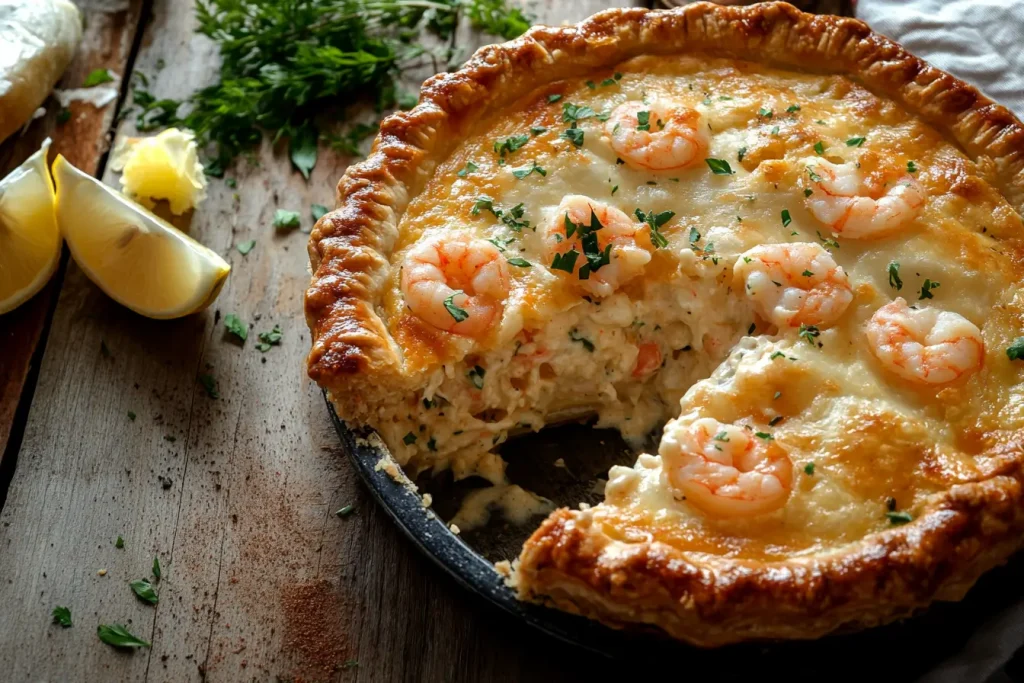

Imagine a golden-brown crust, crisp and buttery, cradling a vibrant medley of succulent seafood, tender vegetables, and a creamy, herb-infused custard. This isn’t just a dish; it’s an experience, a symphony of flavors that can grace any table, from a casual brunch to a sophisticated dinner party. The seafood savory tart is not only visually appealing but also incredibly satisfying, offering a balanced meal that is both hearty and refined.
The allure of seafood in a savory tart lies in its inherent complexity and nutritional value. From the sweet tenderness of shrimp to the rich flakiness of salmon, seafood brings a unique depth of flavor that pairs beautifully with a well-seasoned custard. Furthermore, seafood is packed with essential nutrients, including omega-3 fatty acids, making this tart a delicious and healthy choice for your culinary repertoire.
Crafting the perfect seafood savory tart involves mastering a few key components: the crust, the seafood selection, the complementary vegetables and aromatics, and the creamy binding custard. Each element plays a crucial role in achieving a harmonious balance of taste and texture. We will delve into each component, offering insights and techniques to ensure your tart is nothing short of perfection.
The foundation of any great tart is its crust. While store-bought options offer convenience, a homemade crust elevates the entire dish, providing unparalleled flavor and texture. The most common choice for savory tarts is a shortcrust pastry, known for its buttery, crumbly, and melt-in-your-mouth quality. However, puff pastry can also be a delightful alternative, offering a lighter, airier texture.
A classic shortcrust pastry, or ‘pâte brisée,’ is surprisingly simple to make and yields superior results. Its primary ingredients are flour, butter, a pinch of salt, and a touch of ice-cold water. The key to a flaky, tender crust lies in keeping the butter cold and handling the dough minimally to prevent gluten development, which can lead to a tough crust. This meticulous approach ensures a crust that beautifully complements the rich filling.
To make a perfect homemade shortcrust pastry, you’ll typically need 250g (2 cups) all-purpose flour, 125g (1/2 cup) unsalted butter (chilled and diced), a pinch of salt, and about 60-80ml (1/4-1/3 cup) ice water. Some recipes might include an egg yolk for added richness and tenderness, but the basic flour-butter-salt-water combination is a reliable starting point for an excellent crust.
Begin by combining the flour and salt in a large bowl. Add the cold, diced butter and, using your fingertips or a pastry blender, rub the butter into the flour until the mixture resembles coarse breadcrumbs with some pea-sized pieces of butter remaining. This step is crucial for creating those coveted flaky layers. Avoid overworking the butter, as warmth from your hands can melt it too quickly.
Gradually add the ice water, one tablespoon at a time, mixing lightly with a fork until the dough just comes together. Be careful not to add too much water; the dough should be cohesive but not sticky. Form the dough into a disc, wrap it tightly in plastic wrap, and refrigerate for at least 30 minutes, or preferably an hour. This chilling period allows the gluten to relax and the butter to firm up, making the dough easier to roll and ensuring a tender crust.
The filling is undoubtedly the star of your seafood savory tart. Its success hinges on the quality and freshness of your ingredients, as well as the balance of flavors. A well-constructed filling should offer a delightful contrast of textures and a harmonious blend of seasonings that enhance, rather than overpower, the delicate taste of the seafood.
When selecting your seafood, think about variety and how different types will contribute to the overall texture and flavor profile. A mix of firm, flaky fish with tender, sweet shellfish often yields the most interesting results. Consider using a combination of 2-3 types of seafood to create a dynamic and appealing filling. Popular choices include shrimp, scallops, salmon, cod, crab meat, or even smoked haddock.
For shrimp and scallops, a quick sauté or blanching can prevent them from becoming rubbery during the tart’s baking process. Salmon or cod can be gently flaked after a brief poaching or steaming. If using crab meat, ensure it’s well-drained. Mussels or clams should be steamed open and their meat removed, discarding any unopened shells. Always prioritize fresh, high-quality seafood for the best flavor.
Sourcing your seafood responsibly is also an important consideration. Look for sustainably caught or farmed options, and don’t hesitate to ask your fishmonger about the origin and freshness of their products. Frozen seafood can be an excellent alternative, especially if you live far from the coast, but ensure it’s properly thawed and drained before use to prevent excess moisture in the tart.
Beyond the seafood, aromatics and vegetables play a vital supporting role in building the tart’s flavor and adding textural interest. These ingredients provide a foundation of taste that beautifully complements the seafood and custard, ensuring a well-rounded and deeply satisfying dish. Think about how different vegetables can add color, crunch, and nutritional value.
Classic aromatics like finely diced onions, shallots, or leeks are often sautéed until translucent and sweet, forming the base of the filling’s flavor. Garlic, used sparingly, can also add a pungent depth. Herbs such as fresh dill, parsley, chives, or tarragon are natural partners for seafood and should be incorporated towards the end of the filling preparation to preserve their vibrant flavor and color.
Incorporating vegetables not only adds to the nutritional content but also provides delightful textures. Spinach, wilted and squeezed dry, is a common addition, as are roasted bell peppers (red, yellow, or orange for visual appeal), asparagus tips, or even thinly sliced mushrooms. Ensure vegetables are cooked al dente or slightly softened before adding to the tart to prevent them from releasing too much moisture during baking.
The creamy custard acts as the binding agent, holding all the delicious components of your tart together while infusing them with a rich, savory essence. A perfectly executed custard is smooth, silky, and sets beautifully without becoming rubbery or watery. Its delicate balance of eggs and dairy is crucial for achieving the desired texture.
The standard ratio for a savory tart custard is typically 2-3 large eggs per 250ml (1 cup) of dairy. You can use full-fat cream for ultimate richness, a mix of cream and milk, or even just whole milk for a lighter version. Whisk the eggs thoroughly with the dairy until well combined. Season generously with salt, freshly ground black pepper, and a pinch of nutmeg, which surprisingly enhances savory dishes.
For an extra layer of flavor and luxuriousness, consider incorporating grated cheese into your custard. Gruyère, Parmesan, or a sharp cheddar work wonderfully, melting into the custard to create a more complex and savory profile. Ensure the cheese is finely grated to distribute evenly. Strain the custard mixture through a fine-mesh sieve to remove any chalazae or unmixed egg bits, guaranteeing a perfectly smooth texture.
Now comes the exciting part: assembling your seafood savory tart. This stage brings together all your carefully prepared components, transforming them into a culinary masterpiece ready for the oven. Thoughtful layering ensures an even distribution of ingredients and a visually appealing cross-section.
Before assembling, your pastry shell needs to be blind-baked. This crucial step prevents a ‘soggy bottom’ by partially cooking the crust before the wet filling is added. Line your chilled pastry shell with parchment paper, fill with baking beans or rice, and bake in a preheated oven (around 190°C/375°F) for 15-20 minutes. Remove the weights and parchment, then bake for another 5-10 minutes until lightly golden.
Once the crust is blind-baked and slightly cooled, begin layering your filling ingredients. Start with a thin layer of grated cheese, if using, to act as a barrier and add flavor. Then, evenly distribute your cooked seafood, followed by the sautéed aromatics and vegetables. Avoid overfilling, as the custard needs space to seep through and bind everything.
Carefully pour the prepared custard mixture over the filling, ensuring it distributes evenly around all the ingredients. Gently tap the tart dish on the counter a few times to release any trapped air bubbles. If desired, sprinkle a little more cheese or fresh herbs on top for a beautiful golden crust and aromatic finish.
Baking the tart to golden perfection is the final step in bringing out all the wonderful flavors and textures. The oven’s heat will set the custard, cook the remaining ingredients, and crisp up the crust, culminating in a truly satisfying dish. Patience and attention to detail during this stage are key.
Preheat your oven to a moderate temperature, typically around 180°C (350°F). Place the assembled tart on a baking sheet to catch any potential drips and provide a stable base. Bake for approximately 35-50 minutes, depending on the size and depth of your tart. The exact timing can vary based on your oven, so it’s important to monitor its progress.
The tart is done when the crust is golden brown and the custard is set. You can test for doneness by gently jiggling the tart; the center should have only a slight wobble. A knife inserted into the center should come out clean. Avoid overbaking, as this can lead to a rubbery custard. Once baked, let the tart cool on a wire rack for at least 15-20 minutes before slicing. This allows the custard to fully set and makes for cleaner cuts.
One of the joys of cooking is the ability to personalize and experiment with flavors. The seafood savory tart is incredibly adaptable, inviting you to unleash your culinary creativity. Don’t be afraid to deviate from traditional recipes and explore new combinations that tantalize your taste buds.
Experiment with different cheeses – a smoky provolone, a tangy feta, or even a spicy pepper jack can introduce exciting new dimensions. Vary your herb choices; consider fresh thyme, oregano, or a touch of rosemary. A squeeze of lemon juice or a dash of hot sauce in the custard can also brighten or spice up the flavor profile.
For a Mediterranean twist, add sun-dried tomatoes, olives, and artichoke hearts. For an Asian-inspired tart, try a hint of ginger and soy sauce with some shiitake mushrooms. A pinch of chili flakes can add a subtle warmth, while a sprinkle of smoked paprika can deepen the savory notes. The possibilities are endless, limited only by your imagination.
Presenting your seafood savory tart beautifully enhances the dining experience. Whether it’s for a casual family meal or a formal gathering, thoughtful serving suggestions can elevate the dish from simply delicious to truly memorable.
Serve slices of the tart warm, perhaps accompanied by a crisp, lightly dressed green salad to cut through the richness. A simple vinaigrette with lemon and olive oil works wonderfully. A light tomato soup or a clear broth can also be a lovely accompaniment, especially for a lunch setting. Garnish individual slices with a sprig of fresh dill or a lemon wedge for an elegant touch.
When it comes to wine pairings, a seafood savory tart typically calls for a crisp, dry white wine. Think Sauvignon Blanc, Pinot Grigio, or an unoaked Chardonnay. For those who prefer red, a light-bodied Pinot Noir with its earthy notes can also complement the dish surprisingly well, especially if your tart incorporates richer fish like salmon.
Proper storage and reheating are essential to maintain the quality and flavor of your seafood savory tart. With a little care, you can enjoy leftovers that taste almost as good as the freshly baked original, making it an excellent dish for meal prepping or entertaining.
Once cooled, cover any leftover tart tightly with plastic wrap or aluminum foil and refrigerate for up to 2-3 days. For longer storage, individual slices can be wrapped and frozen for up to 1 month. Thaw frozen slices overnight in the refrigerator before reheating. Freezing the entire tart before baking is also an option; simply wrap it well and bake from frozen, adding extra baking time.
To reheat, place slices of tart on a baking sheet and warm in a preheated oven at 160°C (325°F) for 10-15 minutes, or until heated through and the crust is crisp again. Avoid reheating in the microwave, as it can make the crust soggy and the custard rubbery. A toaster oven can also work wonders for individual slices, restoring their delightful texture.
Even experienced cooks encounter challenges. Knowing how to troubleshoot common tart issues can save your dish and your sanity, ensuring a successful outcome every time. A little foresight and understanding can prevent minor mishaps from becoming major culinary disasters.
A common issue is a soggy bottom. This is usually due to insufficient blind baking or a very wet filling. To prevent it, ensure your crust is thoroughly blind-baked until lightly golden, and that any wet ingredients (like spinach or mushrooms) are well-drained or pre-cooked to reduce moisture. Brushing the blind-baked crust with a thin layer of egg white before adding the filling can also create a moisture barrier.
If your custard cracks, it’s often a sign of overbaking or too high a temperature. The custard cooks too quickly and shrinks, leading to cracks. Ensure your oven temperature is accurate and don’t overbake. A slight wobble in the center is desirable when removed from the oven, as it will continue to set as it cools. Overcooked seafood will be tough and dry; pre-cooking delicate seafood lightly or adding it raw to the tart if it’s very quick-cooking can help maintain its tenderness.
For those with dietary restrictions, the seafood savory tart can still be a delightful option with a few thoughtful adaptations. The versatility of this dish allows for modifications that cater to various needs without compromising on flavor or enjoyment. Inclusive cooking means everyone can savor a slice of this delicious tart.
To make it gluten-free, substitute the all-purpose flour in the crust with a gluten-free pastry blend. Many excellent blends are available that mimic the texture of traditional flour. For a dairy-free version, use plant-based milk and cream alternatives (such as oat or almond milk, and cashew cream) and dairy-free cheese substitutes. These alternatives have come a long way and can yield surprisingly delicious results.
For a healthier option, consider using whole wheat flour for the crust, reducing the amount of butter, or opting for a lighter dairy like skim milk or a milk-and-yogurt blend for the custard. Load up on extra vegetables, and choose leaner fish options. These small adjustments can significantly impact the nutritional profile while still delivering a satisfying and flavorful tart.
The seafood savory tart is more than just a recipe; it’s an opportunity to create something truly special and personal. With the insights and techniques shared in this comprehensive guide, you are now equipped to craft a tart that is not only visually stunning but also bursting with exquisite flavors. Embrace the process, experiment with ingredients, and enjoy the culinary journey of mastering this delightful dish. Happy baking!