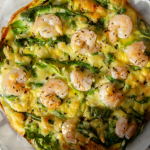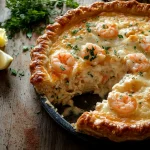
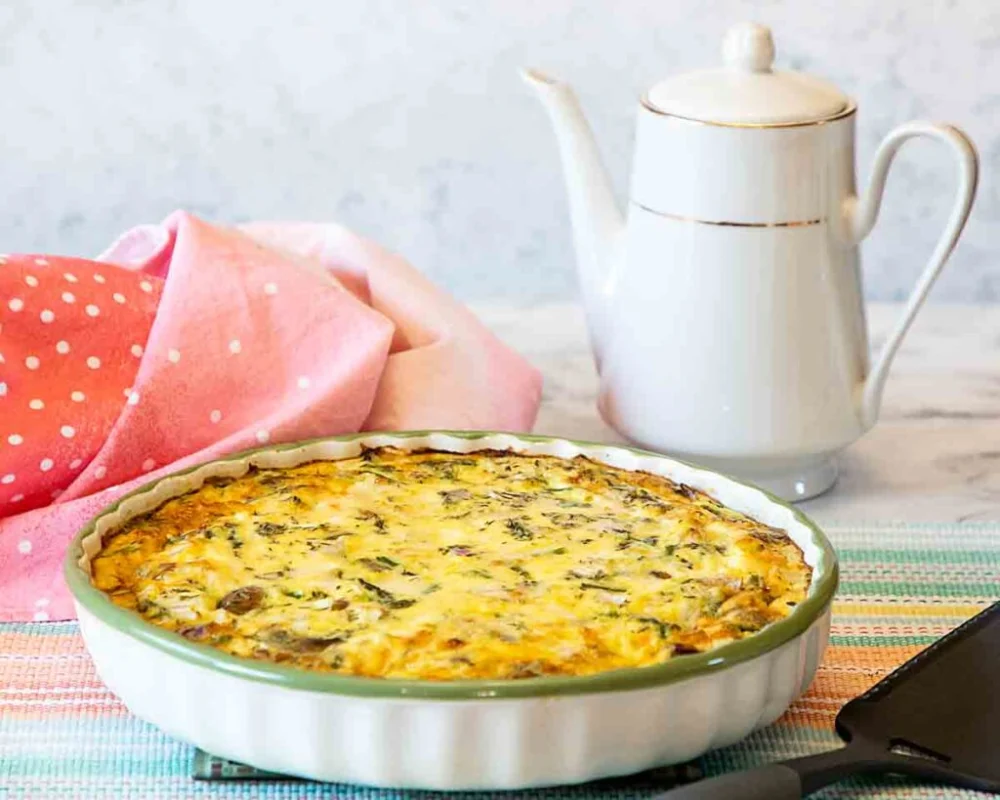

The term ‘gurih’ is deeply rooted in Indonesian culinary vocabulary, signifying a taste sensation that goes beyond mere saltiness. It encompasses a rich, savory, and often umami-laden flavor profile that makes dishes incredibly satisfying and moreish. In the context of our seafood quiche, achieving ‘gurih’ means carefully selecting and preparing ingredients to maximize their natural deliciousness, creating a harmonious blend that leaves a lasting impression.
Before diving into the specifics of seafood, let’s briefly define what a quiche is. At its core, a quiche is a baked savory tart consisting of a pastry crust filled with a custard made of eggs, cream or milk, and various savory ingredients such as cheese, meat, vegetables, or, in our case, seafood. It’s a dish that can be served warm or cold, making it perfect for brunch, lunch, or a light dinner.
Why choose seafood for your quiche? Seafood offers a unique combination of delicate flavors and textures that elevate a quiche from good to extraordinary. Its natural brininess, coupled with its lean protein content, makes for a sophisticated and satisfying meal. Furthermore, the variety of seafood available allows for endless creative possibilities, ensuring your quiche is never mundane.
The journey to a perfect ‘gurih’ seafood quiche begins with its foundation: the pastry crust. A truly exceptional quiche demands a crust that is flaky, buttery, and sturdy enough to hold its rich filling without becoming soggy. While store-bought crusts offer convenience, crafting your own from scratch provides an unparalleled level of flavor and texture.
For those opting for a homemade crust, the key lies in using cold butter, minimal handling, and sufficient chilling time. A classic shortcrust pastry made with all-purpose flour, cold butter, a pinch of salt, and ice water is ideal. The butter should be cut into small cubes and quickly incorporated into the flour, creating pea-sized pieces that will later melt and create steam, resulting in those coveted flaky layers.
Once the dough is formed, it’s crucial to chill it for at least 30 minutes to an hour. This allows the gluten to relax, making the dough easier to roll out, and prevents shrinkage during baking. When rolling, work quickly on a lightly floured surface, aiming for an even thickness. Carefully transfer the rolled dough into your tart pan, pressing it gently into the corners and trimming any excess.
Blind baking, or pre-baking, the crust is a non-negotiable step for preventing a soggy bottom. Line the pastry with parchment paper and fill it with pie weights, dried beans, or rice. Bake in a preheated oven (around 190°C/375°F) for 15-20 minutes, then remove the weights and parchment and continue baking for another 5-10 minutes until the crust is lightly golden. This creates a barrier against the wet filling.
Next, we turn our attention to the star of the show: the seafood. For a truly ‘gurih’ seafood quiche, a medley of fresh, high-quality seafood is paramount. Consider a combination of shrimp (prawns), squid (calamari), and a firm white fish like snapper or cod. Scallops or crab meat can also add a touch of luxury.
Preparation is key for each type of seafood:
- Shrimp: Peel and devein, then pat dry.
- Squid: Clean thoroughly, remove the quill and innards, then slice the body into rings and tentacles into manageable pieces.
- White Fish: Remove any bones and skin, then cut into small, bite-sized flakes or cubes.
- Scallops/Crab Meat: Ensure they are fresh and pat dry.
Pre-cooking the seafood lightly before adding it to the quiche filling is advisable. A quick sauté in a hot pan with a little butter or olive oil will bring out their flavors and prevent them from releasing too much moisture into the custard during baking.
The custard is the heart of the quiche, binding all the ingredients together into a creamy, savory delight. The classic ratio for quiche custard is usually 2 large eggs per 1 cup of dairy. For a richer, more luxurious quiche, a combination of heavy cream and milk (whole milk is preferred) works best. For a lighter version, you can use more milk and less cream.
Whisk the eggs thoroughly in a large bowl until well combined, then gradually whisk in the dairy. Seasoning the custard is where we truly amplify the ‘gurih’ factor. Beyond salt and freshly ground black pepper, consider a pinch of nutmeg, a dash of garlic powder, or even a tiny hint of fish sauce (used sparingly to avoid an overt fishy taste, but to boost umami). Fresh herbs like dill, chives, or parsley also add brightness.
Beyond the seafood, other ingredients contribute significantly to the quiche’s flavor and texture. Aromatics such as finely diced shallots or onions, and minced garlic, form the foundation of our savory base. Sautéing these until translucent and fragrant unlocks their sweetness and depth. Bell peppers, spinach, or leeks can also be added for color, nutrients, and additional flavor.
Cheese is another essential component of a ‘gurih’ quiche. Its melting properties and sharp, salty notes complement the seafood beautifully. Gruyère is a classic choice, known for its excellent melting and nutty flavor. Other great options include sharp cheddar, Swiss, or a blend of Parmesan and mozzarella. Grate the cheese yourself for better flavor and texture compared to pre-shredded varieties.
Step 1: Prepare Your Crust. As discussed, blind bake your homemade or store-bought pastry crust until lightly golden and set. Allow it to cool slightly while you prepare the filling. Ensure your tart pan is placed on a baking sheet for easier handling and to catch any potential drips.
Step 2: Sauté the Aromatics and Vegetables. In a large skillet, heat a tablespoon of olive oil or butter over medium heat. Add your finely diced shallots or onions and cook until softened and translucent, about 5-7 minutes. Add minced garlic and cook for another minute until fragrant. If using, add any other vegetables like bell peppers or leeks and sauté until tender-crisp. Remove from heat and set aside.
Step 3: Prepare the Seafood. Lightly sauté your prepared shrimp, squid, and fish separately or together in the same pan for just a minute or two until they are barely cooked through and have changed color. This prevents them from overcooking in the quiche and ensures they don’t release too much moisture. Season lightly with salt and pepper. Pat any excess moisture with paper towels.
Step 4: Whisk the Custard. In a large bowl, whisk together the eggs, heavy cream, and milk until thoroughly combined. Season generously with salt, freshly ground black pepper, and a pinch of nutmeg. If using, add a very small dash of fish sauce for extra umami. Ensure there are no streaks of egg white remaining.
Step 5: Assemble the Quiche. Sprinkle about half of your grated cheese evenly over the bottom of the blind-baked crust. Arrange the sautéed seafood and vegetables over the cheese. Pour the prepared custard gently over the filling, ensuring it distributes evenly. Top with the remaining grated cheese.
Step 6: Bake the Quiche. Carefully transfer the baking sheet with the quiche to your preheated oven (around 175°C/350°F). Bake for 40-55 minutes, or until the custard is set and the top is golden brown. To check for doneness, gently shake the pan; the center should have only a slight jiggle, or an inserted knife into the center should come out clean.
Step 7: Rest and Serve. Once baked, remove the quiche from the oven and let it cool on a wire rack for at least 15-20 minutes before slicing. This resting period is crucial; it allows the custard to fully set and prevents it from collapsing when cut. Serve warm or at room temperature.
- Preventing a Soggy Bottom: Always blind bake your crust thoroughly. An egg wash (beaten egg) brushed on the partially baked crust before the final bake can also create an extra seal.
- Even Baking: If your crust edges are browning too quickly, loosely tent the quiche with aluminum foil.
- Perfect Custard: Avoid over-whisking the eggs, which can introduce too much air and lead to a puffy, then deflated, custard. For a smoother custard, strain the mixture through a fine-mesh sieve before pouring into the crust.
- Don’t Overfill: Leave about a quarter to half-inch space from the top of the crust to prevent spillage.
- Freshness Matters: Always use the freshest seafood and dairy products for the best flavor and texture.
Variations and Substitutions: Feel free to experiment with different types of seafood. Smoked salmon, mussels, or even a touch of canned tuna (well-drained) can be used. For vegetables, consider asparagus, broccoli florets, or sun-dried tomatoes. You can also play with different cheese combinations. For a truly unique ‘gurih’ profile, a tiny pinch of white pepper or a sprinkle of finely chopped fresh ginger (sautéed with aromatics) could be considered, depending on your palate.
Serving your ‘gurih’ seafood quiche is an experience in itself. It shines as the centerpiece of a brunch spread, accompanied by a fresh green salad with a light vinaigrette. For lunch or dinner, pair it with a simple tomato soup or roasted vegetables. Its versatility means it can adapt to various occasions, from casual family meals to elegant gatherings.
Proper storage ensures you can enjoy your quiche for days. Leftover quiche can be stored in an airtight container in the refrigerator for up to 3-4 days. To reheat, warm slices in a preheated oven at 150°C/300°F for about 10-15 minutes, or until heated through. Microwaving is an option but may compromise the crust’s crispness.
Beyond its deliciousness, seafood quiche offers nutritional benefits. Seafood is an excellent source of lean protein, omega-3 fatty acids, and essential vitamins and minerals. Eggs provide high-quality protein and choline, while vegetables add fiber and antioxidants. It’s a wholesome meal that doesn’t compromise on flavor.
While quiche has its origins in Lorraine, France, its global appeal demonstrates how culinary concepts can be embraced and adapted by diverse cultures. The quest for ‘gurih’ in this seafood quiche is a testament to the universal desire for deep, satisfying flavors, much like how Indonesian cuisine masterfully balances sweet, sour, salty, and umami notes.
In conclusion, crafting a ‘gurih’ seafood quiche is a rewarding culinary endeavor that combines traditional techniques with thoughtful ingredient selection and seasoning. From the buttery, flaky crust to the creamy, savory custard brimming with fresh seafood, every element plays a crucial role in achieving that profound, satisfying taste. Armed with this comprehensive guide, you are now ready to create a seafood quiche that will delight your senses and earn you rave reviews. Happy baking!
Remember, cooking is an art, and while recipes provide a roadmap, your personal touch and passion for flavor are what truly make a dish unforgettable. Experiment, taste, and adjust until you find your perfect ‘gurih’ balance.