
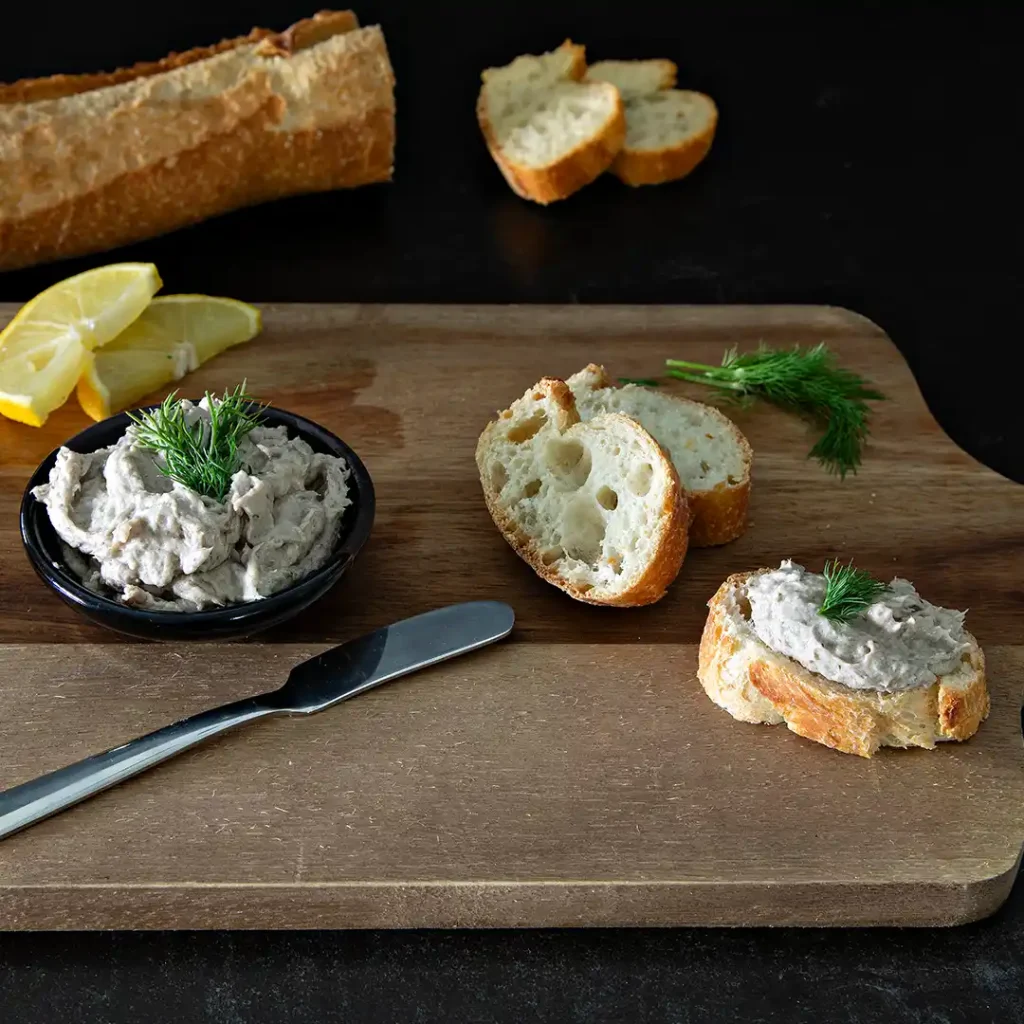

The term ‘paté’ generally refers to a paste, pie, or loaf filled with a forcemeat. While traditional French patés are often meat-heavy—utilizing duck, liver, or pork—seafood patés offer a lighter, brighter, and often more refreshing alternative. They rely on the delicate oils of fish and shellfish, emulsified with fats like butter, cream cheese, or crème fraîche, to create a texture that is both rich and spreadable.
In this comprehensive guide, we will explore the nuances of creating the perfect seafood paté specifically designed for bread. We will delve into ingredient selection, the science of emulsion, flavor pairings, and storage techniques to ensure your creation is nothing short of spectacular.
Choosing Your Star Ingredient: The Seafood
The foundation of any great paté is, naturally, the seafood. The choice of fish or shellfish will dictate the texture and flavor profile of the final dish. Smoked fish is the most popular choice for beginners because it brings a robust flavor that stands up well to cream and butter. Smoked salmon, smoked trout, and smoked mackerel are the holy trinity of seafood patés.
Smoked salmon offers a luxurious, silky texture and a universally loved flavor. It blends easily and pairs exceptionally well with dill and lemon. Smoked mackerel, on the other hand, is an oily fish with a much stronger, more savory punch. It creates a hearty paté that pairs beautifully with dark rye breads. Smoked trout sits somewhere in the middle, offering a delicate earthiness that is sophisticated and subtle.
You are not limited to smoked fish, however. Freshly poached salmon, crab meat, tuna, and even shrimp can be transformed into exquisite spreads. When using fresh seafood, it is crucial to poach or steam it gently to retain moisture. Overcooked seafood will result in a dry, grainy paté that is difficult to emulsify.
The Importance of Fat: Binding the Paté
Seafood on its own cannot form a spreadable paste; it requires a binding agent, typically a fat. The fat serves two purposes: it creates a creamy texture and it carries flavor. The most common binders are softened unsalted butter, cream cheese, crème fraîche, and occasionally mayonnaise or heavy cream.
Butter provides a firm structure once chilled, giving the paté a classic, dense mouthfeel. It adds a rich, nutty undertone that complements smoked fish perfectly. If you choose to use butter, ensure it is at room temperature before blending; cold butter will result in lumps.
Cream cheese creates a lighter, more mousselike texture. It adds a tanginess that cuts through the oiliness of fish like mackerel. For a truly decadent experience, many chefs use a combination of butter and cream cheese—butter for structure and cream cheese for spreadability.
Aromatics and Acid: Balancing the Palate
A paté made only of fish and fat would be cloying and heavy. To achieve a professional-grade flavor profile, you must introduce acid and aromatics. Acid is the most critical component for balancing seafood. Fresh lemon juice is standard, but lime juice, apple cider vinegar, or even a splash of dry white wine can add the necessary brightness.
Fresh herbs are essential for visual appeal and flavor complexity. Dill is the classic companion for salmon, while chives, parsley, and tarragon work wonders with crab and white fish. Do not rely on dried herbs for paté; the moisture in the spread will not rehydrate them effectively, and they lack the vibrant punch of fresh greens.
For a depth of flavor, consider adding ingredients that provide ‘umami’ or heat. A dash of cayenne pepper, a teaspoon of horseradish, capers, or a few drops of Worcestershire sauce can transform a flat tasting paste into a complex culinary experience. Shallots and garlic should be used with caution; if used raw, they should be minced extremely finely, or ideally, sautéed gently in butter before being added to the mix.
Equipment Essentials
While our ancestors made paté with a mortar and pestle, the modern cook is best served by a food processor. A food processor allows you to control the texture precisely, pulsing until you reach your desired consistency. A high-speed blender can also be used for ultra-smooth mousses, but be careful not to over-process, which can heat the mixture and separate the oils.
If you prefer a rustic, country-style paté (often called ‘rillettes’), you might not need a machine at all. Simply flaking the fish with a fork and folding in the binding agents by hand results in a chunky, satisfying texture that looks artisanal and homemade.
Step-by-Step: The Smoked Salmon Paté
Let us begin with a classic: Smoked Salmon Paté. This is the gold standard for bread spreads. You will need:
- 200g hot-smoked salmon (flaky)
- 100g cream cheese (room temperature)
- 50g unsalted butter (softened)
- 1 tbsp fresh lemon juice
- 1 tbsp fresh dill, chopped
- Black pepper to taste
Start by removing the skin from the smoked salmon and checking for any pin bones. Break the salmon into chunks and place it in the bowl of your food processor. Pulse a few times to break it down further, but do not turn it into a paste yet.
Add the cream cheese, softened butter, and lemon juice to the processor. Pulse until the mixture begins to come together. Stop the machine and scrape down the sides of the bowl to ensure everything is incorporating evenly. Continue to process until you reach your desired smoothness. Some prefer a completely smooth mousse, while others like small bits of salmon remaining for texture.
Transfer the mixture to a mixing bowl. Fold in the chopped fresh dill and season with freshly cracked black pepper. Taste the paté. This is the most crucial step. Does it need more lemon? A pinch of salt? Remember that smoked salmon is already salty, so add salt sparingly.
Step-by-Step: Rustic Mackerel Paté
For a bolder flavor perfect for toasted sourdough, try a Mackerel Paté. Ingredients:
- 250g smoked mackerel fillets
- 100g crème fraîche
- 2 tsp horseradish sauce
- 1 tsp Dijon mustard
- Lemon zest
- Chives
Peel the skin off the mackerel fillets. Unlike the salmon paté, we will make this one by hand to preserve the texture. Place the fillets in a bowl and mash them thoroughly with a fork. You want to break up the fibers but keep the structural integrity of the fish.
Add the crème fraîche, horseradish, and Dijon mustard. The horseradish provides a sharp heat that cuts through the rich oil of the mackerel. Mix vigorously with a spoon until combined. Stir in the lemon zest and chopped chives. This paté benefits from resting in the fridge for at least an hour to let the flavors meld.
Step-by-Step: Spicy Crab Paté
For a touch of luxury, crab paté is unmatched. Use:
- 200g fresh crab meat (white and brown meat mixed)
- 50g mayonnaise
- 50g Greek yogurt (for lightness)
- 1 red chili, deseeded and finely chopped
- Lime juice
- Coriander
Ensure the crab meat is picked over for shells. In a bowl, whisk together the mayonnaise, Greek yogurt, lime juice, and chopped chili. Gently fold in the crab meat and coriander. This mixture is delicate; overworking it will turn the crab into mush. Season with sea salt and white pepper.
Texture and Consistency Tips
One common mistake is serving the paté immediately after blending. Paté needs time to set. The fats (butter and cheese) need to rechill to provide that firm, spreadable consistency. Always refrigerate your paté for at least 2 to 4 hours before serving. If you used a high ratio of butter, you may need to let it sit at room temperature for 15 minutes before serving so it is not too hard to spread.
If your paté breaks or separates (looks oily), it usually means the ingredients were at different temperatures during mixing. To fix this, you can try whisking in a teaspoon of very cold water or cream to re-emulsify the mixture.
Food Safety and Storage
Since seafood paté contains dairy and fish, it is highly perishable. It should always be stored in an airtight container in the refrigerator. To prevent a skin from forming on the top and to minimize oxidation, you can pour a thin layer of melted clarified butter over the surface before chilling. This is a traditional preservation technique known as ‘potting’.
Generally, homemade seafood paté should be consumed within 3 days. It does not freeze particularly well, as the emulsion tends to break upon thawing, leading to a watery texture. It is best made fresh and enjoyed quickly.
Pairing with Bread: The Vehicle
The title of this guide emphasizes ‘Paté for Bread,’ and the choice of bread is just as important as the spread itself. The bread acts as the canvas. For delicate patés like crab or white fish, choose a neutral vehicle like a crusty French baguette or a water cracker. You want the subtle sweetness of the seafood to shine without competition.
For robust patés like smoked mackerel or trout, you need a bread with character. Dark rye bread, pumpernickel, or a heavily seeded sourdough are excellent choices. The earthiness of the grains complements the smokiness of the fish. Toasting the bread is highly recommended; the crunch of warm toast against the cool, creamy paté creates a delightful textural contrast.
Garnishing for Presentation
We eat with our eyes first. A tub of beige paste can look unappealing if not garnished properly. When serving, transfer the paté to a nice ramekin or shape it into a quenelle on the plate. Top with microgreens, a slice of lemon, a sprig of the herb used inside the paté, or a dusting of paprika.
Pickled vegetables make excellent accompaniments. The acidity of cornichons, pickled onions, or caperberries helps cleanse the palate between bites of the rich spread. Sliced radishes or cucumber rounds also add a necessary crunch and freshness.
Advanced Variations
Once you have mastered the basics, feel free to experiment. Try adding alcohol for depth—a splash of whiskey or brandy in a smoked trout paté adds a warming complexity. You can also experiment with spices like curry powder or saffron for a unique twist.
Another technique is to incorporate roasted vegetables. Roasted red peppers blended into a tuna paté add sweetness and a vibrant color. Roasted garlic, rather than raw, adds a mellow, sweet savoriness that is irresistible.
Troubleshooting Common Issues
Too Salty: If you accidentally oversalt, or if the smoked fish was saltier than expected, increase the volume of the fat (cream cheese or crème fraîche) and add more lemon juice. The acid helps mask the saltiness.
Too Bland: If the flavor falls flat, it is almost always a lack of acid or salt. Try a pinch of salt first, then a squeeze of lemon. If it still lacks punch, a dash of hot sauce or cayenne usually wakes up the flavors.
Too Runny: If the paté is too thin, it likely needs more time in the fridge to set the butter. If it remains runny after chilling, you may have used too much liquid (lemon juice or cream). You can try whipping in more cream cheese to thicken it.
Conclusion
Making seafood paté at home is a testament to the idea that great food does not need to be complicated. With just a few high-quality ingredients and a food processor, you can create a luxurious spread that rivals any restaurant appetizer. It is versatile, customizable, and deeply satisfying.
Whether you are spreading a rustic mackerel rillette on dark rye for a quick lunch, or piping a delicate salmon mousse onto crostini for a festive gathering, the effort you put into making your own paté will be evident in every bite. Follow these guidelines, respect the ingredients, and enjoy the delicious process of making seafood paté for your favorite bread.