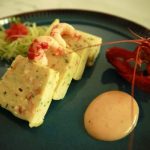
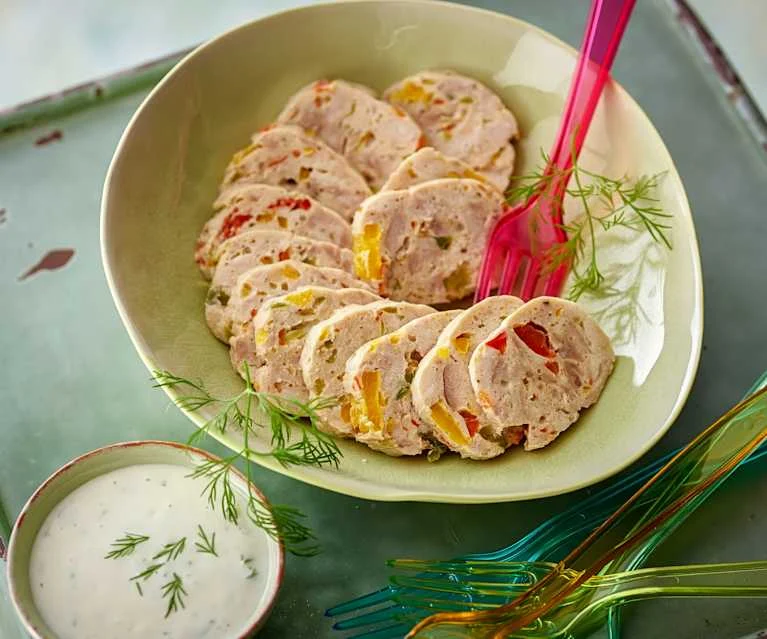

Galantine, traditionally a French dish of de-boned stuffed meat that is poached and served cold, has evolved significantly as it traveled across the globe. in Indonesia, specifically, Galantine (often associated with ‘Selat Solo’ or Dutch-Indonesian colonial cuisine) has transformed into a warm, savory loaf often made from beef or chicken. However, the seafood variation—’Resep Seafood Galantine’—offers a lighter, more aromatic alternative that is rapidly gaining popularity in modern gastronomy. It bridges the gap between comfort food and haute cuisine, making it an ideal choice for exclusive events.
The beauty of a Seafood Galantine lies in its versatility and the ability to present seafood in a form that is easy to eat and aesthetically pleasing. Unlike whole fish or shellfish which can be messy to consume at formal events, a galantine is sliced into perfect medallions, ensuring that every guest receives a uniform and elegant portion. Furthermore, the amalgamation of different seafood types allows for a complex flavor profile that is savory, slightly sweet from the fresh catch, and rich with aromatic spices.
Selecting the Perfect Catch: The Foundation of Flavor
The success of your Seafood Galantine hinges entirely on the quality and choice of your raw ingredients. For the base, you require a white-fleshed fish that offers a firm texture and a clean, mild taste. Excellent choices include Spanish Mackerel (Tenggiri), Snapper (Kakap), or even Barramundi. These fish provide the necessary protein structure to hold the loaf together. Avoid overly oily fish like salmon or tuna for the base, as their strong flavors and high oil content can affect the binding process and the final color of the galantine.
To add depth and a delightful ‘bouncy’ texture (often referred to as ‘tekstur kenyal’), it is highly recommended to incorporate shrimp or prawns into the mixture. Shrimp contains natural proteins that act as a binding agent when processed, giving the galantine a pleasant mouthfeel rather than a crumbly texture. A ratio of roughly 70% white fish fillet to 30% peeled shrimp yields the best results, balancing the meatiness of the fish with the sweet succulence of the crustaceans.
The Binding Agents and Aromatics
A galantine relies on a binder to maintain its shape during the steaming and slicing process. The traditional method involves soaking stale white bread in milk, then squeezing out the excess liquid before adding it to the food processor. This technique, known as a ‘panade’, keeps the mixture moist and tender. Alternatively, for a gluten-free version, one might use cornstarch or tapioca flour, though breadcrumbs generally offer a superior, softer crumb structure.
Flavoring the seafood paste is a delicate art. Since seafood has a naturally subtle flavor, it requires assertive yet complementary aromatics. Garlic and shallots are non-negotiable; for a deeper flavor, sauté them briefly before adding to the mixture to remove their raw edge. Nutmeg is a classic addition in Indonesian-style galantine, providing a warm, nutty undertone that pairs surprisingly well with the savory seafood. White pepper is preferred over black pepper to maintain the pristine, pale appearance of the loaf.
Step-by-Step Preparation: Creating the Paste
Begin by ensuring all your seafood is chilled. Temperature control is crucial when making fish paste; if the mixture gets too warm, the proteins can break down, resulting in a mushy texture. Place your fish fillets and peeled shrimp in a food processor. Pulse until roughly chopped, then add your binders (bread soaked in milk), egg whites (which add stability), and your seasonings: salt, sugar, white pepper, nutmeg, and perhaps a dash of sesame oil or oyster sauce for umami depth.
Process the mixture until it becomes a smooth, sticky paste. At this stage, you can incorporate finely diced vegetables for added color and texture within the slice. Finely chopped carrots, green beans, or even water chestnuts can be folded in by hand. This not only improves the nutritional profile but also creates a beautiful mosaic effect when the galantine is sliced. Ensure these vegetables are blanched and dried thoroughly so they don’t introduce excess water into the mix.
Rolling and Shaping the Galantine
Shaping the galantine requires patience and the right materials. Traditionally, the mixture is rolled into a cylindrical log using aluminum foil or a clean cheesecloth. Lay out a rectangular sheet of aluminum foil and lightly brush it with oil to prevent sticking. Spoon the seafood paste onto the center of the foil and roughly shape it into a log. If you wish to add a stuffed center—such as hard-boiled quail eggs or a stick of carrot—press them into the middle of the paste before sealing.
Roll the foil tightly around the paste, twisting the ends securely like a candy wrapper. The tightness of the roll is paramount; a loose roll will result in air pockets and a galantine that falls apart when sliced. For an extra smooth surface, some chefs wrap the mixture in plastic wrap (heat-safe cling film) first, then cover it with foil to ensure a perfect cylinder shape. If you are preparing this for a very large crowd, ensure all your rolls are of equal diameter to guarantee uniform cooking times.
The Steaming Process
Once shaped, the galantine logs are ready for the steamer. Prepare your steamer and bring the water to a rolling boil. Place the rolls in the steamer basket, ensuring they are not overcrowded to allow steam to circulate freely. Steam on medium heat for approximately 30 to 45 minutes, depending on the thickness of the rolls. It is vital not to cook at the highest heat possible, as rapid expansion can cause the logs to burst or the texture to become rubbery.
After steaming, remove the rolls and let them cool completely at room temperature before unwrapping. This resting period allows the proteins to set and the juices to redistribute. If you try to slice the galantine while it is hot, it will likely crumble. For the best results, refrigerate the steamed rolls overnight. This not only firms up the texture, making it easier to slice, but also allows the flavors to meld and mature.
Finishing Touches: The Golden Crust
While the steamed galantine is delicious on its own, a special occasion dish deserves a golden, appetizing finish. Once the log has cooled and been unwrapped, prepare a coating station. You will need beaten eggs and fine breadcrumbs. Dip the entire log (or thick slices, depending on your preference) into the egg wash, then roll it in the breadcrumbs until fully coated. Deep fry or pan-fry in hot oil until the exterior is crispy and golden brown. This step adds a delightful textural contrast—crispy on the outside, tender and bouncy on the inside.
The Sauce: The Soul of the Dish
A dry galantine is an incomplete experience; the sauce brings everything together. For a Seafood Galantine, you have two primary routes: a Sweet and Sour Tomato Sauce or a Savory Brown Mushroom Sauce. The Tomato-based sauce is often preferred for its acidity, which cuts through the richness of the fried galantine. To make this, sauté garlic and onions in butter, add tomato puree, a splash of Worcestershire sauce, sugar, salt, and chicken or seafood stock. Thicken with a cornstarch slurry until it reaches a glossy, nappe consistency.
Alternatively, a creamy Lemon Butter Sauce or a Dill Cream Sauce can elevate the dish to a more Western-style elegance. These white sauces pair exceptionally well with the flavor of snapper and shrimp. Whichever sauce you choose, ensure it is served hot and generous in quantity. For a buffet setting, keep the sauce in a chafing dish or a gravy boat alongside the sliced galantine.
Accompaniments and Side Dishes
To turn the Seafood Galantine into a complete meal, appropriate side dishes are necessary. The traditional ‘Selat’ style presentation calls for steamed vegetables and potatoes. Prepare a medley of carrots, green beans, and sweet corn. Blanch them until they are cooked but still retain a vibrant color and a slight crunch. Sautéing the vegetables briefly in butter with a pinch of salt and pepper right before serving adds a nice gloss and flavor.
Potatoes can be served in various forms: mashed, roasted wedges, or fried chips. For a formal sit-down dinner, a smooth, buttery potato purée piped elegantly onto the plate looks most refined. If you are serving this at a buffet, roasted potato wedges with herbs (rosemary and thyme) hold their texture better over time than mashed potatoes, which can form a skin if left out too long.
Plating and Presentation
Presentation is key for special occasions. Slice the fried galantine into medallions about 1.5 to 2 centimeters thick. Arrange three slices in a shingled pattern on the center of the plate. Place the potato element to the side or partially underneath the galantine. Arrange the colorful vegetables artistically around the meat. Ladle the hot sauce over part of the galantine, leaving some of the crispy crust visible to entice the appetite. Garnish with fresh parsley, a sprig of dill, or a slice of lemon to highlight the seafood theme.
Tips for Large Batch Production
If you are cooking for a wedding or a large party, the Seafood Galantine is an excellent ‘make-ahead’ candidate. The steaming process can be done up to two days in advance. Keep the logs wrapped and refrigerated. On the day of the event, you simply need to unwrap, coat with breadcrumbs, fry, and slice. This significantly reduces the workload on the day of the event, allowing the host to focus on other details.
Troubleshooting Common Issues
Issue: The galantine is too soft. This usually means there was too much liquid in the mixture or not enough binder. Ensure you squeeze the milk out of the bread thoroughly and dry your fish and shrimp after washing. Issue: The texture is rubbery. This comes from over-processing the paste or overcooking. Pulse the mixture just until combined and stick to the recommended steaming times. Issue: Fishy smell. Always use the freshest seafood available. Liberally use lime juice to wash the fish before processing, and don’t skimp on the aromatics like ginger juice or garlic.
Dietary Modifications
For guests with dietary restrictions, this recipe is adaptable. For a gluten-free version, use gluten-free breadcrumbs and cornstarch. If you have guests with shellfish allergies, you can substitute the shrimp with more firm white fish or even minced chicken breast for a mixed-meat version, though it will no longer be a pure seafood dish. Always label the dish clearly at events so guests are aware of the ingredients, especially regarding shellfish.
Conclusion
Creating a ‘Resep Seafood Galantine Khusus Acara’ is a labor of love that rewards you with a dish of exceptional quality and taste. It moves beyond the mundane menu choices and offers your guests a culinary delight that is light, flavorful, and sophisticated. By following these detailed steps—from selecting the freshest snapper and shrimp to mastering the rolling and steaming technique—you ensure a successful addition to your festive table. Whether it is a grand wedding reception or an intimate holiday dinner, this Seafood Galantine is sure to leave a lasting impression on everyone fortunate enough to taste it.