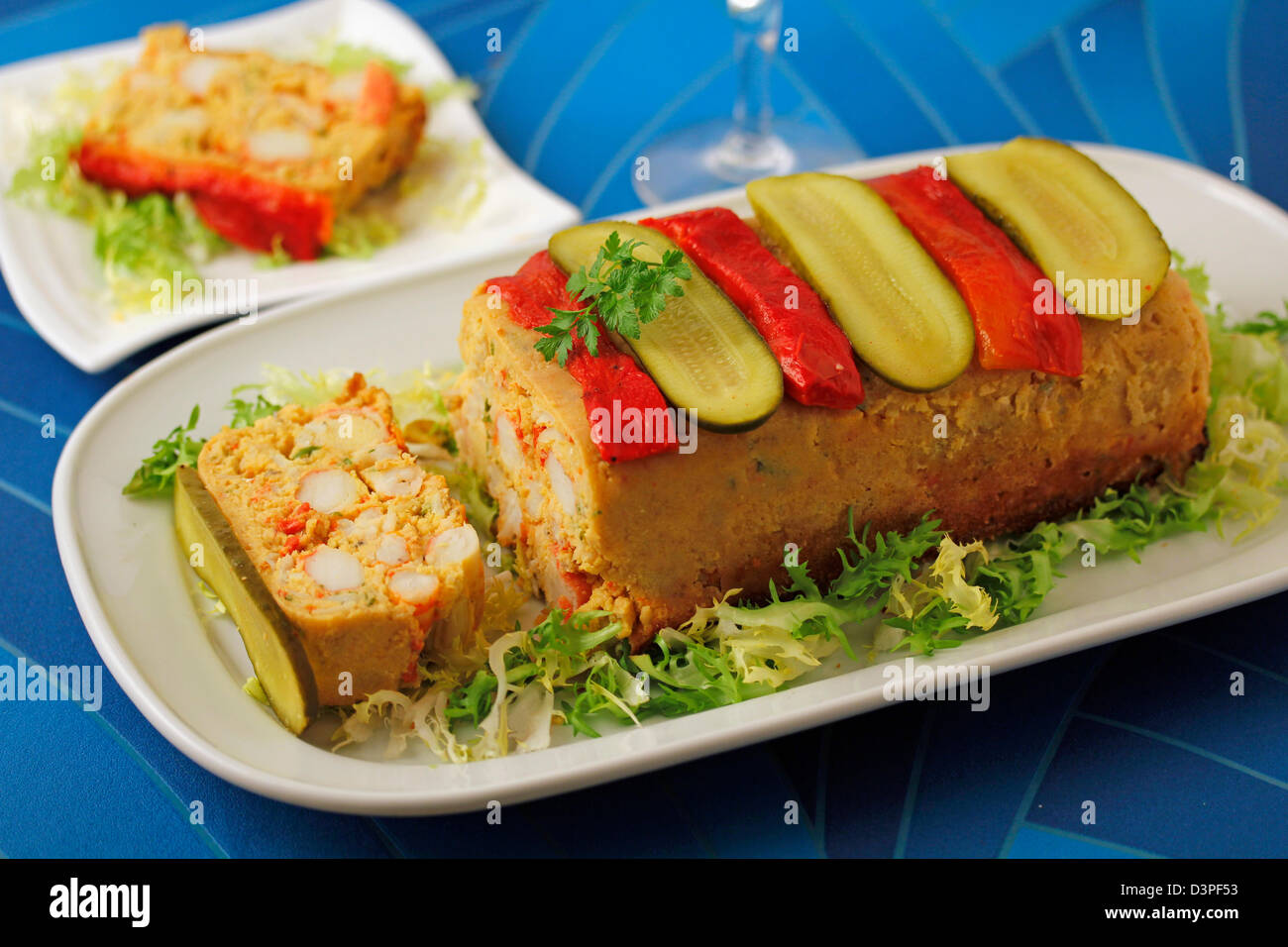
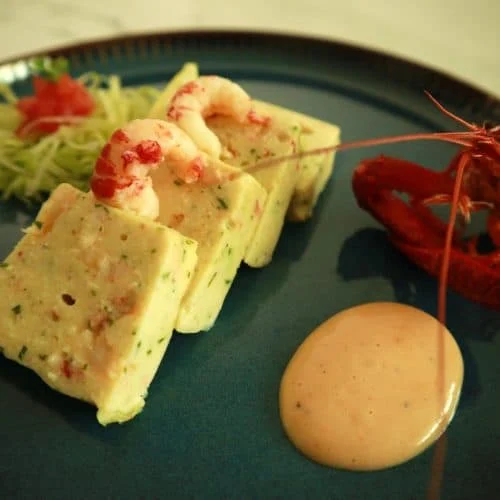

At its core, a terrine is a French dish consisting of a forcemeat or other ingredients, such as fish, game, or vegetables, cooked in a covered earthenware mold (the ‘terrine’ itself) in a bain-marie. The mixture is then chilled, sliced, and served. What elevates a seafood terrine from good to truly luxurious lies in the meticulous selection of ingredients, the precision of preparation, and the delicate balance of flavors that tantalize the palate.
The concept of ‘mewah’ in this context refers not just to expensive ingredients, but to the overall experience: the vibrant colors, the delicate yet firm texture, the complex layers of flavor, and the elegant presentation. It’s about creating a dish that speaks of care, craftsmanship, and an understanding of gourmet principles. This isn’t just food; it’s a culinary statement.
Before embarking on this culinary journey, it is paramount to understand the foundation of any great seafood dish: the quality of its primary ingredients. For a luxurious seafood terrine, compromise on freshness is simply not an option. Seek out the freshest, highest-grade seafood available, ideally from a reputable fishmonger who can attest to its origin and handling.
Key components of a truly exceptional seafood terrine typically include a variety of fish and shellfish. Think beyond just one type; the interplay of different textures and flavors is what makes it exciting. For binding and richness, a delicate mousse, often made from a portion of the seafood itself combined with cream and egg whites, forms the backbone of the terrine’s structure.
The choice of seafood is critical. Consider a combination that offers contrast in color and texture. Salmon, with its rich color and buttery texture, is a popular choice. Scallops offer a sweet, tender bite, while shrimp adds a lovely pink hue and firm texture. For a touch of sophistication, consider adding delicate white fish like halibut or cod, or even small amounts of luxurious lobster or crab meat.
Beyond the star seafood, supporting ingredients play a vital role. Fresh herbs such as dill, chives, tarragon, and parsley infuse the terrine with aromatic freshness. Aromatic vegetables like finely diced shallots or leeks, gently sweated, can add subtle depth without overpowering the delicate seafood flavors. A touch of lemon zest or a splash of dry white wine can brighten the overall profile.
For the binding mousse, the ratio of seafood to cream and egg whites is crucial for achieving the desired light yet firm texture. Too much liquid, and the terrine will be watery; too little, and it will be dense and dry. Precision is key. A good starting point is equal parts seafood and cream by weight, with egg whites added to emulsify and lighten the mixture.
Equipment-wise, you will need a few specific items. A good quality terrine mold, typically rectangular and made of ceramic or cast iron, is essential. If a specific terrine mold is unavailable, a loaf pan can serve as an adequate substitute. A food processor is invaluable for creating the smooth seafood mousse, and a fine-mesh sieve can ensure an exceptionally smooth texture. Additionally, a large roasting pan for the bain-marie is necessary, along with parchment paper and aluminum foil.
Let’s begin with the preparation of your chosen seafood. Carefully clean and trim all fish and shellfish. For salmon, remove any skin and pin bones. Scallops should be patted dry. Shrimp should be peeled and deveined. Ensure all seafood is impeccably fresh and handled with care to maintain its delicate structure and flavor. Cut larger pieces of seafood into uniform, bite-sized pieces or strips, ensuring they will layer neatly.
Next, prepare the binding mousse. Take a portion of your chosen white fish (e.g., cod or halibut) or even some of the shrimp, and finely chop it. Transfer to a food processor with a pinch of salt and white pepper. Pulse until a paste forms. Gradually add very cold heavy cream and an egg white, processing until smooth and emulsified. For an ultra-smooth mousse, pass it through a fine-mesh sieve using a spatula. Keep this mousse chilled.
Now, the layering process, which is where the visual appeal of a luxurious terrine truly comes alive. Line your terrine mold with plastic wrap, ensuring plenty of overhang on all sides. This makes unmolding significantly easier. Some chefs prefer to line the mold with blanched leek leaves or thinly sliced smoked salmon for an extra layer of flavor and visual interest. This external layer also helps protect the terrine and adds to its polished appearance.
Begin by spreading a thin layer of the seafood mousse at the bottom of the prepared mold. This forms the base. Then, artfully arrange your seafood pieces. Think about color contrast and texture. For instance, you might place a layer of vibrant salmon strips, followed by a layer of sweet scallops, interspersed with shrimp. Between these layers, spread thin coatings of the binding mousse to fill any gaps and ensure cohesion.
Continue layering, alternating between different types of seafood and thin layers of mousse. Incorporate fresh herbs throughout the layers for bursts of flavor and color. For example, a sprinkle of fresh dill over a salmon layer, or chopped chives over a white fish layer. The goal is to create distinct, appealing strata that will be revealed when the terrine is sliced.
Once all ingredients are layered, fold the overhanging plastic wrap neatly over the top of the terrine. Cover the mold tightly with a piece of parchment paper, then aluminum foil. This prevents moisture from entering during cooking and helps the terrine cook evenly. Place the covered terrine mold into a larger roasting pan.
Fill the roasting pan with hot water, reaching about two-thirds of the way up the sides of the terrine mold. This creates a bain-marie (water bath), which ensures gentle and even cooking, preventing the delicate seafood from drying out or cooking too rapidly. This method is crucial for achieving the terrine’s characteristic smooth, custardy texture.
Preheat your oven to a moderate temperature, typically around 160-170°C (325-340°F). Carefully transfer the roasting pan with the terrine to the preheated oven. The cooking time will vary depending on the size and depth of your terrine, but generally ranges from 45 minutes to 1 hour and 15 minutes. The terrine is cooked when a thermometer inserted into the center reads around 60-63°C (140-145°F). It should feel firm to the touch but still have a slight give.
Once cooked, carefully remove the terrine from the oven and lift it out of the water bath. Allow it to cool at room temperature for about 30 minutes. This gradual cooling helps the terrine set without cracking. Once slightly cooled, place a weight on top of the terrine. This could be another loaf pan filled with cans, or a heavy brick wrapped in foil. The weight helps to compress the terrine, firming its texture and ensuring clean slices.
Refrigerate the weighted terrine for a minimum of 6-8 hours, or ideally overnight. This extended chilling period is essential for the terrine to fully set, allowing the flavors to meld and the structure to become firm enough for elegant slicing. Patience truly is a virtue in this stage of the preparation.
When ready to serve, carefully remove the weight and unfold the plastic wrap. Invert the terrine onto a clean cutting board. Gently peel away the plastic wrap. Using a very sharp, thin-bladed knife, slice the terrine into even, elegant portions, typically about 1-1.5 cm (½ inch) thick. For the cleanest cuts, dip your knife in hot water and wipe it clean between each slice.
Presentation is paramount for a luxurious terrine. Arrange the slices artfully on individual plates. Garnish with fresh herbs, a drizzle of high-quality olive oil, or a vibrant coulis. A simple lemon wedge can also provide a refreshing counterpoint. Consider serving with a light, complementary sauce, such as a dill crème fraîche, a lemon beurre blanc, or a delicate saffron aioli.
To achieve the perfect texture, ensure your binding mousse is well-chilled before mixing and that all seafood is very cold. Over-processing the mousse can warm it, leading to a less desirable texture. The bain-marie is non-negotiable for even, gentle cooking. Avoid high oven temperatures that can cause the terrine to curdle or become dry.
Flavor balance is another critical aspect. The delicate taste of seafood should always be the star. Use aromatics and seasonings judiciously, aiming to enhance rather than mask the natural flavors. A touch of acidity, like lemon juice or a hint of vinegar in a accompanying sauce, can brighten the rich profile of the terrine.
For visual appeal, plan your layers carefully. Think about contrasting colors (pink salmon, white scallops, orange shrimp) and ensuring an even distribution of ingredients. The goal is for each slice to be a miniature work of art, with distinct, vibrant layers. Don’t overcrowd the mold; allow the mousse to bind the components effectively.
While this guide focuses on a classic approach, there are numerous ways to customize your seafood terrine. Experiment with different seafood combinations: adding smoked trout for a deeper flavor, or incorporating small pieces of cooked lobster for ultimate decadence. Vegetables like blanched spinach or roasted bell peppers can also be layered for added color and nutrition.
Consider incorporating a vegetable layer. Thinly sliced, blanched asparagus or vibrant green spinach can add a beautiful visual contrast and a fresh, earthy note that complements the seafood. Ensure these vegetables are well-drained to prevent excess moisture in the terrine.
A touch of spice can also be introduced, though subtly. A hint of cayenne pepper in the mousse or a pinch of smoked paprika can add warmth without overpowering the delicate seafood. Always taste and adjust seasonings carefully.
For a truly sophisticated pairing, serve your seafood terrine with a crisp, dry white wine. A Sauvignon Blanc, Pinot Grigio, or an unoaked Chardonnay would be excellent choices, as their acidity and minerality cut through the richness of the terrine and complement the seafood’s delicate flavors. Sparkling wine, such as Champagne or Prosecco, also makes for a celebratory accompaniment.
Accompanying sauces can elevate the terrine even further. A light dill-yogurt sauce offers a creamy, tangy contrast. A vibrant roasted red pepper coulis provides sweetness and a beautiful color. For a richer option, a classic beurre blanc infused with tarragon or chives can be a magnificent choice, adding a luxurious gloss and depth of flavor.
To prepare a simple dill crème fraîche: combine crème fraîche with finely chopped fresh dill, a squeeze of lemon juice, salt, and white pepper. Whisk until smooth. This offers a refreshing, tangy counterpoint to the rich terrine.
If you have leftovers, a seafood terrine stores beautifully. Tightly wrap any remaining portions in plastic wrap and refrigerate. It will remain fresh for 2-3 days. The flavors often deepen and meld further after a day or two, making it an excellent make-ahead dish for entertaining.
When serving leftovers, allow the slices to come to room temperature for about 15-20 minutes before consuming. This helps to release the full spectrum of flavors and ensures the texture is at its best. Avoid reheating, as this can compromise the delicate texture of the seafood.
Crafting a luxurious seafood terrine is indeed an undertaking that requires patience, precision, and an appreciation for fine ingredients. However, the reward is immense: a dish that is not only a feast for the eyes but also a sublime culinary experience for the palate. It’s a testament to the fact that with dedication, you can bring the elegance of gourmet dining right into your own home.
Embrace the process, savor the aromas, and take pride in the masterpiece you create. This guide provides the blueprint, but your personal touch and passion for cooking will ultimately define the unique character of your ‘Mewah’ seafood terrine. Bon appétit!