
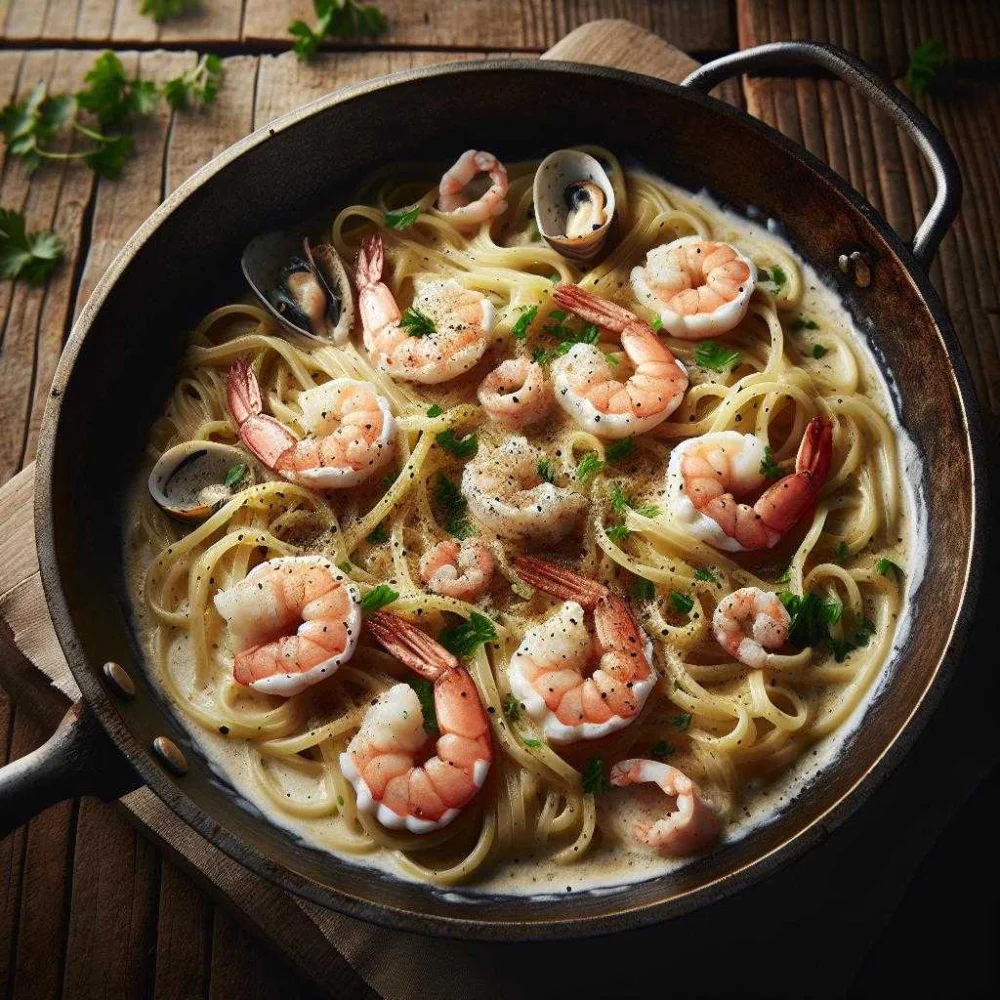

This guide explores the creation of a delicious seafood carbonara, staying true to the principles of authentic carbonara while incorporating the delicate flavors of the sea. We’ll focus on techniques that deliver a rich, velvety sauce without the need for heavy cream, resulting in a lighter yet equally satisfying meal.
The beauty of carbonara lies in its simplicity. With a few high-quality ingredients and a careful hand, you can create a dish that is both elegant and comforting. This seafood carbonara variation allows you to enjoy the same culinary experience, but with the added freshness of seafood.
Before we dive into the recipe, let’s address the elephant in the room: why avoid cream? While cream can certainly make a dish taste good, it can also mask the true flavors of the ingredients. In the case of seafood carbonara, cream can overwhelm the delicate nuances of the seafood. Additionally, cream can make the dish feel heavy and rich, which might not be desirable for everyone.
By omitting cream, we allow the seafood to take center stage, complemented by the savory notes of the cheese and the subtle spice of the pepper. This approach also allows for a lighter, more refreshing meal that’s perfect for any season.
Let’s get started with the essential ingredients. For the pasta, choose a shape that will capture the sauce well. Spaghetti, linguine, or fettuccine are all excellent choices. The key is to select a pasta that has a good surface area for the sauce to cling to.
Next, you’ll need high-quality seafood. Consider using shrimp, scallops, mussels, or a combination of your favorites. Fresh seafood is always best, but frozen seafood can also work well, provided it’s properly thawed and drained.
You’ll also need eggs, preferably large, free-range eggs. The yolks are crucial for creating the creamy sauce. Parmesan cheese is the traditional cheese choice, but Pecorino Romano, a hard, salty cheese, is a great alternative. Black pepper, freshly ground, is essential for adding a kick.
Finally, you’ll need olive oil, garlic, and optionally, a touch of dry white wine for deglazing the pan. Salt is also necessary for seasoning the pasta water and the dish itself.
Pasta: 8 ounces, such as spaghetti, linguine, or fettuccine.
Seafood: 8-12 ounces, such as shrimp (peeled and deveined), scallops, mussels (cleaned), or a combination.
Eggs: 3 large, preferably free-range.
Parmesan cheese: 1/2 cup, grated, plus more for serving.
Garlic: 2-3 cloves, minced.
Olive oil: 2 tablespoons.
Dry white wine (optional): 1/4 cup.
Black pepper: Freshly ground, to taste.
Salt: To taste.
Now, let’s move on to the step-by-step instructions. This recipe requires careful timing and attention to detail, but the results are well worth the effort.
Step 1: Prepare the Seafood. If using shrimp or scallops, pat them dry with paper towels. Season them lightly with salt and pepper. If using mussels, ensure they are thoroughly cleaned and any open mussels that don’t close when tapped are discarded. For a more intense seafood flavor, you can briefly saute the seafood in a pan before adding it to the pasta.
Step 2: Cook the Pasta. Bring a large pot of salted water to a rolling boil. Add the pasta and cook according to package directions, usually until al dente. Reserve about 1 cup of the pasta cooking water before draining the pasta. This starchy water is crucial for creating the creamy sauce.
Step 3: Prepare the Egg and Cheese Mixture. In a bowl, whisk together the egg yolks, grated Parmesan cheese, and a generous amount of black pepper. Set this mixture aside. This is the heart of your cream-free carbonara.
Step 4: Sauté the Garlic and Seafood. While the pasta is cooking, heat the olive oil in a large skillet over medium heat. Add the minced garlic and cook for about 30 seconds, or until fragrant. Be careful not to burn the garlic. Add the seafood and cook until it’s just cooked through. Shrimp should turn pink, scallops should be opaque, and mussels should open.
Step 5: Combine the Pasta, Seafood, and Sauce. Remove the skillet from the heat. Immediately add the drained pasta and seafood to the skillet. Pour a few tablespoons of the reserved pasta water over the pasta and toss to coat. This helps to cool the pasta slightly, preventing the eggs from scrambling.
Step 6: Incorporate the Egg and Cheese Mixture. Working quickly, pour the egg and cheese mixture over the pasta and toss vigorously. The heat from the pasta and the skillet will cook the eggs, creating a creamy sauce. Add more pasta water, a tablespoon at a time, if needed, to achieve the desired consistency. The sauce should coat the pasta evenly.
Step 7: Serve Immediately. Serve the seafood carbonara immediately, garnished with extra grated Parmesan cheese and a generous grind of black pepper. The dish is best enjoyed hot, while the sauce is still creamy and the pasta is perfectly al dente.
Don’t Overcook the Pasta: Al dente pasta is essential. It should have a slight bite to it.
Don’t Overcook the Eggs: The heat from the pasta and skillet will cook the eggs. If the pan is too hot, the eggs will scramble, resulting in a less desirable texture.
Use Enough Pasta Water: The pasta water helps to emulsify the sauce and create the creamy texture. Don’t be afraid to add more, a tablespoon at a time, until you reach the desired consistency.
Work Quickly: Once the pasta is drained and the egg mixture is ready, work quickly to combine everything. This prevents the pasta from cooling down too much.
Season Generously: Don’t be shy with the salt and pepper. Taste the dish as you go and adjust the seasoning as needed.
Use High-Quality Ingredients: The quality of your ingredients will greatly impact the final result. Use the best quality seafood, cheese, and pasta you can find.
Control the Heat: Make sure the pan isn’t too hot, especially when adding the eggs. You want the eggs to cook gently, creating a creamy sauce, not scrambling.
Spicy Seafood Carbonara: Add a pinch of red pepper flakes to the garlic and oil for a spicy kick.
Lemon Seafood Carbonara: Add a squeeze of fresh lemon juice at the end for a bright, zesty flavor.
Herby Seafood Carbonara: Add chopped fresh herbs, such as parsley or chives, just before serving.
Smoked Seafood Carbonara: Add a touch of smoked paprika to the garlic and oil or use smoked seafood.
Vegetable Addition: Add some sauteed vegetables like asparagus, spinach, or mushrooms to the pan with the seafood for extra flavor and texture.
White Wine Variation: Deglaze the pan with white wine after sauteing the garlic and before adding the seafood. This adds depth of flavor.
Different Cheese Options: Experiment with different cheeses, such as Pecorino Romano or Grana Padano, to change the flavor profile.
Vegan Seafood Carbonara: While this requires more modifications, it is possible! Use a vegan pasta, a cashew-based cream sauce, and vegan parmesan cheese. You can also use seaweed or other plant-based ingredients to mimic the seafood flavor.
Serving suggestions and side dishes that pair well with seafood carbonara can elevate your dining experience.
A simple green salad with a light vinaigrette is a perfect complement to the richness of the pasta. The acidity of the vinaigrette cuts through the richness of the dish.
Crusty bread is essential for soaking up the delicious sauce. Garlic bread is also a great choice.
A crisp, dry white wine, such as Pinot Grigio or Sauvignon Blanc, pairs beautifully with the seafood and creamy sauce. The wine’s acidity balances the richness of the dish.
For a complete meal, consider serving a side of steamed vegetables, such as asparagus or green beans, or roasted cherry tomatoes.
Seafood carbonara, when made without cream, is a testament to the power of simple ingredients and skillful technique. It is a dish that is both elegant and approachable, perfect for a weeknight dinner or a special occasion. By following the steps outlined in this guide, you can create a memorable meal that will impress your family and friends.
Remember to experiment with different seafood, seasonings, and variations to find your perfect combination. The most important thing is to have fun and enjoy the process of creating a delicious, cream-free seafood carbonara. Buon appetito!
This dish showcases that culinary excellence doesn’t always require elaborate techniques or exotic ingredients. It’s about respecting the ingredients, understanding the fundamentals, and allowing the natural flavors to shine. The success of this dish lies in the careful balance of textures and flavors – the perfectly cooked pasta, the tender seafood, the creamy sauce, and the subtle heat of the pepper.
The journey to mastering seafood carbonara without cream is not just about following a recipe; it’s about developing a deeper understanding of how ingredients interact and how to coax the best flavors from each element. It’s a culinary adventure that rewards patience, precision, and a willingness to experiment. So, embrace the challenge, enjoy the process, and savor the delicious results!
By omitting cream, you’re not just creating a lighter dish; you’re also allowing the natural flavors of the seafood to take center stage. The delicate sweetness of the shrimp or scallops, the briny notes of the mussels, all become more pronounced. The absence of cream also allows the other flavors – the garlic, the cheese, the pepper – to shine through, creating a more balanced and harmonious dish.
This recipe is also a fantastic starting point for culinary exploration. Once you’ve mastered the basics, feel free to experiment with different types of seafood, herbs, spices, and cheeses. Try adding a touch of heat with some red pepper flakes, or a burst of freshness with a squeeze of lemon juice. The possibilities are endless!
The beauty of carbonara, and particularly this seafood version, is its versatility. It’s a dish that can be adapted to suit your preferences and what you have on hand. Whether you’re a seasoned chef or a home cook, this recipe offers a rewarding culinary experience.
Beyond the recipe itself, understanding the principles behind it will allow you to adapt it to your own tastes and preferences. For instance, the ratio of egg yolks to cheese is crucial to achieving the right consistency. Too few yolks, and the sauce will be thin; too many, and it might become too rich. The amount of pasta water you add also plays a key role in achieving the perfect creaminess.
Consider the importance of the pasta shape. While spaghetti is a classic choice, other shapes like linguine or fettuccine can also work well, particularly if you prefer a wider noodle. The shape of the pasta can affect how well the sauce clings to it.
The quality of your ingredients is paramount. Use the freshest seafood you can find, and opt for high-quality Parmesan cheese or Pecorino Romano. The better the ingredients, the better the final dish.
This recipe is designed to be a guide, not a rigid set of instructions. Don’t be afraid to experiment, to adjust the seasonings to your liking, and to make it your own. The most important thing is to enjoy the process and the delicious results!
Finally, remember that cooking should be an enjoyable experience. Put on some music, pour yourself a glass of wine, and relax. The more you enjoy the process, the more likely you are to create a truly memorable meal.