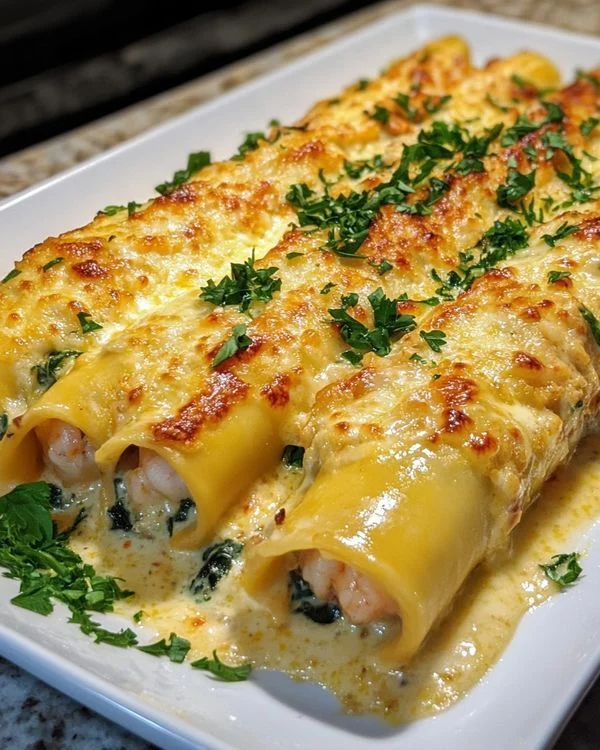

Cannelloni, derived from the Italian word ‘canna’ meaning reed or cane, are large, cylindrical pasta tubes designed to be filled with various savory mixtures and then baked, typically with a sauce and cheese. While traditional fillings often feature ricotta and spinach, or various meats, the use of seafood opens up a world of delicate flavors and luxurious textures. The term ‘panggang’ simply translates to ‘baked,’ highlighting the crucial cooking method that melds the flavors and creates a delightful crust.
The magic of Resep Seafood Cannelloni Panggang lies in its versatility. The type of seafood used can be varied to suit personal preference and availability. Common choices include succulent shrimp, tender calamari, flaky white fish like cod or snapper, mussels, and clams. A well-balanced seafood filling often incorporates a medley of these, offering a symphony of tastes and textures in every bite. The key is to ensure the seafood is fresh and cooked just enough to retain its tenderness, as it will continue to cook in the oven.
To create an exceptional seafood filling, the foundation is crucial. A common and effective base involves sautéing aromatics such as finely diced onions, garlic, and perhaps a touch of leek or shallots. These are softened in olive oil or butter until fragrant, providing a depth of flavor that complements the seafood beautifully. Herbs play a vital role in enhancing the oceanic notes; fresh parsley, chives, dill, or even a hint of tarragon can elevate the filling from good to extraordinary.
The creamy element of the filling is often provided by ricotta cheese, a staple in many cannelloni recipes. Its mild, slightly sweet flavor and smooth texture bind the seafood and herbs together perfectly. Other creamy additions can include béchamel sauce, cream cheese, or even a touch of mascarpone for an extra layer of richness. Some recipes also incorporate a binder like an egg yolk or a whole egg to ensure the filling holds its shape during baking.
Seasoning is paramount. Beyond salt and freshly ground black pepper, a pinch of red pepper flakes can introduce a subtle warmth, while a squeeze of lemon juice brightens the entire composition, cutting through the richness and enhancing the seafood’s natural sweetness. Some chefs might add a splash of white wine during the sautéing process to deglaze the pan and infuse the filling with an extra layer of complexity.
Preparing the cannelloni pasta itself requires attention. While dried cannelloni tubes are readily available, they often need to be par-boiled before stuffing. The duration of boiling is critical; they should be cooked al dente, meaning they still have a slight bite, as they will soften further during the baking process. Overcooked pasta will disintegrate, while undercooked pasta will remain too firm. Alternatively, fresh pasta sheets can be used, cut into appropriate sizes and gently cooked before being rolled around the filling.
Stuffing the cannelloni tubes can be a delicate operation. A piping bag fitted with a large, round tip is the most efficient and neatest method. Simply fill the bag with the seafood mixture and pipe it generously into each pasta tube. For those without a piping bag, a small spoon can be used, though it requires more patience and precision to ensure the tubes are evenly filled without tearing the pasta.
The sauce is the unifying element that brings the entire dish together. For seafood cannelloni, a light yet flavorful sauce is often preferred to avoid overpowering the delicate seafood. A classic tomato-based sauce, perhaps San Marzano tomatoes for their sweetness and low acidity, works wonderfully. Alternatively, a creamy béchamel sauce, infused with garlic and a hint of nutmeg, provides a rich and velvety backdrop. Some adventurous cooks might opt for a light seafood broth reduction or a white wine sauce.
When assembling the baked dish, a layer of sauce is typically spread on the bottom of the baking dish. This prevents the cannelloni from sticking and provides moisture during baking. The stuffed cannelloni are then arranged snugly on top of the sauce, often in a single layer. Another generous layer of sauce is poured over the cannelloni, ensuring each tube is well-covered.
The crowning glory of any baked dish is the cheese topping. For seafood cannelloni, a blend of cheeses often yields the best results. Melty cheeses like mozzarella or provolone provide that desirable stringy texture, while a sprinkle of grated Parmesan or Pecorino Romano adds a sharp, nutty counterpoint. Some might even add a touch of Gruyère for its complex flavor. The cheese should be evenly distributed over the sauce-covered cannelloni, creating a golden, bubbly crust.
Baking is the final stage where all the elements coalesce. The oven temperature is typically set around 190-200°C (375-400°F). The baking time usually ranges from 25 to 35 minutes, or until the sauce is bubbling, the cheese is melted and golden brown, and the cannelloni are tender. It’s often beneficial to cover the dish with aluminum foil for the first 20 minutes of baking to ensure the pasta cooks through without the cheese topping burning prematurely. The foil can then be removed for the last 10-15 minutes to allow the cheese to brown and crisp up.
Allowing the Resep Seafood Cannelloni Panggang to rest for 5-10 minutes after removing it from the oven is a crucial step. This allows the dish to set slightly, making it easier to serve and preventing the filling from spilling out. It also allows the flavors to meld further, resulting in a more cohesive and delicious final product.
Garnishing plays a role in both presentation and flavor. A sprinkle of fresh, finely chopped parsley or chives over the top just before serving adds a vibrant splash of color and a burst of freshness. A drizzle of good quality olive oil or a few lemon wedges on the side can also enhance the dining experience.
Let’s delve into a specific, classic recipe for Resep Seafood Cannelloni Panggang. This version focuses on a rich tomato sauce and a medley of shrimp and white fish.
Ingredients for the Filling:
- 500g mixed seafood (e.g., peeled shrimp, diced cod or snapper)
- 2 tablespoons olive oil
- 1 small onion, finely chopped
- 2 cloves garlic, minced
- 1/4 cup dry white wine (optional)
- 1/2 cup ricotta cheese
- 1/4 cup grated Parmesan cheese
- 2 tablespoons chopped fresh parsley
- Salt and freshly ground black pepper to taste
- Pinch of red pepper flakes (optional)
- 1 egg yolk
Ingredients for the Sauce:
- 2 tablespoons olive oil
- 1 clove garlic, minced
- 1 can (400g) crushed San Marzano tomatoes
- 1/2 teaspoon dried oregano
- Salt and pepper to taste
Other Ingredients:
- 12-16 cannelloni tubes
- 1 cup shredded mozzarella cheese
- 1/4 cup grated Parmesan cheese for topping
Instructions:
1. Prepare the Pasta: Cook the cannelloni tubes according to package directions until al dente. Drain and rinse with cold water to prevent sticking. Set aside.
2. Prepare the Filling: Heat olive oil in a skillet over medium heat. Add onion and cook until softened, about 5 minutes. Add garlic and cook for 1 minute more until fragrant. If using, add white wine and cook until reduced by half. Add the mixed seafood and cook just until opaque (shrimp turn pink, fish flakes easily). Do not overcook. Remove from heat and let cool slightly.
3. In a bowl, combine the cooled seafood mixture, ricotta cheese, 1/4 cup Parmesan cheese, parsley, egg yolk, salt, pepper, and red pepper flakes (if using). Mix well.
4. Prepare the Sauce: In a small saucepan, heat olive oil over medium heat. Add garlic and cook until fragrant. Add crushed tomatoes, oregano, salt, and pepper. Simmer for 10-15 minutes to allow flavors to meld.
5. Assemble the Cannelloni: Preheat your oven to 190°C (375°F). Spread about half of the tomato sauce in the bottom of a 9×13 inch baking dish.
6. Using a piping bag or a spoon, carefully fill each cannelloni tube with the seafood mixture. Arrange the filled cannelloni in a single layer over the sauce in the baking dish.
7. Pour the remaining tomato sauce evenly over the stuffed cannelloni.
8. Sprinkle the shredded mozzarella cheese and the remaining 1/4 cup Parmesan cheese evenly over the top.
9. Bake: Cover the baking dish loosely with aluminum foil. Bake for 20 minutes. Remove the foil and bake for another 15-20 minutes, or until the cheese is golden brown and bubbly, and the sauce is heated through.
10. Rest and Serve: Let the cannelloni rest for 5-10 minutes before serving. Garnish with fresh parsley if desired.
For those seeking a richer, creamier experience, a béchamel-based seafood cannelloni is an excellent alternative. This variation often replaces the tomato sauce with a luscious white sauce infused with herbs and perhaps a touch of nutmeg.
Variations on the Creamy Theme: Instead of tomato sauce, prepare a classic béchamel. Melt 4 tablespoons of butter, whisk in 4 tablespoons of flour to form a roux, and gradually whisk in 2 cups of warm milk until smooth and thickened. Season with salt, white pepper, and a pinch of nutmeg. You can also add a tablespoon of Dijon mustard or a splash of heavy cream for extra richness. Some recipes might incorporate a handful of sautéed mushrooms or leeks into the filling for added depth.
The choice of seafood in a creamy cannelloni can lean towards more delicate flavors. Think scallops, crab meat, or even lobster, which pair beautifully with the richness of the béchamel sauce. Ensure the seafood is cooked minimally before incorporating it into the filling, as it will cook further in the oven.
Consider adding a layer of sautéed spinach or wilted kale beneath the cannelloni in the baking dish. This adds an extra layer of nutrition and a vibrant green hue to the finished dish, complementing the creamy sauce and seafood.
For a lighter, more summery version, consider a lemon-herb infused filling. Incorporate lemon zest and a generous amount of fresh dill or chives into the ricotta mixture. A light white wine sauce or even a simple drizzle of good quality olive oil over the baked cannelloni can be sufficient, bypassing a heavy tomato or béchamel sauce altogether.
Gluten-Free Adaptation: For those with gluten sensitivities, cannelloni can be made using gluten-free pasta tubes. Alternatively, one can create a ‘deconstructed’ version by layering cooked gluten-free pasta sheets with the seafood filling and sauce, and baking as usual. Ensure all other ingredients, such as any thickening agents used in sauces, are also gluten-free.
Vegan Seafood Cannelloni: While challenging, a vegan interpretation is possible. Use large pasta shells or manicotti. The ‘seafood’ filling could be crafted from hearts of palm (for texture), mushrooms (for umami), and seasoned with seaweed flakes (like nori or dulse) to mimic oceanic flavors. A creamy cashew-based sauce or a silken tofu ricotta can replace the dairy components. Nutritional yeast can provide a cheesy flavor.
Presentation Tips: Beyond garnishes, consider serving the Resep Seafood Cannelloni Panggang with a side salad of mixed greens and a light vinaigrette. A crusty baguette is perfect for soaking up any extra sauce. For a more formal meal, pair it with a crisp white wine, such as a Sauvignon Blanc or Pinot Grigio, which complements the seafood flavors.
The beauty of Resep Seafood Cannelloni Panggang lies not just in its taste but also in the communal aspect of preparing and sharing such a comforting, celebratory dish. It’s a testament to how simple pasta tubes can be transformed into an elegant meal, showcasing the bounty of the sea with Italian flair.
Mastering this dish involves understanding the balance of flavors – the sweetness of the seafood, the tang of the tomato or richness of the béchamel, the creaminess of the ricotta, and the herbaceous notes. Each element plays a crucial role in the final symphony.
Experimentation is encouraged. Don’t be afraid to try different combinations of seafood, herbs, and cheeses. Perhaps a hint of smoked paprika in the filling, or a sprinkle of toasted breadcrumbs on top for added texture. The possibilities are as vast as the ocean itself.
Ultimately, Resep Seafood Cannelloni Panggang is more than just a recipe; it’s an invitation to explore the rich tapestry of Italian-inspired cuisine, to savor the delicate flavors of the sea, and to create memorable meals for yourself and your loved ones. Enjoy the journey of creation and the delicious rewards that follow.