
When preparing your seafood for skewers, uniformity in size is paramount. Cut larger pieces of fish into roughly 1 to 1.5-inch cubes. This ensures that all pieces cook at the same rate, preventing some from becoming overcooked and dry while others remain undercooked. For shrimp, peel and devein them, leaving the tail on for a better presentation and easier handling. Scallops should be patted very dry; if they are large, you can cut them in half horizontally. Calamari can be threaded onto skewers in rings or pieces of the mantle.
The marinade is where the magic truly happens, infusing the seafood with layers of flavor. A classic Mediterranean-inspired marinade typically includes olive oil, lemon juice, garlic, and herbs. Fresh lemon juice provides a bright, zesty counterpoint to the richness of the seafood, while good quality olive oil helps tenderize and carry the flavors. Minced garlic adds a pungent depth.
For herbs, oregano and thyme are traditional and highly effective. Their earthy notes complement seafood beautifully. You can also experiment with other herbs like dill, parsley, or even a pinch of red pepper flakes for a touch of heat. Some recipes also call for a splash of white wine or a spoonful of Dijon mustard to add complexity to the marinade.
When creating your marinade, remember that seafood, especially delicate fish and shrimp, can be sensitive to acidic ingredients like lemon juice. Marinating for too long can ‘cook’ the seafood through a process called ceviche, resulting in a mushy texture. For most fish and shrimp, a marinating time of 30 minutes to 1 hour at room temperature, or up to 2 hours in the refrigerator, is sufficient. Scallops and calamari benefit from even shorter marinating times, often as little as 15-30 minutes.
Beyond the classic Mediterranean profile, feel free to explore other flavor combinations. A ginger-soy marinade with a hint of sesame oil can be fantastic for tuna or shrimp. For a spicier kick, consider a marinade with lime juice, cilantro, jalapeño, and cumin. The possibilities are endless, allowing you to tailor your souvlaki to your personal taste preferences.
Vegetables are an integral part of souvlaki, adding color, texture, and complementary flavors. Cherry tomatoes, bell peppers (in various colors), red onion, zucchini, and mushrooms are excellent choices. Like the seafood, cut your vegetables into pieces that are roughly the same size as the seafood cubes. This ensures they cook evenly on the grill.
Soaking wooden skewers is a critical step often overlooked by beginners. If you are using wooden skewers, they must be soaked in water for at least 30 minutes, preferably longer, before threading the seafood and vegetables. This prevents the wood from burning and igniting on the hot grill, ensuring your skewers hold together throughout the cooking process.
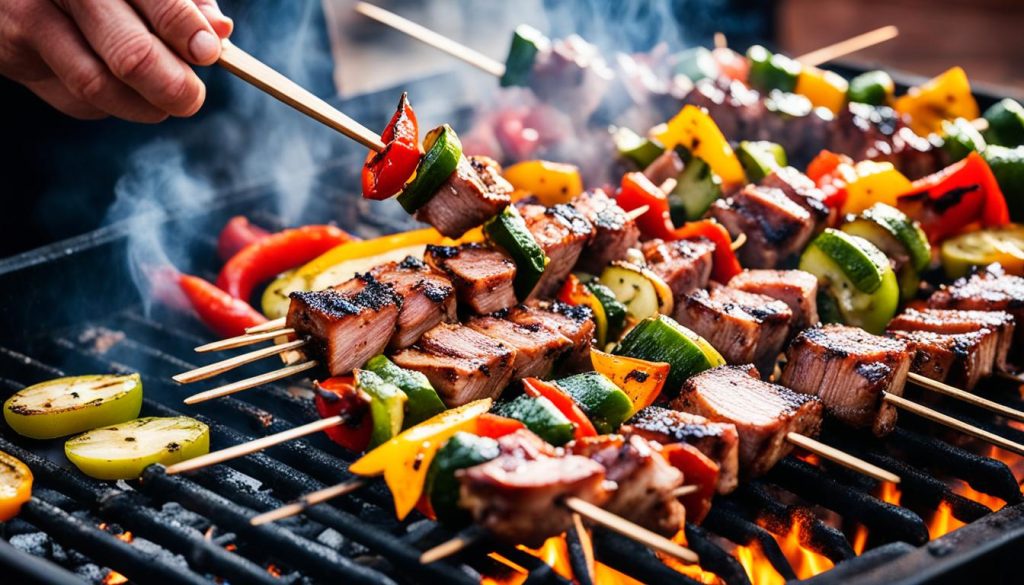
When assembling the skewers, alternate pieces of seafood with chunks of vegetables. This not only creates an appealing visual presentation but also allows the flavors to meld together as they cook. Don’t pack the ingredients too tightly; leave a little space between each piece to allow for even heat circulation and cooking. This also makes it easier to turn the skewers on the grill.
Preheating your grill is non-negotiable for successful souvlaki. Whether you’re using a gas grill or charcoal, ensure it’s hot before you place the skewers on it. For gas grills, preheat to medium-high heat (around 400-450°F or 200-230°C). For charcoal grills, wait until the coals are covered in gray ash. A hot grill sears the seafood and vegetables quickly, creating delicious char marks and preventing sticking.
Clean grill grates are equally important. Burnt-on food residue can cause your souvlaki to stick, leading to frustration and uneven cooking. Before placing your skewers, brush the grill grates clean with a wire brush, then lightly oil them using a paper towel dipped in high-heat cooking oil (like canola or vegetable oil) held with tongs. This creates a non-stick surface.
When placing the souvlaki on the grill, position them perpendicular to the grates if possible, especially if your grates have wide spacing, to prevent them from falling through. Cook the skewers in batches if necessary, ensuring you don’t overcrowd the grill. Overcrowding lowers the grill temperature and results in steaming rather than searing.
The cooking time for seafood souvlaki is relatively short. The exact duration will depend on the type of seafood, the size of the pieces, and the heat of your grill. Generally, aim for 3-5 minutes per side for most seafood. Shrimp will cook quickly, turning pink and opaque. Fish like swordfish or mahi-mahi will become opaque and flake easily when tested with a fork. Scallops should be nicely seared and opaque throughout. Calamari will turn opaque and slightly firm; be careful not to overcook, as it can become rubbery.
Flipping the souvlaki is best done with tongs or a spatula. Avoid using a fork to pierce the seafood, as this can release valuable juices and make the pieces fall apart. Turn the skewers gently to ensure even cooking on all sides. You’re looking for beautiful grill marks and a slight char on the seafood and vegetables.
For an extra burst of flavor, consider basting the souvlaki during the last minute or two of grilling. You can use some of the reserved marinade (ensure it has been boiled first if it came into contact with raw seafood), or a simple mixture of olive oil, lemon juice, and herbs. This adds moisture and enhances the overall taste.
Once cooked, remove the souvlaki from the grill immediately. Overcooked seafood is the enemy of tender, delicious souvlaki. Transfer them to a clean platter or serving dish.
Resting the souvlaki for a few minutes before serving allows the juices to redistribute within the seafood, resulting in a more tender and moist final product. While they rest, you can prepare any accompanying dishes or garnishes.
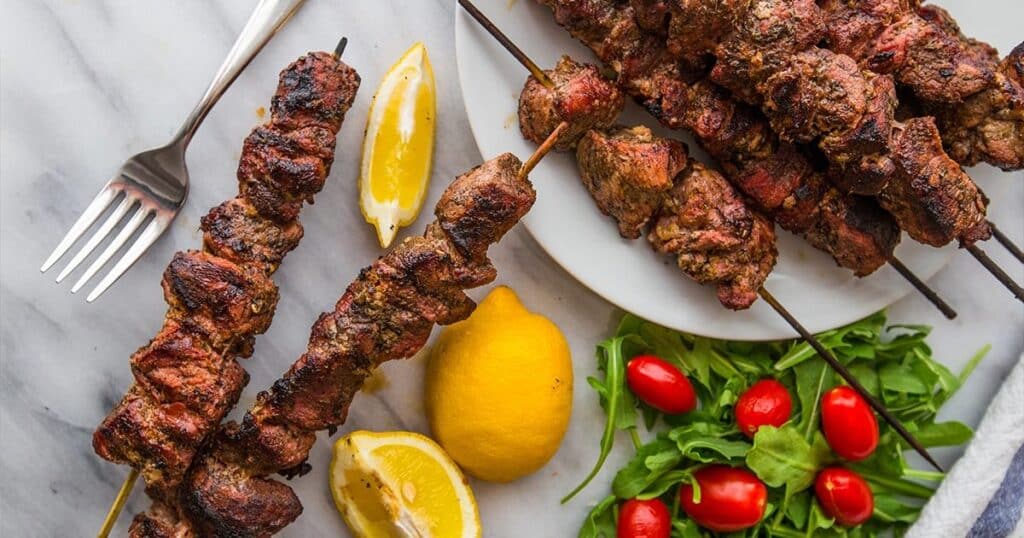
Serving seafood souvlaki is a delightful affair. They are fantastic served on their own as a light appetizer or main course. For a more substantial meal, pair them with a Greek salad, a side of rice pilaf, grilled pita bread, or a refreshing tzatziki sauce. The cool, creamy tzatziki is a classic accompaniment that perfectly balances the grilled flavors.
Don’t forget the garnishes! A sprinkle of fresh chopped parsley or dill, a wedge of lemon for squeezing over the top, and perhaps a drizzle of extra virgin olive oil can elevate the presentation and add a final touch of freshness.
Safety is paramount when grilling. Ensure you have a fire extinguisher or a bucket of water nearby, especially when using charcoal grills. Keep children and pets at a safe distance from the hot grill. Always handle raw seafood with care and practice good food hygiene.
Leftover seafood souvlaki can be enjoyed cold or gently reheated. If reheating, do so briefly in a low oven or microwave to avoid drying out the seafood. They are delicious added to salads or wraps the next day.
Experimentation is key to finding your perfect seafood souvlaki. Don’t be afraid to try different seafood combinations, marinades, and vegetable pairings. Each grill and cooking environment is unique, so pay attention to how your souvlaki cook and adjust your timing accordingly.
The beauty of seafood souvlaki lies in its simplicity and the fresh, vibrant flavors it delivers. By following these tips, you’ll be well on your way to creating a truly memorable grilled seafood experience that will impress your family and friends.
Consider the environmental impact of your seafood choices. Opt for sustainably sourced seafood whenever possible. Many organizations provide guides to help consumers make informed decisions about which types of seafood are more environmentally friendly.
For those new to grilling, start with simpler seafood like shrimp or firm fish. As you gain confidence, you can move on to more delicate options or complex marinades. Patience and practice are your best allies.
The type of grill you use can influence the cooking process. Charcoal grills tend to impart a smokier flavor, while gas grills offer more precise temperature control. Understand your grill’s quirks and adjust your technique accordingly.
When selecting vegetables, choose those that have similar cooking times to your seafood. This ensures everything on the skewer is perfectly cooked at the same time. For instance, pairing quick-cooking shrimp with softer vegetables like zucchini and cherry tomatoes works well.
Don’t underestimate the power of a good quality salt. A sprinkle of flaky sea salt just before serving can enhance all the flavors and add a delightful textural contrast. This is especially true for seafood, which benefits from a touch of salinity.
For a truly authentic Mediterranean experience, consider serving your seafood souvlaki with a side of orzo pasta salad or lemon-herb roasted potatoes. These complement the grilled flavors beautifully.
Remember that the goal is to highlight the natural sweetness and delicate flavor of the seafood. The marinade and grilling process should enhance, not overpower, these qualities. Keep your marinades balanced and your grilling temperatures appropriate.
Finally, enjoy the process! Grilling is often a social activity. Gather your ingredients, prepare your skewers with loved ones, and savor the delicious results of your culinary efforts. Seafood souvlaki is more than just a meal; it’s an experience.